

Sabarmati Riverfront is not just a promenade — it is Ahmedabad reimagined. Stretching gracefully along the banks of the Sabarmati River, this urban development project has transformed what was once an uneven, seasonal river edge into one of Gujarat’s most dynamic public spaces. Locals come here to walk, cycle, celebrate, reflect, and simply pause. It’s where heritage city energy meets contemporary design. Urban spaces like the Sabarmati Riverfront reflect how cities across India are evolving to include more accessible public environments. 1. A Morning Walk That Feels Surprisingly European At sunrise, Sabarmati Riverfront feels calm and cinematic. Joggers trace the wide pathways. Cyclists glide past. The sky slowly shifts from pale blue to gold over the river. There’s a sense of structure and openness that feels almost European in design — clean lines, landscaped gardens, uninterrupted views. For travelers, it’s the perfect way to begin a day in Ahmedabad. 2. The Sabarmati River Gets a Second Life The Sabarmati River was once largely seasonal, with uneven water flow. Today, the riverfront project has created a more consistent and visually appealing waterfront stretch. The transformation represents modern urban planning at scale — turning neglected land into usable public space. It’s not just beautification; it’s city regeneration. 3. Evenings at Sabarmati Riverfront Feel Electric If mornings are peaceful, evenings are alive. As the sun sets, Sabarmati Riverfront becomes: The breeze off the water cools the air, and the city lights begin to shimmer. The atmosphere shifts from quiet to vibrant — without feeling chaotic. 4. Close to Gandhi’s Historic Ashram Just along the river lies Sabarmati Ashram, the former residence of Mahatma Gandhi. Visiting both in one day creates a compelling contrast — the quiet, historical weight of the ashram and the modern civic energy of the riverfront. Together, they reflect Ahmedabad’s journey from freedom struggle to forward-looking urban identity. 5. A Space Designed for Everyone One of the strongest aspects of Sabarmati Riverfront is accessibility. The promenades are wide and well-maintained. Seating areas are thoughtfully placed. Cycling tracks encourage active use. Unlike many urban landmarks that cater only to tourists, this one belongs to the locals first — and that authenticity enhances the experience for visitors. 6. Boat Rides Add a Different Perspective Boat rides along the river offer a refreshing view of the city skyline. From the water, the symmetry of the embankments becomes more evident. It’s a gentle, short activity — but one that changes your visual relationship with the space. For families and first-time visitors, it adds variety to the visit. 7. A Cultural and Event Hub Throughout the year, Sabarmati Riverfront hosts festivals, marathons, exhibitions, and public gatherings. The open spaces transform easily — from quiet walking zones to large-scale celebration grounds. This flexibility has made it one of Ahmedabad’s most active urban venues. It’s not static. It evolves with the city. 8. It Represents a New-Age Gujarat While iconic landmarks like the Statue of Unity represent scale and symbolism, Sabarmati Riverfront represents civic vision. It shows how public infrastructure can redefine how people interact with their city. For travelers exploring Gujarat beyond monuments and temples, this riverfront offers insight into the state’s modern aspirations. Travel Tips for Visiting Sabarmati Riverfront Carry water in summer months, as afternoons can be hot. Riverfront developments like the Sabarmati Riverfront reflect a broader shift in how cities across Asia are redefining public spaces. Is Sabarmati Riverfront Worth Visiting? Yes — especially if you enjoy urban spaces that feel alive and intentional. Sabarmati Riverfront is not about ancient carvings or towering statues. It’s about atmosphere, movement, and community. It reveals a side of Gujarat that is progressive, inclusive, and thoughtfully designed. And sometimes, understanding a destination means walking where its people walk. For more heritage landmarks, architectural marvels, and cultural experiences across the state, explore our complete Gujarat travel guide.
Charminar, Hyderabad: 11 Unforgettable Moments at the Heart of the Old City
Charminar Hyderabad is not just a monument; it is the pulse of the city. Standing tall since 1591, this iconic structure marks the very heart of the Old City, where history and everyday life blend effortlessly. Built by Sultan Muhammad Quli Qutb Shah, Charminar was meant to commemorate the end of a deadly plague. Today, it symbolizes resilience, culture, and the layered identity of Hyderabad. The moment you see its four soaring minarets rise above the bustling streets, you understand why this monument defines the city. If you want to explore more of the city beyond the Old City’s charm, our Hyderabad Travel Guide helps you connect these experiences into a complete journey. 1. The First Glimpse from Afar Approaching Charminar through the crowded lanes is part of the experience. The structure slowly emerges between shops, signboards, and strings of bangles — and then suddenly, it dominates the skyline. It’s cinematic without trying to be. 2. The Meaning Behind the Four Minarets The name “Charminar” literally translates to “Four Towers.” Each minaret stands approximately 48 meters high and is connected by grand arches facing the cardinal directions. The symmetry reflects Indo-Islamic architecture, blending Persian influence with local craftsmanship. 3. Climbing Inside Charminar Hyderabad One of the most underrated experiences is climbing the narrow spiral staircase inside Charminar Hyderabad. The steps are steep and slightly dim — but once you reach the balcony level, the view opens up beautifully. From above, the Old City spreads out in every direction — chaotic, colourful, alive. 4. Laad Bazaar: Colour at Every Step Right beside Charminar lies the famous Laad Bazaar, known for its lacquer bangles and bridal accessories. Even if you don’t shop, walking through this market feels like stepping into a festival. Bright pinks, emerald greens, shimmering gold — the colours almost compete with the monument itself. 5. The Call to Prayer from Mecca Masjid Just a short walk away is Mecca Masjid, one of the largest mosques in India. When the call to prayer echoes through the area, the atmosphere changes. For a few minutes, the chaos softens into something reflective. 6. Street Food That Defines Hyderabad Around Charminar, food is not optional — it’s essential. Irani chai, Osmania biscuits, kebabs, and biryani spots line the streets. Sitting at a small café with a cup of chai while watching the monument in the background is a simple but memorable experience. 7. The Monument After Sunset When evening lights illuminate Charminar, the structure takes on a softer character. The crowds are still there, but the lighting highlights the arches and balconies beautifully. If you enjoy photography, this is your golden window. 8. A Living Monument, Not a Silent One Unlike many historic structures that feel distant, Charminar breathes with the city. Vendors call out prices, scooters weave through traffic, families take selfies, and tourists negotiate souvenirs. It’s not frozen in time — it exists within it. 9. The Stories You Won’t Read on Plaques Local legends say there are secret tunnels connecting Charminar to Golconda Fort (though never officially confirmed). Whether myth or truth, these stories add to the monument’s intrigue. History here is layered with imagination. 10. A Cultural Crossroads Charminar represents more than architecture. It symbolizes Hyderabad’s unique blend of Hindu and Islamic cultural influences, visible in festivals, food, and language. It’s where identities overlap rather than divide. 11. Why Charminar Always Feels Relevant Centuries have passed, empires have changed, but Charminar remains central — geographically and emotionally. It isn’t just something you visit. It’s something you feel. Before You Plan Your Visit If you’re exploring beyond Hyderabad, you can discover more destinations across the state in our detailed Telangana Travel Guide, where we’ve covered forts, temples, waterfalls, and hidden gems worth adding to your itinerary. A Moment to Take Back With You Stand a little away from the traffic. Look up at the arches. Notice how something built in the 16th century still anchors a modern city. Charminar isn’t quiet or isolated — and that’s its charm.It lives, it moves, and it belongs exactly where it stands. Historic landmarks like this are just the beginning—our India Travel Guide takes you through many such iconic experiences across the country. For a broader journey through vibrant cities and historic centers across countries, explore our Asia Travel Guide for more inspiration.
Chowmahalla Palace, Hyderabad: 9 Captivating Experiences Inside the Nizams’ Grand Court
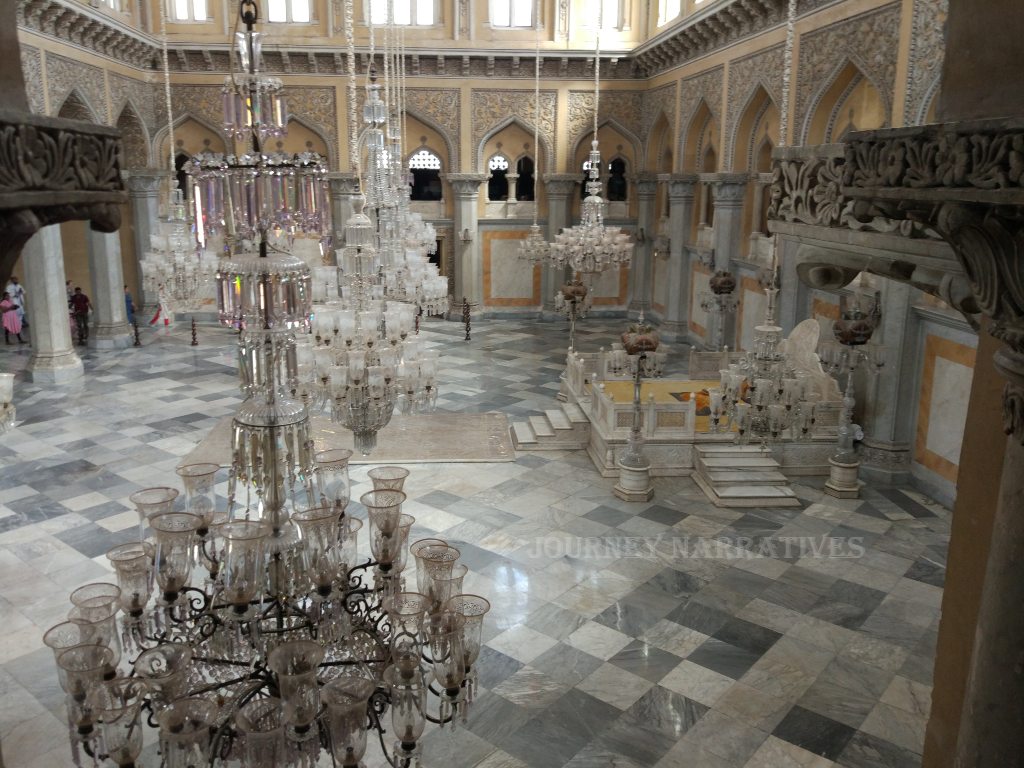
Chowmahalla Palace, Hyderabad is where history doesn’t feel distant — it feels staged, polished, and quietly proud. The palace was once the official seat of the Nizams, and even today, it carries that air of ceremony. Unlike forts that echo with battles, this palace whispers stories of royal receptions, glittering chandeliers, and political gatherings that shaped Hyderabad’s identity. Walking through its courtyards feels less like sightseeing and more like stepping into a carefully preserved chapter of the past. To understand how royal spaces like this shape the city’s character, explore our Hyderabad Travel Guide for a deeper look at Hyderabad. 1. A Palace That Defined an Era Built in the 18th century, Chowmahalla served as the residence of the Asaf Jahi dynasty. The name “Chowmahalla” literally means “Four Palaces,” though what you see today is a refined and restored complex that reflects Indo-Persian, Mughal, and European influences. It wasn’t just a home — it was the ceremonial heart of Hyderabad. 2. The Grand Khilwat Mubarak Hall The Durbar Hall, known as Khilwat Mubarak, is easily the most striking part of the palace. Massive Belgian crystal chandeliers hang from an intricately decorated ceiling, and the marble flooring adds to its quiet elegance. This was where the Nizam would hold formal ceremonies and meet dignitaries. Stand still for a moment here — you can almost imagine the court in session. 3. Why Chowmahalla Palace, Hyderabad Still Feels Regal Today What makes Chowmahalla Palace, Hyderabad special isn’t just its age — it’s the way it has been restored. The fountains work. The lawns are manicured. The buildings gleam in soft white against Hyderabad’s blue sky. It feels maintained with intention rather than left to fade into nostalgia. That balance between preservation and presentation makes it feel alive. 4. Vintage Cars and Royal Collections If you enjoy historical artefacts, you’ll appreciate the palace museum section. From royal costumes and manuscripts to vintage cars used by the Nizams, the exhibits offer a closer look at their lifestyle. The classic Rolls-Royce on display is a quiet highlight — understated, yet symbolic of the era’s luxury. 5. Architecture That Blends Cultures The palace complex showcases: The symmetry of the courtyards and the balance in design make it photogenic without trying too hard. 6. A Photographer’s Dream Spot Soft white walls, green courtyards, and elegant corridors create beautiful frames at every turn. Morning light enhances the details, while late afternoon gives the palace a warm, golden hue. If you enjoy architectural photography, you’ll find no shortage of angles here. 7. A Peaceful Escape in the Old City Located near Charminar, the palace feels surprisingly calm compared to the bustling streets outside. Once you step in, the noise fades. It’s a refreshing pause in the middle of Old City chaos. 8. Cultural Events and Exhibitions Chowmahalla occasionally hosts cultural programs, exhibitions, and classical performances. Attending one adds another layer to the experience — history meeting contemporary expression. 9. A Place That Slows You Down Some places are about rushing through checklists. This isn’t one of them. Chowmahalla invites you to linger — to sit by a fountain, to look up at a chandelier a little longer, to read the plaques instead of skimming them. It’s not overwhelming. It’s graceful. When to Visit & What to Know A Final Thought Before You Leave Chowmahalla Palace doesn’t try to impress with scale. Instead, it leaves you with a quiet appreciation for how Hyderabad evolved under the Nizams — culturally, politically, and architecturally. If you’re exploring the heritage side of the city, pairing this visit with Charminar or Falaknuma Palace makes for a well-rounded Old City experience. Some places tell stories loudly.This one tells them with composure. And if you’re planning to explore beyond Hyderabad’s old quarters, our detailed Telangana travel guide connects forts, temples, museums, lakes, and entertainment landmarks into one cohesive itinerary. Because Telangana isn’t just a collection of attractions — it’s a layered story. Royal courts and historic palaces like this are part of a much larger narrative—discover more through our India Travel Guide. For journeys through grand palaces and cultural heritage across regions, explore our Asia Travel Guide for wider inspiration.

Vasco Da Gama: 8 Eye-Opening Reasons This Port City Is More Than a Transit Stop
Vasco Da Gama is frequently treated as nothing more than a stopover near the airport. Travelers land, pass through, and move on to beaches or resorts without a second thought. But here’s the truth — Vasco Da Gama quietly offers history, coastal access, local culture, and strategic convenience that many visitors completely overlook. If you’re willing to look beyond first impressions, this South Goa city reveals a different side of Goa — one that feels grounded, authentic, and surprisingly rewarding. Exploring quieter cities such as Vasco da Gama helps travellers understand the broader character of destinations across India. 1. Vasco Da Gama Has Deep Maritime Roots Named after the Portuguese explorer Vasco da Gama, the city developed around one of India’s most important natural harbors. The nearby Mormugao Port has long been central to Goa’s economy. Ships, docks, and trade routes shaped the city’s identity. Unlike tourist-heavy coastal hubs, Vasco feels like a living, working port town — and that authenticity adds depth to your visit. 2. Just Minutes from Goa International Airport One of Vasco Da Gama’s biggest advantages is its location near Goa International Airport. This makes it perfect for: You can go from runway to hotel in under 15 minutes — a rare luxury in beach destinations. 3. Bogmalo Beach Is Practically Next Door A short drive from Vasco takes you to Bogmalo Beach — one of South Goa’s quieter coastal stretches. Here, you’ll find calmer waters, fewer crowds, and a more relaxed atmosphere compared to North Goa hotspots. Staying in Vasco allows you beach access without being surrounded by nonstop tourism. It’s balance, not buzz. 4. Gateway to Mormugao Fort History lovers can explore Mormugao Fort, built in the 17th century by the Portuguese. Perched near the harbor, the fort once defended Goa against naval threats. Today, it offers sweeping sea views and a quieter historical experience compared to more famous Goan forts. It’s not heavily commercialized — and that makes it feel more atmospheric. 5. Authentic Goan City Life Unlike curated tourist neighborhoods, Vasco Da Gama feels real. You’ll see: There’s no performance here — just daily life unfolding naturally. If you enjoy observing local culture rather than staged experiences, this city offers a genuine window into urban Goa. 6. A Strategic Base for Exploring South Goa Vasco Da Gama’s central location makes it a smart base for exploring nearby destinations. From here, you can easily visit: Yet return at night to a more practical and less tourist-saturated environment. 7. Budget-Friendly Stays Compared to Resort Zones Because Vasco is not marketed as a luxury beach hub, accommodation prices are often more reasonable. Travelers who prioritize: will find it especially convenient and cost-effective. 8. It Shows You a Different Layer of Goa Goa isn’t only beaches and nightlife. Vasco Da Gama represents: If you want your Goa experience to include more than postcard-perfect shorelines, spending time here adds perspective to your itinerary. Coastal cities like Vasco da Gama reflect the diverse travel experiences found across Asia. Travel Tips for Visiting Vasco Da Gama Approach it with curiosity rather than comparison — and you’ll appreciate it far more. Is Vasco Da Gama Worth Visiting? Yes — especially if you’re open to seeing Goa beyond the expected. Vasco Da Gama may not compete with beach party hubs in energy. But it offers context, convenience, and authenticity that most travelers miss. And sometimes, the places we rush through are the ones worth slowing down for. For a complete guide covering beaches, forts, cultural towns, and travel planning tips, explore our detailed Goa travel guide.
Birla Mandir, Hyderabad: 9 Serene Moments Above the City You’ll Always Remember
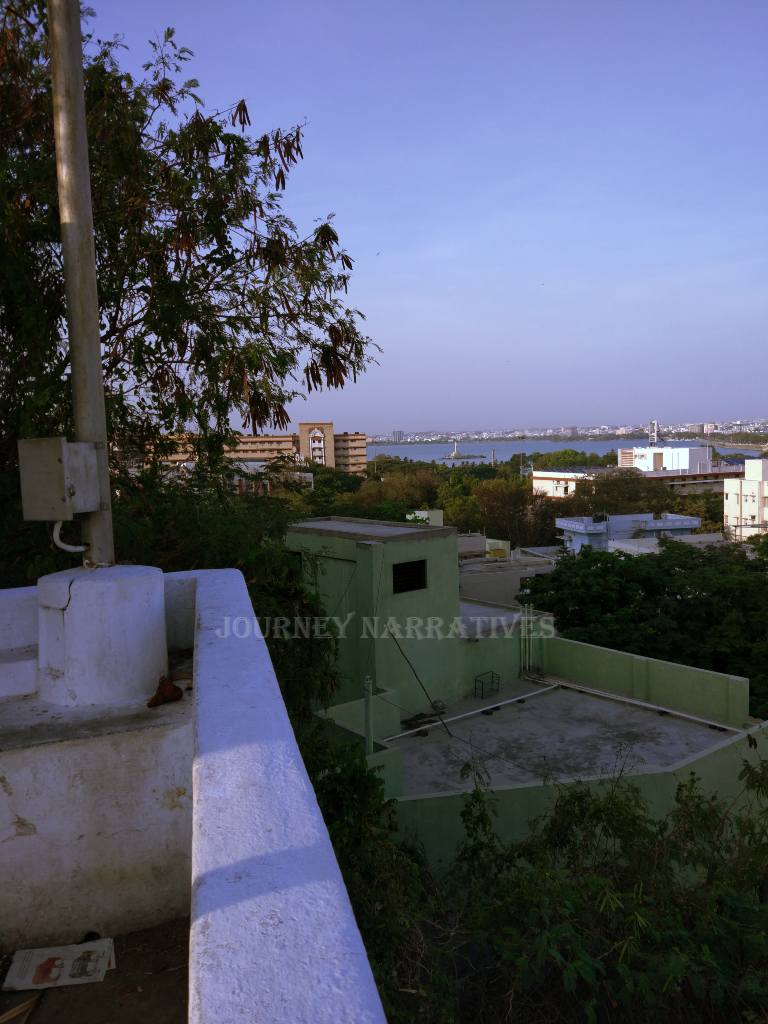
If you’ve ever wanted to see Hyderabad from a place of silence rather than noise, Birla Mandir, Hyderabad is where you go. Perched atop Naubat Pahad hill in Hyderabad, the striking white-marble Birla Mandir, Hyderabad rises gracefully above traffic, markets, and daily rush. From below, it looks serene. From above, it feels transformative. This isn’t just a temple visit. It’s a pause button in the middle of a bustling city. If you’re planning to explore more of the city beyond this peaceful spot, our Hyderabad Travel Guide will help you discover its top attractions and experiences. 1. The White Marble That Glows at Sunset Built entirely from Rajasthani white marble, the temple almost glows when the evening light touches it. There’s no flashy decoration — just clean lines, intricate carvings, and quiet dignity. As the sun begins to set, the marble shifts tones, creating one of the most peaceful visual experiences in Hyderabad. 2. A Temple Dedicated to Lord Venkateswara The main deity is Lord Venkateswara (Balaji), drawing inspiration from the Tirupati temple tradition. Yet the architecture blends South Indian, Rajasthani, and even Utkala design elements — making it visually unique among Hyderabad’s temples. 3. The Climb That Feels Symbolic You don’t just “enter” Birla Mandir — you ascend. The gentle uphill pathway builds anticipation. As city sounds fade, something shifts internally too. By the time you reach the top, the noise feels far away — physically and mentally. 4. A 360-Degree View of Hyderabad From the temple premises, you can spot: It’s one of the rare spiritual sites that also doubles as a panoramic viewpoint. 5. Silence Is Part of the Experience Mobile phones and photography are restricted inside. At first, it may feel inconvenient. But soon, you realize — it’s intentional. Without screens, people look up. They observe. They sit quietly. It creates a collective atmosphere of stillness that’s increasingly rare. 6. The Temple After Dark At night, Birla Mandir is beautifully illuminated. The soft lighting against white marble creates a calm, almost ethereal presence on the hilltop. From certain city roads, you can see it glowing above — like a guardian watching over Hyderabad. 7. Not Just for Devotees You don’t have to be deeply religious to appreciate this place. Travelers, photographers (outside areas), couples, families — everyone finds something here. It could be devotion, architecture, or simply perspective. Birla Mandir welcomes quiet curiosity. 8. A Refreshing Contrast to Old City Chaos Hyderabad is layered — bustling bazaars, historic forts, busy food streets. Birla Mandir offers contrast. It balances your itinerary. After exploring crowded markets or heritage monuments, this hilltop sanctuary feels like exhaling. 9. A Moment You Carry Back With You What stays with most visitors isn’t just the marble or the view. It’s that brief stretch of calm. The wind at the top.The muted city below.The sound of temple bells.The feeling of being still. Before You Go: A Few Helpful Notes Plan around peak hours if you prefer a quieter experience. Why Birla Mandir, Hyderabad Deserves a Spot in Your Telangana Itinerary Hyderabad offers dramatic forts and world-famous studios — but Birla Mandir offers perspective. It reminds you that travel isn’t just about landmarks. It’s also about how places make you feel. If you’re planning a broader route across the state, explore our complete Telangana travel guide to discover forts, museums, lakes, and cultural experiences beyond the city. For a deeper dive into diverse destinations, heritage, and travel ideas across the country, check out our India Travel Guide. If you’re looking to expand your travels across cultures and landscapes, our Asia Travel Guide offers inspiring ideas beyond India.

Rocky Cliffs of Varkala: 7 Powerful Coastal Views That Look Harsh Yet Feel Deeply Refreshing
The rocky cliffs of Varkala don’t present the sea as gentle or inviting. This is a coastline that feels raw, elevated, and exposed, where waves don’t whisper against the shore but collide with land that has resisted erosion for centuries. Standing above the Arabian Sea, the rocky cliffs of Varkala reveal one of India’s most striking wave-cut coastlines—a place where geology dominates the view and nature feels unapologetically bold. This is not a beach you simply walk onto. This is a coastline you stand above, observe, and slowly absorb. While exploring the dramatic beauty of Varkala Cliff, you can plan your full trip with our detailed Kerala Travel Guide. The rocky cliffs of Varkala are one of several natural shore types explored in our guide to Coastal Landscapes: 7 Breathtaking Natural Shores That Feel Wildly Refreshing. 1. A Rare Cliff-Backed Coastline in India Varkala is one of the very few places in India where dramatic laterite cliffs rise sharply above the Arabian Sea.Unlike flat sandy beaches, these cliffs were shaped by continuous wave erosion, carving the coastline vertically instead of horizontally. The result is a powerful contrast: 2. Wave-Cut Formations That Tell a Geological Story Over thousands of years, waves have carved the base of these cliffs, slowly reshaping the land.Standing at the edge, you can visibly sense how erosion, gravity, and water interact. This is what defines a wave-cut coastline: It’s harsh in appearance — yet strangely calming to watch. 3. Elevated Views That Change the Coastal Experience Unlike typical beaches where your view stays at sea level, Varkala changes how you experience the coast. From the cliff top: You don’t just see the ocean — you overlook it, which creates a sense of distance, reflection, and quiet awe. 4. A Coastline That Feels Raw, Not Manufactured Despite being a known destination, large sections of Varkala still feel geologically untouched. There are no artificial breakwaters dominating the scene.No forced reshaping of the cliffs. What you experience here is: This keeps the coastline honest and visually powerful. To ensure peace of mind while traveling or living abroad, we recommend getting health insurance. SafetyWing’s Essential plan covers travel and medical emergencies with options for adventure sports and electronics theft. Their Complete plan offers comprehensive health coverage with routine healthcare, mental health support, and maternity, anywhere in the world, including in your home country, on top of all Essential benefits. 5. The Soundscape of a Cliff Coast One of the most underrated elements of rocky coastlines is sound. At Varkala: It’s a sensory experience that feels energizing yet meditative at the same time. 6. A Refreshing Alternative to Flat Sandy Shores For travelers used to long, flat beaches, Varkala feels different — and that’s its strength. Here, refreshment comes not from swimming alone, but from: It’s a coastline that wakes you up mentally, not just physically. 7. Why Varkala Perfectly Represents Rocky Cliff Coastlines Varkala isn’t just a destination — it’s a textbook example of a rocky, wave-cut shoreline. It represents: This makes it an ideal real-world example of rocky cliffs and wave-cut coastlines, as described in broader coastal landscape studies. If you’re looking to explore more destinations across the country, check out our India Travel Guide for diverse travel experiences. Where the Land Finally Stands Its Ground The rocky cliffs of Varkala remind us that not all coastal beauty is gentle.Some shores feel stern, exposed, and powerful — yet leave you feeling unexpectedly refreshed. This coastline proves that when land and sea meet with equal force, the result isn’t chaos — it’s balance. This shoreline is a living example of the Rocky Cliffs and Wave-Cut Coastlines explored in our broader coastal landscapes guide. For a broader perspective, don’t miss the Asia Travel Guide featuring coastal and cultural destinations across the region.
Golkonda Fort, Hyderabad: 10 Incredible Facts That Bring History Alive
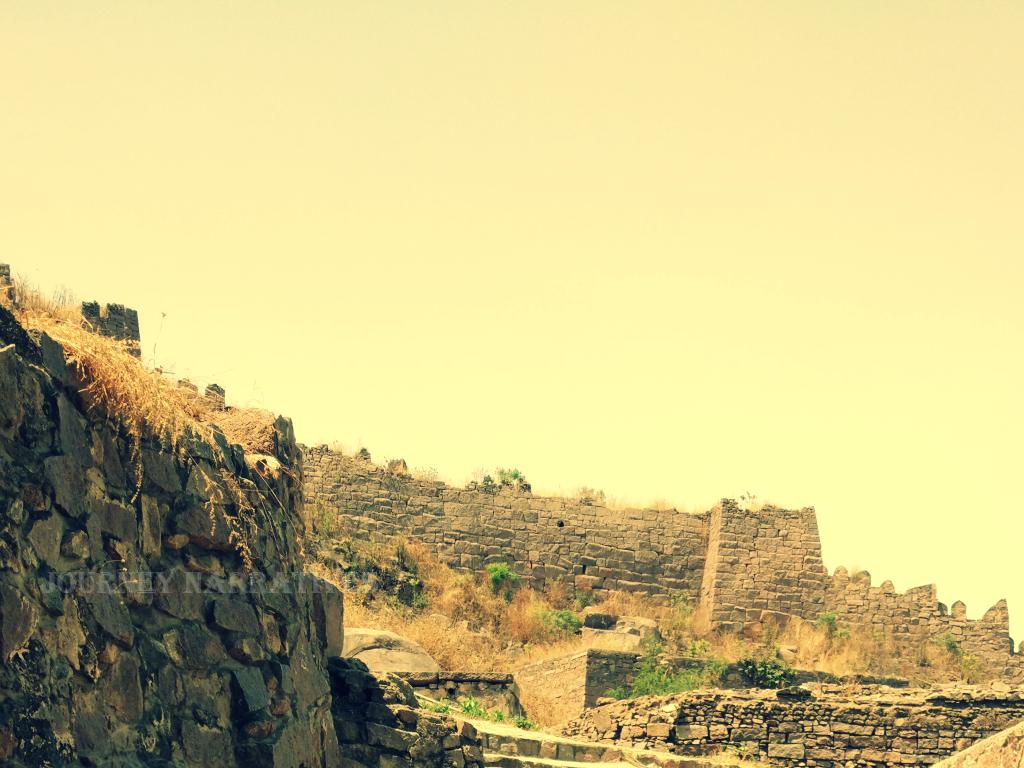
If there is one monument that truly defines power, ambition, and architectural brilliance in Hyderabad, it is Golkonda Fort, Hyderabad. Rising dramatically on the western edge of Hyderabad, the majestic Golkonda Fort is not just a fort — it’s a story carved in stone. Once the capital of the powerful Qutb Shahi dynasty, this hilltop citadel witnessed royal processions, diamond trade, and strategic warfare. To see how this historic fort fits into the city’s broader travel experience, explore our Hyderabad Travel Guide for a complete plan. Today, it invites you to walk through its echoes. Here’s why it remains unforgettable. 1. The Legendary Acoustic Engineering Stand at the entrance and clap. If done at a specific point under the dome, the sound travels all the way to the top of the Golkonda fort — nearly a kilometer away. This acoustic signaling system once warned rulers of approaching visitors or threats. It’s simple, genius, and centuries old. 2. The Capital of the Qutb Shahi Dynasty Before Hyderabad city flourished, Golkonda was the heart of power. The fort expanded under rulers like Ibrahim Quli Qutb Shah, transforming it into a grand fortified city. Massive gates, strategic bastions, and layered defense walls made it nearly impregnable. 3. The Diamond Connection Golkonda was once synonymous with diamonds. Some of the world’s most famous gems, including the legendary Koh-i-Noor, are believed to have passed through the Golkonda mines. The region was one of the richest diamond trading centers in the world. That alone gives the fort global historical weight. 4. The Climb to the Top Reaching the summit takes effort — hundreds of steps and inclined pathways. But once at the top, the panoramic view of Hyderabad is breathtaking. Wind, ruins, and open sky combine to create a cinematic atmosphere. It’s especially magical near sunset. 5. Ingenious Water Supply System Despite being built on a rocky hill, Golkonda had a sophisticated water management system. Persian wheels and concealed pipelines transported water to higher levels — an impressive example of medieval engineering. 6. Massive Gates & Defensive Design The fort’s gates are reinforced with iron spikes to prevent elephant attacks. Narrow pathways and angled entries were strategically designed to confuse invaders. Every element served a purpose. 7. The Light & Sound Show In the evening, Golkonda transforms. The light and sound show narrates the fort’s history through dramatic storytelling, music, and illumination against the ancient walls. It adds emotional depth to the ruins. If time permits, stay for it. 8. Photography & Heritage Appeal Whether you enjoy travel photography or architectural details, Golkonda offers textured stone walls, arches, silhouettes, and wide landscapes. It feels raw, powerful, and timeless. 9. A Walk Through Layers of History Unlike polished monuments, Golkonda retains its rugged authenticity. You see: It feels lived-in — and lived-through. 10. A Monument That Demands Exploration Golkonda is not a quick stop. It’s a place to wander, pause, climb, and imagine. If you rush, you’ll miss the magic. How to Experience Golkonda Fort Meaningfully Instead of treating it as a checklist monument: Comfortable footwear is essential. The terrain is uneven, and the climb requires patience. Who Will Love Golkonda Fort, Hyderabad? This fort is ideal for: If you prefer air-conditioned galleries and structured exhibits, you might find it physically demanding. But if you enjoy walking through real history, Golconda delivers an unforgettable experience. Why It’s Essential in a Telangana Itinerary Hyderabad offers iconic landmarks, but Golkonda gives context. It tells you where the city’s power began. For a broader itinerary that includes cultural sites, museums, and entertainment attractions across the state, explore our complete Telangana travel guide before finalizing your trip. Stories like these are part of a much larger journey—discover more historic landmarks through our India Travel Guide. For a deeper exploration of forts, empires, and cultural legacies across countries, browse our Asia Travel Guide for broader inspiration.
Things to Do in Trivandrum: 10 Soulful Experiences You Shouldn’t Miss
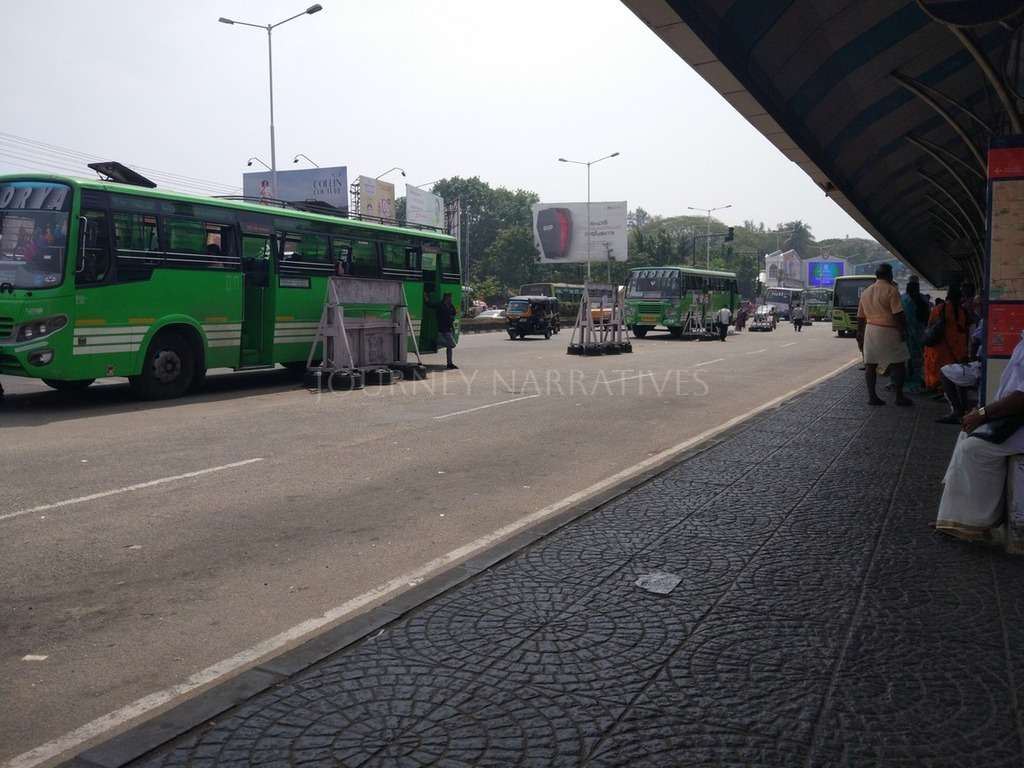
If you’re searching for meaningful things to do in Trivandrum, you’ll quickly realize that Kerala’s capital is not about loud attractions or rushed sightseeing. Trivandrum (Thiruvananthapuram) reveals itself slowly — through temple corridors, coastal sunsets, traditional meals, and quiet cultural spaces. Unlike Kerala’s more tourist-heavy destinations, this city feels rooted, composed, and deeply reflective. If you’re planning a complete trip, explore our Trivandrum Travel Guide to get a better understanding of the city’s top attractions, travel tips, and ideal itinerary. Here are 10 soulful experiences you shouldn’t miss when exploring Trivandrum. 1. Witness the Majesty of Padmanabhaswamy Temple No list of things to do in Trivandrum is complete without acknowledging the Padmanabhaswamy Temple. Its towering gopuram and sacred presence define the spiritual identity of the city. Even standing outside the temple complex, you can feel the depth of tradition that shapes Trivandrum. 2. Watch the Sunset at Kovalam Beach Just a short drive away, Kovalam Beach offers golden sands and endless Arabian Sea views. The rhythmic waves and lighthouse backdrop create one of the most peaceful coastal settings near the city. It’s a perfect balance to Trivandrum’s urban calm. 3. Explore the Artistic Legacy at Napier Museum The striking Indo-Saracenic architecture of Napier Museum is reason enough to visit. Inside, you’ll find historical artifacts, sculptures, and artwork that reflect Kerala’s layered cultural journey. 4. Experience Royal Craftsmanship at Kuthiramalika Palace Also known as the Horse Palace, this wooden architectural marvel showcases intricate carvings and royal artifacts from Travancore’s past. It’s one of the most elegant heritage spaces in the city. 5. Spend a Quiet Evening at Shangumugham Beach Less commercial than Kovalam, Shangumugham Beach offers wide open views and a relaxed local vibe. Evenings here feel unhurried — just sea breeze, scattered visitors, and sunset hues. 6. Taste an Authentic Kerala Sadya Among the most fulfilling things to do in Trivandrum is to sit down for a traditional Kerala Sadya served on a banana leaf. The layered flavors, coconut-based curries, and balanced spices offer a cultural experience in every bite. 7. Visit Kanakakkunnu Palace for Cultural Events This palace-turned-cultural venue hosts exhibitions, performances, and seasonal festivals. It reflects the artistic heartbeat of the city. 8. Relax at Veli Tourist Village Where the lake meets the sea, Veli offers open landscapes, boating options, and peaceful waterfront views. It’s ideal for slowing down between sightseeing stops. 9. Observe the Colonial & Institutional Architecture Trivandrum’s churches, academic institutions, and administrative buildings reveal subtle colonial influences. These structures quietly shape the city’s identity beyond temples and beaches. 10. Simply Walk and Absorb the City’s Calm Energy Sometimes the most soulful thing to do in Trivandrum is simply to walk through its streets. The greenery, manageable pace, and composed atmosphere make it one of India’s more understated capitals. It doesn’t overwhelm — it settles. Best Time to Explore Trivandrum October to March offers pleasant weather for temple visits and beach outings. Monsoon adds lush greenery, though coastal activities may be limited. How Trivandrum Fits Into Your Kerala Journey Trivandrum works beautifully as: If you’re mapping out multiple destinations across the state, explore our detailed Kerala Travel Guide to structure a balanced itinerary between beaches, backwaters, and hill stations. Is Trivandrum Worth Visiting? Yes — especially for travelers who value depth over drama. The best things to do in Trivandrum aren’t flashy; they’re layered. Through spirituality, architecture, food, and coastal serenity, the city leaves a quiet but lasting impression. For those willing to move slowly, Trivandrum rewards generously. For travelers looking to explore more across the country, our India Travel Guide offers a curated collection of destinations rich in culture and diversity. If you’re planning a broader itinerary, explore our Asia Travel Guide for inspiration across some of the most captivating destinations on the continent.
Salar Jung Museum Hyderabad: 9 Fascinating Reasons This Treasure House Is a Must-Visit
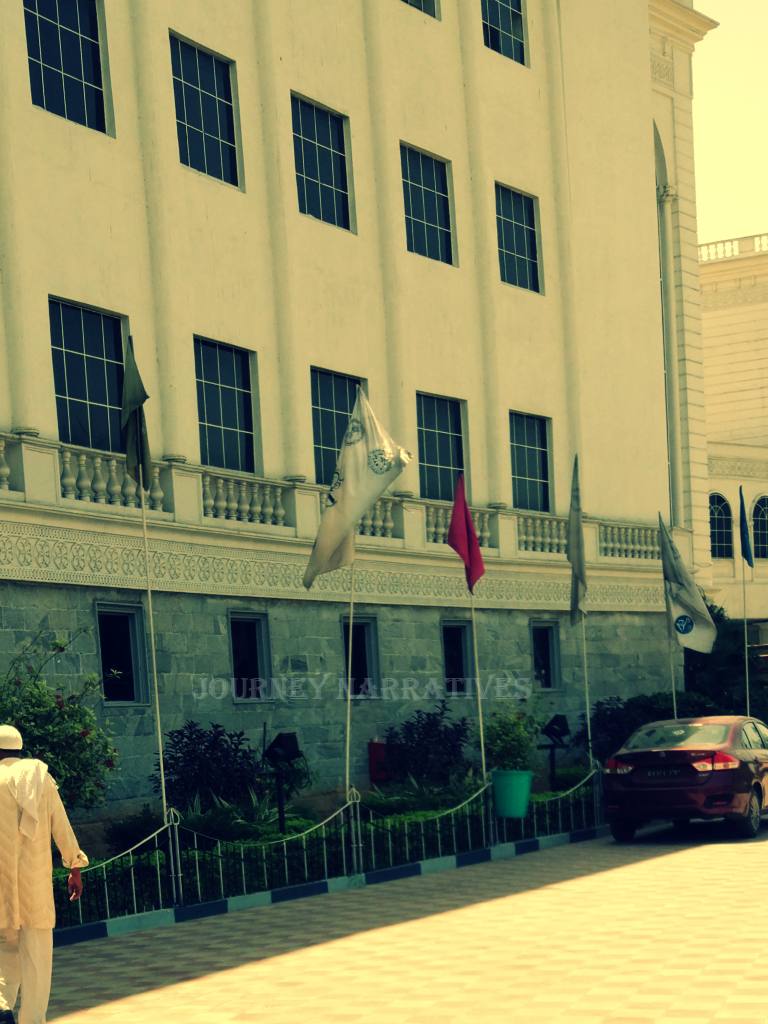
If you’re exploring the city and wondering whether Salar Jung Museum Hyderabad deserves a place on your itinerary — it absolutely does. Located along the banks of the Musi River, the iconic Salar Jung Museum, Hyderabad is one of India’s largest art museums. What makes it extraordinary isn’t just its size — it’s the deeply personal story behind the collection. This is not just a museum visit. It’s a journey across continents, centuries, and cultures — all under one roof. If this glimpse into art and history fascinates you, see how it fits into the city’s larger journey through our Hyderabad Travel Guide. 1. One Man’s Lifetime Collection The museum’s foundation comes from the private collection of Mir Yousuf Ali Khan, a nobleman and former Prime Minister of Hyderabad. He spent decades acquiring rare artifacts from across the world. After his death, the collection was preserved and opened to the public — making this museum uniquely personal in origin. 2. One of the Largest Museums in India With thousands of artifacts spread across multiple galleries, Salar Jung Museum is vast. You’ll find: It’s easy to spend 3–4 hours here without realizing how time passed. 3. The Famous “Veiled Rebecca” Sculpture One of the most talked-about pieces is the stunning marble sculpture known as the Veiled Rebecca. The detailing is so delicate that the marble veil appears translucent — a masterpiece that often becomes the highlight of visitors’ experiences. 4. The Double Statue (Two Figures, One Sculpture) Another fascinating exhibit is the dual-sided wooden sculpture where two different figures are carved from a single piece — visible depending on which side you view it from. It’s craftsmanship that sparks curiosity. 5. The Musical Clock Gallery Every hour, crowds gather to watch the antique musical clock come alive. A tiny mechanical figure emerges to strike the hour — simple, charming, and unexpectedly delightful. It’s a small moment that visitors genuinely enjoy. 6. Global Collections Under One Roof Salar Jung Museum isn’t limited to Indian artifacts. You’ll discover collections from: The diversity makes it feel like a mini world tour within Hyderabad. 7. Rare Manuscripts & Islamic Art For history enthusiasts, the manuscript section is particularly valuable. Intricately written Qurans, calligraphy, and rare texts offer a glimpse into literary heritage. It adds intellectual depth to the visit. 8. Ideal for History & Art Lovers If you’re searching: Yes — especially for those who appreciate art, history, and culture. Plan at least 3 hours to explore comfortably. 9. A Cultural Pause in a Bustling City Hyderabad is known for biryani, bustling markets, and historic monuments. Salar Jung Museum offers something different — quiet corridors, reflective spaces, and timeless artifacts. It slows your pace in the best way possible. How to Plan Your Visit Smartly Salar Jung Museum is massive — and that’s both its strength and its challenge. If you try to see everything, you’ll rush and feel overwhelmed. Instead: Weekday mornings are ideal if you prefer quieter halls. Allocate at least three hours for a relaxed experience. Who Will Truly Enjoy Salar Jung Museum? This museum isn’t designed for thrill-seekers or quick photo stops. You’ll appreciate it most if you: Students, history lovers, art enthusiasts, and curious travelers will find it deeply rewarding. If you prefer fast-paced sightseeing, you might feel it’s too extensive — but if you value substance over spectacle, this place leaves a lasting impression. To continue exploring places where history and culture quietly unfold, our Telangana Travel Guide brings together experiences across the state. Why It Matters in a Telangana Itinerary While Hyderabad dazzles visitors with forts and bustling bazaars, Salar Jung Museum offers something quieter — perspective. It reminds you that Telangana’s heritage isn’t just architectural or culinary. It’s intellectual, artistic, and globally connected. Moments like these are just a small part of what the country offers—discover more through our India Travel Guide. For a wider journey through remarkable museums and cultural treasures, explore our Asia Travel Guide for inspiration beyond borders.
Food and Local Life of Hyderabad: 8 Lively Street and Bazaar Experiences That Define the City
The food and local life of Hyderabad reveal how deeply eating habits in India are tied to place. Food rarely exists in isolation; it is shaped by where people live, how they move, and the spaces where daily life unfolds. Nowhere is this more visible than in Hyderabad—a city where streets, bazaars, and old neighborhoods function as living food landscapes. These spaces preserve culinary traditions passed down through generations, even as they face constant pressure from urban growth, changing tastes, and modern consumption. Within the larger story of food and local life in India, Hyderabad represents an essential urban landscape—one where food is not curated for visitors but consumed daily by residents who depend on it for livelihood, identity, and survival. The city’s food culture is embedded in its lanes, markets, and shared spaces, shaped as much by routine as by celebration. Below are eight living street and bazaar landscapes that reveal how Hyderabad eats, remembers, and adapts. 1. The Old City Lanes: Food as Daily Rhythm In the narrow lanes around Charminar, food is inseparable from everyday movement. Breakfast begins early, with vendors selling idlis, dosas, kheema roti, and steaming cups of tea to shopkeepers opening shutters. By midday, rice meals and biryani portions feed workers who pause briefly before returning to trade. These streets preserve food traditions through repetition. Recipes remain largely unchanged because they serve a local population that expects familiarity, not novelty. Yet pressure is constant—rising rents, traffic congestion, and shrinking pedestrian space threaten the slow, human rhythm that sustains this food ecosystem. 2. Charminar Bazaar: Where Food and Commerce Intersect The Charminar area is often described visually, but its deeper significance lies in how food operates alongside commerce. Spice sellers, bangles shops, perfume vendors, and food stalls exist in close proximity, reflecting an older model of Indian markets where nourishment and trade are intertwined. Street snacks, fruit carts, and sweet sellers cater to shoppers rather than tourists. Food here is practical, affordable, and designed for quick consumption—evidence of a food culture shaped by working lives rather than leisure. Modern crowd control measures and commercialization increasingly strain this balance. 3. Irani Cafés: Shared Tables, Shrinking Spaces Hyderabad’s Irani cafés are cultural landmarks not because of nostalgia alone, but because they represent a rare social food space. Long wooden tables encourage strangers to sit together, sip tea, and eat biscuits or bun maska without ceremony. These cafés preserve a communal way of eating that resists individualism. However, rising operational costs, changing real estate values, and shifting customer habits place immense pressure on their survival. Each closure represents not just a business loss, but the erosion of a shared food habit. 4. Moazzam Jahi Market: Ingredients as Memory Markets like Moazzam Jahi are less about ready-made food and more about the raw materials that sustain local cooking. Vegetables, fruits, spices, meat, and dry goods flow through the hands of buyers who cook at home, preserving everyday food traditions quietly. These markets reflect a slower, ingredient-based food culture that contrasts with packaged convenience foods. Yet modernization, supermarket expansion, and declining foot traffic threaten their relevance, pushing traditional markets to the margins of urban planning. 5. Street Breakfast Zones: The Invisible Food Network Across Hyderabad, certain streets come alive only in the early morning. Temporary stalls serve tiffin items to daily-wage workers, auto drivers, students, and office-goers. By late morning, these stalls disappear, leaving little trace behind. These breakfast landscapes preserve affordability and accessibility, ensuring food reaches people before formal work begins. They operate informally, often without legal recognition, making them highly vulnerable to regulation and displacement—even though they feed thousands daily. 6. Meat Markets and Butcher Streets: Sustaining Culinary Identity Hyderabad’s culinary identity is deeply tied to meat-based cooking, sustained by dedicated butcher streets and meat markets. These spaces supply households, eateries, and small hotels, maintaining the flavors associated with regional cuisine. Despite their importance, these areas face increasing scrutiny due to hygiene regulations, urban aesthetics, and residential complaints. The pressure to relocate or sanitize these markets risks disconnecting food traditions from the spaces that sustain them. 7. Evening Snack Streets: Food as Social Pause As daylight fades, specific streets transform into informal food corridors. Chaat, kebabs, roasted corn, sweets, and tea create a shared evening ritual. Families, friends, and solo diners gather not for events, but for habit. These snack landscapes preserve food as a social pause—a moment of connection in otherwise busy lives. However, traffic restrictions, licensing issues, and competition from malls and food courts continue to challenge their existence. 8. Festival Food Zones: Temporary but Essential Landscapes During festivals, parts of Hyderabad become temporary food landscapes. Special sweets, seasonal dishes, and celebratory cooking spill into public spaces, reinforcing community bonds. These moments preserve collective memory through taste, yet they are increasingly regulated or confined indoors due to safety and crowd-control concerns. The pressure to manage festivals efficiently often reduces their spontaneous food culture. Food and Local Life of Hyderabad in India’s Broader Food Landscape Story Within the broader pillar of Food and Local Life in India, Hyderabad represents the urban street-and-market landscape—a crucial counterpart to plantations, farms, and rural food systems. Its food culture is not curated, plated, or packaged for storytelling. It exists because people depend on it daily. These living landscapes preserve tradition through use, not display. At the same time, they are under continuous pressure from modernization, policy, and changing consumption patterns. Understanding Hyderabad’s food life means recognizing that food traditions survive not because they are frozen in time, but because they adapt within imperfect, crowded, and contested spaces. In this tension between preservation and pressure lies the true story of food and local life—not just in Hyderabad, but across India’s evolving urban landscapes.