
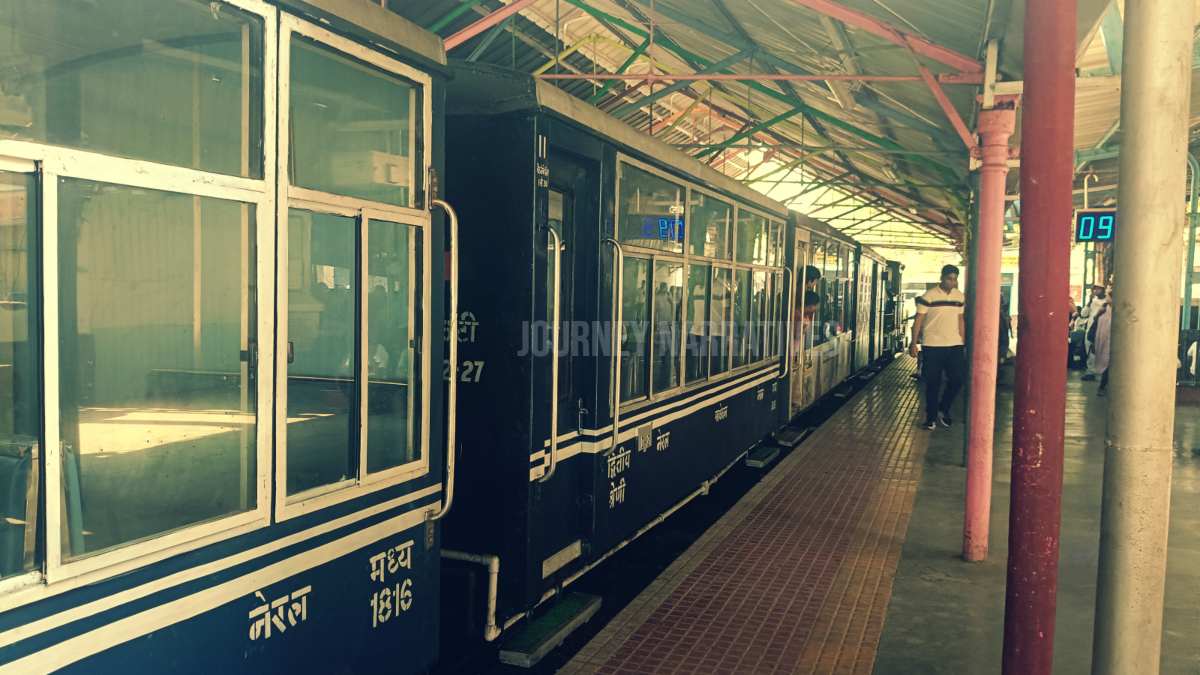
Toy train rides in India offer something you rarely get in modern travel—time to slow down and truly enjoy the journey. Instead of rushing from one place to another, these charming trains take you through misty hills, quiet villages, and landscapes that feel untouched. From heritage railways built over a century ago to scenic mountain routes, these journeys are not just about reaching a destination—they’re about everything you experience along the way. If you enjoy journeys like these, explore more unique moments across the country in our Travel Experiences in India collection. Toy Train Rides in India: 5 Journeys You Shouldn’t Miss 1. Darjeeling Himalayan Railway (West Bengal) This is easily the most iconic toy train rides in India. Running between New Jalpaiguri and Darjeeling, this railway slowly climbs into the hills, offering beautiful views of tea gardens and mountain scenery. One of the most special moments is crossing the Batasia Loop, where the train curves around itself with stunning views all around. On clear days, you might even catch a glimpse of Kanchenjunga. Why it feels special: 2. Nilgiri Mountain Railway (Tamil Nadu) This toy train ride from Mettupalayam to Ooty is known for its unique track system that helps it climb steep hills. As the train moves upward, the weather changes, the air feels cooler, and the views become greener. You’ll pass through tunnels, thick forests, and small bridges, making the ride feel peaceful and refreshing. Why it feels special: 3. Kalka–Shimla Railway (Himachal Pradesh) This route connects Kalka to Shimla and is known for its long tunnels and curved tracks. The journey is slow, but that’s exactly what makes it enjoyable. As the train moves through hills and pine forests, you get uninterrupted views that change with every turn. Why it feels special: 4. Kangra Valley Railway (Himachal Pradesh) If you want something less crowded, this toy train rides in India are a great choice. The Kangra Valley Railway offers open views of the Dhauladhar mountains without the rush of tourists. The journey feels simple and raw, passing through fields, rivers, and small villages. Why it feels special: 5. Matheran Hill Railway (Maharashtra) This short but charming toy train rides in India takes you from Neral to Matheran, a hill station where cars are not allowed. The route is surrounded by greenery and quiet forest paths. It’s a great option if you want a quick and relaxing getaway without long travel hours. Why it feels special: Why These Journeys Stay With You What makes these toy train rides in India memorable isn’t just the views—it’s how they make you feel. There’s no rush, no pressure, just the steady rhythm of the train and the changing scenery outside your window. In a world where travel often feels fast and packed, these journeys remind you to slow down and enjoy the moment. Planning a trip around these routes? Our India Travel Guide can help you choose the best time, routes, and destinations. Travel Tips Before You Go Looking to explore beyond India? Discover similar scenic and cultural journeys in our Asia Travel Guide. A Journey Worth Slowing Down For These toy train rides in India are not about ticking off destinations—they’re about experiencing travel in its simplest form. Whether it’s the hills of Darjeeling or the forests of Matheran, each journey has its own quiet charm. If you’re looking for something different from the usual travel plans, this is one experience that truly stays with you long after the journey ends. Toy train rides are just one part of India’s magic—explore more meaningful journeys in our guide to 7 Unforgettable Travel Experiences in India That Stir the Soul, Spark Joy, and Stay With You Forever.
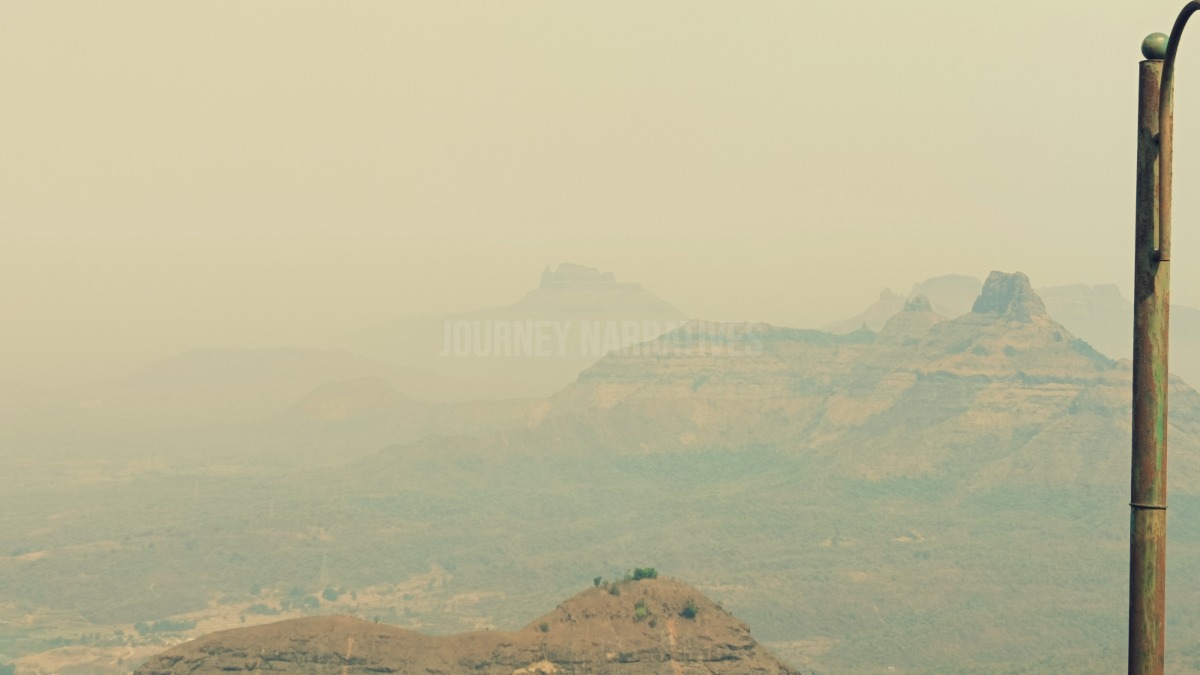
Beautiful Places to Visit in India: A Guide to Scenic, Seasonal & Unique Travel Experiences
When it comes to discovering beautiful places to visit in India, the experience goes far beyond ticking off famous landmarks. The country offers a diverse mix of coastal views, seasonal destinations, and journeys that become memorable for unexpected reasons. From serene beaches shaped by nature to vibrant locations that come alive during special moments, India presents travel experiences that are both visually stunning and deeply meaningful. For broader travel inspiration and regional comparisons, the Asia Travel Guide covers diverse destinations and experiences. This guide explores some of the most scenic, seasonal, and unique ways to experience India—helping you go beyond the usual and uncover places that truly stand out. Beautiful Places to Visit in India That Go Beyond the Usual Not all beautiful places are defined by popularity. Some stand out because of their timing, their setting, or the way they make you feel during the journey. These experiences offer a deeper way to explore India—one that focuses on meaning rather than just sightseeing. Coastal Landscapes That Combine Beauty and Awareness India’s coastline is not just about scenic views—it is also shaped by evolving safety standards and environmental awareness. Today, many beaches are categorized based on conditions and cleanliness, helping travelers make informed decisions before visiting. Understanding these differences can significantly improve both safety and overall enjoyment. If you’re planning a coastal trip, explore Exploring the Blue, Green, and Red Flag Beaches of India; A Guide to Safety and Beauty to learn how beach classifications influence your travel experience. These coastal regions reflect a balance between natural beauty and responsible tourism. Seasonal Destinations That Feel Different at the Right Time Some places in India transform completely depending on when you visit them. The New Year is one such moment where destinations across the country offer a unique mix of celebration, reflection, and fresh beginnings. Whether it’s a lively beach, a peaceful retreat, or a culturally rich setting, timing plays a powerful role. For curated ideas, check out Beautiful Places to Welcome the New Year 2026 in India – For a Memorable Start, featuring destinations that offer both energy and meaningful experiences. These are not just places—they are moments shaped by time. Journeys Where the Stops Become the Highlight Travel in India is often as much about the journey as it is about the destination. Railway stations across the country showcase architectural beauty, regional identity, and unique surroundings that turn simple transit points into memorable experiences. Discover these in Railway Stations Of India: 15 Breathtaking Stops That Redefine Beauty, where even brief stops can leave a lasting impression. These journeys remind us that some of the most beautiful places are found along the way. Travel Smart While Exploring Beautiful Places in India Visiting beautiful places becomes even more rewarding when your travel decisions are well-planned. From avoiding common mistakes to managing expenses and choosing the right transport, smart travel choices can enhance your overall experience. Before planning your trip, read 5 Smart Travel Advice for India: Best Ways to Travel Safely, Save Money, and Avoid Costly Mistakes to make informed and confident decisions. Make Your Journey More Meaningful Exploring India is not just about reaching destinations—it’s about how those places shape your journey. Whether it’s a quiet coastal escape, a vibrant seasonal celebration, or an unexpected stop during travel, each experience adds a different layer to your understanding of the country. The more thoughtfully you explore, the more these places stay with you—long after the journey ends. What to Explore Next Each path offers a new perspective—helping you experience India in a way that feels both personal and unforgettable. If you’re planning to explore more regions across the country, the India Travel Guide offers detailed insights to help you travel smarter and experience more. To make better travel decisions and discover more curated insights, visit our Travel Guide collection designed for all types of travelers.
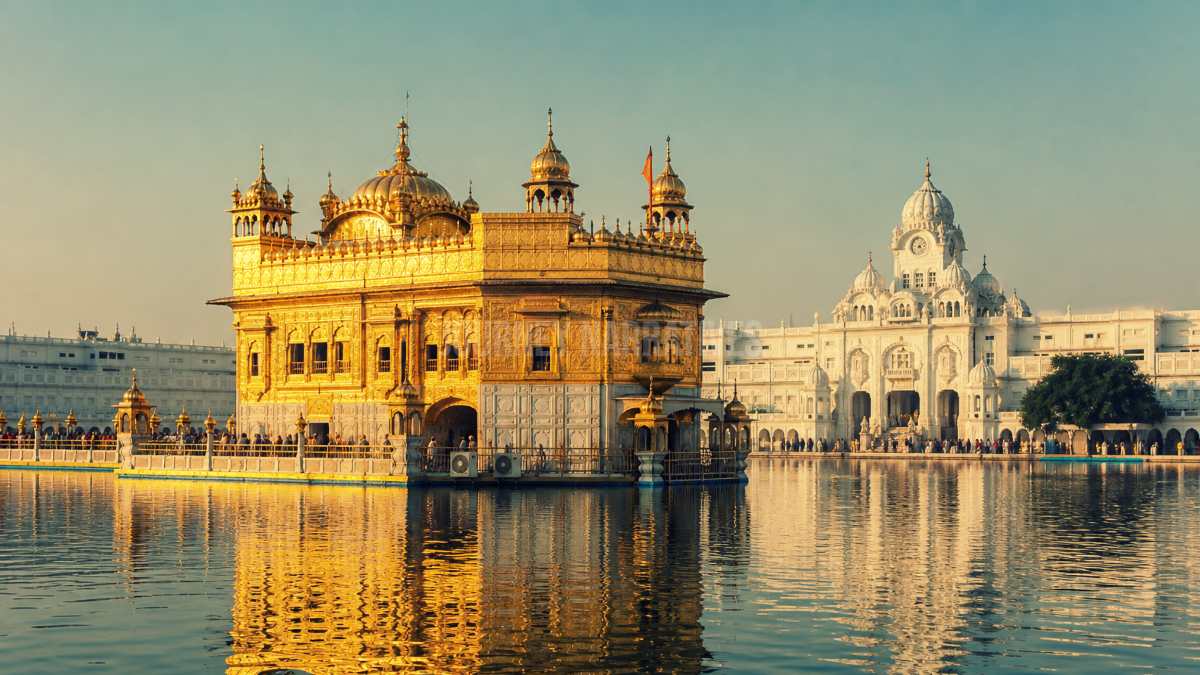
6 Soul-Stirring experiences in Amritsar That Reveal the Spiritual Heart of Sikhism
The historic city of Amritsar stands as one of the most important pilgrimage destinations in India. Known as the spiritual center of Sikhism, Amritsar attracts millions of pilgrims and travelers every year who come to experience its faith, traditions, and living heritage. Amritsar holds a special place among the sacred holy cities in India, representing devotion, equality, and community service. The city’s identity is deeply connected to its sacred shrine, cultural history, and the daily practices that continue to inspire visitors. This blog explores the most meaningful experiences that define Amritsar’s spiritual importance and explain why it remains essential to India’s pilgrimage landscape. 1. Experiencing the Peaceful Presence of the Golden Temple The sacred Golden Temple, also known as Harmandir Sahib, is the spiritual heart of Amritsar. Surrounded by a sacred water tank, the temple creates an atmosphere of calm and reflection. Visitors often spend time: This experience helps visitors understand the spiritual foundation of the city. 2. Witnessing the Tradition of Community Service at the Langar One of the most meaningful aspects of visiting the Golden Temple is the Langar, a community kitchen that serves free meals to everyone. Thousands of people eat here daily, regardless of religion, nationality, or background. This tradition reflects Sikh values of: Visitors can also volunteer, making the experience more personal and memorable. 3. Walking Through the Sacred Complex and Understanding Its Symbolism The temple complex includes prayer halls, walkways, and gathering spaces designed for spiritual reflection. Walking barefoot through the complex allows visitors to experience the environment respectfully. The simplicity of the space reflects the spiritual philosophy of Sikhism. 4. Exploring the Historic Streets Around the Golden Temple The old streets of Amritsar surrounding the shrine provide insight into the city’s living culture. These streets include: This area shows how faith and daily life remain closely connected. 5. Visiting Jallianwala Bagh and Understanding the City’s History Located near the Golden Temple, Jallianwala Bagh is an important historical site. It reminds visitors of India’s struggle for independence and adds historical depth to the visit. This connection between spiritual and national history makes Amritsar unique. 6. Experiencing the Spiritual Atmosphere During Early Morning or Night Many visitors consider early morning or late evening the most meaningful times to visit the Golden Temple. During these hours, the atmosphere feels quieter and more reflective. The illuminated temple at night creates one of the most memorable sights in India. Why Amritsar Is Important Among Sacred Holy Cities in India Amritsar represents the spiritual foundation of Sikhism and the values that define it. The city offers visitors an opportunity to understand: Its spiritual importance and living traditions make it one of the most meaningful pilgrimage destinations in the country. As one of the sacred holy cities in India, Amritsar continues to inspire visitors through its message of equality, devotion, and shared humanity. Visitor Information Location: Amritsar, PunjabState: PunjabBest time to visit: October to MarchDress code: Modest clothing, head covering required inside Golden TempleTime required: Half day to full day You can explore more destinations like this in the complete guide to sacred holy cities in India.
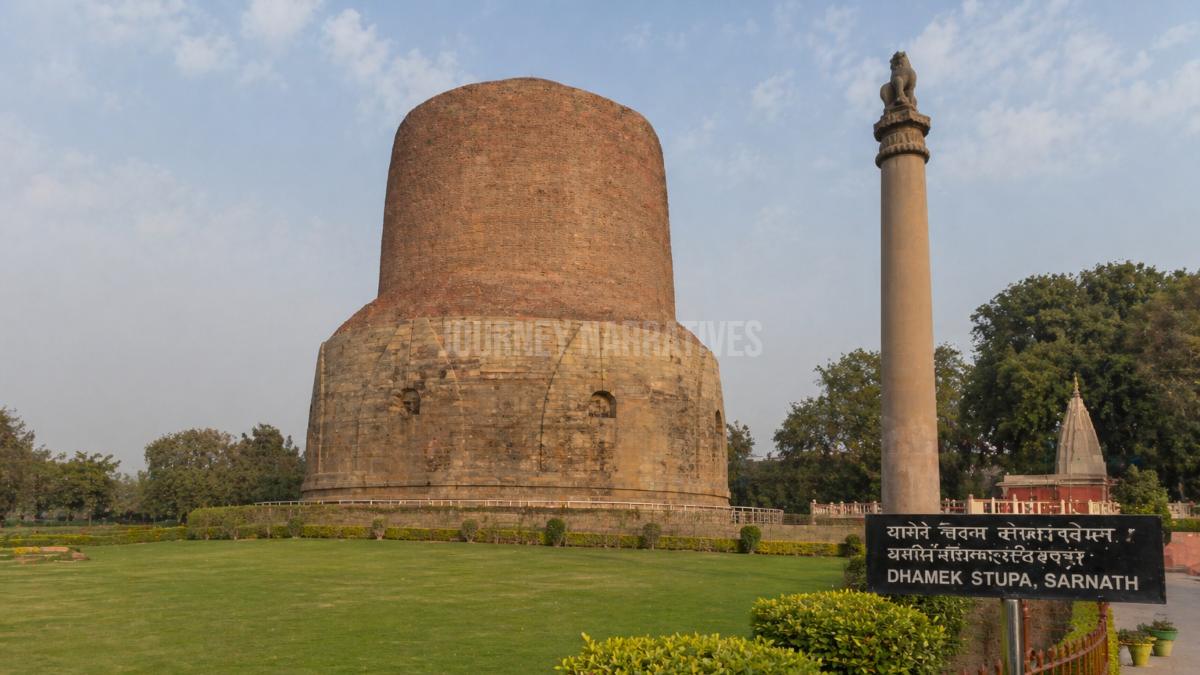
Sarnath: 7 Extraordinary Sacred Sites That Define India’s Buddhist Heritage
Sarnath Sacred Sites represent the birthplace of the Buddhist teaching tradition. Located just a few kilometers from Varanasi in Uttar Pradesh, Sarnath is where Gautama Buddha delivered his first sermon after attaining enlightenment in Bodh Gaya. This quiet town marks the moment when the “Wheel of Dharma” was set in motion — transforming a personal awakening into a global spiritual path. Sarnath is one of the most historically significant destinations featured in our guide to 11 Sacred Holy Cities in India That Define the Country’s Spiritual Soul. 1. Dhamek Stupa – The Symbol of the First Sermon The towering Dhamek Stupa stands at the exact spot where Buddha is believed to have delivered his first sermon to five disciples. Built in 500 CE (with earlier Mauryan foundations), its cylindrical structure and intricate carvings make it the most iconic monument among Sarnath Sacred Sites. 2. Chaukhandi Stupa – Where Buddha Met His Disciples This stupa marks the place where Buddha first met the five ascetics who later became his first followers. The structure reflects a blend of Buddhist and Mughal-era additions, symbolizing layers of history. 3. Mulagandha Kuti Vihar – Living Buddhist Devotion Built in the 20th century by the Mahabodhi Society, this modern monastery houses beautiful murals depicting Buddha’s life. Daily chanting and meditation sessions here offer visitors a deeply peaceful experience. 4. Ashoka Pillar – The Lion Capital of India Emperor Ashoka erected this pillar in the 3rd century BCE to commemorate the significance of Sarnath. The Lion Capital from this pillar later became the National Emblem of India — linking Sarnath’s spiritual heritage with the nation’s identity. 5. Sarnath Archaeological Museum – Preserving Ancient Treasures This museum houses original sculptures, relics, and the Lion Capital of Ashoka. It provides deeper historical context to the ruins scattered across the complex. 6. Thai Monastery – International Buddhist Presence Sarnath hosts monasteries built by various Buddhist nations. The Thai Monastery, with its golden Buddha statue and manicured gardens, reflects the global reach of Buddhism. 7. Deer Park – The Original Meditation Ground Known as the ancient Mrigadava (Deer Park), this serene green space is where Buddha taught the Four Noble Truths. Even today, the calm environment encourages reflection and silence. Why Sarnath Sacred Sites Matter in India’s Spiritual Landscape Sarnath represents the transition from enlightenment to teaching. If Bodh Gaya symbolizes awakening, Sarnath symbolizes sharing wisdom. Together, they form two pillars of Buddhist pilgrimage in India. Sarnath also reflects India’s role as the birthplace of a philosophy that spread across Asia and the world. Best Time to Visit How to Reach Sarnath in Today’s Spiritual Journey The Sarnath Sacred Sites continue to draw pilgrims, scholars, and mindful travelers from across the world. Beyond its ancient ruins, Sarnath remains a living center of Buddhist practice, reflection, and international dialogue. Whether you come seeking historical insight, quiet meditation spaces, or a deeper understanding of Buddhist philosophy, Sarnath offers an experience rooted in peace and intellectual clarity. For anyone tracing India’s spiritual geography, Sarnath stands not only as a monument of the past but as a continuing source of wisdom.
Shravanabelagola: 10 Sacred Landmarks That Reflect Jainism’s Profound Spiritual Legacy
Shravanabelagola Sacred Landmarks represent one of the most revered pilgrimage traditions in Jainism. Located in Karnataka’s Hassan district, this ancient town has served as a spiritual center for over a thousand years. Famous for its towering monolithic statue of Bahubali and hilltop Jain temples carved in stone, Shravanabelagola embodies the Jain principles of non-violence, renunciation, and liberation. Unlike bustling temple cities, its atmosphere is quiet, meditative, and deeply introspective. For devotees and heritage travelers alike, Shravanabelagola offers not grandeur — but spiritual gravity. 1. Gommateshwara statue – The Monument of Absolute Renunciation Standing 57 feet tall atop Vindhyagiri Hill, the statue of Bahubali (also known as Gommateshwara) is among the tallest free-standing monolithic statues in the world. Carved in 981 CE during the reign of the Western Ganga dynasty, the statue depicts Bahubali in deep meditation, vines wrapping around his legs — symbolizing his complete detachment from worldly distractions. It is not merely a sculpture; it is a philosophical statement carved in stone. 2. Vindhyagiri Hill – The Sacred Ascent Pilgrims climb over 600 granite steps barefoot to reach the summit of Vindhyagiri Hill. This physical ascent mirrors the spiritual climb toward moksha (liberation). The panoramic views from the top reinforce the sense of elevation — both literal and spiritual. 3. Chandragiri Hill – The Hill of Ancient Basadis Facing Vindhyagiri is Chandragiri Hill, home to several ancient Jain basadis (temples). Dating back to the 9th and 10th centuries, these temples preserve inscriptions, sculptures, and memorials of Jain monks and rulers who renounced royal life for spiritual pursuit. 4. Mahamastakabhisheka – The Grand Anointing Ceremony Held once every 12 years, Mahamastakabhisheka is a spectacular ritual where the Bahubali statue is ceremonially bathed with milk, saffron, sandalwood paste, turmeric, and flower petals. This rare event draws thousands of Jain devotees from India and abroad, reaffirming Shravanabelagola’s global spiritual importance. 5. Tyagada Kamba – The Pillar of Sacrifice This historic pillar symbolizes acts of renunciation and self-discipline central to Jain philosophy. It stands as a quiet but powerful reminder of spiritual surrender. 6. Akkana Basadi – Architectural Elegance Built in the 12th century, Akkana Basadi is known for its refined stone carvings and symmetrical design. Its simplicity reflects the Jain aesthetic — understated yet deeply meaningful. 7. Odegal Basadi – The Triple Shrine Odegal Basadi houses three sanctums dedicated to Jain Tirthankaras. Its massive stone slabs and fortified structure demonstrate early Dravidian architectural influences. 8. Kalyani Tank – The Sacred Water Reservoir The town derives its name from this large white pond (Belagola means “white pond” in Kannada). This serene water body adds balance to the granite landscape and enhances the town’s contemplative atmosphere. 9. Jain Inscriptions and Epigraphs – A Recorded Spiritual History Shravanabelagola contains some of the earliest Kannada and Sanskrit inscriptions in India. These records document royal patronage, monastic lineages, and historical accounts of spiritual renunciation. 10. The Living Jain Community – Tradition Beyond Stone Beyond monuments, Shravanabelagola remains a living pilgrimage center. Daily rituals, community gatherings, and monastic traditions continue to sustain its spiritual rhythm, ensuring that the town is not just preserved history — but active heritage. Why Shravanabelagola Sacred Landmarks Matter in India’s Religious Landscape Shravanabelagola represents the core of Jain philosophy — ahimsa (non-violence), aparigraha (non-attachment), and self-discipline. In a country known for grand temple architecture and elaborate rituals, Shravanabelagola stands apart through silence and restraint. It contributes a vital Jain dimension to India’s sacred geography. Best Time to Visit How to Reach Shravanabelagola is one of the most significant Jain pilgrimage cities featured in our guide to 11 Sacred Holy Cities in India That Define the Country’s Spiritual Soul. Shravanabelagola in Today’s Spiritual Journey The Shravanabelagola Sacred Landmarks continue to inspire both pilgrims and heritage travelers seeking depth beyond ornamentation. Here, devotion is expressed not through grandeur but through discipline, silence, and ascent. It remains one of India’s most meaningful Jain pilgrimage destinations — quietly powerful and spiritually enduring.
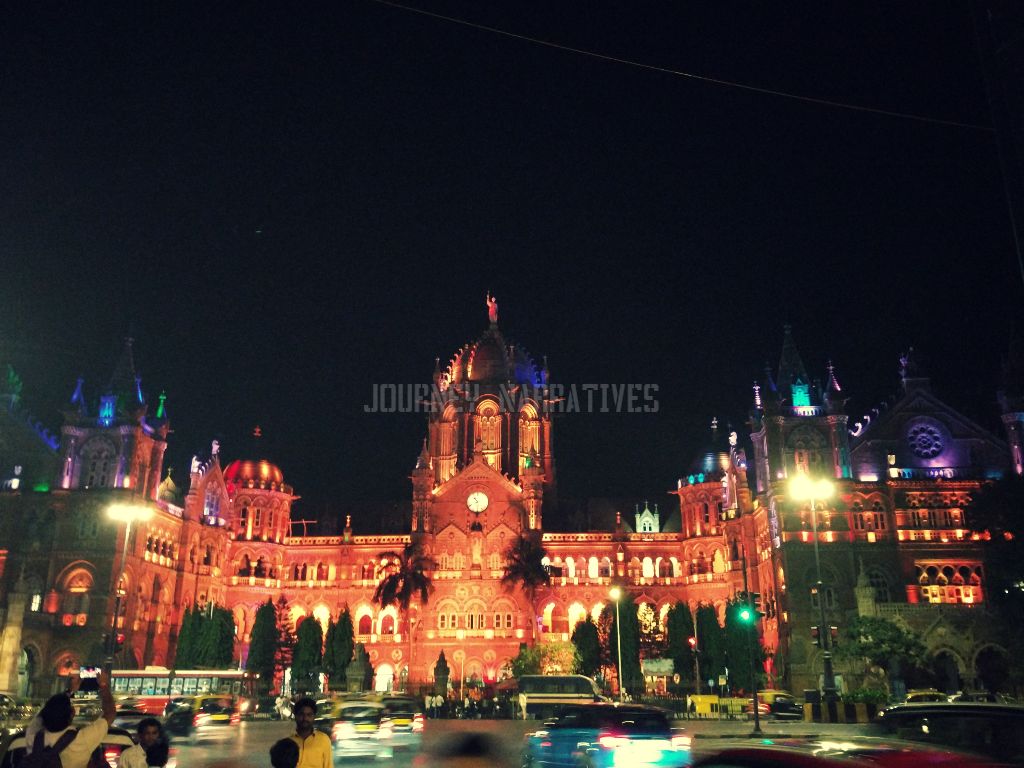
CST Mumbai: 10 Remarkable Architectural Features That Make It a UNESCO Masterpiece
CST Mumbai, officially known as Chhatrapati Shivaji Maharaj Terminus, is one of India’s most extraordinary architectural landmarks. Declared a UNESCO World Heritage Site in 2004, this iconic railway terminus is not merely a transport hub — it is a living monument that blends art, engineering, and history. Constructed in 1887 to commemorate Queen Victoria’s Golden Jubilee, the building was originally named Victoria Terminus. Today, it stands as a symbol of Mumbai’s evolution — from colonial port city to India’s financial capital. Unlike many heritage sites preserved as silent relics, CST Mumbai continues to pulse with life, serving millions of passengers every day while retaining its 19th-century grandeur. Let’s explore the 10 remarkable features that make this monument unforgettable. 1. A Grand Victorian Gothic Revival Design Designed by British architect Frederick William Stevens, CST Mumbai represents High Victorian Gothic Revival architecture. The design draws inspiration from medieval Italian cathedrals while incorporating Indian decorative elements. Pointed arches, steep roofs, flying buttresses, and ornamental turrets give the building a cathedral-like presence — unusual yet magnificent for a railway station. 2. The Central Octagonal Dome The imposing ribbed dome forms the visual crown of the structure. Atop the dome stands a statue symbolizing “Progress,” holding a torch in one hand and a wheel in the other — representing enlightenment and industrial advancement. This symbolic sculpture reinforces the importance of railways in shaping colonial India’s infrastructure. 3. A Fusion of European and Indian Craftsmanship What makes CST Mumbai especially fascinating is its Indo-Saracenic influence. While the structural planning follows British Gothic traditions, Indian artisans executed intricate carvings featuring peacocks, lions, monkeys, and floral motifs. This fusion gives the monument a distinct identity — neither purely British nor entirely Indian. 4. Intricate Stone Carvings and Gargoyles The exterior façade is adorned with grotesques, gargoyles, and mythical figures — typical of Gothic structures. Yet here, they are interwoven with Indian symbolism. The detailed carvings reflect extraordinary craftsmanship and reveal how local artisans adapted European forms into regional artistry. 5. Stained Glass and Decorative Interiors Inside CST Mumbai, stained glass windows filter sunlight into vibrant colors. The grand staircase, ornamental railings, tiled floors, and high vaulted ceilings give the interiors a palace-like elegance. Even today, stepping inside feels like entering a historic cathedral rather than a railway station. 6. Symmetry and Structural Balance The building’s symmetrical façade and central axis create visual harmony. The balance between horizontal wings and vertical towers demonstrates advanced engineering precision for its time. This architectural discipline contributes significantly to its UNESCO recognition. 7. Use of Local and Imported Materials CST Mumbai was constructed using a combination of Italian marble, Indian sandstone, and limestone. The use of local materials alongside imported elements reflects both practicality and prestige. The durable construction has allowed the structure to withstand more than a century of heavy use. 8. A Functional Heritage Landmark Unlike monuments preserved solely for tourism, CST Mumbai remains the headquarters of Central Railway and one of India’s busiest railway stations. This dual identity — operational infrastructure and protected heritage — makes it uniquely dynamic. 9. Illumination That Transforms the Structure During evenings and national celebrations, the monument is beautifully illuminated. The lighting highlights its arches, dome, and sculptures, creating a dramatic skyline silhouette. For photographers, this is one of Mumbai’s most striking night landmarks. 10. Symbol of Mumbai’s Identity CST Mumbai is more than architecture — it is woven into the city’s emotional and cultural fabric. For millions, it represents daily journeys, ambition, resilience, and the unstoppable rhythm of Mumbai life. Few monuments in India combine artistic grandeur and everyday significance so seamlessly. Historical Context and Colonial Legacy Built during British rule, CST Mumbai symbolized the expansion of railway networks across the subcontinent. Railways connected ports, trade centers, and inland territories, accelerating economic growth. While the building reflects colonial influence, it also represents Indian craftsmanship and adaptation. Today, its renaming honors Chhatrapati Shivaji Maharaj, reflecting post-independence identity reclamation. Best Time to Visit CST Mumbai As it is an active railway station, interior access may be limited in certain sections. Why CST Mumbai Deserves Global Recognition CST Mumbai is not just architecturally impressive — it represents a moment in global industrial history when railways reshaped societies. It stands among India’s most celebrated UNESCO landmarks and forms part of our carefully curated guide to the 42 Most Beautiful World Heritage Sites in India, where you can explore other extraordinary heritage destinations across the country. A Legacy That Continues to Inspire CST Mumbai proves that heritage does not have to be frozen in time. It can evolve, function, and remain deeply relevant while preserving its artistic soul. In the constant movement of trains and commuters, this grand monument continues to tell a story — one of design brilliance, cultural fusion, and enduring legacy.
Travel Essentials Checklist: 25 Things Every Traveller Needs for a Smart and Stress-Free Trip
Packing the right travel essentials can make the difference between a smooth, enjoyable journey and a stressful experience. Whether you’re travelling domestically or internationally, having reliable travel tools helps you stay organised, connected, comfortable, and prepared for any situation. This travel essentials checklist covers the most important items every traveller should pack. It also includes practical travel tools that improve convenience, safety, and efficiency. As you prepare for your trip, use this guide to make sure you don’t miss anything important. Travel Documents and Essentials These are the most critical items for any trip. 1. Passport and ID Your passport is your most important travel document for international trips. Always carry a digital and physical copy for backup. 2. Travel Wallet A travel wallet helps organise: This reduces the risk of losing important documents. Travel Bags and Organisation Tools Packing smart makes your journey easier. 3. Travel Backpack A reliable backpack is essential for carrying daily travel items. Brands like Samsonite and American Tourister offer durable options suitable for frequent travellers. 4. Packing Cubes Packing cubes help organise clothes and maximise luggage space. They also make unpacking easier. 5. Laundry Bag Keeps dirty clothes separate from clean ones. A simple but useful travel essential. Travel Electronics and Tech Essentials Technology plays a major role in modern travel. 6. Power Bank A high-capacity power bank keeps your phone charged during long travel days. Reliable brands like Anker are widely used by travellers. 7. Universal Travel Adapter A universal adapter is essential for international travel. Different countries use different plug types. 8. Charging Cable Organiser Prevents cable damage and keeps electronics organised. 9. Noise-Cancelling Headphones Noise-cancelling headphones improve comfort during flights and train journeys. Brands like JBL and Sony offer excellent travel-friendly options. Comfort and Convenience Essentials These items improve travel comfort. 10. Neck Pillow Helps you rest comfortably during long journeys. 11. Reusable Water Bottle Staying hydrated is important during travel. Reusable bottles are convenient and eco-friendly. 12. Eye Mask and Earplugs Improves sleep quality during flights. Safety Essentials Travel safety should never be ignored. 13. TSA-Approved Locks Protects your luggage from theft. 14. Anti-Theft Backpack or Bag Provides additional security. 15. Travel Insurance Travel insurance protects you from unexpected situations. Health and Personal Essentials Important for comfort and hygiene. 16. Basic First Aid Kit Include: 17. Hand Sanitiser Helps maintain hygiene while travelling. 18. Toiletry Kit Carry essential personal care items. Smart Travel Convenience Tools These tools make travel easier. 19. Phone Holder or Stand Useful during flights and transit. 20. Offline Maps App Helps with navigation when internet is unavailable. 21. Luggage Tags Helps identify your luggage easily. Clothing Essentials Pack according to your destination. 22. Comfortable Walking Shoes Essential for exploring destinations. 23. Weather-Appropriate Clothing Check destination weather before packing. 24. Lightweight Jacket Useful even in warm destinations. 25. Daypack for Daily Use Useful for sightseeing and daily travel. How This Checklist Helps You Travel Better These travel essentials help you: Having the right tools makes travel easier and more enjoyable. For more useful tools, apps, and planning resources, explore our complete Travel Tools & Resources guide to help you prepare smarter for your trips. Travel Essentials Checklist: Quick Summary Before You Travel Packing smart is one of the most important parts of travel planning. With the right travel essentials, you can avoid common problems and enjoy a smooth, comfortable journey. Use this checklist as your foundation and build your travel gear based on your destination and travel style. As you gain travel experience, you’ll discover which tools work best for you.
Authentic Tea and Coffee Plantations in India That Reveal Local Life and Beverage Culture
Tea and coffee plantations in India are far more than scenic agricultural landscapes. Across the country, these plantations sustain rural livelihoods, shape regional identities, and preserve beverage traditions that have become part of everyday life. From mist-covered tea gardens in the Himalayas to shaded coffee estates in the Western Ghats, plantation regions offer a unique window into how agriculture, culture, and community life remain deeply connected. Exploring tea and coffee plantations in India reveals stories of farming traditions, seasonal harvests, and communities whose daily routines revolve around cultivating these beloved beverages. Generations of workers, growers, and traders have built local economies and social networks around tea leaves and coffee beans, making plantations vital cultural landscapes as well as important agricultural centers. For travelers and food enthusiasts alike, visiting these regions offers an opportunity to understand how India’s tea and coffee traditions continue to shape both local life and global beverage culture. The Cultural Importance of Tea Plantations in India Tea cultivation has been part of India’s agricultural landscape for centuries, particularly in regions where climate and altitude create ideal growing conditions. Today, tea estates stretch across the hills of Assam, Darjeeling, and the Nilgiri mountains, forming vibrant communities centered around plantation life. Tea plantations are not just places where leaves are grown and harvested. They are complex social ecosystems where workers live, families grow, and traditions develop over generations. Daily routines—from plucking tea leaves in the morning to processing them in nearby factories—have become integral parts of local identity. Many plantation regions also support surrounding markets, transport networks, and small businesses that rely on tea production. These interconnected systems highlight how tea cultivation continues to sustain both livelihoods and cultural heritage. To explore some of the most significant estates shaping this heritage, see our guide to 10 Iconic Tea Plantations in India That Sustain Local Life and Tea Culture. Coffee Plantations and Local Life in Southern India While tea dominates the northern hills, coffee plantations thrive across the southern landscapes of India. Regions such as Karnataka, Kerala, and parts of Andhra Pradesh have long cultivated coffee under shaded forests and fertile mountain slopes. Coffee estates often combine agriculture with ecological balance, growing beans alongside spices, fruit trees, and forest vegetation. This integrated approach has helped plantation communities maintain sustainable farming practices while protecting biodiversity. Beyond agriculture, coffee plantations contribute to vibrant local cultures. Estate workers, traders, and nearby villages share strong connections to coffee cultivation, which influences regional cuisines, hospitality traditions, and everyday social life. You can discover these landscapes in more detail in 10 Iconic Coffee Plantations in India That Sustain Local Coffee Traditions. Tea and Coffee Plantations in India: Landscapes That Connect Food, Work, and Community The story of tea and coffee plantations in India is ultimately a story of people. Plantation workers, small farmers, estate managers, and traders all contribute to the journey that transforms leaves and beans into beverages enjoyed around the world. These landscapes also influence local food traditions. Plantation regions often develop unique culinary cultures shaped by agricultural cycles, worker communities, and regional ingredients. From simple meals shared during harvest seasons to bustling local markets supplying plantation towns, food and farming remain deeply intertwined. For visitors, plantations offer more than scenic views—they provide an opportunity to witness how everyday labor, cultural heritage, and agricultural knowledge come together to sustain local communities. Visiting Plantation Regions in India Travelers exploring plantation regions can experience a different rhythm of life compared to large cities. Early morning harvests, mist-covered hills, and quiet estate villages reveal the slow but steady pace of agricultural life. Many plantations today welcome visitors through guided tours, heritage stays, and tasting experiences that introduce travelers to the craft behind tea and coffee production. These visits often highlight the skill and dedication required to cultivate high-quality leaves and beans. Beyond tourism, such experiences help travelers appreciate the communities that maintain these traditions and ensure that plantation culture continues to thrive. When Plantations Sustain Traditions and Local Life Tea and coffee are among the most widely consumed beverages in the world, yet their origins remain deeply rooted in the landscapes and communities that cultivate them. Across India, plantation regions demonstrate how agriculture can shape culture, livelihoods, and regional identity. From the tea gardens of the Himalayas to the coffee estates of the Western Ghats, tea and coffee plantations in India continue to sustain local economies while preserving traditions passed down through generations. These landscapes remind us that every cup of tea or coffee carries the story of the people and places that nurture it. Exploring these regions offers not only a deeper appreciation for the beverages themselves, but also a meaningful connection to the communities whose lives revolve around them. Plantation regions reveal how agriculture, food traditions, and community life remain deeply connected—an idea explored further in our guide to Food and Local Life.
8 Essential Travel Documents for International Travel Every Smart Traveler Should Know
Traveling to another country involves more preparation than simply booking flights and packing luggage. Travel documents for international travel are one of the most important things travelers must prepare before leaving home. Different countries have their own immigration procedures, visa policies, and entry regulations. Missing or incorrect documents can sometimes lead to denied boarding, long delays at airports, or complications at border checkpoints. Understanding the essential documents and entry rules before departure helps travelers avoid unnecessary stress and ensures a smoother journey from departure to arrival. 1. A Valid Passport A passport is the most important document required for international travel. It acts as official identification when entering or leaving another country. Many countries require passports to remain valid for at least six months beyond the planned travel dates. Some destinations may also require a minimum number of blank pages for immigration stamps or visas. Before planning an international trip, travelers should always check: Travelers who are unsure about passport requirements can learn more in this guide:7 Important Passport Rules Every International Traveler Should Know 2. Tourist Visa Requirements Depending on the destination, travelers may need a tourist visa before entering another country. A visa grants official permission to visit a country for tourism or short-term stays. There are several common visa types travelers encounter: Visa requirements can vary widely depending on nationality and destination, so checking official government websites before booking travel is always recommended. You can explore this topic in more detail here:6 Important Tourist Visa Rules Travelers Should Know Before Visiting Another Country 3. Immigration Questions Travelers Should Expect After arriving at an international airport, travelers usually pass through immigration control. Immigration officers may ask a few standard questions to confirm the purpose of the visit. Common questions include: Being prepared with clear answers and supporting documents can make the immigration process much smoother. For a deeper look at what travelers may encounter, see:7 Common Immigration Questions Travelers Should Be Ready to Answer 4. Proof of Accommodation Many countries require travelers to provide proof of where they will stay during their visit. Immigration officials may request confirmation of accommodation when entering the country. Examples include: Keeping digital copies or printed confirmations of accommodation details can help avoid unnecessary delays. 5. Return or Onward Travel Tickets Some countries require visitors to show proof that they will leave the country within the permitted period of stay. Airlines or immigration officers may ask for: This rule helps authorities confirm that travelers do not plan to overstay their visa or entry permission. 6. Health and Vaccination Certificates Certain destinations require travelers to present vaccination certificates or health documentation before entry. Depending on the country, travelers may need: These requirements can vary depending on international health regulations, so checking official travel advisories before departure is always helpful. 7. Customs Declarations After clearing immigration, travelers usually proceed to customs inspection. Customs authorities monitor goods entering the country and ensure travelers follow import regulations. Common items that may need to be declared include: Understanding these rules can prevent fines or confiscation of restricted items. You can learn more here:5 Important Customs Rules Travelers Should Know Before Entering Another Country 8. Organizing Travel Documents for International Travel Keeping travel documents for international travel organized before departure can make the entire journey much easier. Travelers often carry documents such as: Many travelers keep both digital and printed copies of important documents to avoid problems if something is misplaced during the trip. Preparing for International Travel International travel regulations vary from country to country, but preparing the right documents in advance helps ensure a smoother journey. Checking passport validity, confirming visa requirements, and understanding entry procedures are simple steps that can prevent unnecessary complications. Once your travel documents are ready, it is also helpful to organize the essential items you will carry during the trip. Our guide Travel Essentials Checklist: 25 Things Every Traveler Needs for a Smart and Stress-Free Trip highlights practical items travelers often pack before international journeys. With the right preparation, travelers can focus less on paperwork and more on enjoying the experience of exploring new destinations around the world. If you’re planning an international trip, you may also find our Travel Tools & Resources page helpful, where we share useful apps, booking platforms, and travel gadgets that make trip planning easier.
Delhi Beyond Monuments: 9 Hidden Places Locals Love but Tourists Miss
When people think of Delhi beyond monuments, the same images usually pop up — India Gate, Red Fort, Qutub Minar, Lotus Temple. Iconic? Absolutely. But if you ask a local what really defines Delhi, they’ll probably smile and say, “That’s not even half of it.” Delhi isn’t just a city of monuments — it’s a city of quiet ruins hidden behind trees, forest trails inside city limits, calm parks where locals spend slow afternoons, and neighbourhoods that never make it to tourist itineraries. If you want to experience Delhi beyond monuments, here are places locals genuinely love — and most tourists completely miss. Exploring lesser-known spots in Delhi helps travellers understand the layered experiences found across India. 1. Mehrauli Archaeological Park – History Without Crowds Tucked away next to the Qutub Minar complex, Mehrauli Archaeological Park is one of Delhi’s most underrated heritage spaces. Spread across 200 acres, it’s filled with tombs, stepwells, mosques, and ruins from multiple dynasties — yet remains largely uncrowded. Locals come here for morning walks, photography, or just to sit quietly among centuries-old structures. Why locals love it: 2. Sanjay Van – Delhi’s Unexpected Forest Yes, Delhi has an actual forest. Sanjay Van, near Vasant Kunj, is a sprawling green zone with walking trails, rocky terrain, and dense trees. It feels miles away from city chaos, even though it’s right in South Delhi. Early mornings and late evenings are when locals come here — for walks, meditation, or just silence. Why locals love it: 3. Sundar Nursery – Where Delhi Slows Down Often overshadowed by Lodhi Garden, Sundar Nursery is a beautifully restored heritage park near Humayun’s Tomb. With Mughal-era structures, flower gardens, water channels, and shaded benches, it’s a favourite among families and couples. Locals treat it as a weekend escape — without leaving the city. Why locals love it: 4. Agrasen ki Baoli (Early Morning Only) You might have seen Agrasen ki Baoli on Instagram, but locals know the real secret — visit early in the morning. Before crowds arrive, this stepwell feels almost meditative. The stone steps, symmetry, and silence create a completely different experience. Why locals love it: 5. Champa Gali – Delhi’s Creative Corner Hidden in Saidulajab village near Saket, Champa Gali is a small lane packed with cafés, bookstores, design studios, and slow vibes. It’s not flashy. It’s not loud. And that’s exactly why locals go there. Why locals love it: 6. Feroz Shah Kotla Ruins – Layers of Belief & History This isn’t your typical monument visit. The Feroz Shah Kotla complex is a mix of ancient ruins and living faith. Locals visit especially on Thursdays to write letters to djinns, believing their wishes will be heard. It’s raw, emotional, and deeply human. Why locals love it: 7. Majnu ka Tila – A Slice of Tibetan Culture While many tourists rush to markets like Sarojini or Janpath, locals head to Majnu ka Tila for peaceful cafés, monasteries, and Tibetan food. Walk its lanes slowly, sip butter tea, and you’ll forget you’re still in Delhi. Why locals love it: 8. Japanese Park, Rohini – North Delhi’s Calm Escape Located in Rohini, this park is massive, clean, and surprisingly quiet. Families, joggers, and solo walkers frequent it, especially in the evenings. It rarely appears on tourist lists — which is exactly why locals enjoy it. Why locals love it: 9. Lodhi Colony Street Art (Not Lodhi Garden) Skip Lodhi Garden for once and explore Lodhi Colony’s street art district. Entire walls here are painted by artists from around the world, turning government housing into an open-air gallery. Locals love strolling here with a camera and coffee. Why locals love it: Local experiences in Delhi reflect the depth of culture present in many destinations across Asia. Seeing the Real Delhi Beyond Monuments To truly experience Delhi beyond monuments, you need to slow down. Walk more. Observe more. Visit places without entry tickets or Instagram hype. These are the spaces where Delhi breathes — where history, culture, nature, and everyday life quietly coexist. If you’re planning a longer trip, explore our complete Delhi travel guide to discover monuments, neighbourhoods, and local experiences across the city. Have you explored any offbeat places in Delhi that left a lasting impression? Share your experience — every hidden corner has a story.