
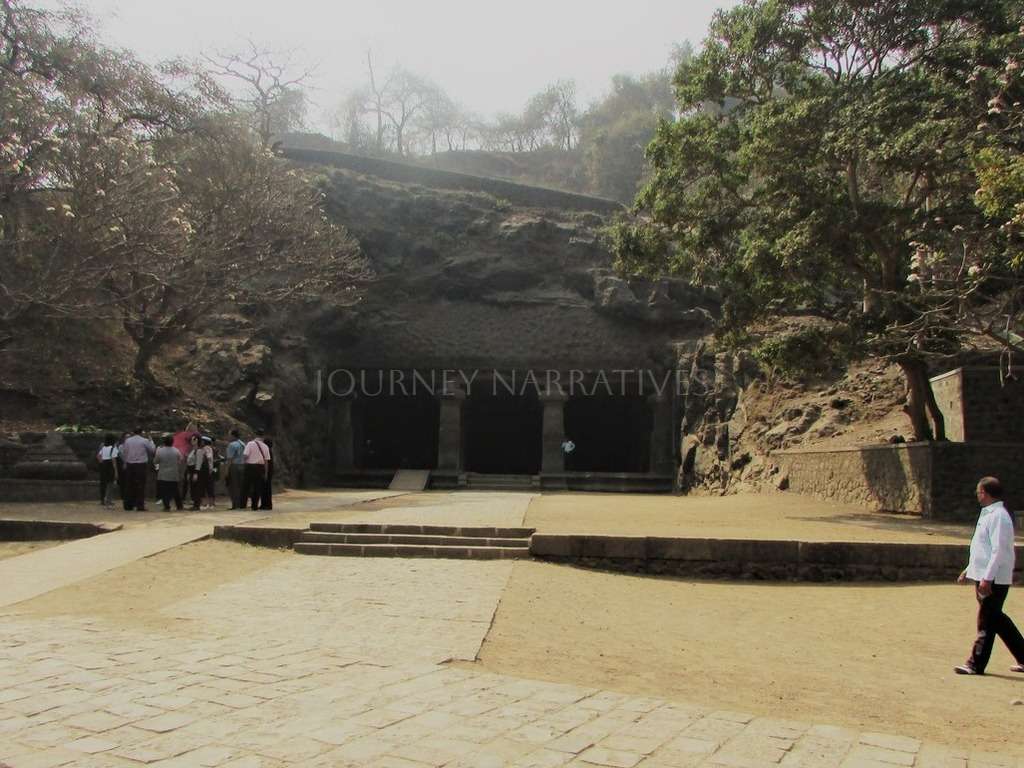
Elephanta Caves Mumbai is one of the city’s most fascinating heritage sites, yet many travelers visit without fully understanding its deeper significance. Located on Elephanta Island in the Arabian Sea, these ancient rock-cut caves hold stories, sculptures, and mysteries that date back over a thousand years. Recognized as a UNESCO World Heritage Site, Elephanta Caves Mumbai offers more than just a sightseeing trip — it offers a journey into India’s artistic and spiritual past. From massive stone carvings to surprising historical details, here are 6 surprising facts most travelers don’t know. The Elephanta Caves are proudly featured in our comprehensive guide to the 42 Most Beautiful World Heritage Sites in India, where you can discover more extraordinary heritage landmarks across the country. 1. The Island Was Not Originally Called Elephanta The name “Elephanta” was actually given by the Portuguese when they arrived here in the 16th century. They found a large stone elephant statue near the shore, which inspired the name. Interestingly, the original name of the island is Gharapuri, meaning “village of caves.” The famous elephant statue is now preserved at the Dr. Bhau Daji Lad Museum in Mumbai. 2. The Famous Trimurti Sculpture Is the Highlight of Elephanta Caves Mumbai One of the most breathtaking features of Elephanta Caves Mumbai is the massive Trimurti sculpture. Standing about 20 feet tall, it represents three forms of Lord Shiva — the creator, preserver, and destroyer. This sculpture is not just art; it reflects deep spiritual symbolism and incredible craftsmanship that has survived centuries. For many visitors, seeing this masterpiece alone makes the trip worthwhile. 3. The Caves Were Carved Entirely Out of Solid Rock It’s hard to imagine, but these caves were not built using bricks or blocks. Instead, they were carved directly out of a single basalt rock hill. This process required immense skill, patience, and planning. Every pillar, wall, and sculpture was shaped manually, making it an extraordinary engineering achievement of ancient India. 4. Elephanta Caves Mumbai Is a UNESCO World Heritage Site In 1987, UNESCO recognized Elephanta Caves Mumbai as a World Heritage Site due to its cultural and historical importance. This recognition helped preserve the caves and brought global attention to their artistic value. Today, they stand proudly as one of Maharashtra’s most treasured landmarks. If you’re exploring more such historic destinations, don’t miss our Maharashtra Travel Guide, where you’ll find forts, caves, and hidden gems across the state. 5. You Need to Take a Scenic Ferry Ride to Reach the Island One of the most enjoyable parts of visiting Elephanta Caves is the ferry journey from the iconic Gateway of India. The ferry ride takes about an hour and offers beautiful views of Mumbai’s skyline and the open sea. This experience itself adds a sense of adventure to the visit. It’s not just a destination — it’s a complete experience. 6. The Caves Are Dedicated Mainly to Lord Shiva Unlike some cave complexes that include multiple religious influences, the main caves here are primarily dedicated to Lord Shiva. You’ll find detailed carvings depicting various forms and stories associated with Shiva, making it an important spiritual site for devotees and history lovers alike. Best Time to Visit Elephanta Caves Mumbai Morning visits are ideal for a relaxed experience. How to Reach Elephanta Caves Mumbai Total travel time: Around 1–1.5 hours by ferry. Why Elephanta Caves Mumbai Is Worth Visiting Elephanta Caves Mumbai is more than just a tourist attraction — it’s a timeless reminder of India’s artistic brilliance and spiritual depth. From the iconic Trimurti sculpture to the unique island setting, every part of the experience feels memorable. Whether you love history, architecture, or simply exploring meaningful places, this destination truly deserves a place on your Mumbai itinerary. And if you’re planning to explore more destinations like this, make sure to check our Maharashtra Travel Guide for inspiration across the state.
St. Mary’s Island: 7 Stunning Natural Formations That Will Amaze You
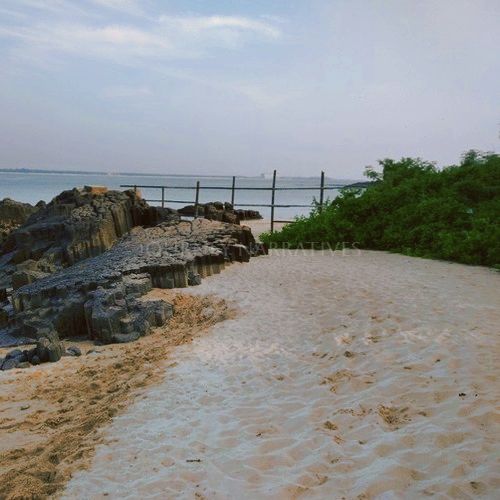
Off the coast of Karnataka, just a short ferry ride from Malpe near Udupi, lies St. Mary’s Island, a rare geological marvel and one of the standout destinations featured in Coastal Landscapes: 7 Breathtaking Natural Shores That Feel Wildly Refreshing. Known for its striking basalt columns, crystal-clear waters, and untouched coastal beauty, the island is a protected natural heritage site and a must-visit destination for nature lovers, geologists, photographers, and eco-tourists. What makes St. Mary’s Island truly exceptional is not just its scenic appeal, but the unique volcanic formations that are millions of years old. Here are seven stunning natural formations that make this island an outdoor wonder worth exploring. 1. Hexagonal Basalt Columns The most iconic feature of St. Mary’s Island is its hexagonal basalt rock formations. These geometric columns were formed by volcanic lava flows that cooled and contracted over time, creating near-perfect hexagonal shapes. Such formations are extremely rare and are comparable to the famous Giant’s Causeway in Northern Ireland. These columns stand as a testament to ancient volcanic activity and are a key reason the island is protected by the Geological Survey of India. 2. Columnar Lava Structures Beyond hexagons, the island features tall columnar basalt formations arranged vertically and diagonally along the shore. These structures look sculpted, almost architectural, yet they are entirely natural. The repetitive symmetry of the columns creates dramatic visual patterns, making them a favorite subject for landscape photography. 3. Volcanic Rock Beds Large stretches of the island are covered with flat volcanic rock beds, formed by solidified lava that spread evenly before cooling. These rock platforms offer a clear view of the island’s geological layers and allow visitors to observe textures shaped by time, wind, and sea erosion. 4. Coral-Sand Beaches Unlike typical golden beaches, St. Mary’s Island features white coral sand, formed from centuries of broken coral fragments. This gives the shoreline a bright, clean appearance and enhances the turquoise color of the surrounding sea. The contrast between white sand and dark basalt rocks makes the island visually striking. 5. Natural Rock Pools Scattered across the rocky shoreline are natural tidal pools created by uneven rock surfaces and wave action. These pools collect seawater during high tide and often host small marine life, offering a glimpse into the island’s coastal ecosystem without disturbing it. 6. Erosion-Shaped Rock Patterns Constant exposure to wind, waves, and salt has carved the rocks into organic, abstract shapes over thousands of years. These erosion patterns add character to the island’s landscape and highlight the ongoing interaction between land and sea. 7. Undisturbed Coastal Ecosystem One of the island’s most valuable natural features is its largely untouched environment. With no permanent human settlement, limited infrastructure, and regulated tourism, St. Mary’s Island supports native coastal vegetation and seabird activity, making it an important ecological zone. Why St. Mary’s Island Is Geologically Significant St. Mary’s Island dates back to around 88 million years ago, linked to volcanic activity that occurred when the Indian subcontinent separated from Madagascar. This makes the island not just a tourist destination, but a living geological record of Earth’s tectonic history. Because of its scientific importance, collecting rocks or damaging formations is strictly prohibited. This unique volcanic history places St. Mary’s Island among India’s most remarkable coastal formations, alongside other shores where geology and ocean forces shape dramatically refreshing coastal landscapes. Conservation Status and Visitor Guidelines St. Mary’s Island is designated as a protected geological heritage site, with conservation measures in place to preserve its rare rock formations and fragile coastal ecosystem. Visitor access is regulated, and activities such as collecting stones, damaging rock structures, or disturbing marine life are strictly prohibited. These guidelines are essential to maintaining the island’s scientific and ecological value, ensuring that natural erosion processes and biodiversity remain undisturbed. Responsible tourism plays a key role in protecting the island so it can continue to serve as both a natural landmark and an educational site for future generations. Best Time to Visit Responsible Travel Tips To ensure peace of mind while traveling or living abroad, we recommend getting health insurance. SafetyWing’s Essential plan covers travel and medical emergencies with options for adventure sports and electronics theft. Their Complete plan offers comprehensive health coverage with routine healthcare, mental health support, and maternity, anywhere in the world, including in your home country, on top of all Essential benefits. A Living Record of Earth’s History St. Mary’s Island is more than a scenic getaway—it is a natural open-air museum of volcanic geology. Its rare basalt formations, pristine beaches, and protected ecosystem make it one of India’s most remarkable nature destinations. For travelers interested in landscapes shaped by time, science, and nature, this island offers an experience that is both visually stunning and intellectually enriching.
Is Kaldurg Fort, Palghar Worth Visiting? 8 Honest Reasons You’ll Love It
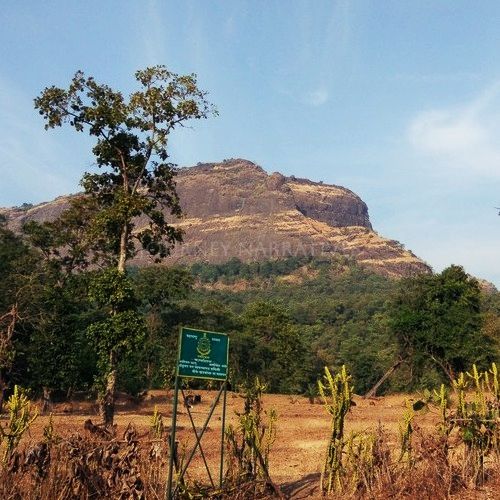
Kaldurg Fort, Palghar is one of those quiet escapes in Maharashtra that doesn’t scream for attention — and maybe that’s exactly why it’s special. If you’ve been wondering whether this lesser-known hill fort near Palghar deserves a place on your weekend list, the answer might pleasantly surprise you. Located near Palghar in Maharashtra, Kaldurg Fort offers sweeping views, a peaceful trekking experience, and just the right dose of adventure without overwhelming difficulty. Whether you’re a beginner trekker or someone craving a refreshing break from city chaos, this fort has its own understated charm. While planning your visit to Kaldurg Fort, explore more city insights in our Mumbai Travel Guide. So, is Kaldurg Fort worth visiting? Here are 8 honest reasons you’ll love it. 1. A Refreshing Weekend Escape Near Mumbai If you’re based in Mumbai or nearby towns, Kaldurg Fort makes for a quick and easy getaway. Unlike crowded hotspots like Lohagad Fort or Rajmachi Fort, this fort remains relatively less commercialized. That means fewer crowds, cleaner surroundings, and more time to simply breathe. 2. Beginner-Friendly Trek with Moderate Thrill One of the biggest reasons people love Kaldurg Fort is that the trek is not too demanding. The trail is straightforward, making it ideal for beginners or families with older children. At the same time, the rocky patches and gradual ascent give you just enough challenge to make the climb satisfying. 3. Breathtaking 360-Degree Views Once you reach the top, the view is your reward. On clear days, you can see the Arabian Sea in the distance along with lush green fields and scattered villages. During monsoon and post-monsoon months, the landscape transforms into a beautiful green canvas that feels almost untouched. 4. A Peaceful Alternative to Overcrowded Forts Let’s be honest — many popular forts in Maharashtra are now packed on weekends. If you’re looking for a quiet, slow-paced experience, Kaldurg Fort offers exactly that. You won’t find too many stalls, noise, or commercial distractions. Just open skies and calm surroundings. 5. Historical Significance Rooted in the Maratha Era Kaldurg Fort dates back several centuries and was strategically important during the Maratha rule. Like many forts in the region, it served as a watchtower due to its elevation and location. While the structures are minimal today, the fort still carries the silent echoes of history that history lovers appreciate. 6. Perfect for Short Treks and Day Trips If you don’t have the time for an overnight trip, this fort fits perfectly into a half-day or single-day itinerary. Start early in the morning, complete the trek, relax at the top, and head back by afternoon. It’s simple, manageable, and fulfilling. 7. Stunning Monsoon Beauty If you enjoy monsoon treks, this fort becomes even more magical during the rainy season. The trail turns green, the rocks glisten, and the breeze feels incredibly refreshing. Just ensure proper footwear and basic safety precautions during slippery conditions. 8. Kaldurg Fort Is Worth Visiting for Its Raw Simplicity Yes — Kaldurg Fort, Palghar is worth visiting if you value simplicity over spectacle. It doesn’t offer grand architecture or elaborate ruins. Instead, it gives you space, fresh air, natural beauty, and a quiet moment above the world below. And sometimes, that’s exactly what a weekend should feel like. For a broader travel plan, don’t miss our guide on 15 Best Things to Do in Mumbai for an Unforgettable Experience. Best Time to Visit Kaldurg Fort, Palghar To explore more travel experiences across the country, browse our India Travel Guide. How to Reach Final Verdict: Should You Visit Kaldurg Fort, Palghar? If you’re looking for a peaceful trek near Mumbai that isn’t overcrowded, Kaldurg Fort is absolutely worth visiting. It’s not flashy — and that’s its biggest strength. For travelers exploring forts across the state, you can also check out our detailed Maharashtra Travel Guide to plan your itinerary better and discover more hidden gems across the region. You can also discover wider destinations and inspiration through our Asia Travel Guide.
Hampi Heritage Sites: 11 Awe-Inspiring Monuments That Reveal the Glory of Vijayanagara
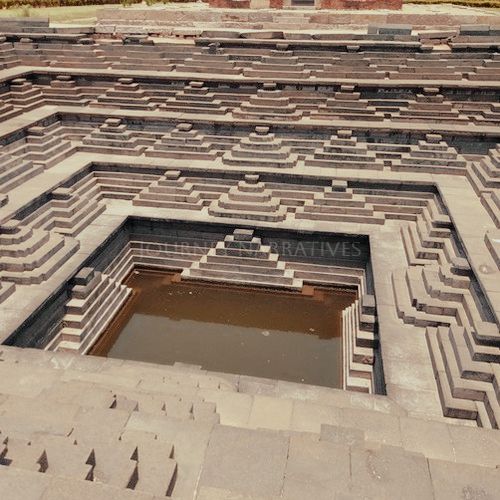
The Hampi Heritage Sites stand as timeless reminders of the magnificent Vijayanagara Empire, once one of the richest and most powerful kingdoms in the world. Located in Karnataka, Hampi is a surreal landscape of colossal boulders, ornate temples, royal enclosures, and sacred riverbanks that transport visitors back to the 14th–16th centuries. Recognized by UNESCO, the Group of Monuments at Hampi is not just an archaeological zone — it is a living cultural canvas shaped by devotion, trade, art, and royal ambition. The Hampi Heritage Sites are proudly featured in our complete guide to the 42 Most Beautiful World Heritage Sites in India, where you can explore other extraordinary cultural landmarks across the country. If you’re planning a visit, here are 11 remarkable monuments that define the true grandeur of Hampi. 1. Virupaksha Temple Dedicated to Lord Shiva, this is the oldest functioning temple in Hampi. Its towering gopuram dominates the skyline, and the temple has been in continuous worship for centuries — even surviving invasions and destruction. 2. Vittala Temple Famous for its iconic stone chariot and musical pillars, this temple represents the artistic peak of Vijayanagara craftsmanship. The intricate carvings here are mesmerizing. 3. Stone Chariot Often mistaken for a movable structure, this granite chariot is actually a shrine. It has become the symbolic image of Hampi and appears on Indian currency notes. 4. Lotus Mahal Blending Indo-Islamic architecture, this elegant pavilion once served as a royal leisure space for women of the palace. Its symmetry and arches make it visually striking. 5. Elephant Stables These grand chambers once housed royal elephants. The domed structures showcase architectural diversity within the empire. 6. Hazara Rama Temple Known for its detailed Ramayana carvings, this temple functioned as the private shrine of the royal family. 7. Hemakuta Hill Temples A cluster of pre-Vijayanagara shrines offering panoramic views of the landscape — especially magical at sunrise and sunset. 8. Queen’s Bath A large, ornate bathing pavilion surrounded by balconies and corridors, reflecting royal luxury. 9. Mahanavami Dibba This elevated platform was used for royal ceremonies and grand celebrations, including the famous Dussehra festival. 10. Achyutaraya Temple Situated between Matanga Hill and the river, this less-crowded temple complex is perfect for those seeking architectural beauty without heavy footfall. 11. Matanga Hill For the most breathtaking sunrise view in Hampi, a climb up Matanga Hill is worth every step. The boulder-strewn landscape looks almost otherworldly. Architectural Brilliance of Hampi Heritage Sites The monuments reflect a fusion of Dravidian temple architecture with Islamic influences, intricate carvings, and advanced urban planning. Hampi once had marketplaces stretching for kilometers, sophisticated water systems, and massive fortifications — proof of its historic prosperity. Best Time to Visit Hampi October to February offers pleasant weather for exploring the vast ruins. Summers can be extremely hot, making long walks difficult. Why Hampi Deserves a Place on Every Heritage Itinerary The Hampi Heritage Sites are more than ancient ruins — they represent ambition, devotion, artistry, and resilience. Walking through Hampi feels like stepping into a forgotten empire carved in stone. Hampi is proudly featured among the 42 Most Beautiful World Heritage Sites in India in our complete travel guide, where you can explore other extraordinary heritage destinations across the country.
Statue of Unity: 9 Compelling Reasons This Iconic Gujarat Landmark Will Leave You Awestruck
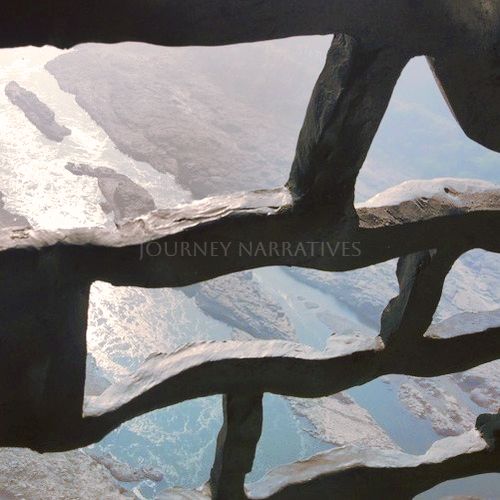
The Statue of Unity is not simply a record-breaking structure — it is a symbol of national pride, engineering ambition, and historical legacy. Located in Gujarat’s Narmada district near Ekta Nagar (formerly Kevadia), this colossal statue draws millions of visitors every year. But beyond the statistics and headlines, the experience of standing before it is something far more powerful. To experience nearby cities rich in heritage, check out our Ahmedabad travel guide, featuring landmarks like Sabarmati Riverfront and Gandhi Ashram. It’s monumental in every sense — physically and emotionally. 1. The Statue of Unity Is the Tallest Statue in the World At a staggering height of 182 meters, the Statue of Unity holds the distinction of being the world’s tallest statue. It honors Sardar Vallabhbhai Patel, India’s first Deputy Prime Minister and a key figure in unifying the country after independence. When you stand at its base, the scale feels almost unreal. It’s not just tall — it’s overwhelming in presence. 2. A Tribute to the “Iron Man of India” Sardar Vallabhbhai Patel played a crucial role in integrating over 560 princely states into the Indian Union. The statue symbolizes unity, strength, and determination — qualities that defined his leadership. Visiting the site offers a meaningful historical perspective beyond textbooks. The museum inside the complex provides insights into his life and contributions, making the visit educational as well as visual. 3. The Viewing Gallery Experience One of the highlights is the viewing gallery located at chest level of the statue. From here, you get sweeping views of: It’s a rare perspective — standing inside a global landmark while overlooking a vast natural landscape. 4. Scenic Setting Near the Narmada River The Statue of Unity stands beside the majestic Narmada River, adding dramatic natural beauty to the architectural spectacle. The contrast between lush greenery, water, and bronze-clad steel creates a striking visual composition. During sunset, the landscape turns golden, enhancing the monument’s presence even further. It’s not just about the statue — it’s about the setting. 5. Sardar Sarovar Dam Adds to the Experience Located nearby is the impressive Sardar Sarovar Dam. Visitors often combine both attractions in one trip. The dam viewpoint offers expansive panoramas and gives context to the region’s infrastructure development. Together, they create a powerful narrative of engineering and national growth. 6. Well-Planned Tourism Infrastructure Unlike many large monuments in India, the Statue of Unity complex is thoughtfully organized. You’ll find: The area has been developed into a full tourism ecosystem rather than just a standalone monument. 7. Light and Sound Show at Night The evening light and sound show adds another dimension to the visit. Projected visuals narrate the story of Sardar Patel and India’s unification journey, illuminating the statue dramatically against the night sky. It transforms the monument from impressive to unforgettable. 8. Ideal for Family and Educational Trips The combination of history, architecture, and interactive exhibits makes it suitable for: It balances inspiration with accessibility. 9. It Redefines Modern Indian Landmarks The Statue of Unity represents a new era of large-scale tourism projects in India. It blends symbolism, engineering ambition, and destination planning — positioning Gujarat as more than just a business state, but a tourism contender as well. Whether you visit out of curiosity or patriotism, the impact is undeniable. If you’re planning a broader itinerary across the country, browse our India Travel Guide for diverse travel experiences. Travel Tips for Visiting Statue of Unity Avoid peak afternoon hours for a more comfortable experience. Is Statue of Unity Worth Visiting? Yes — especially if you appreciate scale, symbolism, and structured tourism experiences. The Statue of Unity is not just about breaking world records. It’s about standing before something that represents a defining chapter in India’s history. It’s monumental — not only in height, but in meaning. For more cultural landmarks, heritage sites, and destination ideas across the state, explore our complete Gujarat travel guide. For wider inspiration beyond India, explore our Asia Travel Guide and uncover unique destinations across the continent.
5 Inspiring Experiences at Velankanni That Reveal Its Powerful Spiritual Legacy
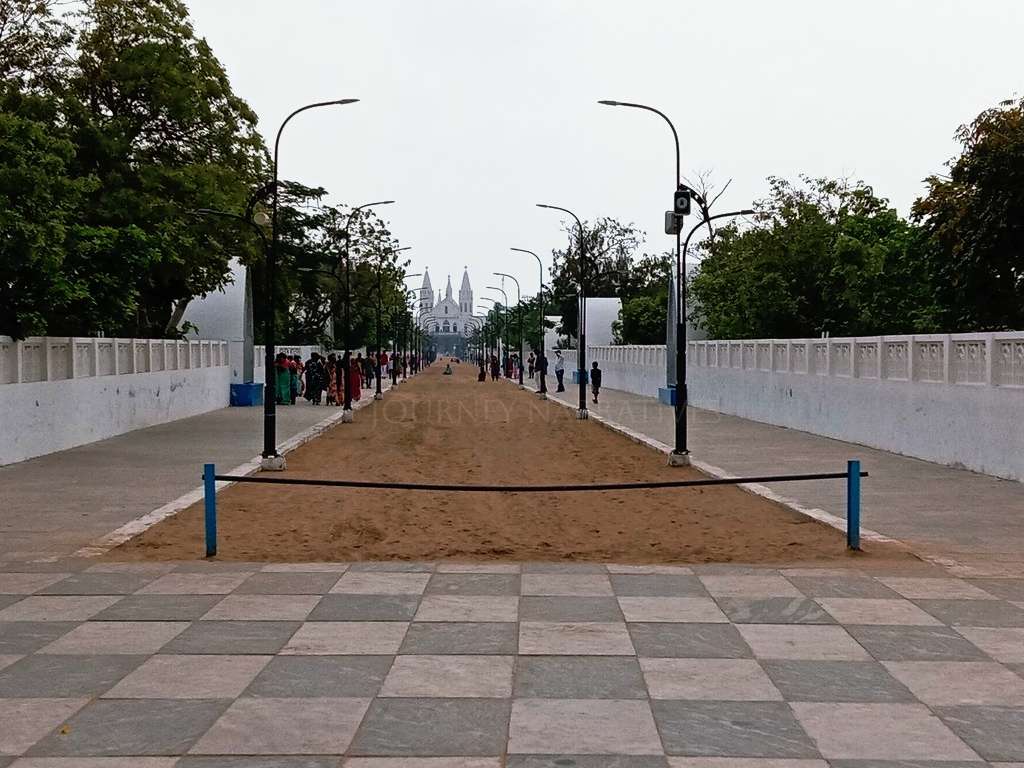
The revered Basilica of Our Lady of Good Health in Velankanni is one of the most important Christian pilgrimage destinations in India and Asia. Located along the Coromandel Coast, this sacred site draws millions of pilgrims and travelers each year. Velankanni Church represents more than architecture or history. It is a place where faith, gratitude, and hope shape the visitor experience. Many arrive seeking spiritual comfort, while others come to understand its cultural and religious importance. Velankanni is also featured among the sacred holy cities in India, highlighting its role in representing the country’s diverse spiritual traditions. 1. Witnessing the Iconic White Basilica by the Coast The bright white basilica stands as the defining landmark of Velankanni. Its tall spires, clean lines, and peaceful setting create a strong visual and spiritual presence. As you approach the church, the atmosphere gradually shifts from coastal town activity to quiet reflection. This moment of arrival often becomes one of the most memorable parts of the visit. 2. Experiencing the Calm and Reverence Inside the Shrine Inside the basilica, visitors sit in silence, offering prayers and personal reflections. The calm environment encourages stillness, regardless of one’s religious background. Many visitors spend time here observing the traditions and understanding the church’s spiritual significance. This peaceful experience is what makes Velankanni an important pilgrimage destination. 3. Understanding the Historical and Spiritual Importance of Velankanni Velankanni’s history dates back several centuries and is closely connected with stories of faith and devotion. Over time, the church became one of the most respected Christian pilgrimage sites in India. Learning about its origins helps visitors appreciate why it continues to attract people from across the country and beyond. You can also explore how Velankanni connects with other sacred destinations in this guide to sacred holy cities in India. 4. Observing Pilgrimage Traditions and Devotional Practices Visitors often express their devotion through simple and personal acts. These include: These practices reflect individual faith and create a respectful and meaningful atmosphere. 5. Experiencing the Unique Coastal Setting That Adds to the Spiritual Atmosphere Velankanni’s location near the sea enhances its peaceful character. The open sky, coastal breeze, and slower pace of the town create a natural environment for reflection. Many visitors spend time walking near the shore after visiting the church, extending the spiritual experience beyond the shrine itself. Visitor Information for Velankanni Church Location: Velankanni, Tamil NaduNearest city: NagapattinamBest time to visit: November to MarchDress code: Modest clothing recommendedTime required: 1 to 2 hours The Lasting Spiritual Importance of Velankanni Velankanni continues to be one of the places where faith is not only preserved but actively lived every day. The steady flow of pilgrims, the quiet prayer halls, and the presence of the Basilica of Our Lady of Good Health reflect a tradition that has remained meaningful for generations. Visiting Velankanni allows travelers to see how spiritual belief, local culture, and daily life exist side by side. The experience is not limited to the church itself, but extends to the entire town, where devotion shapes the rhythm of life. Today, Velankanni holds an important place among the sacred holy cities in India, representing the country’s diverse religious heritage and its continuing spiritual relevance. For anyone interested in pilgrimage destinations, cultural history, or meaningful travel, Velankanni remains a place worth understanding and experiencing. Velankanni is also included in this guide to sacred holy cities in India, which explores the country’s most important spiritual destinations.

Mangrove Shores of Honnavar: 6 Hidden Estuarine Landscapes That Feel Wild, Silent, and Surprisingly Calming
The Mangrove shores of Honnavar feel nothing like open beaches.Here, the sea doesn’t arrive suddenly. It slows down, filtered through river mouths, tidal creeks, and dense mangrove growth before merging with the land. Along this stretch of Karnataka’s coastline, the Sharavathi River meets the Arabian Sea, creating an estuarine shoreline shaped less by waves and more by tides, sediment, and living ecosystems. The result is a coastal landscape that feels quiet, enclosed, and deeply restorative. 1. Where the River Softens the Sea Honnavar sits at the meeting point of freshwater and saltwater.As the Sharavathi River approaches the sea, its flow slows, spreads, and deposits sediment along the coast. This interaction creates: Unlike wave-dominated coasts, estuarine shores evolve through balance rather than impact. 2. Mangroves as the Architects of the Coast Mangroves are not just vegetation here — they actively shape the shoreline. Their tangled root systems: Over time, these living barriers transform loose coastal edges into resilient, self-sustaining landscapes. 3. A Shoreline Defined by Tides, Not Waves At Honnavar, daily changes are subtle but constant. Instead of crashing waves: This rhythm gives the coast a meditative quality, where movement is continuous but never aggressive. 4. The Silence That Defines Estuarine Landscapes At Honnavar, these landscapes: Mangrove shores carry a different soundscape. Here, you notice: The absence of wave noise makes these shores feel intimate and introspective, ideal for slow observation. 5. A Naturally Protected Coastal System Mangrove and estuarine shores play a critical role in coastal health. They are among the most ecologically valuable coastal systems, despite appearing understated. 6. Why Honnavar Represents Mangrove and Estuarine Shores Honnavar offers a clear, accessible example of how mangroves and estuaries reshape coastlines. It represents: This makes it a natural reference point for understanding mangrove and estuarine coastal landscapes. Where Water Learns to Move Slowly The mangrove shores of Honnavar remind us that not all coastlines announce themselves.Some reveal their beauty through quiet processes, subtle changes, and long-term balance between land and water. In a world drawn to dramatic shorelines, estuarine coasts like Honnavar offer a different kind of refreshment — one rooted in calm, patience, and resilience. This shoreline reflects the Mangrove and Estuarine Shores described in our broader exploration of natural coastal landscapes.
Dudhsagar Waterfalls: 5 Brutal Cascades That Prove Nature’s Unstoppable Beauty
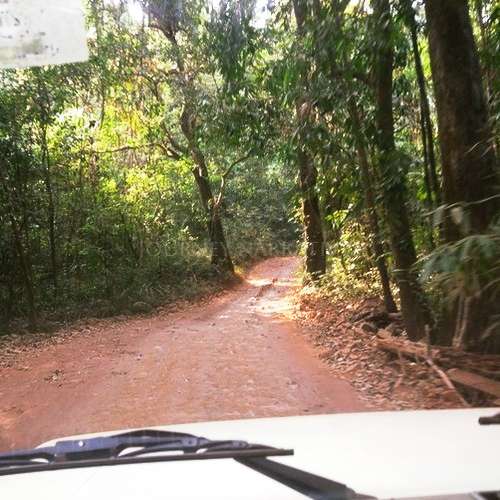
There are waterfalls that charm, and then there are waterfalls that command silence. Dudhsagar belongs firmly to the latter. Rising deep within the forests of the Western Ghats, this colossal cascade doesn’t gently flow — it roars, crashes, and claims space. The name Dudhsagar, meaning Sea of Milk, feels poetic until you witness it in full force, when white torrents plunge down dark rock faces like unleashed energy. More than just a scenic attraction, Dudhsagar Waterfalls stands as one of India’s most striking examples of how rivers sculpt landscapes over time, perfectly embodying the themes explored in our broader pillar story on forest and river landscapes shaped by water and time. Where the River Breaks Free: The Making of Dudhsagar Dudhsagar is formed by the Mandovi River, which begins its journey in the Western Ghats of Karnataka before flowing westward into Goa. At this point in its course, the river encounters a steep drop in elevation — and gravity does the rest. Instead of a single plunge, Dudhsagar unfolds as five distinct cascades, each tumbling over layered basalt rock. Over centuries, the river has carved, widened, and deepened these channels, transforming a simple descent into one of the tallest and most powerful waterfalls in India. This is exactly the kind of raw river action that defines forest-and-river systems — where water doesn’t just pass through the land, but actively reshapes it. The Five Cascades: A Symphony of Force and Flow What sets Dudhsagar apart is not just its height, but its multi-tiered structure. Each cascade has its own character: Together, these cascades create a continuous narrative of motion, reminding us that landscapes are not static — they are always becoming. Dudhsagar is just one powerful expression of how rivers shape land over centuries, a theme explored more deeply in our broader story on Forest & River Landscapes carved by water and time. Forests That Amplify the Experience Dudhsagar does not exist in isolation. It is enveloped by dense Western Ghats forest, part of the Bhagwan Mahaveer Wildlife Sanctuary. This forest ecosystem plays a crucial role: The surrounding greenery intensifies the waterfall’s drama. Mist clings to tree canopies, sunlight filters through spray, and the constant echo of water fills the valley. In this setting, Dudhsagar feels less like a tourist site and more like a living system at work. This interaction between river energy and forest stability is a recurring theme across many natural formations discussed in our pillar post on forest and river landscapes. Monsoon: When Raw Power Takes Center Stage While Dudhsagar flows year-round, the monsoon months (June to September) reveal its true temperament. Rain-fed volume transforms the cascades into a roaring wall of water, often visible from kilometers away. During this season: It’s during monsoon that Dudhsagar best demonstrates how time, water, and gravity collaborate to shape monumental landforms — a perfect real-world illustration of river-driven geology. The Iconic Railway Bridge: Human Scale vs Natural Scale One of Dudhsagar’s most photographed features is the railway bridge that cuts across its midsection. Trains passing slowly across the bridge appear almost fragile against the massive waterfall beside them. This contrast offers a quiet lesson:Human structures are temporary interruptions, while natural forces operate on timelines far beyond us. In the context of Journey Narratives, this moment fits beautifully — a reminder that travel isn’t just about places, but about perspective. Dudhsagar Within the Larger Landscape Story Dudhsagar Waterfalls is not just a standalone marvel. It belongs to a wider family of river-carved forest formations across India — waterfalls, gorges, river valleys, and plunge pools that owe their existence to persistent water flow. In our main pillar post, “Forest & River Landscapes: 6 Raw Natural Formations Carved by Water and Time,” Dudhsagar represents the category where vertical force meets forest resilience. Linking these stories together allows readers to see patterns — not isolated sights, but connected natural processes. Visiting Dudhsagar: A Journey, Not Just a Destination Reaching Dudhsagar often involves: This layered journey adds meaning. The waterfall is not handed to you — it is earned, much like the landscapes it has shaped over centuries. When viewed through this lens, Dudhsagar becomes more than a photo stop. It becomes a chapter in a much larger narrative of water, time, and terrain. The Moment Power Becomes a Memory Standing near Dudhsagar, it’s impossible not to feel small — but also connected. The waterfall is loud, relentless, and ancient, yet deeply calming in its consistency. It has been falling long before us and will continue long after. As part of India’s forest and river landscapes, Dudhsagar reminds us that nature’s raw power isn’t chaotic — it’s purposeful, shaping the world drop by drop, year after year. And that, at its core, is what Journey Narratives is all about: not just seeing places, but understanding the stories they’ve been telling all along.
12 Extraordinary Heritage Facts About Brihadeeswarar Temple, Thanjavur That Will Surprise You
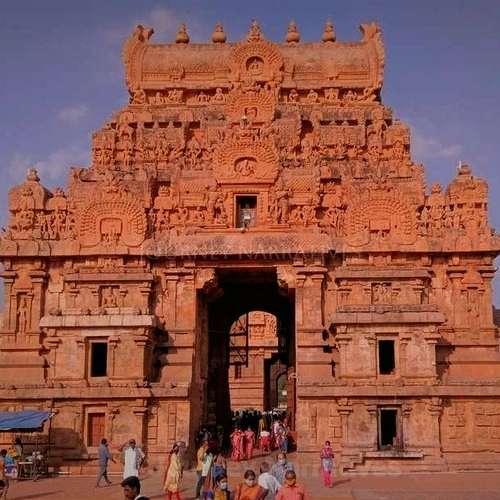
Rising majestically over the historic city of Thanjavur, the Brihadeeswarar Temple stands as one of India’s greatest cultural and heritage treasures. Built over a thousand years ago, this architectural marvel is more than a place of worship—it is a living testimony to the artistic brilliance, engineering mastery, and spiritual depth of ancient South India. Also known as Peruvudaiyar Kovil or the Big Temple, this UNESCO-recognized monument reflects the golden age of the mighty Cholas. Every stone here speaks of devotion, power, and timeless heritage. This temple is also featured in the complete India travel guide, which highlights important destinations, cultural landmarks, and cities to explore across the country. Here are 12 extraordinary heritage facts about Brihadeeswarar Temple that will truly surprise you. 1. Built by the Legendary Chola Emperor Raja Raja I The Brihadeeswarar Temple was constructed by the great Chola ruler Raja Raja Chola I in 1010 CE. His vision was to create a temple that would symbolize the strength, devotion, and cultural supremacy of the Chola Empire. Even today, his name is inscribed on the temple walls, ensuring his legacy lives forever. 2. A UNESCO World Heritage Cultural Masterpiece The temple is part of the famous Great Living Chola Temples, a UNESCO World Heritage Site. This recognition highlights its global cultural importance and its role in preserving South India’s rich heritage traditions. 3. The Tower Was Built Without Modern Technology The temple’s main tower (Vimana) rises to about 66 meters, making it one of the tallest temple towers in the world. What makes this extraordinary is that it was built over 1,000 years ago—without cranes, machines, or modern tools. 4. The Massive Capstone Weighs Around 80 Tons At the very top sits a giant granite capstone weighing approximately 80 tons. Historians believe it was placed using a massive inclined ramp several kilometers long—an engineering achievement that still amazes experts today. 5. Built Entirely Using Granite One of the most surprising heritage facts is that the temple was constructed completely from granite. Granite is not naturally available in large quantities near Thanjavur, meaning the stones were transported from distant locations—a remarkable effort in ancient times. 6. Home to a Giant Nandi Sculpture The temple houses one of India’s largest Nandi statues. This sacred bull, carved from a single stone, symbolizes devotion and adds to the temple’s artistic and spiritual heritage. 7. The Temple Has Over 1,000-Year-Old Paintings Inside the temple walls are ancient Chola frescoes. These paintings beautifully depict religious stories, royal life, and cultural traditions, offering a rare glimpse into South India’s historic past. 8. The Temple Was a Cultural Hub, Not Just a Place of Worship In ancient times, the temple functioned as a major center for: It played a key role in preserving and promoting Tamil culture. 9. Inscriptions Reveal Detailed Cultural Records The temple contains hundreds of inscriptions carved into its walls. These inscriptions document: They serve as valuable historical records for researchers. 10. The Architecture Reflects Perfect Symmetry Every element of the temple—from the tower to the sanctum—is perfectly aligned. This reflects the Cholas’ advanced understanding of geometry, aesthetics, and sacred architecture. 11. The Temple Is Over 1,000 Years Old and Still Active Despite its age, the temple remains an active place of worship. Daily rituals continue uninterrupted, making it not just a monument—but a living heritage site. 12. It Represents the Peak of Chola Cultural Glory The Brihadeeswarar Temple symbolizes the height of Chola achievements in: It remains one of the finest examples of India’s glorious heritage. If you are passionate about exploring historic wonders like the Brihadeeswarar Temple, don’t miss our Cultural and Heritage Travel Guide, where we feature timeless monuments, ancient cities, and iconic heritage destinations from India and around the world. Cultural Significance That Lives On Even after a millennium, the Brihadeeswarar Temple continues to inspire historians, artists, architects, and travelers. It stands as a proud reminder of Tamil Nadu’s rich cultural roots and India’s timeless heritage. Walking through its grand corridors feels like stepping back into the golden age of the Cholas. This architectural masterpiece is part of our curated list of the 42 most beautiful World Heritage Sites in India, celebrating the nation’s extraordinary heritage treasures.