

Stretching across the Eastern Ghats and linking the Western Ghats to the Deccan Plateau, Sathyamangalam Forest is not defined by a single river or dramatic landmark. Instead, it survives through a network of seasonal rivers, hidden streams, and monsoon-fed catchments that quietly sustain one of southern India’s most critical wildlife landscapes. This forest reminds us that water does not always carve visible formations. Sometimes, its greatest impact is invisible — seeping into soil, sustaining roots, and shaping ecosystems over long cycles of rain and drought. In the larger narrative of forest and river landscapes shaped by water and time, Sathyamangalam represents endurance rather than spectacle. 1. Bhavani River Margins: The Forest’s Primary Lifeline The Bhavani River flows along the western edge of Sathyamangalam, forming a vital water source for both wildlife and vegetation. Its seasonal fluctuations dictate animal movement, breeding cycles, and forest density. During dry months, these river margins become convergence zones for elephants, deer, and predators alike. This stretch shows how a single river can anchor an entire forest system, even without dramatic waterfalls or wide floodplains. 2. Seasonal Streams and Nullahs: Invisible Architects of Survival Beyond major rivers, Sathyamangalam depends heavily on temporary streams that appear only during the monsoon. These narrow channels recharge groundwater, soften hard soil, and enable vegetation to survive extended dry periods. Though they vanish from the surface for much of the year, their long-term impact remains embedded in the forest’s resilience — shaping root depth, plant diversity, and animal pathways. 3. Dry Deciduous Zones: Forests Built to Withstand Absence Large parts of Sathyamangalam consist of dry deciduous forest, adapted to scarcity rather than abundance. Here, trees shed leaves to conserve water, and wildlife relies on memory and migration to survive. This zone demonstrates a harsher truth: water shapes landscapes not only by its presence, but also by its absence. Time, in the form of repeated drought cycles, has trained this forest to endure rather than flourish continuously. 4. Riparian Pockets: Where Water Briefly Takes Control Along riverbanks and stream beds, the forest changes character. Vegetation becomes denser, cooler, and more diverse. These riparian pockets act as ecological refuges during extreme heat. Though limited in area, these zones punch above their weight — supporting biodiversity and stabilizing soil. They reveal how even small, consistent water sources can reshape forest structure over time. 5. Corridor Zones: Water-Guided Pathways for Wildlife Sathyamangalam forest plays a crucial role as a wildlife corridor, connecting larger forest systems. Rivers and seasonal water paths often define these corridors, guiding animal movement through otherwise harsh terrain. These routes are shaped by centuries of repeated use, etched into the landscape by hooves, paws, and the search for water. Time, movement, and survival converge here. Water as a Silent Shaper of Forest Landscapes Unlike caves or river bends, forests record water’s influence subtly: Sathyamangalam teaches us that water’s most profound work often happens without spectacle. Pressure, Fragmentation, and Adaptation – Sathyamangalam Forest Human intervention, climate variability, and reduced water availability have increased stress on the forest. Corridors narrow, streams dry faster, and competition for resources intensifies. Yet the Sathyamangalam forest persists — not because it is untouched, but because it has adapted over time. This balance between resilience and vulnerability defines Sathyamangalam forest today. A Forest That Endures Through Water and Time Sathyamangalam Forest does not overwhelm with visual drama. Instead, it tells a slower story — one of patience, restraint, and survival shaped by water that arrives seasonally and disappears just as quickly. Within the framework of forest and river landscapes carved by water and time, this forest stands as a reminder that endurance itself is a landform — shaped quietly, tested constantly, and sustained by the smallest flows.
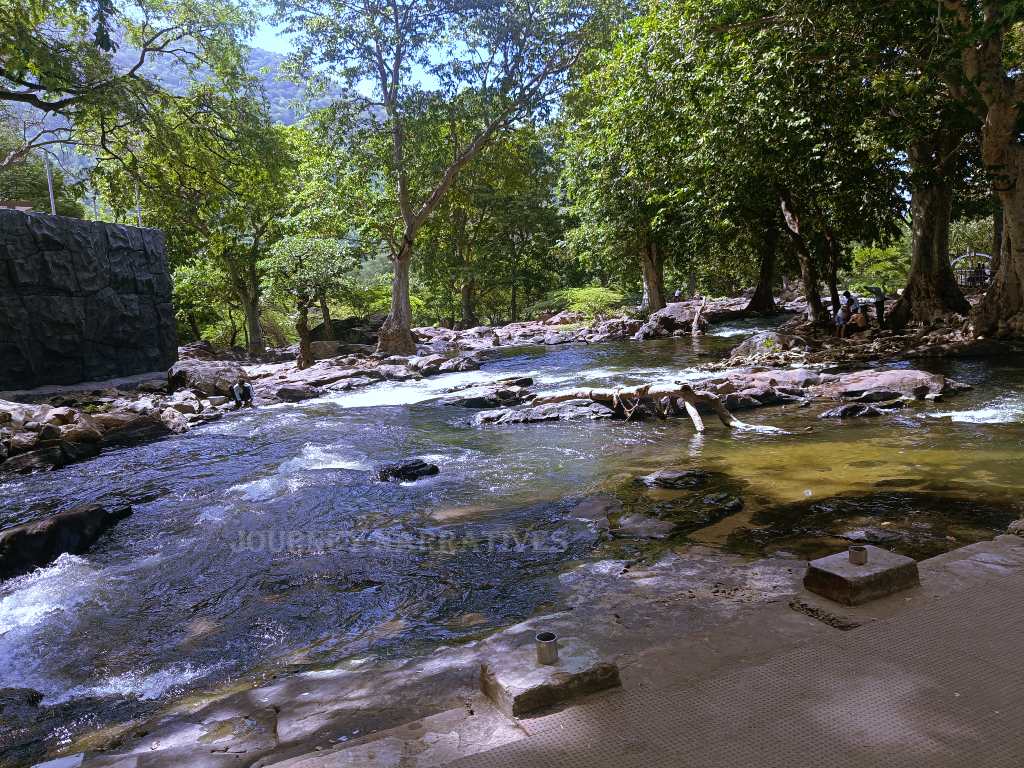
4 Seasonal Factors That Shape the Best Hogenakkal Experience via Salem
Planning a trip to Hogenakkal is not just about choosing a date—it’s about understanding how seasonal factors influence water flow, road conditions, crowd levels, and overall comfort. The route via Salem is one of the most reliable approaches, but the experience at the falls changes dramatically across the year. By aligning your visit with the right seasonal conditions, you can turn a rushed stop into a deeply rewarding travel experience. Below are four key seasonal factors that shape the best Hogenakkal experience via Salem. 1. Water Flow Levels Define the Core Experience The character of Hogenakkal Falls depends entirely on the season. For travelers seeking both scenic beauty and accessibility, early winter offers the most balanced conditions. 2. Road Conditions via Salem Change with the Seasons The Salem–Hogenakkal route is generally dependable, but seasonal weather plays a major role. Choosing the right season ensures the journey itself remains calm and predictable. 3. Crowd Patterns Shift Dramatically Across the Year Hogenakkal attracts both day-trippers and weekend travelers, and seasonality directly affects crowd density. If your goal is a peaceful visit rather than a rushed photo stop, timing matters more than distance. 4. Weather Comfort Shapes Time Spent at the Falls The climate around Hogenakkal influences how long you can comfortably explore the area. Comfortable weather encourages travelers to stay longer and experience more than just the main viewpoint. To ensure peace of mind while traveling or living abroad, we recommend getting health insurance. SafetyWing’s Essential plan covers travel and medical emergencies with options for adventure sports and electronics theft. Their Complete plan offers comprehensive health coverage with routine healthcare, mental health support, and maternity, anywhere in the world, including in your home country, on top of all Essential benefits. How This Fits into Season-Based Travel Planning This guide supports our broader approach to season-based itineraries, where travel planning is driven by climate, crowd behavior, and real-world conditions rather than fixed dates. Hogenakkal’s changing water levels, access rules, and visitor patterns make it a strong example of how choosing the right season can significantly improve the overall travel experience. 4 Smart Season-Based India Travel Itineraries Designed for Ideal Climate, Fewer Crowds, and Better Costs.

Yercaud Hills: 5 Serene Mountain Views Most Travelers Completely Miss
Set high in the Shevaroy Hills of Tamil Nadu, the Yercaud hills offer a slower and more understated mountain experience. Unlike larger hill stations shaped by constant movement, Yercaud reveals its character through calm roads, gentle elevations, and viewpoints that don’t announce themselves loudly. Many of its most rewarding mountain views sit just beyond the usual stops, often overlooked by travelers moving quickly through the region. Yercaud’s understated mountain views reflect a broader pattern seen across high-altitude landscapes, where elevation shapes emotion through calm rather than scale — a theme explored across our wider mountain and hill journey. 1. Lady’s Seat Viewpoint: A Wide Window into the Plains Lady’s Seat provides one of Yercaud’s most expansive and accessible outlooks, opening directly toward the wide plains below the Shevaroy Hills. From the stone platform, the land descends gradually rather than abruptly, revealing a layered landscape of fields, distant settlements, and faint road networks. As evening approaches, shifting light softens the terrain, and scattered settlement lights begin to appear, adding subtle depth to the view. The open setting and steady horizon make it a place where visitors naturally pause, allowing the scene to unfold without urgency or spectacle. 2. Pagoda Point: Where Hills and History Align Positioned at one of the higher elevations in the Yercaud hills, Pagoda Point offers a clear and open vantage point over the surrounding terrain. From here, the view extends across rolling hills, forested ridges, and distant slopes, creating a layered perspective that emphasizes breadth rather than height. A modest stone structure near the viewpoint provides a visual reference without drawing attention away from the landscape itself. Despite being easy to reach, the area often retains a sense of calm, particularly during early mornings or outside peak visiting hours, making it well suited for unhurried observation. 3. Karadiyur Viewpoint: Depth Without the Crowd Less frequented than Yercaud’s primary lookouts, Karadiyur Viewpoint provides a more secluded perspective of the surrounding hills. The approach involves a gentle descent through forested paths, naturally limiting foot traffic and preserving the sense of untouched landscape. From the edge of the viewpoint, deep valleys stretch out below, framed by dense greenery and distant ridges, creating a layered view that emphasizes scale without overwhelming the senses. Rather than focusing on dramatic visuals, the scene encourages visitors to pause, reflect, and take in the quiet majesty of the hills at a relaxed pace. 4. Loop Road Forest Views: Motion Through Stillness The winding loop roads that thread through Yercaud hills offer a series of moving viewpoints rather than a single fixed platform. As the road curves through dense forest stretches, occasional clearings open up, revealing hills layered in varying shades of green and grey that shift subtly with changes in light and weather. Unlike traditional lookouts, these transient glimpses reward travelers who slow down and pay attention to the journey itself. Often overlooked by those focused solely on reaching destinations, the views along the loop roads provide a quieter, more immersive way to experience the hills, blending motion with moments of reflection. 5. Sunrise Clearings Beyond the Town Limits: Gentle Beginnings Away from the busier areas of Yercaud town, small roadside clearings provide early-morning vantage points where mist drifts gently across the hills. As the sun rises, light spreads gradually across the slopes, revealing contours and colors in stages rather than all at once. These tranquil moments, often experienced in solitude, allow visitors to take in the quiet rhythm of the landscape without distraction. The combination of soft light, lifting mist, and undisturbed surroundings highlights Yercaud’s ability to offer calm and serenity naturally, rewarding those who pause and observe rather than rush through. What the Yercaud Hills Leave Behind The Yercaud hills leave behind a sense of ease rather than intensity. Their views don’t compete for attention or demand long detours; they exist quietly alongside everyday movement. What stays with visitors is the feeling of space — shaped by modest elevation, open skies, and an absence of urgency. More than dramatic viewpoints, Yercaud Hills offers moments that blend seamlessly into the journey itself. These overlooked mountain views remind us that serenity in the hills is often found not at the most famous stops, but in the pauses between them.
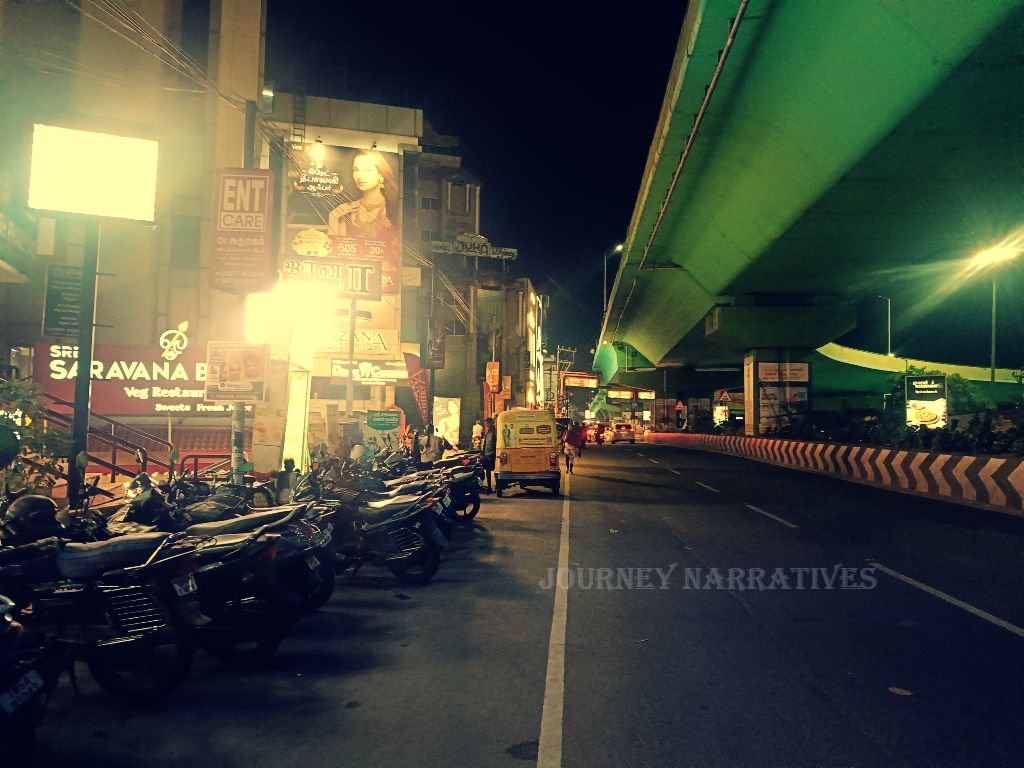
10 Scenic Tourist Attractions in Salem That Showcase Its Natural Beauty
The scenic tourist attractions in Salem reveal a refreshing side of Tamil Nadu where misty hills, serene lakes, and peaceful viewpoints create unforgettable travel experiences. Surrounded by the Shevaroy Hills and blessed with natural charm, Salem offers a perfect blend of hill landscapes, water bodies, and quiet escapes. Whether you’re a nature lover, photographer, or peaceful explorer, these scenic destinations highlight Salem’s remarkable natural beauty. If landscapes like these draw you in, explore more scenic destinations across the state in our Tamil Nadu Travel Guide. 1. Yercaud Yercaud is the most famous scenic destination near Salem, located in the Shevaroy Hills at an altitude of about 1,500 meters. Why it’s special: It’s ideal for relaxation and nature retreats. 2. Yercaud Lake This scenic lake in the heart of Yercaud is surrounded by gardens and hills. Visitors can enjoy: The calm surroundings make it a must-visit attraction. 3. Lady’s Seat Lady’s Seat offers one of the most breathtaking panoramic views of Salem city and surrounding hills. Sunset views here are especially beautiful. 4. Kiliyur Falls This seasonal waterfall cascades from a height of around 300 feet. It’s best visited after monsoon when water flow is strong. 5. Mettur Dam Built across the Cauvery River, Mettur Dam is one of the most scenic and important water reservoirs in Tamil Nadu. The surrounding park and river views are peaceful and refreshing. 6. Pagoda Point This viewpoint offers wide views of Salem and the surrounding countryside. It’s less crowded and perfect for quiet moments. 7. Anna Park Located near Yercaud Lake, this well-maintained park is known for: It’s ideal for families and nature walks. 8. Manimuthar Dam Surrounded by hills and forests, this dam is a peaceful scenic destination near Salem. It offers beautiful natural surroundings and quiet views. 9. Karadiyur View Point This viewpoint is known for dramatic valley views and winding mountain roads. It’s a great place for photography. 10. Shevaroy Hills These hills form the scenic backbone of Salem’s landscape. They offer: Natural beauty like this is found across the country—discover more through our India Travel Guide. Natural Beauty and Landscape of Salem Salem’s geography makes it one of Tamil Nadu’s most scenic inland cities. Its natural features include: These landscapes offer peaceful travel experiences. Best Time to Explore Scenic Attractions in Salem Ideal months: October to June Hill areas like Yercaud are pleasant throughout the year. Monsoon enhances waterfalls and greenery. Travel Tip For complete planning, cultural insights, and travel information, explore our detailed Salem Travel Guide to experience the destination more meaningfully. Why Salem Is Perfect for Nature Lovers The scenic tourist attractions in Salem offer peaceful hill landscapes, beautiful lakes, and refreshing viewpoints. From misty hills to calm reservoirs, Salem provides some of Tamil Nadu’s most underrated natural experiences. For journeys through mountains, valleys, and scenic escapes across regions, explore our Asia Travel Guide for wider inspiration.

Mettur Dam Day Trip: 3 Budget-Friendly Planning Tips for a Relaxed
A Mettur Dam day trip is often treated as a quick outing, but rushed planning usually turns it into a tiring and oddly expensive experience. Most overspending happens not at the destination, but around timing mistakes, food choices, and unnecessary transport decisions. With a little planning built around how the area actually functions, Mettur can be explored comfortably in a single day without stretching your budget. The approach used here reflects a way of planning short trips where realistic spending and relaxed pacing shape the experience more than packed schedules. 1. Time the Visit Around Water Release and Heat, Not Convenience Many travellers arrive at Mettur around midday, assuming it’s the most convenient window. Unfortunately, this is also when heat, crowds, and fatigue peak. Reaching the dam early in the morning or later in the afternoon keeps temperatures manageable and reduces the temptation to spend on shaded seating, cold drinks, or rushed meals. If water release timings are announced locally, aligning your visit with them adds value without extra cost. Why this saves money:Better timing lowers fatigue-driven spending and avoids paid “comfort fixes.” To ensure peace of mind while traveling or living abroad, we recommend getting health insurance. SafetyWing’s Essential plan covers travel and medical emergencies with options for adventure sports and electronics theft. Their Complete plan offers comprehensive health coverage with routine healthcare, mental health support, and maternity, anywhere in the world, including in your home country, on top of all Essential benefits. 2. Eat Before or After the Visit, Not During It Food options near the dam are limited and often priced for captive visitors. Planning a proper meal in Mettur town—or even before starting the trip—keeps food costs predictable and more satisfying. Carrying water and light snacks eliminates the need for impulse purchases while walking around the viewing areas. Why this saves money:One proper meal costs less than multiple small, overpriced food stops. 3. Keep the Trip Single-Zone Instead of Adding Extra Stops A common mistake is combining Mettur Dam with distant attractions in one day, leading to rushed travel and higher transport expenses. Treating the dam and nearby viewpoints as a single-zone visit allows more time on foot and less money spent moving around. If you have extra time, a short walk or quiet rest near the riverbanks often adds more value than squeezing in another location. Why this saves money:Reduced travel distances mean lower fuel or auto costs and less exhaustion. Closing Thought – Mettur Dam day trip A relaxed Mettur Dam day trip doesn’t come from doing more—it comes from doing less, more deliberately. When timing, meals, and movement are planned around real conditions rather than assumptions, the experience stays calm and affordable. That’s when a simple day trip feels complete instead of hurried. Travellers planning short outings as part of longer routes can apply the same cost-aware planning logic explained in 4 Practical Budget-Friendly India Travel Itineraries Built Around Realistic Travel Costs to keep day trips simple and comfortable.
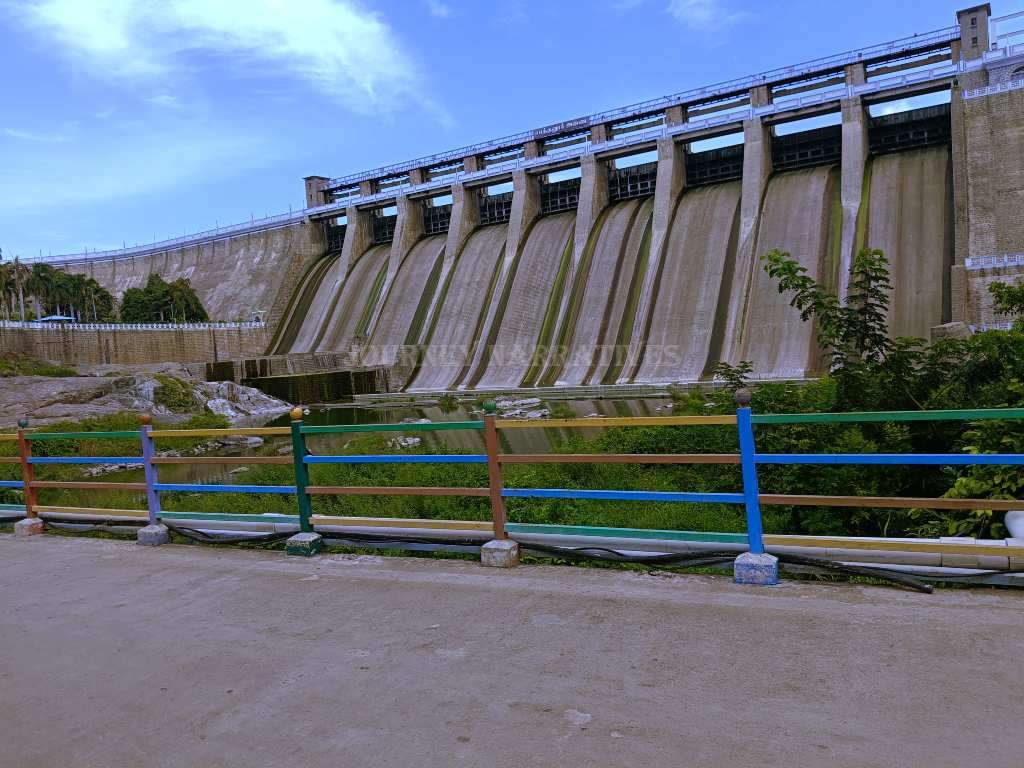
Sathanur Dam: 6 Scenic and Surprising Reasons to Visit This Peaceful Escape
Sathanur Dam is perfect for those moments when you just want to slow down and reconnect with nature. Tucked away from busy tourist routes, Sathanur Dam offers a refreshing blend of scenic beauty, calm waters, and peaceful surroundings. Located near Thiruvannamalai, this scenic destination isn’t about loud attractions or fast itineraries. Instead, it invites you to pause, breathe deeply, and enjoy simple experiences—whether it’s watching the sunlight reflect on the water, walking through quiet gardens, or just enjoying the silence. If you’re looking to discover more peaceful and scenic spots like this, our Tamil Nadu Travel Guide brings together such hidden escapes across the state. The Sathanur Dam travel experience is gentle, surprising, and deeply relaxing—exactly what many travellers don’t realise they’ve been missing. 1. The Mesmerizing View of Endless Water and Hills The first thing you’ll notice at Sathanur Dam is the sheer openness. The vast stretch of water reflects the sky, while distant hills create a scenic backdrop. Standing here, you feel a sense of calm that’s hard to find in crowded tourist spots. Sunrise and sunset are especially beautiful, painting the entire landscape in soft colours. 2. A Beautiful Garden Perfect for Slow Walks At the base of the dam lies a well-maintained garden that adds charm to the visit. Tree-lined paths, green lawns, and colourful flowers make it perfect for a relaxed stroll. Families, couples, and solo travellers all find comfort in this peaceful setting. It’s the kind of place where you naturally slow down and enjoy the moment. 3. The Surprising Crocodile Park One of the most unexpected attractions here is the crocodile park located nearby. Home to several crocodiles, it offers visitors a chance to safely observe these fascinating reptiles. It adds a sense of excitement and makes the destination more than just a scenic viewpoint. It’s especially interesting for children and wildlife enthusiasts. 4. The Impressive Engineering and Massive Structure Standing on the dam, you’ll appreciate its scale and strength. Built across the Thenpennai River, Sathanur Dam plays an important role in irrigation and water management for the region. Looking at the massive structure reminds you of the effort and planning behind such creations. 5. A Perfect Picnic and Relaxation Spot Sathanur Dam is ideal for a simple picnic. Visitors often bring snacks, sit in the gardens, and spend quiet time with family and friends. The peaceful environment makes conversations feel more meaningful and moments more enjoyable. There’s no pressure to rush — you can spend hours doing nothing and still feel fulfilled. 6. A Refreshing Escape Close to Major Cities Sathanur Dam is easily accessible from cities like Chennai and Bangalore, making it perfect for a short getaway. The drive itself is scenic, and the destination offers a complete change from urban noise. It’s especially rewarding if you combine it with a visit to Thiruvannamalai. Quiet destinations like this are part of a larger travel experience—explore more across the country in our India Travel Guide. To ensure peace of mind while traveling or living abroad, we recommend getting health insurance. SafetyWing’s Essential plan covers travel and medical emergencies with options for adventure sports and electronics theft. Their Complete plan offers comprehensive health coverage with routine healthcare, mental health support, and maternity, anywhere in the world, including in your home country, on top of all Essential benefits. When Peace Becomes the Destination Sathanur Dam may not be as famous as other tourist spots, but that’s exactly what makes it special. It offers space, silence, and scenery — three things travellers often don’t realise they need. You don’t come here for entertainment.You come here to breathe. For journeys through serene landscapes and lesser-known destinations across regions, explore our Asia Travel Guide for wider inspiration.
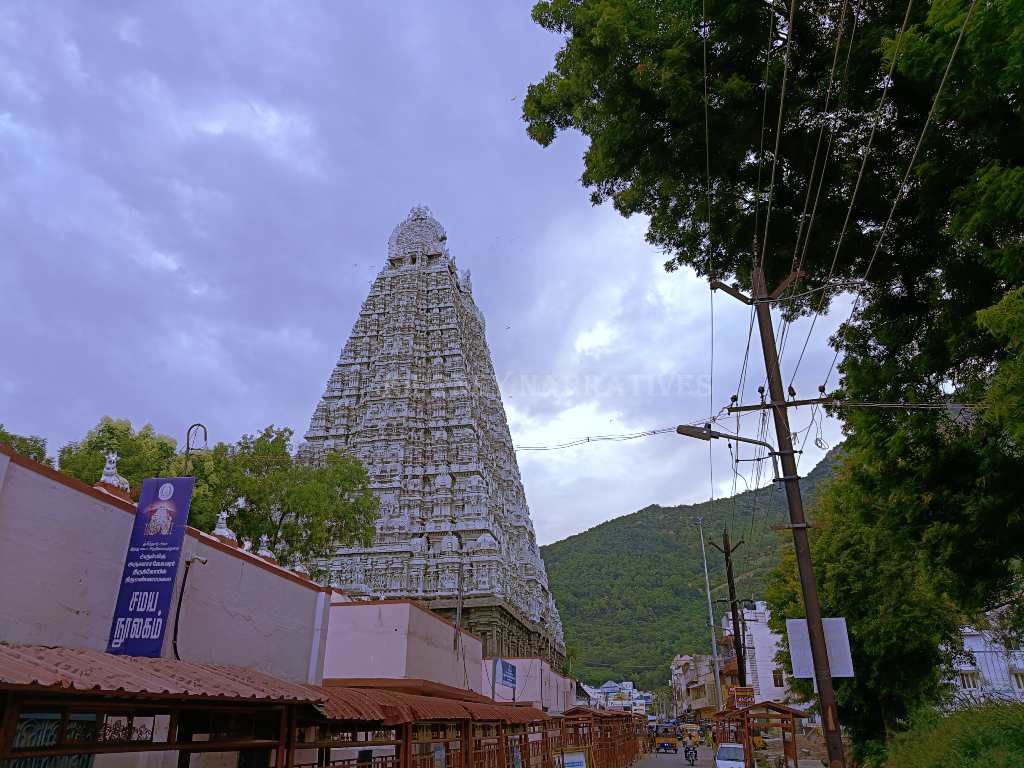
Thiruvannamalai: 7 Thoughtful Timing Decisions for a Comfortable Visit
A Thiruvannamalai visit is deeply influenced by timing. While the town draws spiritual travelers throughout the year, climate shifts, festival cycles, and crowd patterns can dramatically change how comfortable—or demanding—the experience feels. By making a few thoughtful timing decisions, visitors can experience Thiruvannamalai in a calmer, more manageable way, without compromising its spiritual depth. Below are seven thoughtful timing choices that help shape a smoother and more comfortable visit. 1. Choose Shoulder Seasons for Balanced Weather and Crowds Extreme heat and peak pilgrimage periods can make movement physically demanding. Shoulder seasons, when temperatures are moderate and visitor numbers stabilize, create a more balanced environment. This period allows for longer temple visits and circumambulation without fatigue. Timing Decisions:Moderate seasons often offer the best comfort-to-crowd ratio. 2. Plan Girivalam During Cooler Hours Girivalam (the sacred walk around Arunachala Hill) is central to a Thiruvannamalai visit. Completing it during early morning or late evening hours significantly improves comfort, especially in warmer months. Cooler air and reduced foot traffic make the experience more meditative and less strenuous. Timing Decisions:Daily timing matters as much as seasonal timing. 3. Avoid Peak Festival Days Unless Participation Is Intentional Major festivals draw large crowds, longer queues, and limited accommodation availability. While spiritually vibrant, these periods can feel overwhelming if not planned intentionally. Visitors seeking a quieter experience may find non-festival days more suitable. Timing Decisions:Crowd density should align with visitor intent. 4. Align Travel Dates With Accommodation Availability Comfort is closely linked to where you stay. Visiting during less congested periods provides more accommodation options, flexible check-in times, and better rest conditions. This reduces logistical stress and improves overall trip flow. Timing Decisions:Availability improves comfort more than luxury. 5. Consider Climate When Planning Temple Visits Temple complexes can become warm and crowded during midday hours. Scheduling visits during cooler parts of the day improves physical comfort and shortens waiting times. This also allows for a more focused, unhurried experience. Timing Decisions:Climate-aware scheduling enhances spiritual focus. 6. Time Local Exploration Around Town Rhythms Markets, ashrams, and smaller shrines follow daily and seasonal rhythms. Visiting during calmer hours allows for easier navigation and more meaningful interactions. This helps the town feel lived-in rather than overwhelming. Timing Decisions:Local rhythm awareness improves experience quality. 7. Build Buffer Days for a More Relaxed Visit Rushing through Thiruvannamalai often leads to exhaustion rather than fulfillment. Allowing buffer days helps visitors adjust to climate, crowds, and pace naturally. This flexibility supports both physical comfort and mental ease. Timing Decisions:Slow pacing is a comfort strategy. Why Timing Shapes a Comfortable Thiruvannamalai Visit A Thiruvannamalai visit becomes significantly more comfortable when guided by timing rather than fixed dates alone. Climate conditions, daily schedules, and crowd patterns all influence how the destination is experienced. By making informed timing decisions, visitors allow the town’s spiritual and cultural depth to unfold without unnecessary strain. This approach aligns seamlessly with 4 Smart Season-Based India Travel Itineraries Designed for Ideal Climate, Fewer Crowds, and Better Costs that prioritizes comfort, clarity, and meaningful experiences.
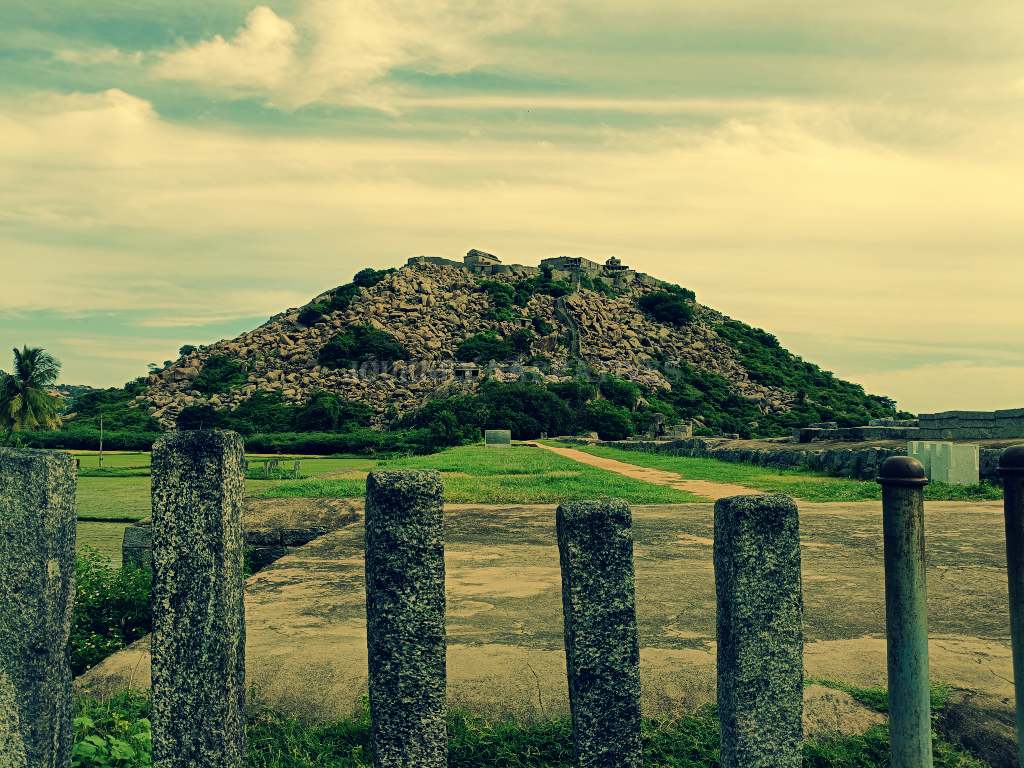
Gingee Fort: 9 Fascinating Reasons This Majestic Fort Will Amaze Every Traveler
Some places don’t just tell history — they make you climb it, feel it, and conquer it. That’s exactly what awaits you at Gingee Fort, one of the most dramatic and underrated historical destinations in Tamil Nadu. Often called the “Troy of the East,” this massive hill fort isn’t a single structure but a complex spread across three hills. The Gingee Fort travel experience is filled with adventure, breathtaking views, and fascinating stories of courage. If places like this captivate you, explore more historic and cultural destinations across the state in our Tamil Nadu Travel Guide. Here’s why this majestic fort deserves a spot on your travel list. The Climb That Feels Like a Victory Reaching the top of Gingee Fort isn’t effortless — and that’s what makes it special. Stone steps carved into steep hills lead you upward, past ancient walls and gateways. As you climb higher, the modern world fades away, replaced by silence, wind, and history. When you finally reach the summit, the feeling is incredibly rewarding. Three Hills, Three Different Adventures Unlike most forts, Gingee Fort is spread across three main hills: Each hill offers unique views and experiences, making the visit feel like multiple adventures in one destination. Views That Stretch Forever One of the most unforgettable parts of visiting Gingee Fort is the view from the top. You’ll see: It’s the kind of view that makes every step of the climb worthwhile. Fascinating Structures Inside the Fort Gingee Fort isn’t just about the climb — it’s filled with impressive historical structures. You’ll discover: These structures reveal how advanced and self-sufficient the fort once was. A Fort That Even Invaders Feared Gingee Fort earned its reputation as one of India’s strongest forts. It was ruled by several powerful dynasties, including the Marathas, Mughals, and French. Its strategic location and design made it extremely difficult to conquer. Walking here feels like stepping into stories of battles and bravery. Perfect Destination for Adventure Lovers If you enjoy trekking and exploring, Gingee Fort is a dream destination. The climb challenges you, the terrain excites you, and the views reward you. It’s one of the rare historical places that offers both adventure and heritage together. Peaceful and Less Crowded Despite its incredible history, Gingee Fort remains less crowded than many popular forts. This allows you to explore slowly, take photos peacefully, and truly enjoy the surroundings without rush. It feels raw, authentic, and untouched. A Photographer’s Paradise Every corner of Gingee Fort offers stunning visuals: Whether you love photography or just capturing memories, you’ll find endless inspiration here. Fortresses like this are just a glimpse of India’s rich past—discover more through our India Travel Guide. An Easy and Rewarding Trip from Chennai Located about 160 km from Chennai, Gingee Fort is perfect for a weekend road trip. The journey itself is scenic, and the destination offers a complete change from city life. It’s ideal for history lovers, trekkers, and explorers alike. Where History and Adventure Come Together Gingee Fort is not just a monument you look at — it’s a place you experience. You climb its steps, walk through its ruins, and stand where warriors once stood. Long after your visit, the memories of its views, stories, and energy stay with you. For a wider journey through ancient forts, empires, and cultural landmarks, explore our Asia Travel Guide for inspiration.
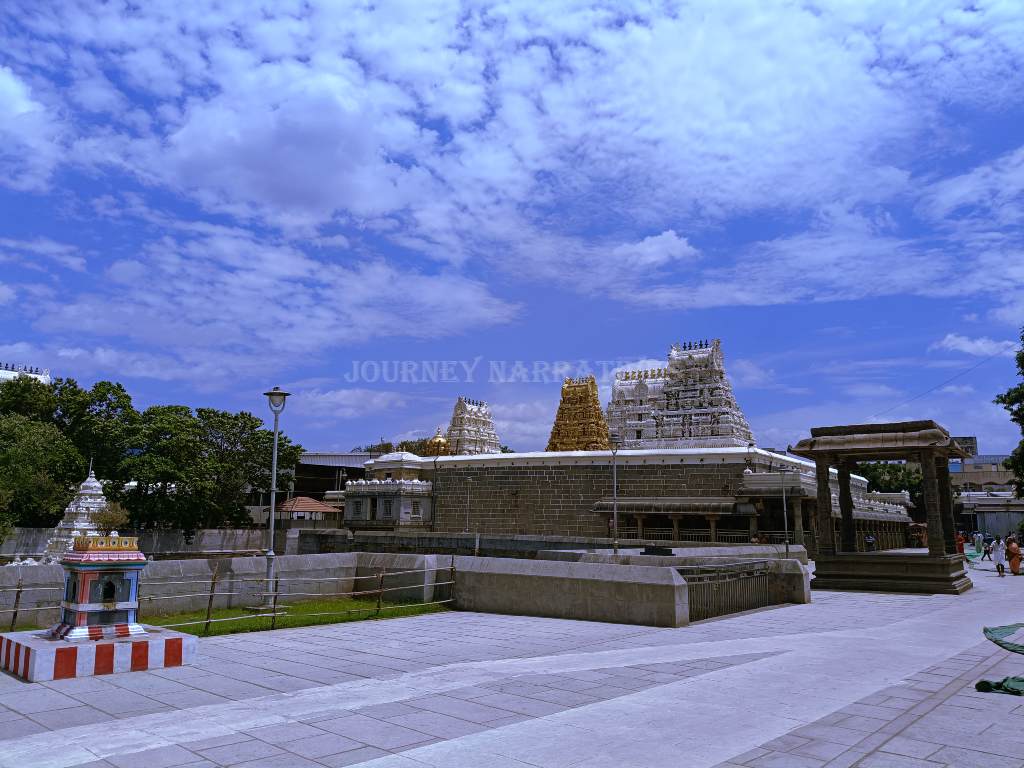
Kanchipuram: 7 Enchanting Experiences That Reveal Its Regal Temple Heritage
Soft temple bells, silk threads glistening in sunlight, and centuries-old stories carved in stone — Kanchipuram is a destination where heritage feels alive in every corner. Known as the “City of Thousand Temples,” Kanchipuram offers a deeply spiritual and cultural journey that goes far beyond sightseeing. The Kanchipuram temple heritage is what truly defines this ancient city. Whether you come seeking blessings, history, architecture, or silk, this sacred town welcomes you with timeless grace. To continue exploring temple towns and cultural landscapes like this, our Tamil Nadu Travel Guide brings together more such experiences. 1. Stand Before the Majestic Ekambareswarar Temple One of the largest Shiva temples in India, the Ekambareswarar Temple is an architectural marvel. Its towering gopuram dominates the skyline, while inside, a sacred mango tree believed to be over 3,000 years old adds a mystical aura. Walking through its vast corridors feels like stepping into another era. 2. Discover Serenity at Kailasanathar Temple If you want to witness pure ancient artistry, the Kailasanathar Temple is unforgettable. Built by the Pallavas, this sandstone temple is quieter and more intimate. The intricate carvings, weathered yet graceful, tell stories of devotion and craftsmanship that have survived for centuries. It’s easily one of the most peaceful places in the city. 3. Seek Blessings at Kamakshi Amman Temple The spiritual heart of the city lies at the Kamakshi Amman Temple. Dedicated to Goddess Kamakshi, this temple attracts devotees from across India. The atmosphere here is deeply devotional, and many believe prayers offered here bring harmony and prosperity. Even for non-devotees, the energy is powerful. 4. Admire the Grandeur of Varadaraja Perumal Temple Among the most important Vishnu temples in South India, the Varadaraja Perumal Temple is both sacred and visually stunning. Its beautifully carved pillars, temple tanks, and towering structures reflect the brilliance of Dravidian architecture. Take your time here — every detail deserves attention. 5. Witness the Legendary Kanchipuram Silk Weaving Kanchipuram is equally famous for its silk sarees, worn by brides across generations. Visiting a local weaving centre lets you see artisans transform silk threads into masterpieces. The patience, precision, and tradition involved make you appreciate these sarees even more. It’s not just shopping — it’s witnessing living heritage. 6. Feel the Spiritual Rhythm of Temple Streets Beyond the major temples, the true charm of Kanchipuram lies in its streets. You’ll find: These everyday scenes make the city feel deeply sacred. 7. Experience a Perfect Heritage Escape from Chennai Located just about 75 km from Chennai, Kanchipuram makes for a meaningful day trip or weekend getaway. The journey itself feels like a transition — from modern city life to ancient spiritual calm. Sacred places like this are woven into the country’s larger story—discover more through our India Travel Guide. Why Kanchipuram Leaves a Lasting Impression Kanchipuram isn’t about fast travel or ticking off attractions. It’s about slowing down, observing, and connecting with something timeless. The temples, traditions, and atmosphere create an experience that stays with you long after you leave. It’s not just a place you visit — it’s a place you feel. For a broader journey through historic temples and spiritual destinations across regions, explore our Asia Travel Guide for inspiration.

Chapora Fort Goa: 7 Stunning Truths That Make It North Goa’s Most Iconic Sunset Spot
Chapora Fort Goa is not just another stop on a sightseeing list — it’s one of the most defining landscapes of North Goa. Perched dramatically above the Arabian Sea, this historic fort blends cinematic nostalgia, Portuguese-era history, and some of the most powerful sunset views in the state. Whether you’re visiting Goa for the first time or returning for a slower, more meaningful trip, Chapora Fort deserves intentional time in your itinerary. It’s raw. It’s windy. It’s unforgettable. Coastal landmarks such as Chapora Fort highlight the blend of history and scenery that shapes journeys across India. 1. The Views From Chapora Fort Goa Are Wildly Beautiful The first thing that strikes you is the scale. From the top, you see the vast Arabian Sea on one side and the Chapora River curving inland on the other. The red laterite walls contrast beautifully against deep blue waters, especially during golden hour. Unlike crowded beach viewpoints, this elevated setting gives you a panoramic, uninterrupted horizon — something rare in North Goa. 2. The “Dil Chahta Hai” Legacy Lives On Chapora Fort became iconic after appearing in Dil Chahta Hai. The scene of three friends sitting against the fort wall made this location legendary. Even today, visitors recreate that pose — it has almost become a ritual. For many travelers, the fort isn’t just historic — it’s nostalgic. 3. A Fort with Real Colonial History Built by the Portuguese in 1617, Chapora Fort was designed to guard against invasions via the Chapora River. Over time, it changed hands between the Portuguese and the Marathas before eventually being abandoned. Today, the fort stands mostly in ruins — but that’s exactly its charm. There are no restored corridors or curated museum displays. Instead, you get weathered stone walls, old bastions, and a sense of time standing still. 4. The Climb Is Short but Rewarding Reaching the top requires a 10–15 minute uphill walk. The trail is uneven and rocky, so comfortable footwear is important. It’s not a difficult climb, but it does require steady footing — especially during monsoon. Once you reach the summit, the wind greets you first. Then the view unfolds. And in that moment, the climb feels insignificant. 5. It’s the Most Dramatic Sunset Spot in North Goa Beaches offer beautiful sunsets — but Chapora Fort offers drama. From here, you watch the sun dip into the Arabian Sea while Vagator Beach glows below. Boats turn into silhouettes. The sky transforms into shades of orange, pink, and deep purple. If you want one sunset memory from North Goa that stays with you long after the trip ends, this is it. 6. Perfectly Paired with Vagator Beach Chapora Fort overlooks Vagator Beach, making it easy to combine both in one relaxed day. A simple plan: It’s one of the most balanced North Goa experiences — beach, history, and landscape in a single evening. 7. A Surprisingly Budget-Friendly Attraction One of the most appealing things about Chapora Fort? There is no entry fee. In a destination where experiences can quickly become expensive, this iconic landmark remains completely free to visit. All you need is time, water, and the willingness to slow down. Scenic coastal viewpoints like Chapora Fort reflect the natural diversity found across Asia. Travel Tips for Visiting Chapora Fort Goa Avoid peak afternoon heat, especially from March to May. Is Chapora Fort Goa Worth Adding to Your Itinerary? Without hesitation — yes. It may not be the most architecturally elaborate fort in Goa. But what it offers is perspective, atmosphere, and emotion. From the top, you don’t just see the coastline — you understand why Goa feels different from anywhere else. If your Goa trip includes more than beaches and nightlife, Chapora Fort belongs on your list. For a well-rounded itinerary covering North and South Goa, hidden beaches, historic forts, and cultural experiences, check out our detailed Goa travel guide.