The food and local life of Hyderabad reveal how deeply eating habits in India are tied to place. Food rarely exists in isolation; it is shaped by where people live, how they move, and the spaces where daily life unfolds. Nowhere is this more visible than in Hyderabad—a city where streets, bazaars, and old neighborhoods function as living food landscapes. These spaces preserve culinary traditions passed down through generations, even as they face constant pressure from urban growth, changing tastes, and modern consumption.
Within the larger story of food and local life in India, Hyderabad represents an essential urban landscape—one where food is not curated for visitors but consumed daily by residents who depend on it for livelihood, identity, and survival. The city’s food culture is embedded in its lanes, markets, and shared spaces, shaped as much by routine as by celebration.
Table of Contents
Below are eight living street and bazaar landscapes that reveal how Hyderabad eats, remembers, and adapts.
1. The Old City Lanes: Food as Daily Rhythm
In the narrow lanes around Charminar, food is inseparable from everyday movement. Breakfast begins early, with vendors selling idlis, dosas, kheema roti, and steaming cups of tea to shopkeepers opening shutters. By midday, rice meals and biryani portions feed workers who pause briefly before returning to trade.
These streets preserve food traditions through repetition. Recipes remain largely unchanged because they serve a local population that expects familiarity, not novelty. Yet pressure is constant—rising rents, traffic congestion, and shrinking pedestrian space threaten the slow, human rhythm that sustains this food ecosystem.
2. Charminar Bazaar: Where Food and Commerce Intersect
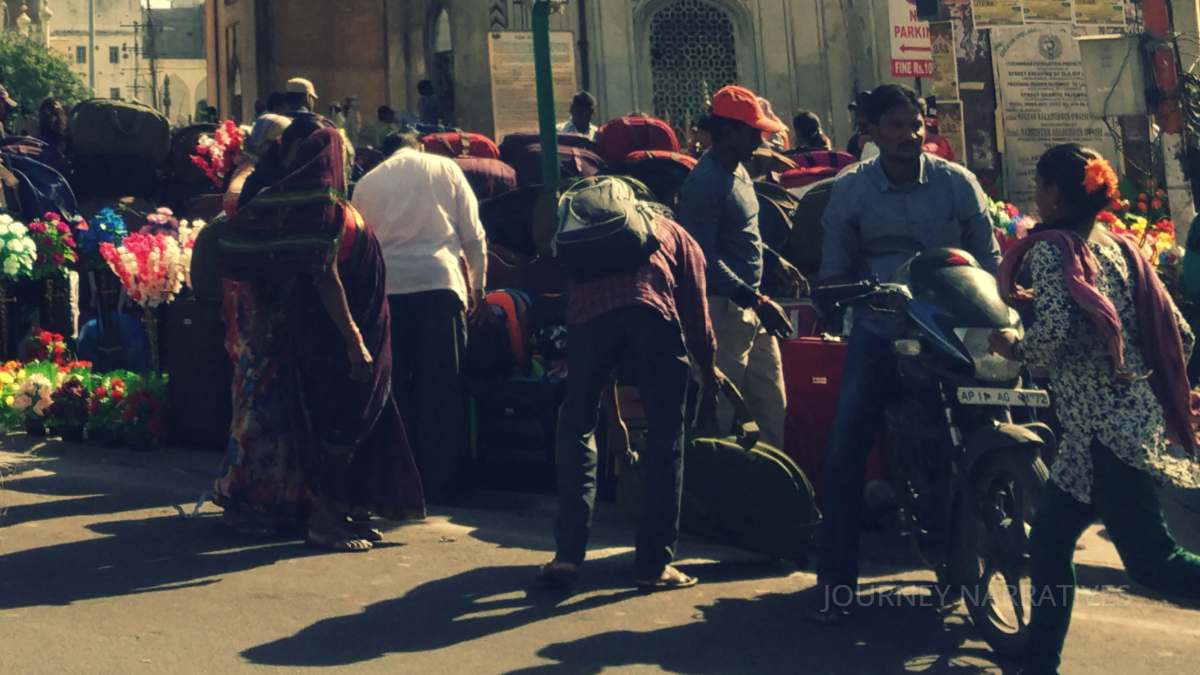
The Charminar area is often described visually, but its deeper significance lies in how food operates alongside commerce. Spice sellers, bangles shops, perfume vendors, and food stalls exist in close proximity, reflecting an older model of Indian markets where nourishment and trade are intertwined.
Street snacks, fruit carts, and sweet sellers cater to shoppers rather than tourists. Food here is practical, affordable, and designed for quick consumption—evidence of a food culture shaped by working lives rather than leisure. Modern crowd control measures and commercialization increasingly strain this balance.
3. Irani Cafés: Shared Tables, Shrinking Spaces
Hyderabad’s Irani cafés are cultural landmarks not because of nostalgia alone, but because they represent a rare social food space. Long wooden tables encourage strangers to sit together, sip tea, and eat biscuits or bun maska without ceremony.
These cafés preserve a communal way of eating that resists individualism. However, rising operational costs, changing real estate values, and shifting customer habits place immense pressure on their survival. Each closure represents not just a business loss, but the erosion of a shared food habit.
4. Moazzam Jahi Market: Ingredients as Memory
Markets like Moazzam Jahi are less about ready-made food and more about the raw materials that sustain local cooking. Vegetables, fruits, spices, meat, and dry goods flow through the hands of buyers who cook at home, preserving everyday food traditions quietly.
These markets reflect a slower, ingredient-based food culture that contrasts with packaged convenience foods. Yet modernization, supermarket expansion, and declining foot traffic threaten their relevance, pushing traditional markets to the margins of urban planning.
5. Street Breakfast Zones: The Invisible Food Network
Across Hyderabad, certain streets come alive only in the early morning. Temporary stalls serve tiffin items to daily-wage workers, auto drivers, students, and office-goers. By late morning, these stalls disappear, leaving little trace behind.
These breakfast landscapes preserve affordability and accessibility, ensuring food reaches people before formal work begins. They operate informally, often without legal recognition, making them highly vulnerable to regulation and displacement—even though they feed thousands daily.

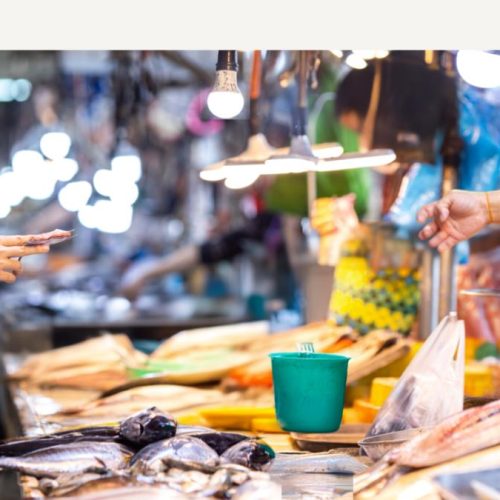
6. Meat Markets and Butcher Streets: Sustaining Culinary Identity
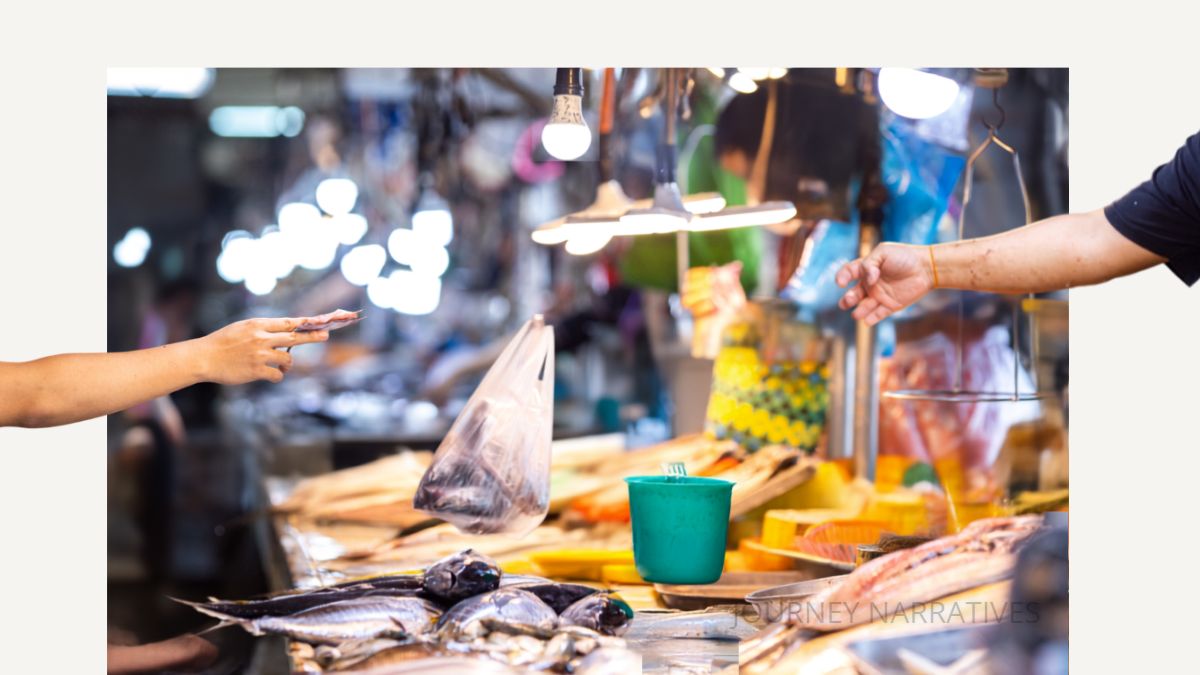
Hyderabad’s culinary identity is deeply tied to meat-based cooking, sustained by dedicated butcher streets and meat markets. These spaces supply households, eateries, and small hotels, maintaining the flavors associated with regional cuisine.
Despite their importance, these areas face increasing scrutiny due to hygiene regulations, urban aesthetics, and residential complaints. The pressure to relocate or sanitize these markets risks disconnecting food traditions from the spaces that sustain them.
7. Evening Snack Streets: Food as Social Pause
As daylight fades, specific streets transform into informal food corridors. Chaat, kebabs, roasted corn, sweets, and tea create a shared evening ritual. Families, friends, and solo diners gather not for events, but for habit.
These snack landscapes preserve food as a social pause—a moment of connection in otherwise busy lives. However, traffic restrictions, licensing issues, and competition from malls and food courts continue to challenge their existence.
8. Festival Food Zones: Temporary but Essential Landscapes
During festivals, parts of Hyderabad become temporary food landscapes. Special sweets, seasonal dishes, and celebratory cooking spill into public spaces, reinforcing community bonds.
These moments preserve collective memory through taste, yet they are increasingly regulated or confined indoors due to safety and crowd-control concerns. The pressure to manage festivals efficiently often reduces their spontaneous food culture.
Food and Local Life of Hyderabad in India’s Broader Food Landscape Story
Within the broader pillar of Food and Local Life in India, Hyderabad represents the urban street-and-market landscape—a crucial counterpart to plantations, farms, and rural food systems. Its food culture is not curated, plated, or packaged for storytelling. It exists because people depend on it daily.
These living landscapes preserve tradition through use, not display. At the same time, they are under continuous pressure from modernization, policy, and changing consumption patterns. Understanding Hyderabad’s food life means recognizing that food traditions survive not because they are frozen in time, but because they adapt within imperfect, crowded, and contested spaces.
In this tension between preservation and pressure lies the true story of food and local life—not just in Hyderabad, but across India’s evolving urban landscapes.