
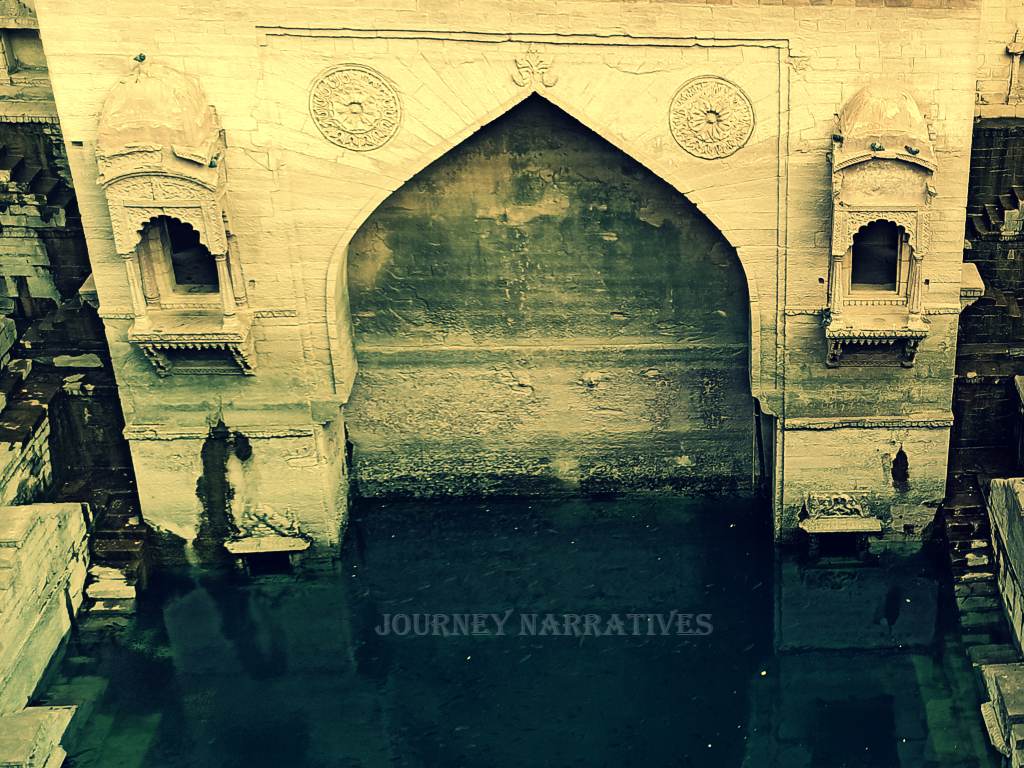
Tucked away in the vibrant lanes of Jodhpur’s old city, Toorji Ka Jhalra is one of those places that quietly surprises you. While most travelers rush between forts and palaces, this 18th-century stepwell offers a slower, more intimate glimpse into the city’s heritage—where architecture, history, and everyday life blend effortlessly. Toorji Ka Jhalra is one of many hidden architectural gems scattered across the state—explore more in our Rajasthan Travel Guide. Here’s why Toorji Ka Jhalra deserves a meaningful stop in your Jodhpur journey. 1. A Royal Legacy Carved in Stone Built in the 1740s by Maharaja Abhay Singh’s queen, this stepwell reflects the tradition of royal women contributing to public welfare. Stepwells were not just water sources—they were community spaces, and this one carries that legacy with grace. 2. Mesmerizing Step Geometry The symmetrical steps descending into the well create a striking visual pattern. Whether you’re looking from the top or walking down, the geometric precision makes it a photographer’s dream. 3. A Blend of Function and Beauty Unlike modern structures, Toorji Ka Jhalra was designed with both utility and aesthetics in mind. Intricate carvings, niches, and tiered steps turn a simple water reservoir into an architectural masterpiece. 4. A Window into Jodhpur’s Daily Life What makes this place special is how alive it feels. Locals still gather here, and sometimes you’ll see people sitting, chatting, or even taking a dip in the water—making it more than just a tourist spot. 5. A Refreshing Break from Crowds Compared to Jodhpur’s popular attractions, this stepwell offers a peaceful pause. It’s the kind of place where you can sit quietly, absorb the surroundings, and feel connected to the city’s rhythm. 6. A Photographer’s Paradise The interplay of light and shadow throughout the day creates ever-changing moods. Early mornings and late afternoons are especially magical, with soft light enhancing the stone textures. 7. Surrounded by Charming Cafés The area around the stepwell has transformed into a lively yet relaxed zone with boutique cafés and local eateries. It’s perfect for grabbing a coffee while enjoying views of this historic structure. 8. A Revival Story Worth Knowing For years, Toorji Ka Jhalra was neglected and filled with debris. Its restoration has brought it back to life, making it a symbol of heritage conservation done right. 9. Easy to Combine with a Heritage Walk Located in the heart of the old city, it fits perfectly into a walking itinerary. You can explore nearby markets, blue houses, and cultural spots without needing extra travel time. Experiences like Toorji Ka Jhalra reveal how everyday spaces shape travel stories—discover more such meaningful places in our India Travel Guide. Travel Tips for Visiting Toorji Ka Jhalra A Quiet Highlight of Jodhpur Toorji Ka Jhalra may not be as grand as forts or as famous as palaces, but it tells a story that feels more personal. It’s a place where history isn’t locked behind walls—it lives in the open, under the sky, reflected in still waters and ancient stone steps. If you’re someone who enjoys discovering places beyond the obvious, this stepwell will stay with you long after you leave Jodhpur. From stepwells to royal landmarks, plan your route efficiently with our detailed Jodhpur Travel Guide. Historic stepwells like this reflect the cultural depth you’ll find across the region—explore similar experiences in our Asia Travel Guide.
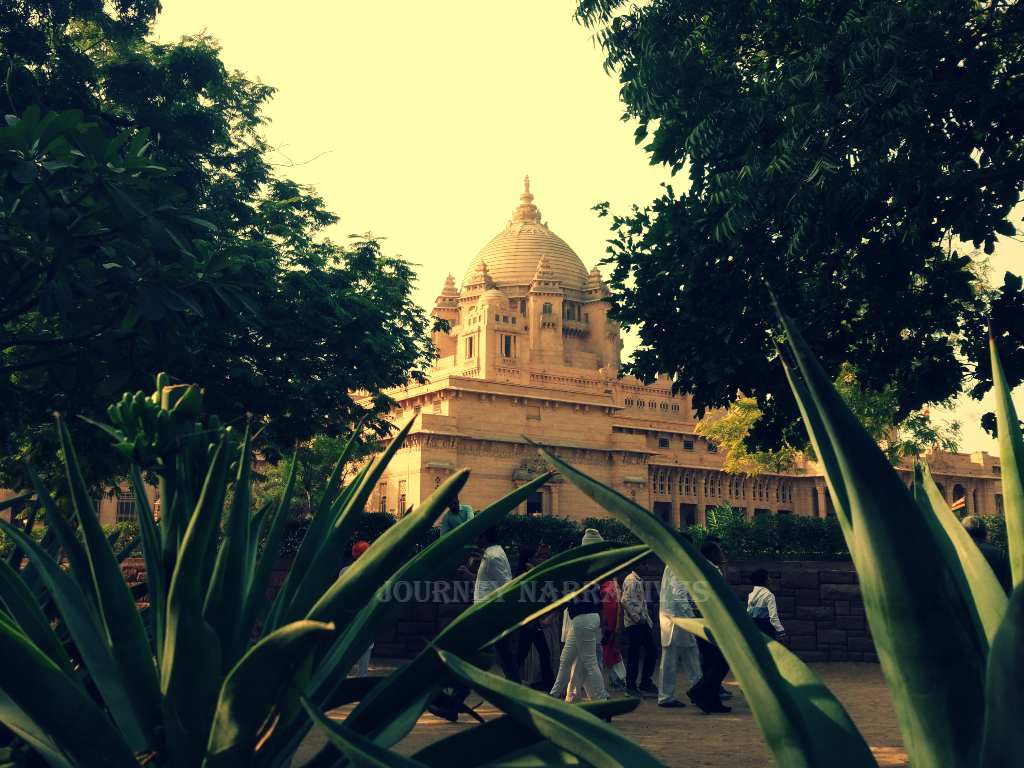
7 Royal Experiences at Umaid Bhavan Palace, Jodhpur That Feel Truly Grand
Umaid Bhavan Palace, Jodhpur is more than just a historic landmark—it’s a living symbol of royalty, elegance, and timeless grandeur. Set against the backdrop of the desert city of Jodhpur, Umaid Bhawan Palace stands as one of the last great palaces built in India, blending heritage with luxury. Whether you’re visiting for its history, architecture, or sheer scale, the experiences here feel nothing short of royal. Here are 7 royal experiences at Umaid Bhavan Palace, Jodhpur that truly feel grand. 1. Admiring the Palace’s Majestic Architecture The first thing that captures your attention is the sheer scale and symmetry of the palace. Built using golden-yellow sandstone, its design reflects a blend of Indian and European architectural styles, making it both unique and visually striking. 2. Exploring the Museum Inside the Palace A part of the palace is open to visitors as a museum, where you can explore royal artifacts, vintage photographs, and glimpses into the lifestyle of the Jodhpur royal family. It offers a deeper understanding of the palace’s history and legacy. 3. Witnessing a Living Royal Residence What makes Umaid Bhawan Palace truly special is that it’s still home to the royal family. This rare aspect adds authenticity and makes your visit feel connected to a living history. 4. Experiencing the Grandeur of the Palace Grounds The expansive lawns and open spaces surrounding the palace enhance its majestic presence. Walking through these areas gives you a sense of the scale and luxury that define royal living. 5. Umaid Bhavan Palace, Jodhpur and Its Timeless Royal Charm There’s a certain aura about Umaid Bhawan Palace that goes beyond what you see. It’s in the silence, the structure, and the legacy it carries—creating an experience that feels both powerful and graceful. 6. Capturing Iconic Views and Moments From every angle, the palace offers stunning photo opportunities. Whether it’s the dome, the pathways, or the surrounding landscape, every frame feels postcard-worthy. 7. Feeling the Essence of Royal Legacy More than anything, a visit here leaves you with a sense of how royalty once lived—and in some ways, still does. It’s an experience that stays with you long after you leave. A Grand Highlight in Your Jodhpur Journey Experiences like Umaid Bhawan Palace add depth to your visit, especially when combined with other iconic spots in Jodhpur. If you’re planning to explore more, don’t miss our guide on the 12 Best Places to Visit in Jodhpur for a Royal Heritage Experience to make the most of your trip.To get a complete overview of the city, our Jodhpur Travel Guide helps you plan your journey better.For more royal destinations, explore our Rajasthan Travel Guide.And for a wider journey across cultures and regions, take a look at our India Travel Guide and Asia Travel Guide. A Lasting Impression from Umaid Bhavan Palace A visit to Umaid Bhawan Palace doesn’t just show you royalty—it lets you feel it. The grandeur, the history, and the quiet elegance of the place linger long after your visit, making it one of the most memorable experiences in Jodhpur.
6 Fascinating Realities of Crawford Market Mumbai That Reveal Food and Local Life in India
Crawford Market reveals how visible and demanding India’s food systems truly are. In India, food systems are rarely hidden; they unfold in public, shaped by movement, labor, weather, and time. The food and local life of Mumbai are expressed most clearly through markets—spaces where nourishment, commerce, and survival intersect every day. Among them, Crawford Market stands as one of the city’s most intense food landscapes, feeding millions through a rhythm that never truly pauses. Within the larger story of food and local life in India, Crawford Market represents an essential urban market landscape. It is not curated for storytelling or softened for leisure. It functions because it must—moving food from hands to homes in a city that depends on speed, volume, and endurance. 1. The Wholesale Core: Feeding a City at Scale At its heart, Crawford Market operates as a wholesale engine. Long before most of Mumbai wakes, trucks arrive loaded with fruits, vegetables, dry goods, and spices sourced from across Maharashtra and beyond. Transactions happen quickly, voices rise, hands move, and food changes ownership at a pace that reflects the city’s appetite. This core landscape preserves a traditional supply chain built on trust, repetition, and relationships. Yet it is under constant pressure from rising transport costs, competition from large distributors, and infrastructure limits that struggle to support the volume required to feed millions daily. 2. Retail Corridors: Food for Everyday Homes Surrounding the wholesale center are retail corridors where households shop for daily needs. Shoppers weave through narrow passages selecting produce, grains, and spices—ingredients that sustain home cooking across neighborhoods. These corridors preserve everyday food traditions by keeping ingredients accessible and affordable. Unlike supermarkets, the market allows negotiation, familiarity, and choice. However, changing consumer preferences, packaged alternatives, and shrinking family cooking time place pressure on this slower, human-centered food exchange. 3. Fruit and Spice Zones: Sensory Landscapes of Labor Certain sections of Crawford Market are defined by sensory intensity—piles of fruits stacked high, sacks of spices releasing sharp aromas, voices competing with the sounds of weighing scales and vehicles outside. These zones reveal food as physical labor. Sorting, carrying, and stacking are continuous, often invisible efforts that sustain the city’s meals. While these landscapes preserve traditional trade skills, they are increasingly challenged by safety concerns, modernization efforts, and the physical toll on workers who keep the system running. 4. Surrounding Street Vendors: Extending the Market’s Reach Beyond the market’s walls, street vendors form an informal extension of the food landscape. Selling snacks, fruits, drinks, and quick meals, they serve workers, shoppers, and passersby who rely on affordable, immediate nourishment. These vendors preserve accessibility, ensuring food is available beyond formal stalls. Yet their presence is constantly contested—caught between regulation, eviction drives, and the need for urban order. Their survival reflects the tension between planning and practicality in Indian food systems. 5. Time-Based Food Cycles: A Market That Never Sleeps Crawford Market functions on shifting time cycles. Early mornings belong to wholesalers and transporters. Late mornings and afternoons cater to households and small retailers. Evenings bring a different crowd—those shopping after work or seeking last-minute supplies. This constant rotation preserves a food system that adapts to the city’s unpredictable rhythms. However, exhaustion, staffing challenges, and infrastructure strain highlight the cost of sustaining a market that rarely rests. 6. Cultural Crossroads: Food, Migration, and Memory Mumbai’s identity as a migrant city is reflected in Crawford Market’s food life. Traders, porters, and sellers come from different regions, bringing culinary preferences and working styles shaped by distant homelands. This diversity preserves a layered food culture, where regional ingredients coexist within a single market. At the same time, economic pressure and rising living costs push many workers to the margins, threatening the continuity of these human networks. Food and Local Life of Mumbai in India’s Market Landscape Story Within the pillar Food and Local Life in India, Crawford Market represents the urban market landscape—a space where food sustains not just tradition, but survival. Unlike plantations or rural food systems, this landscape operates under relentless demand, constant movement, and limited space. The food and local life of Mumbai are defined by intensity rather than ceremony. Markets like Crawford preserve food traditions not through nostalgia, but through daily repetition under pressure. They nourish communities while absorbing the weight of a city that never slows down. Understanding Crawford Market is essential to understanding how Indian cities eat. It shows that food landscapes are not only about taste or heritage, but about systems—fragile, human, and indispensable—that keep millions fed, day after day.
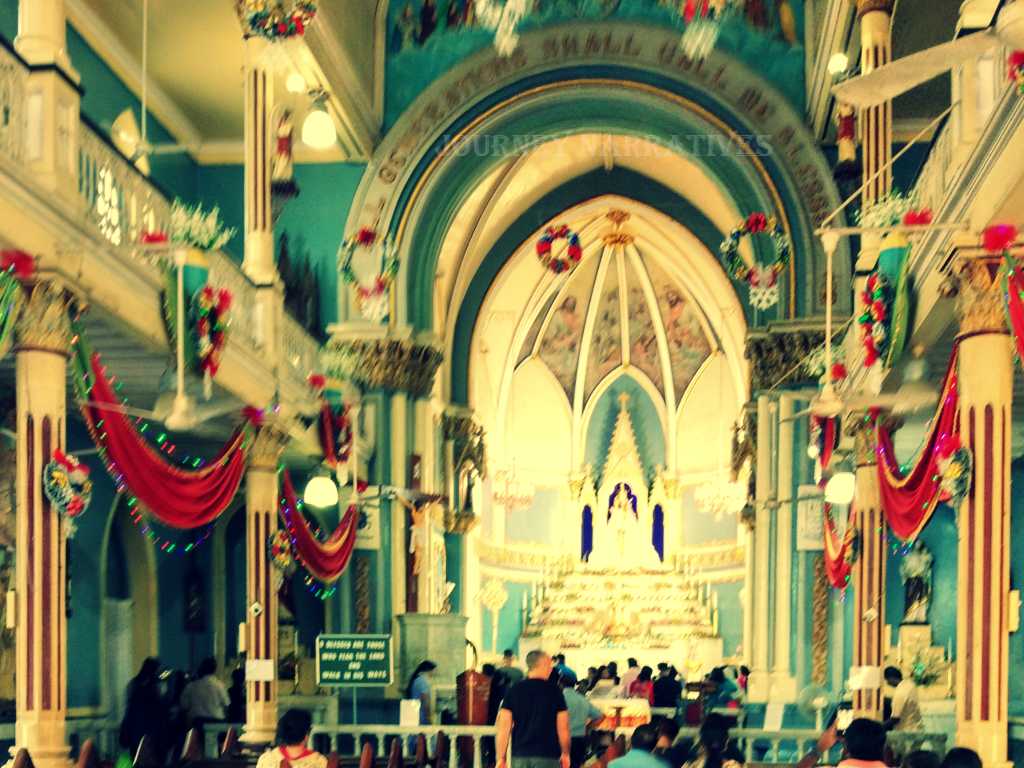
Why Mount Mary Church Feels Like a Quiet Escape: 5 Honest Reasons
In a city that rarely slows down, Mount Mary Church stands out as a place that feels calm, grounded, and quietly meaningful. Perched gently above the bustle of Bandra, it offers a space where noise fades, time softens, and your thoughts finally settle. If you’re planning a wider itinerary, check out the Maharashtra Travel Guide to discover more destinations beyond Mumbai. This isn’t just a religious landmark; it’s an experience that feels personal, almost reflective. Here are five honest reasons why Mount Mary Church feels like a quiet escape in the middle of Mumbai. 1. A Hilltop Setting That Naturally Slows You Down The moment you begin walking up toward the church, something shifts. The elevation, the breeze, the gradual distance from traffic—it all creates a subtle transition from chaos to calm. Unlike many crowded spots in Mumbai, this hilltop location encourages you to slow your pace without even realizing it. 2. A Silence That Feels Real, Not Forced Silence in cities often feels artificial, but here it feels genuine. Inside the church, the quiet isn’t just the absence of noise—it’s a presence in itself. Whether you sit for a few minutes or longer, there’s a stillness that allows your mind to breathe. 3. A Space That Welcomes Everyone You don’t need to follow a particular faith to feel connected here. People from different backgrounds visit, sit, reflect, and leave with a sense of ease. That openness makes the experience feel less like a ritual and more like a moment of personal pause. 4. Views That Add to the Calm Step outside, and you’re greeted with soft coastal views and glimpses of the surrounding city. The contrast is striking—you can see Mumbai, but you don’t feel overwhelmed by it. The visuals quietly remind you that calm and chaos can exist side by side. 5. A Break from the City’s Constant Rush What makes this place special isn’t just what it offers—it’s what it removes. No rush, no pressure, no expectation to “do” anything. In a city driven by movement, Mount Mary Church gives you permission to simply be. To expand your travel journey further, explore our India Travel Guide for diverse destinations across the country. You can also browse the Asia Travel Guide for more serene and culturally rich destinations. A Place That Encourages Reflection There’s something about the atmosphere here that invites introspection. Maybe it’s the quiet corners, the soft light filtering through, or the gentle rhythm of people coming and going without disturbance. It becomes easy to sit with your thoughts, to pause without distraction, and to reconnect with a slower, more mindful state of mind. The Subtle Charm of Bandra Around It The experience doesn’t end at the church. The surrounding lanes of Bandra carry a relaxed, almost old-world charm with quaint streets, small cafés, and sea-facing viewpoints. This adds depth to your visit, making it feel less like a single stop and more like a calm, unhurried outing within Mumbai. Best Time to Experience the Calm Early mornings and late evenings tend to feel the most peaceful. During these hours, the light is softer, the crowd is thinner, and the overall atmosphere feels more intimate. Visiting during these times allows you to fully absorb the quiet essence of the place without distractions. A Gentle Pause in Your Mumbai Journey If your itinerary is filled with fast-paced experiences—busy streets, iconic landmarks, and crowded beaches—this is where you balance it out. Mount Mary Church offers a gentle pause, a moment to reset before continuing your journey through the city. If you’re planning to explore more such meaningful spots, you can always refer to the Mumbai Travel Guide or discover curated experiences in 15 Best Things to Do in Mumbai for an Unforgettable Experience.
4 Practical Budget-Friendly India Travel Itineraries Built Around Realistic Travel Costs
Budget-Friendly India Travel Itineraries focus on planning travel around what travelers actually spend, not aspirational estimates or generic cost ranges. In an era of fluctuating fuel prices, variable accommodation costs, and inconsistent transport options, realistic budgeting has become a critical part of itinerary design. Rather than reducing experiences, budget-structured itineraries prioritize value density—maximizing experience per rupee by balancing transport choices, stay locations, trip duration, and on-ground expenses. The goal is not cheaper travel, but smarter spending. This blog brings together four carefully structured itineraries that demonstrate how realistic travel spend can be planned without compromising comfort, pacing, or experience quality. 1. Mangalore to Bangalore: Managing Intercity Travel Costs Without Fatigue Intercity routes often consume the largest share of a travel budget, especially when transport decisions are made late or without comparison. The Mangalore–Bangalore corridor highlights how mode selection, timing, and stop planning directly affect both cost and comfort. A budget-structured approach to this route focuses on: When planned strategically, this journey delivers strong value without inflating the travel budget. Explore the detailed cost-aware planning guide:5 Practical Cost-Saving Choices for a Comfortable Mangalore to Bangalore Trip 2. Mangaluru: Building a High-Value City Itinerary Without Overspending City itineraries are ideal candidates for budget structuring because accommodation location, local transport, and attraction clustering have a direct impact on daily spend. This itinerary demonstrates how Mangaluru can be explored through: The result is a city itinerary that feels full and rewarding without unnecessary expenditure. Read the complete value-focused city plan:7 Value-Packed Ways to Explore Mangaluru Without Overspending To ensure peace of mind while traveling or living abroad, we recommend getting health insurance. SafetyWing’s Essential plan covers travel and medical emergencies with options for adventure sports and electronics theft. Their Complete plan offers comprehensive health coverage with routine healthcare, mental health support, and maternity, anywhere in the world, including in your home country, on top of all Essential benefits. 3. Mettur Dam from Salem: Structuring a Cost-Efficient Day Trip Short trips often deliver the highest return on spend when structured properly. The Salem–Mettur Dam route shows how day trips can be planned to avoid inflated transport costs, rushed schedules, or low experiential payoff. This itinerary focuses on: It’s a strong example of how budget-structured planning applies even to single-day travel. See the full day-trip planning approach:3 Budget-Friendly Planning Tips for a Relaxed Mettur Dam Day Trip 4. Chamundi Hills from Mysuru: High-Value Travel at Minimal Cost Some destinations naturally lend themselves to budget-structured itineraries due to proximity, accessibility, and low on-site expenses. Chamundi Hills from Mysuru is one such example. This itinerary illustrates how: It highlights how meaningful travel experiences don’t always require extensive budgets. Explore the full itinerary here:4 High-Value Stops That Make a Chamundi Hills Visit Worth Every Rupee Why Budget-Friendly India Travel Itineraries Matter Across all four examples, a consistent framework emerges: Budget-structured itineraries enable travelers to make confident, informed choices, reducing stress and avoiding overspending while still delivering satisfying travel experiences. To turn your travel dreams into well-organized journeys, browse our thoughtfully crafted travel itineraries that bring together time, distance, and meaningful experiences.
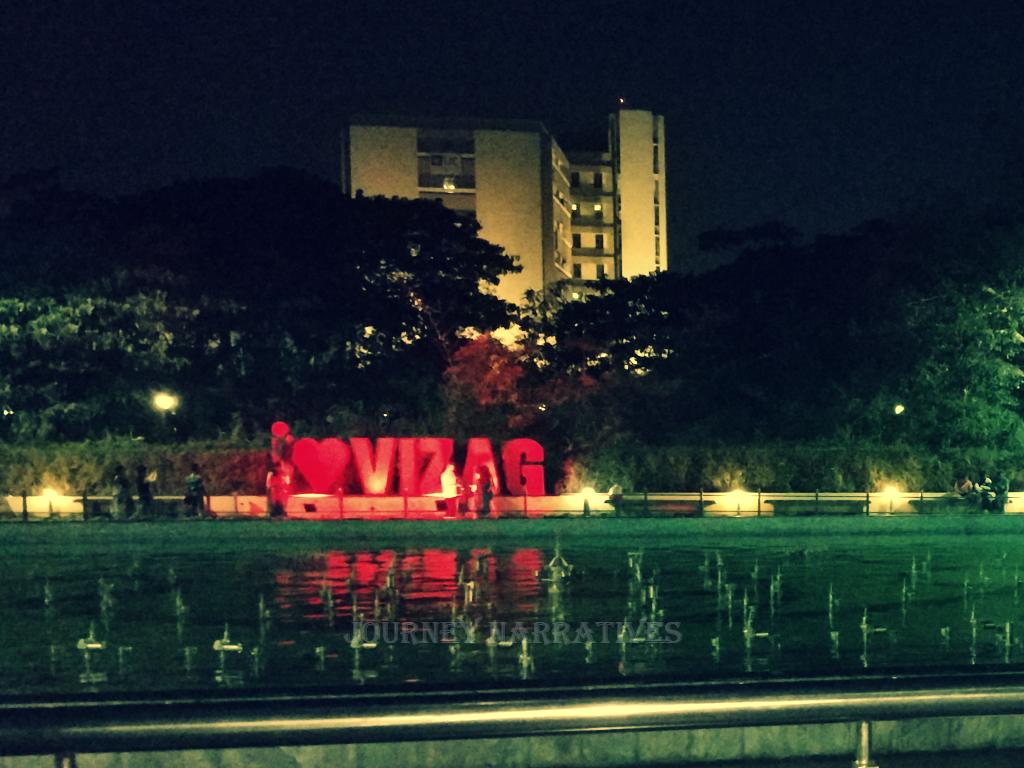
VUDA City Central Park: 7 Useful Things to Know Before Visiting
VUDA City Central Park is one of the most accessible green spaces in Visakhapatnam, offering a refreshing break from the city’s busy roads and coastal crowds. Whether you are looking for a peaceful walk, open space for children, or simply a quiet place to relax, the park provides a comfortable environment that feels welcoming and easy to explore. Located within the city, VUDA City Central Park feels calm without being too far from other attractions. It is suitable for short visits as well as slow evenings when you want to step away from routine and spend time outdoors. Including such places in your itinerary helps create a balanced travel experience where relaxation and exploration go together naturally. You can discover more places like this in the Visakhapatnam Travel Guide, which brings together key experiences across the city. 1. VUDA City Central Park is easy to include in your city plan The park is located within reach of many popular areas in Vizag, making it convenient to include without major travel effort. Many visitors prefer places that fit smoothly into their schedule, and VUDA City Central Park works well as a flexible stop between other sightseeing plans. Because it does not require extensive planning, it suits travellers who prefer a relaxed approach to exploring the city. Its accessibility also makes it a practical choice for those who may not want to travel long distances within the city. A short visit here can easily complement a day that already includes beaches, viewpoints, or cultural attractions. 2. Best suited for relaxed walks and quiet time The walking paths and open areas encourage visitors to slow down and spend time outdoors without feeling rushed. Many people come here for light exercise, casual walks, or simply to enjoy fresh air after spending time in crowded city spaces. The environment feels simple and comfortable, allowing visitors to experience the city at a gentler pace. Quiet spaces like this can make travel feel less tiring, especially when your itinerary includes multiple attractions. Even a short walk in a green setting can help you feel refreshed before continuing with the rest of your plans. 3. Green surroundings offer a refreshing change from city spaces Vizag is often associated with beaches and hill viewpoints, but VUDA City Central Park offers a different perspective through greenery and landscaped open spaces. The presence of lawns, plants, and shaded areas creates a pleasant contrast to busy roads and commercial areas. Spending time in such environments often adds variety to a travel experience. The natural setting also makes the visit feel less structured. Instead of focusing on activities, visitors can simply enjoy being outdoors and appreciating the quieter side of the city. 4. Suitable for families and casual outings Families often look for places that feel open, safe, and easy to explore without strict schedules. VUDA City Central Park provides enough space for children to move freely while adults can relax and enjoy the surroundings. The simple layout makes it comfortable even for first-time visitors. Because the environment is not overly crowded or complicated, it is also suitable for small group visits or informal meetups. Such spaces allow travellers to pause and enjoy time together without feeling rushed. 5. Evenings are usually the most comfortable time to visit Many visitors prefer late afternoon or evening hours when the temperature becomes more pleasant and the atmosphere feels relaxed. The softer light during this time often makes walks more enjoyable, and the overall environment feels calm without being too quiet. Morning visits can also feel refreshing, especially for travellers who prefer peaceful surroundings. Choosing the right time can make the experience more comfortable and enjoyable. 6. Works well as a slow travel experience Not every destination needs a list of activities. Some places are valuable simply because they allow you to pause and observe everyday life. VUDA City Central Park fits well into a slower style of travel where the focus is on comfort and balance rather than constant movement. Including quieter experiences in your itinerary often makes the overall journey feel less tiring. It also allows you to appreciate the city beyond its major attractions. 7. Can be combined with other Vizag attractions Because of its location, the park can be paired easily with other city experiences. Many travellers include it along with beaches, temples, or viewpoints to create a balanced day plan that does not feel rushed. Combining different types of attractions helps create a more varied travel experience. Such flexibility allows you to adjust your plans based on available time and personal interests. Even a short visit can add a refreshing pause between other activities. Why VUDA City Central Park is Worth Including in Your Vizag Plans VUDA City Central Park may not be as widely known as major landmarks, but it offers a different kind of travel value. The park creates an opportunity to slow down and enjoy time outdoors without the pressure of covering multiple attractions in a single day. Such spaces often become memorable because they add balance to an otherwise busy itinerary. For travellers exploring Visakhapatnam, including a calm green space helps create a more complete experience of the destination. Travel is not always about visiting the most famous places; sometimes quieter locations provide a better understanding of the city’s everyday rhythm. Whether you spend a short time here or choose to slow down for longer, the park adds a gentle and refreshing layer to your Vizag travel experience. Beyond Vizag, Andhra Pradesh offers a variety of journeys shaped by history, spirituality, and natural beauty. Discover more travel ideas across India, where every region offers something unique in culture, landscape, and tradition.
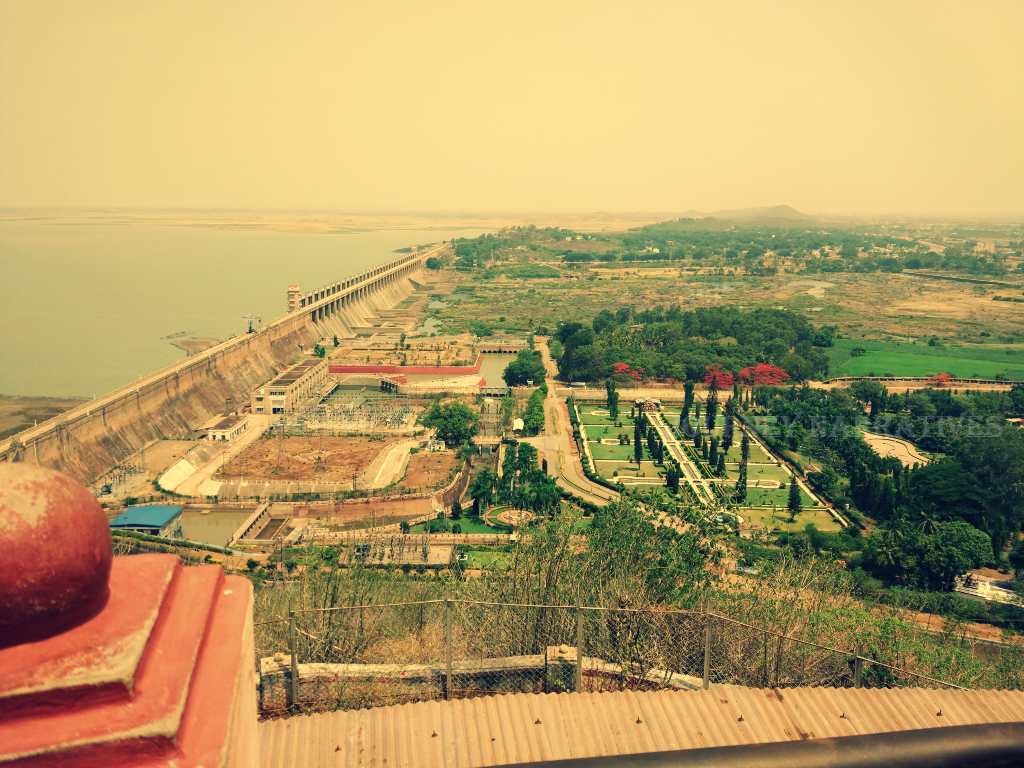
Tungabhadra River: 6 Powerful River Bends That Shape Life — and Strain the Land
Flowing across the rugged Deccan Plateau, the Tungabhadra River carries a character very different from forest-fed rivers of the Western Ghats. Here, water does not glide gently through dense greenery — it presses, turns, and reshapes a hard, rocky landscape through force and persistence. The defining feature of the Tungabhadra is its dramatic bends. These curves are not accidents of geography but outcomes of resistance — where water negotiates with rock, slope, and sediment. Each bend tells a story of erosion, settlement, and survival. This editorial exploration looks at six powerful river bends that reveal how the Tungabhadra river shapes both land and life. 1. Upper Plateau Bends: Water Against Stone In its upper stretches, the Tungabhadra river cuts across hard granite formations. The river bends sharply here, forced to change direction as it encounters resistant rock layers. These bends are zones of intense erosion. Over centuries, the river scours rock faces, deepening channels and widening curves. The land yields slowly, proving that even the hardest terrain can be reshaped by persistent flow. 2. Hampi Bend: Where River and Civilization Converged One of the most historically significant bends of the Tungabhadra river lies near Hampi. The river’s curve created natural boundaries, fertile floodplains, and defensive advantages that supported the Vijayanagara Empire. This bend shows how river dynamics influence human settlement. While the river offered its resources generously, it also demanded respect — seasonal floods and shifting banks shaped how the city expanded and survived. 3. Mid-Course Meanders: Fertility Born from Movement As the river enters gentler slopes, its bends widen into pronounced meanders. Here, erosion occurs on the outer banks, while sediments are deposited on the inner curves. These processes create fertile soil that sustains agriculture along the river’s edge. At the same time, farmland remains vulnerable to shifting channels, reminding communities that life near a river is always provisional. 4. Rocky Gorge Curves: Power Contained In narrower sections, the Tungabhadra river bends through rocky gorges where water accelerates and energy concentrates. These curves are loud, fast, and forceful. Such bends demonstrate the river’s raw power. They limit vegetation, restrict human access, and emphasize dominance over cooperation — a reminder that rivers do not always nurture gently. 5. Downstream Reservoir Influences: Altered Bends, Altered Balance Dams and reservoirs along the Tungabhadra river have softened some bends while intensifying others. Altered flow patterns reduce natural sediment movement, changing how the river interacts with its banks. These changes affect agriculture, fisheries, and riverbank stability. The bends still exist, but their natural rhythm has been disrupted — shaping the land in new, often unpredictable ways. 6. Lower Course Curves: Where Strength Begins to Thin In its lower reaches, the Tungabhadra’s bends become broader and slower. The river spreads wider, losing some of its cutting force but maintaining influence through seasonal flooding. Here, the land shows layers of past interactions — abandoned channels, fertile plains, and eroded banks — evidence of a river that has repeatedly rewritten its course over time. How River Bends Shape Life Along the Tungabhadra river The bends of the Tungabhadra determine: Life along the river is shaped not by straight lines, but by curves — each bend offering opportunity and risk in equal measure. Human Dependence and Natural Limits Communities along the Tungabhadra rely heavily on its waters, yet the river’s plateau setting leaves little margin for error. Reduced flow, over-extraction, and altered sediment cycles amplify pressure on an already demanding landscape. The bends continue to guide life, but they also reveal the limits of control in a system built on movement and change. A River That Shapes — Even as It Is Constrained The Tungabhadra does not sculpt forests quietly or carve caves invisibly. It reshapes the land openly, through force, resistance, and time. Its bends stand as records of negotiation between water and stone, life and limitation. Within the broader story of forest and river landscapes shaped by water and time, the Tungabhadra represents the harder edge of this relationship — where survival depends not on abundance, but on adaptation.
4 Joyful Moments from Vizag Utsav: A Festive Travel Experience in India That Sparks Celebration
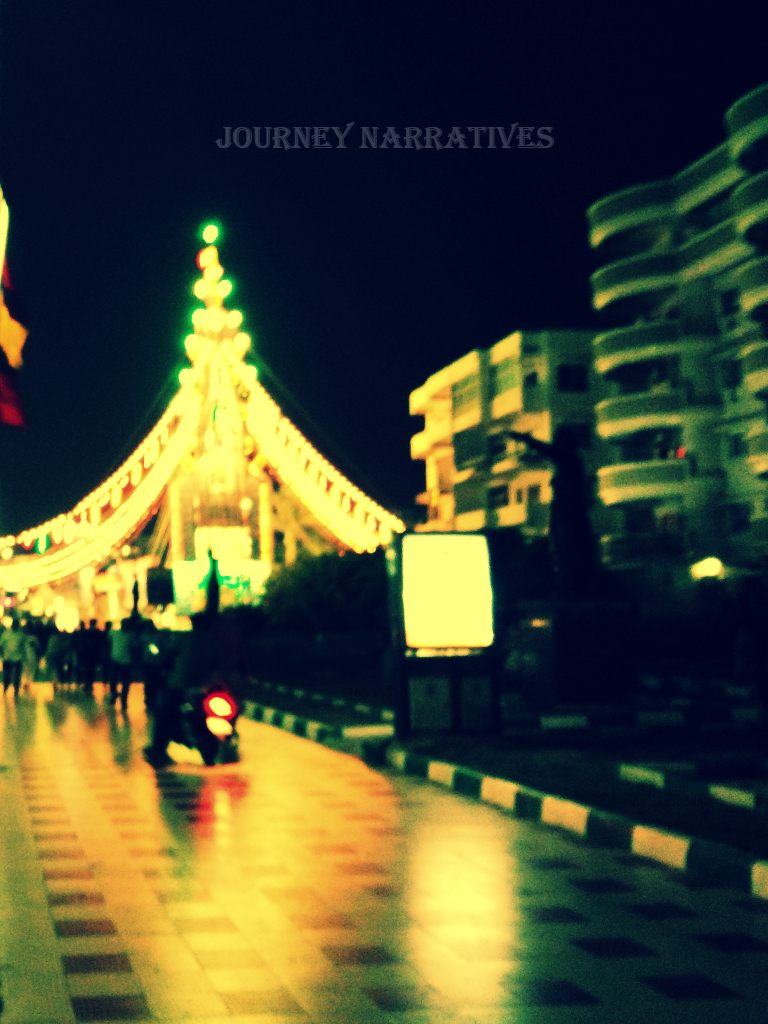
A festive travel experience in India often blends place, people, and emotion into a shared moment—and Vizag Utsav captures this spirit effortlessly. Set along the city’s expansive coastline, the celebration transforms a familiar beachscape into a vibrant space of music, movement, and collective joy. Rather than focusing on spectacle alone, Vizag Utsav offers something deeper: the feeling of belonging to a moment that is larger than oneself. It is this emotional resonance that allows the experience to stay long after the celebration ends. Why Vizag Utsav Represents a Festive Travel Experience in India Vizag Utsav is not confined to a single performance or attraction. It unfolds across open spaces, drawing energy from the sea breeze, the shoreline, and the crowd itself. The festival blurs the line between traveler and participant, making everyone part of the experience. As one of India’s most engaging festive travel experiences, it demonstrates how celebration can transform a destination—not by changing its geography, but by amplifying its emotional atmosphere. 1. When the Coastline Turns into a Celebration Space One of the most striking moments of Vizag Utsav is witnessing the beachfront evolve into a shared gathering ground. The open sea forms a dramatic backdrop, while lights, music, and movement bring the space alive. This setting reinforces why festive travel experiences in India feel unique. Nature is not separate from celebration—it becomes part of it, grounding joy in a sense of place. This transformation mirrors the emotional depth highlighted in the pillar post “7 Unforgettable Travel Experiences in India That Stir the Soul, Spark Joy, and Stay With You Forever,” where atmosphere plays a key role in memory-making. 2. Collective Energy That Transcends Individual Moments What defines Vizag Utsav is not a single highlight, but the collective energy shared among thousands of people. Music, countdowns, and spontaneous celebrations flow together, creating a rhythm that feels communal rather than staged. This moment reveals an important aspect of meaningful festive travel experiences in India: joy multiplies when it is shared. The experience becomes less about where you are and more about who you are experiencing it with—even among strangers. 3. Welcoming a New Year Through Emotion, Not Expectation As the year turns, Vizag Utsav offers a moment of reflection wrapped in celebration. Fireworks and cheers mark the transition, but what stays is the emotional pause—the awareness of time passing and beginnings forming. This is where festive travel shifts from entertainment to meaning. The memory is not defined by the calendar change, but by how the moment feels when it arrives. 4. A Celebration That Lingers Beyond the Night Long after the music fades and the crowd disperses, the feeling of Vizag Utsav remains. The memory is shaped by sensory fragments—the sound of waves, distant laughter, and the glow of lights along the shore. These lingering impressions explain why certain festive travel experiences in India stay with us. They are not confined to schedules or performances; they settle quietly into memory. When Celebration Becomes a Travel Memory Vizag Utsav shows that celebration itself can be a destination. It does not rely on monuments or landscapes alone—it creates meaning through shared emotion and collective presence. As a festive travel experience in India that sparks joy, it reinforces the idea that unforgettable journeys are often shaped not by where we go, but by how deeply we feel while we are there.
Kankaria Lake, Ahmedabad Utsav During New Year’s Eve: 10 Best Electrifying Moments That Light Up the City
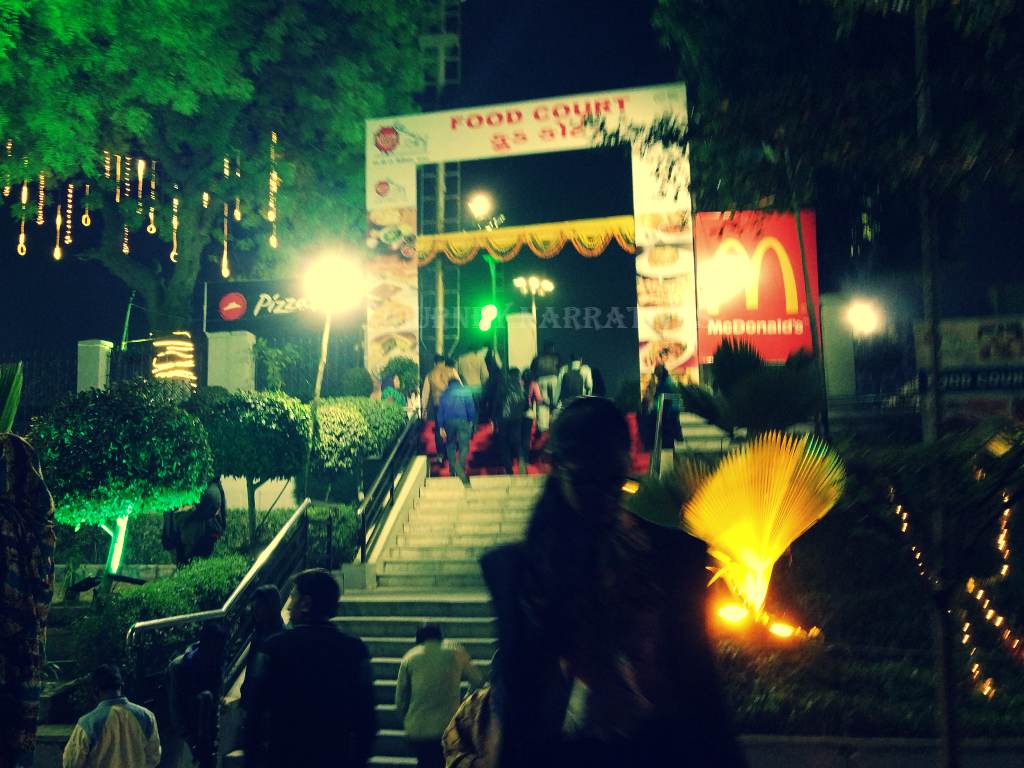
Kankaria Lake, Ahmedabad Utsav During New Year’s Eve transforms one of the city’s most loved public spaces into a vibrant celebration ground. Located in the heart of Ahmedabad, Kankaria Lake becomes more than a scenic waterfront during this time — it turns into a cultural stage filled with music, lights, performances, and festive energy. For a wider journey through colorful festivals and unforgettable city experiences, take a look at our Asia Travel Guide filled with inspiring destinations. If you’re wondering how Ahmedabad welcomes the New Year without nightclub chaos, this is your answer. 1. The Atmosphere Feels Joyful, Not Overwhelming Unlike high-decibel party destinations, the celebration at Kankaria Lake balances excitement with family-friendly warmth. You’ll see: It’s celebratory without being chaotic. 2. The Famous Kankaria Carnival Adds a Cultural Twist The New Year period often overlaps with the city’s well-known Kankaria Carnival, an annual event organized by the municipal corporation. This multi-day celebration includes: The blend of tradition and modern celebration makes the experience distinctly Gujarati. 3. Lights Reflect Beautifully on the Water As evening falls, decorative lighting around the lake creates a stunning reflection over the water. The circular walkway glows, food stalls light up, and the Ferris wheel stands illuminated against the night sky. The visual appeal alone makes it worth visiting during New Year’s Eve. It’s festive without needing excess. 4. Kankaria Lake Ahmedabad Utsav During New Year’s Eve Is Family-Friendly One of the most refreshing aspects of this celebration is inclusivity. Kankaria Lake Ahmedabad Utsav During New Year’s Eve welcomes: There’s no pressure to dress up extravagantly or spend excessively — just show up and enjoy. 5. Food Stalls Add Local Flavor Temporary stalls and permanent eateries around the lake serve everything from street snacks to full meals. Expect: Food becomes part of the celebration — casual, accessible, and comforting. 6. The Countdown Feels Community-Driven While it may not rival metro city fireworks, the countdown moment at Kankaria Lake feels intimate. People gather near the waterfront, phones ready, smiling faces lit by decorative lights. There’s cheering, music, and shared excitement. It feels like a city celebrating together — not just individuals partying separately. 7. Safe and Well-Organized Setup Events here are typically structured and monitored, making the environment feel secure. Wide walking paths, controlled entry points, and organized crowd movement help maintain order — something many New Year celebrations lack. This makes it a preferred choice for those avoiding nightclub scenes. 8. A Different Way to Experience Ahmedabad Ahmedabad is often associated with heritage sites like Sabarmati Ashram or architectural marvels. But visiting during New Year’s Eve reveals a lively, contemporary side of the city — one that celebrates culture and community in equal measure. It’s modern Gujarat — festive, organized, and proudly local. 9. Ideal for Visitors Exploring Gujarat in Winter December is one of the best months to visit Gujarat. Pleasant weather makes evening walks around Kankaria Lake comfortable, and the festive decorations enhance the seasonal charm. If you’re already planning to explore attractions like the Statue of Unity, aligning your trip with New Year’s Eve in Ahmedabad can add a celebratory highlight. 10. It Feels Grounded Yet Memorable Kankaria Lake Ahmedabad Utsav During New Year’s Eve may not be extravagant in a global party sense — but that’s its strength. It’s rooted in culture. It’s inclusive. It’s joyful without being overwhelming. And sometimes, that’s exactly how a year should begin. To experience more such lively celebrations and diverse cultural moments, explore our India Travel Guide that brings together the spirit of the country. Travel Tips for Visiting Kankaria Lake on New Year’s Eve Check official local announcements for event schedules and timings closer to the date. Is Kankaria Lake Ahmedabad Utsav During New Year’s Eve Worth Experiencing? Yes — especially if you value celebration with character. This isn’t about luxury parties or exclusive passes. It’s about a city coming together beside a lake, sharing music, lights, and anticipation for a new beginning. And that makes it quietly special. If this vibrant celebration excites you, dive deeper into Ahmedabad’s culture, attractions, and hidden gems with our complete Ahmedabad Travel Guide.
5 Reasons Gandhi Ashram, Ahmedabad – A Quiet Journey Into India’s Soul
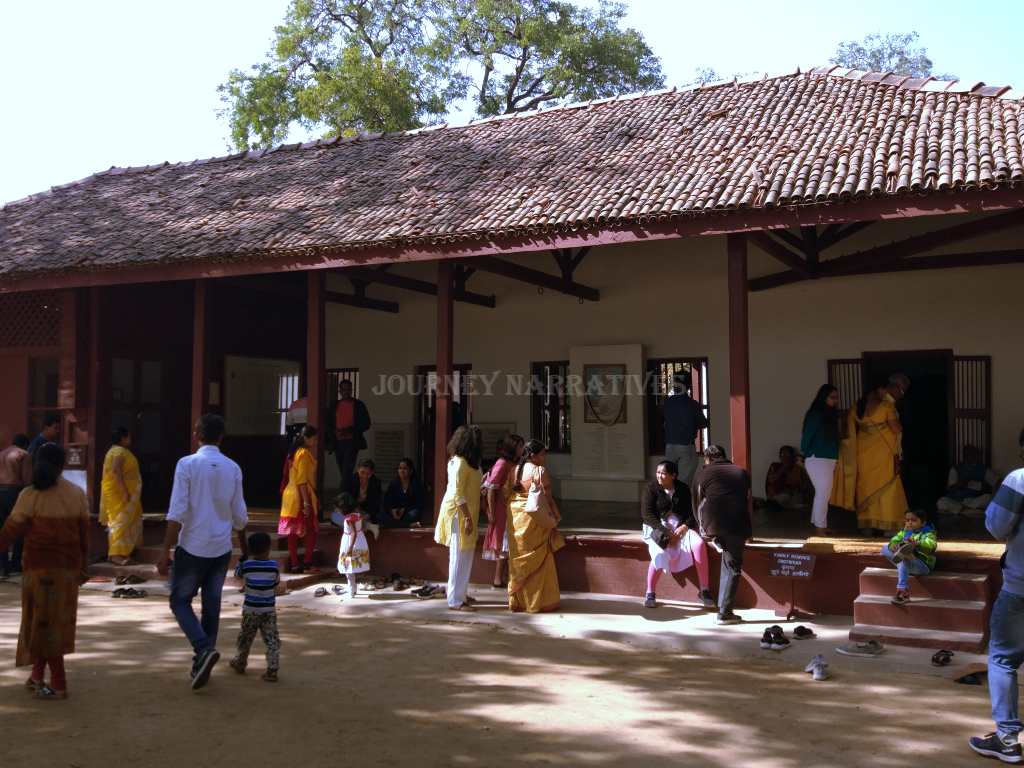
There are places you visit—and then there are places that quietly transform you. Gandhi Ashram is one such space where time slows down, and history feels deeply personal. Set on the serene banks of the Sabarmati River, this ashram was once home to Mahatma Gandhi—and today, it continues to echo with his thoughts, discipline, and unwavering simplicity. To explore more meaningful places and experiences like this, check out our detailed Ahmedabad Travel Guide that helps you uncover the city beyond the usual sights. Here are 8 soul-stirring moments you’ll likely experience when you walk through this timeless space. 1. The First Step Into Silence As you enter the ashram, there’s an immediate shift—no chaos, no rush. Just stillness. The earthy pathways, minimal structures, and gentle breeze create a rare kind of calm. It’s not forced silence; it’s something that naturally settles within you. 2. Standing Inside Hriday Kunj Hriday Kunj, Gandhi’s simple residence, is perhaps the most powerful spot in the ashram. His sparse living space—just the essentials—speaks volumes about a life rooted in purpose over possession. Standing here, you don’t just see history; you feel it. 3. The Quiet Power of the Charkha One of the most symbolic objects you’ll encounter is the spinning wheel—the charkha. More than a tool, it represents self-reliance and dignity. Watching it, even in stillness, brings alive the idea of a movement that began with such simple yet powerful acts. 4. Walking Through the Museum of Memories The on-site museum gently unfolds the life and philosophy of Mahatma Gandhi through letters, photographs, and preserved documents. Each exhibit feels intimate, almost like reading pages from a personal diary that shaped a nation. 5. Sitting by the Sabarmati River A quiet moment by the Sabarmati River is something you shouldn’t miss. The flowing water adds a reflective rhythm to your visit—inviting you to pause, think, and simply be. It’s here that many visitors find their most personal connection to the ashram. 6. The Echo of the Dandi March It was from this very ashram that the historic Dandi March began. As you walk through the grounds, imagining that moment—when a peaceful protest sparked a nationwide movement—can be incredibly moving. The space holds that memory quietly but powerfully. 7. Reading Words That Still Resonate Quotes and messages displayed across the ashram aren’t just inspirational—they feel deeply relevant even today. Simplicity, truth, and non-violence aren’t presented as ideals of the past, but as living values you can carry forward. 8. Leaving With a Sense of Stillness Perhaps the most soul-stirring moment is the one you experience as you leave. There’s no dramatic ending—just a lingering calm, a sense of clarity, and maybe even a quiet urge to simplify things in your own life. If you’re planning a wider journey, our India Travel Guide brings together destinations, cultural insights, and experiences that truly define the country. A Gentle Pause in Your Ahmedabad Journey In a city that beautifully blends heritage and modernity, Gandhi Ashram offers something rare—a chance to slow down and reflect. If you’re exploring more such meaningful places and planning your route through the city, don’t miss our detailed guide on discovering Ahmedabad’s essence through culture, history, and thoughtful experiences. It helps you connect places like this into a journey that feels complete, not rushed. A Lasting Impression from Gandhi Ashram A visit to Gandhi Ashram doesn’t end when you walk out—it lingers quietly within you. The simplicity of the surroundings, the discipline of thought, and the life of Mahatma Gandhi come together to leave a subtle but powerful mark. It’s not overwhelming or dramatic; instead, it’s a calm realization that meaningful living doesn’t require excess. Long after your visit, you may find yourself reflecting on small choices, slowing down a little more, and carrying forward a sense of clarity that Gandhi Ashram gently instills. For a broader perspective on travel across cultures and landscapes, explore our Asia Travel Guide filled with inspiring destinations and stories.