

Coastal travel experiences in India invite travelers to pause, observe, and feel a destination rather than rush through it. Along India’s vast coastlines, this approach reveals moments that are quiet yet deeply memorable. Chennai’s Marina Lighthouse offers one such experience—where the rhythm of the sea and the city blend into a journey defined by stillness and reflection. This coastal walk is not about distance covered, but about moments noticed. Why Chennai’s Coast Represents Slow Travel Experiences in India Among the many coastal travel experiences in India, coastal journeys hold a special place. The shoreline naturally slows time—waves move at their own pace, conversations soften, and observation replaces urgency. At Marina Lighthouse, this slow rhythm becomes tangible. The open sea, expansive promenade, and fading daylight encourage travelers to walk without purpose, allowing the environment to guide the experience. 1. Watching the Light Shift Over the Bay of Bengal As the sun begins its descent, the sea reflects changing shades of gold and blue. This transition becomes the first magical moment—one that asks for attention, not action. The lighthouse stands quietly, framing the scene without demanding focus. 2. Listening to the Rhythm of Waves and Footsteps Sound defines the experience here. The steady crash of waves, distant city noise, and slow footsteps create a natural rhythm. This moment highlights how slow travel along India’s coastlines engages senses often overlooked during faster journeys. 3. Observing Everyday Life Along the Promenade Fishermen returning, families gathering, and vendors preparing for evening trade add texture to the walk. These scenes unfold organically, reminding travelers that meaningful experiences often exist in ordinary moments. 4. Pausing as the Lighthouse Comes Alive at Dusk As daylight fades, the lighthouse illumination signals transition rather than conclusion. This pause becomes a symbolic moment—marking the shift from movement to stillness, from observation to reflection. 5. Walking Without a Destination Perhaps the most defining moment is walking without intent. No schedules, no landmarks to reach—just presence. This is the essence of slow travel: allowing the journey to exist without purpose. How This Coastal Journey Fits Into India’s Travel Experience Coastal slow travel reveals a quieter side of India—one shaped by atmosphere rather than attraction. Experiences like Marina Lighthouse complement India’s broader travel narrative by offering balance to its more intense destinations. This experience forms part of our pillar article, “7 Unforgettable Travel Experiences in India That Stir the Soul, Spark Joy, and Stay With You Forever,” where coastal, urban, monumental, and cultural journeys come together. When Travel Slows, Memory Deepens: Coastal Travel Experiences in India That Stay With You Marina Lighthouse does not seek to overwhelm or impress through spectacle. Instead, it leaves a quiet imprint through calm repetition, open space, and sensory awareness. The steady rhythm of waves, the changing light along the shoreline, and the unhurried movement of people create an environment where attention is not demanded—it is gently invited. This is what defines meaningful coastal travel experiences in India. The memory forms not through highlights or landmarks, but through presence. Time stretches, observation sharpens, and moments settle naturally into memory. As one of the most reflective coastal journeys in the country, Marina Lighthouse shows that when travel slows, experiences deepen—and it is often these unhurried moments that remain long after the journey ends.
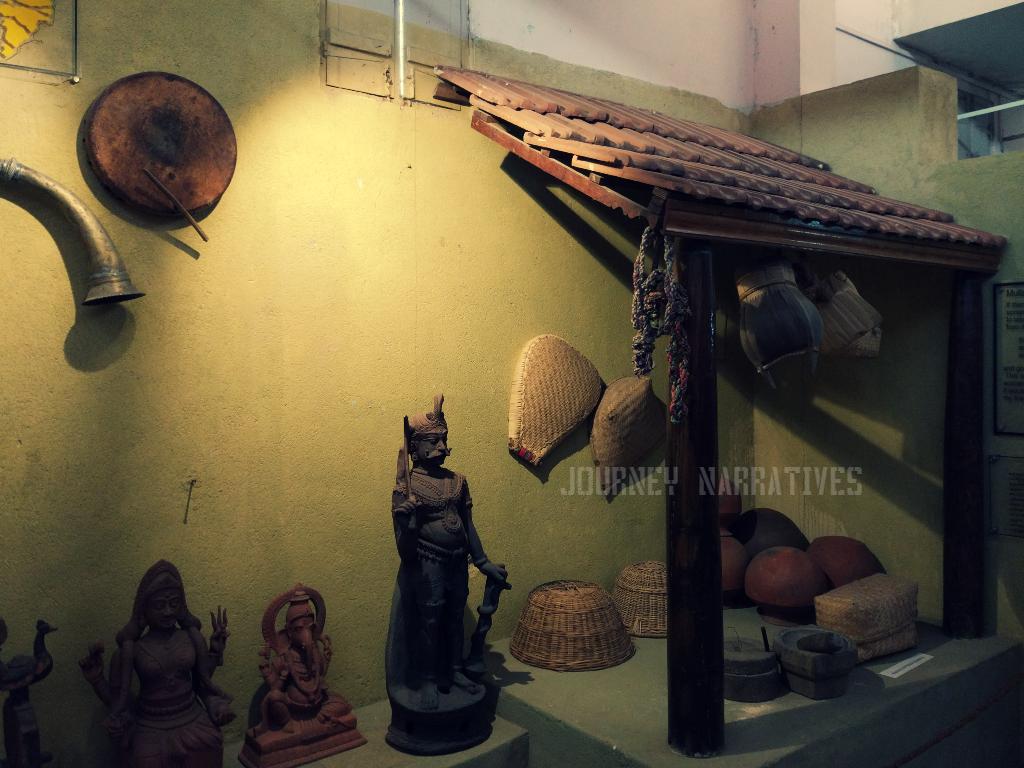
7 Beautiful Experiences at DakshinaChitra in Chennai That Bring South India to Life
DakshinaChitra in Chennai is one of those rare places where culture doesn’t just sit behind glass—it comes alive around you. Located along the scenic East Coast Road, DakshinaChitra offers an immersive glimpse into the traditions, architecture, and everyday life of South India. In a fast-moving city like Chennai, this heritage village feels like a gentle pause—one that connects you to stories, crafts, and ways of living that have been passed down through generations. This isn’t just a museum you walk through. It’s a place you experience. Here are 7 beautiful experiences at DakshinaChitra in Chennai that truly bring South India to life. 1. Walking Through Traditional South Indian Homes One of the most immersive parts of DakshinaChitra is exploring authentic, reconstructed homes from different South Indian states. Each house reflects a unique architectural style, lifestyle, and cultural identity—making you feel like you’ve stepped into another time. 2. Watching Artisans at Work From pottery and weaving to wood carving and painting, watching skilled artisans practice their crafts right in front of you is both fascinating and grounding. It reminds you that tradition isn’t just preserved—it’s still alive. 3. Experiencing the Beauty of Simple Living The homes, courtyards, and open spaces highlight a way of life centered around simplicity, community, and nature. There’s something quietly inspiring about how thoughtfully everything is designed. 4. Engaging With Folk Art and Performances If you’re lucky, you might witness live folk performances or storytelling sessions. These moments add energy and rhythm to your visit, giving you a deeper connection to the region’s cultural roots. 5. Exploring Handcrafted Souvenirs The small craft shops within DakshinaChitra offer handmade items that feel meaningful rather than commercial. Whether it’s textiles or decor, each piece carries a story of its origin. 6. Slowing Down in a Peaceful Cultural Space Unlike crowded attractions, DakshinaChitra gives you space to move at your own pace. You can sit, observe, and absorb the surroundings without feeling rushed. 7. Leaving With a Deeper Cultural Connection Perhaps the most beautiful experience is what you carry back—a deeper appreciation for South Indian traditions, craftsmanship, and ways of life that still hold relevance today. A Cultural Pause in Your Chennai Journey Experiences like DakshinaChitra add depth to your travels, especially when you explore them alongside other city highlights. If you’re planning to discover more of the city, our Chennai Travel Guide will help you connect such meaningful places into a well-paced journey.To explore more destinations across the state, take a look at our Tamil Nadu Travel Guide for a broader experience.For journeys across the country, our India Travel Guide brings together diverse cultural destinations.And if you’re looking beyond, our Asia Travel Guide offers inspiration across regions and traditions. A Lasting Impression from DakshinaChitra A visit to DakshinaChitra doesn’t overwhelm you—it gently stays with you. Long after you leave, the textures, stories, and quiet beauty of the place continue to linger, reminding you that culture is best understood not in a rush, but in moments of stillness.

Rock Garden, Karwar: 6 Scenic Highlights That Make This Cliffside Park Special
Rock Garden, Karwar is one of those rare coastal spaces where nature feels carefully revealed rather than heavily curated. Set along the rugged shoreline near Karwar, this landscaped garden blends dramatic sea views with walkable pathways, making it a refreshing alternative to crowded beaches. Unlike conventional seaside attractions, Rock Garden focuses on perspective—elevated viewpoints, sculpted rock formations, and uninterrupted views of the Arabian Sea. It’s a place that invites slow exploration rather than quick sightseeing. If you’re planning to travel beyond the state, browse our India Travel Guide to discover diverse landscapes, cultures, and destinations across the country. What Makes Rock Garden in Karwar Unique Rock Garden in Karwar stands out for its cliff-edge setting and thoughtful design. Instead of sand and shacks, visitors encounter stone pathways, natural rock formations, and lookout points that frame the coastline beautifully. The garden’s layout allows you to move at your own pace, stopping often to take in the sea breeze and expansive views. The absence of heavy commercial activity helps preserve the area’s calm, making it appealing to travelers who value atmosphere over entertainment. Rock Garden and the Coastal Landscape One of the strongest appeals of Rock Garden, Karwar is how closely it stays connected to the surrounding landscape. The garden doesn’t attempt to dominate the coast—it works with it. Waves crash against rocks below, seabirds glide past viewpoints, and the horizon remains the main attraction. This seamless blend of man-made pathways and raw coastal scenery gives visitors a sense of immersion rather than observation. It’s especially rewarding during early mornings or late afternoons, when the light enhances the textures of the rocks and sea. A Calm Alternative to Traditional Beach Experiences For travelers who prefer scenic walks over beach crowds, Rock Garden, Karwar offers a compelling alternative. There’s enough space to wander without feeling rushed, and the environment naturally encourages quiet reflection. Families, couples, and solo travelers all find something different here—whether it’s a peaceful stroll, a photography stop, or simply a place to pause and watch the sea. The experience feels balanced and unforced, which adds to its lasting appeal. Best Time to Visit Rock Garden Karwar The ideal time to visit Rock Garden, Karwar is between October and March, when the weather is pleasant and the sea views are clear. Evenings are particularly popular, as the setting sun adds warmth and depth to the coastal panorama. Weekdays tend to be quieter, making them ideal for visitors seeking a more relaxed experience. Comfortable footwear is recommended, as exploring the garden involves walking across stone paths and viewpoints. For broader inspiration, explore our Asia Travel Guide and uncover unique travel experiences across this vibrant continent. How Rock Garden Fits Into a Karwar Travel Itinerary Rock Garden, Karwar works well as part of a relaxed coastal itinerary rather than a standalone attraction. It pairs naturally with nearby beaches, waterfront walks, and local viewpoints, helping travelers experience Karwar beyond just its shoreline. For readers exploring the region in detail, this spot connects seamlessly with other highlights featured on the Karwar destination hub, making it easier to plan a well-rounded visit without rushing. Why Rock Garden Karwar Is Worth Your Time Rock Garden, Karwar isn’t designed to impress instantly—it grows on you. The combination of open sea views, natural rock formations, and quiet pathways creates an experience that feels thoughtful and restorative. For travelers looking to experience Karwar in a slower, more scenic way, this cliffside garden adds depth and contrast to the journey. It’s a place that doesn’t demand attention, yet stays memorable long after you leave. To discover more destinations beyond Karwar, browse our complete Karnataka Travel Guide for thoughtfully selected travel ideas.
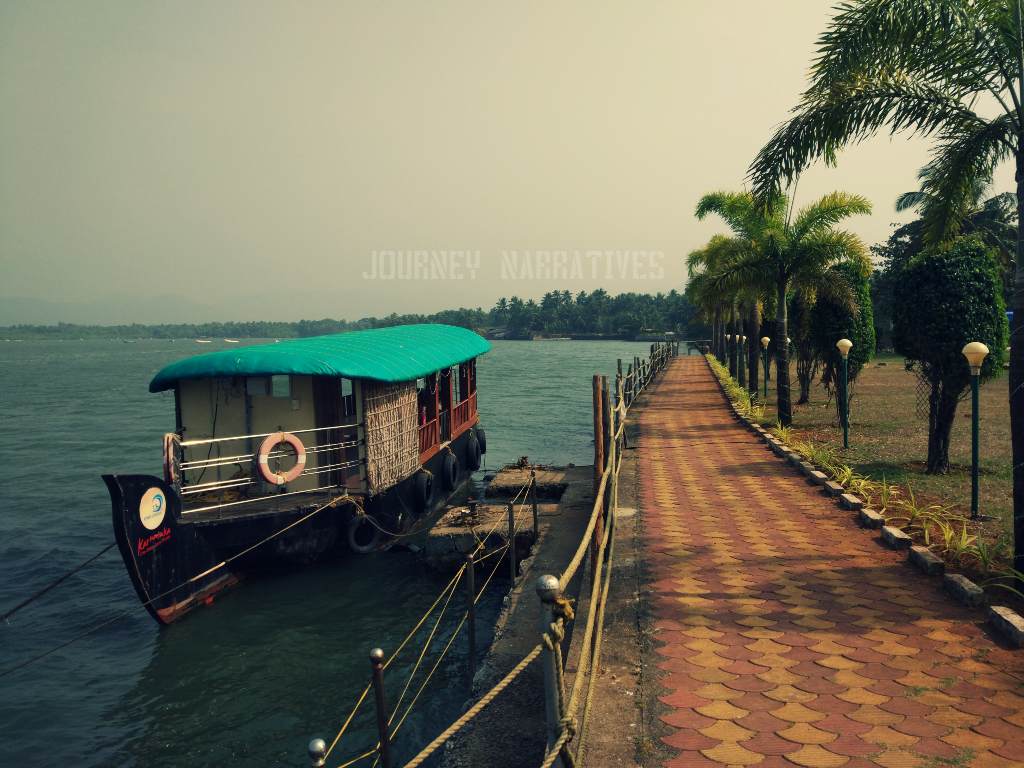
Kali River Garden, Karwar: 6 Calm Moments That Reveal Karwar’s Riverside Charm
Kali River Garden, Karwar offers a quieter side of coastal travel, where the rhythm of the river replaces the sound of crashing waves. Located along the banks of the Kali River, this landscaped park creates space for reflection, gentle walks, and scenic pauses within the town. While Karwar is widely known for its beaches and viewpoints, Kali River Garden Karwar introduces a softer experience — one shaped by flowing water, greenery, and open sky. If you’re planning a wider journey, browse our India Travel Guide to experience diverse landscapes and destinations across the country. 1. Watching the River Move at Its Own Pace The most defining moment here is simple: standing by the railing and watching the Kali River glide past. Unlike the sea, the river feels measured and calm. Fishing boats drift by occasionally, and the light changes subtly across the water through the day. It’s a setting that encourages stillness rather than movement. 2. Early Morning Riverside Walks In the early hours, Kali River Garden Karwar feels especially peaceful. Locals use the pathways for their daily walks, and the air carries a light freshness from the river. The garden’s paved paths make it accessible and comfortable, allowing visitors to explore without effort. It’s ideal for travelers who appreciate unhurried mornings. 3. Evenings Framed by Soft Light As evening approaches, the riverfront takes on a warm glow. Families gather, children play on the lawns, and couples find quiet corners overlooking the water. The setting sun reflecting off the river creates one of the most visually pleasing moments in the park — subtle, but memorable. 4. A Gentle Contrast to Karwar’s Beaches Karwar’s coastline is dramatic and expansive. Kali River Garden Karwar, in contrast, feels intimate and grounded. This contrast adds balance to a travel itinerary. After exploring sea-facing viewpoints or beach stretches, the river garden offers a slower, calmer interlude. 5. Landscaped Greenery Within Town Limits The garden is thoughtfully maintained with lawns, shaded seating areas, and simple design elements that keep the focus on the river. It doesn’t attempt to be elaborate. Its appeal lies in its openness — clean pathways, visible horizons, and easy access. 6. A Space That Encourages Pause Kali River Garden Karwar is not a high-adrenaline attraction. It is a place to pause, sit, observe, and absorb. For travelers who value quiet scenic spaces within their itinerary, this riverside park adds emotional depth to the Karwar experience. Best Time to Visit Kali River Garden Karwar The months between October and March offer the most pleasant weather for exploring the garden. Evenings are particularly rewarding, thanks to cooler temperatures and soft riverside light. Weekdays are generally quieter, making them ideal for those seeking a more relaxed atmosphere. How to Include Kali River Garden in Your Karwar Itinerary Kali River Garden Karwar works best as part of a broader town exploration. It pairs naturally with coastal parks, scenic viewpoints, and beach visits. If you’re planning to explore beyond Karwar and discover more riverfront towns, hill stations, and coastal destinations, our detailed Karnataka Travel Guide helps you structure a well-rounded journey across the state. Why Kali River Garden Karwar Deserves Your Time Kali River Garden Karwar may not dominate travel brochures, but it quietly strengthens the overall experience of visiting this coastal town. It brings balance — offering river views instead of sea waves, calmness instead of crowds, and reflection instead of rush. In doing so, it reveals an understated charm that makes Karwar feel more complete. For travelers who appreciate subtle beauty and peaceful spaces, this riverside garden becomes more than just a stop — it becomes a memorable pause in the journey. For broader inspiration, explore our Asia Travel Guide and uncover unique travel experiences across this vibrant continent.
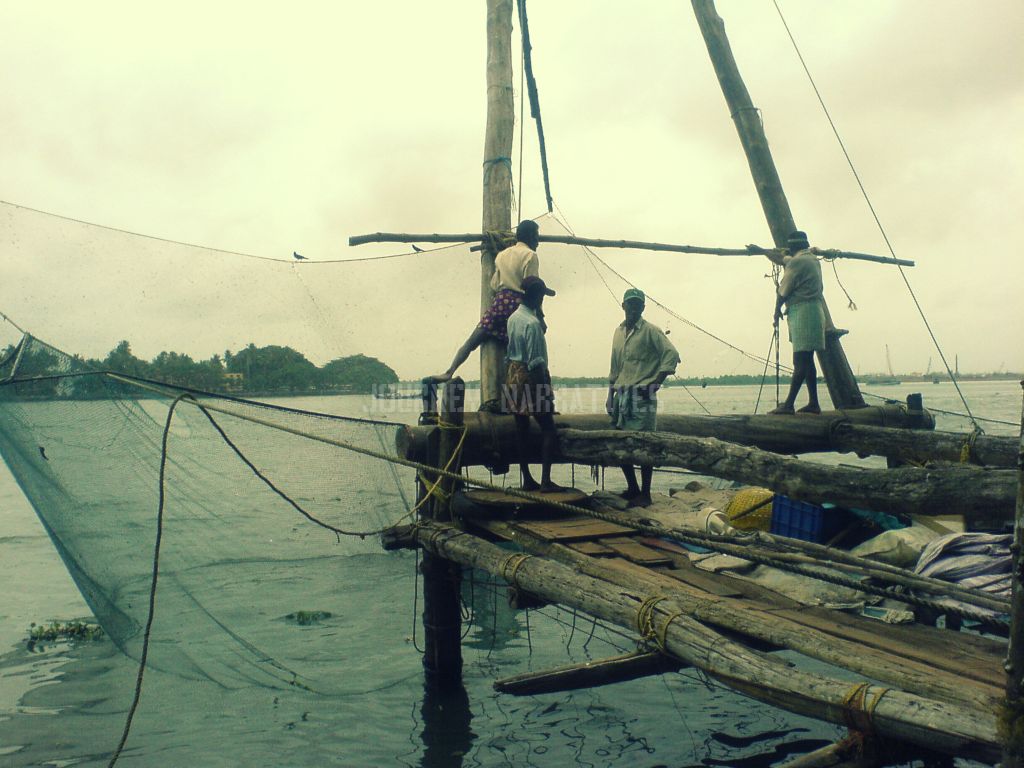
Eating Practices at Kochi Chinese Fishing Nets: 5 Remarkable Food Traditions That Sustain Local Life
Eating Practices at Kochi Chinese Fishing Nets are shaped by tides, timing, and necessity rather than trends or indulgence. Along this historic stretch of Kerala’s coast, food is not planned around recipes but around what the sea allows each day. For fishing families living beside the nets, eating is an act of adaptation — simple, seasonal, and deeply tied to survival, memory, and shared labor. These daily food habits quietly reveal how tradition continues even when comfort is limited. 1. Morning Meals Timed to the Tide, Not the Clock In homes near the Chinese fishing nets, breakfast is dictated by the sea. Fishermen return at dawn, and meals are eaten quickly — usually kanji (rice porridge), leftover rice, or simple tapioca — before rest or repair work begins. This rhythm shows how food here supports energy and recovery rather than pleasure, aligning daily nourishment with natural forces. 2. Fresh Catch as the Center of Everyday Cooking Unlike markets where choice is abundant, households near the nets cook only what arrives in the nets that morning. Small fish, prawns, or sardines are lightly spiced and cooked the same day, often shared with neighbors if the catch is generous. These everyday eating practices near Kochi’s Chinese fishing nets reflect a culture where waste is avoided and gratitude is practiced quietly, without ceremony. 3. Simple Cooking Methods Passed Down Through Generations Most meals rely on techniques that require minimal fuel and ingredients — shallow frying, boiling, or quick curries with coconut and salt. Recipes are rarely written; they are learned by watching, tasting, and adjusting. 4. Shared Meals That Strengthen Family Bonds Eating together remains central to life near the fishing nets. Meals are often eaten from a common vessel, reinforcing unity after long, physically demanding hours. Even when food is scarce, it is divided equally — elders first, children next. These shared meals reveal how everyday food sustains not just bodies, but relationships and mutual responsibility. 5. Food as a Tool for Endurance, Not Indulgence Spices are used sparingly, oil is limited, and portions are modest. This is not restraint by choice, but by experience. Families cook in ways that keep them strong enough to return to work the next day. Such practices reflect the same truth seen across India’s food culture — that eating traditions often develop as responses to hardship, a theme central to your pillar post on timeless food rituals across the country. Why Eating Practices at Kochi Chinese Fishing Nets Still Matter The everyday eating practices near Kochi’s Chinese fishing nets show how food traditions survive without abundance. These meals may never appear in cookbooks or festivals, yet they carry the essence of Indian food culture — resilience, balance, and respect for nature. When Everyday Meals Carry Generations Forward The eating practices around Kochi’s Chinese fishing nets reveal how food, work, and community life remain closely connected along this historic coastline. From early morning catches and market exchanges to family kitchens and small food stalls, daily meals reflect a rhythm shaped by the sea and sustained by generations of local knowledge. These traditions are not preserved in museums or written records alone—they live on through the ordinary acts of buying, cooking, and sharing food. Each dish prepared in this landscape carries traces of the past: fishing techniques passed down through families, spice combinations refined over time, and cooking habits shaped by both necessity and creativity. The nearby markets, modest eateries, and waterfront homes together create a living food system where nourishment, livelihood, and culture are deeply intertwined. In the end, the everyday meals near Kochi’s Chinese fishing nets remind us that food traditions endure not because they are formally protected, but because they are practiced daily. Through simple routines of preparation and sharing, families and communities continue to carry their culinary heritage forward—ensuring that the flavors of the past remain part of the present and the future. Kochi is just one of many destinations where cuisine reflects everyday traditions—discover more in 12 Indian Cities That Reveal the Best of Food and Local Life in India.

Karwar’s Rabindranath Tagore Beach: 5 Best Season-Savvy Reasons It Shines at the Right Time
Karwar’s Rabindranath Tagore Beach offers a quieter, more reflective coastal experience compared to busier beach destinations along India’s western shoreline. However, the character of this beach changes significantly with the seasons, making timing a key factor in how rewarding the visit feels. When planned around climate patterns and crowd flow, the beach reveals its best qualities—open views, calm surroundings, and a pace that suits unhurried exploration. Below are five season-savvy reasons why visiting at the right time makes all the difference. 1. Post-Monsoon Skies Create Clearer Coastal Views The period following the monsoon brings cleaner air and clearer horizons to Karwar’s coastline. Rain-washed skies enhance visibility, allowing uninterrupted views of the sea, shoreline curves, and distant hills. This clarity elevates simple activities like walking along the shore or watching the sunset. Seasonal insight:Post-monsoon clarity often defines the most visually rewarding beach days. 2. Comfortable Temperatures Encourage Longer Beach Walks During peak summer months, coastal heat can limit time spent outdoors. In contrast, cooler seasons allow for relaxed walks, extended stays, and comfortable exploration without the pressure to retreat indoors. This makes the beach feel less like a stop and more like a place to linger. Seasonal insight:Moderate temperatures increase both comfort and time spent outdoors. 3. Reduced Crowds Preserve the Beach’s Calm Character Karwar’s Rabindranath Tagore Beach is known for its peaceful atmosphere, and visiting during less crowded seasons helps preserve that quality. Outside peak holiday windows, the shoreline feels open and unhurried. This quieter environment aligns well with travelers seeking reflection rather than activity-heavy beach scenes. Seasonal insight:Lower crowd density enhances the beach’s natural rhythm. 4. Sea Conditions Are Safer and More Predictable Seasonal changes influence wave patterns and shoreline conditions. Certain months bring calmer seas, making the beach more suitable for casual exploration and relaxed time near the water. Planning visits around predictable sea conditions reduces uncertainty and improves overall comfort. Seasonal insight:Calmer waters contribute to safer, more enjoyable coastal visits. 5. Seasonal Timing Improves the Overall Travel Flow Visiting Karwar at the right time not only improves the beach experience but also supports smoother travel logistics. Better road conditions, clearer weather, and flexible schedules combine to create a more balanced itinerary. This allows the beach to fit naturally into a wider coastal or regional journey. Seasonal insight:Good timing strengthens both the destination and the journey to it. To ensure peace of mind while traveling or living abroad, we recommend getting health insurance. SafetyWing’s Essential plan covers travel and medical emergencies with options for adventure sports and electronics theft. Their Complete plan offers comprehensive health coverage with routine healthcare, mental health support, and maternity, anywhere in the world, including in your home country, on top of all Essential benefits. Why Karwar’s Rabindranath Tagore Beach Fits a Season-Based Itinerary Karwar’s Rabindranath Tagore Beach highlights how season-aware planning can transform a simple coastal stop into a memorable experience. Climate, crowd patterns, and travel conditions work together to shape how the destination feels. By aligning visits with favorable seasons, travelers experience the beach as it’s meant to be—calm, open, and quietly rewarding. For more destinations planned around climate, comfort, and timing, explore our pillar guide:4 Smart Season-Based India Travel Itineraries Designed for Ideal Climate, Fewer Crowds, and Better Costs.

Bekal Coast: 5 Powerful Reasons This Untouched Shore Still Endures
The Bekal Coast, defined by its character as one of India’s untouched and protected coastal zones, does not announce itself through crowds or constant activity. Its strength lies in restraint—where the shoreline remains powerful precisely because it has been left largely undisturbed. In northern Kerala, the Bekal Coast represents a rare coastal landscape where natural processes dominate and human intervention remains minimal. The shore feels steady and unforced, shaped more by time and patience than by development. To explore more serene coastal destinations across the state, check out our Kerala Travel Guide, featuring backwaters, beaches, and hill stations. 1. Natural Coastal Processes Remain Undisturbed One of the primary reasons the Bekal Coast still endures is the limited interruption of natural coastal processes. Waves interact directly with the shoreline without being redirected by artificial barriers such as seawalls, groynes, or breakwaters. This allows erosion and deposition to occur gradually rather than abruptly. Seasonal changes—monsoon-driven wave energy, sediment movement, and tidal variation—are absorbed by the coast in a natural cycle. Instead of forcing the shoreline into a fixed shape, Bekal allows continuous adjustment, which reduces long-term instability. This dynamic balance is a defining trait of untouched coastal zones. 2. Minimal Built Intervention Preserves Shoreline Form Unlike heavily developed coastal regions, the Bekal Coast has avoided dense beachfront construction. The absence of large resorts, reclaimed land, or reinforced embankments means that the shoreline remains largely true to its original contours. The presence of Bekal Fort, set back from the immediate wave zone, highlights an important distinction: historical human presence without coastal domination. The fort overlooks the sea without reshaping it. This separation between built heritage and natural shoreline plays a key role in preserving the coast’s integrity. By not forcing infrastructure into the active coastal zone, Bekal avoids many of the erosion problems seen elsewhere. 3. Rocky and Sandy Elements Work Together The Bekal Coast is not defined by a single shoreline type. Instead, it is shaped by a combination of rocky edges and sandy stretches, each contributing to coastal resilience. Rocky outcrops absorb wave energy and reduce the speed of erosion, while sandy areas redistribute sediment naturally along the shore. This mixed coastal structure helps prevent extreme shoreline retreat. When one section absorbs energy, another replenishes. Such diversity in coastal form is often lost in engineered coastlines, where uniform structures replace natural variation. Bekal’s ability to endure comes from this layered coastal makeup rather than from artificial reinforcement. 4. Low Human Pressure Supports Long-Term Stability Human pressure—constant foot traffic, vehicle access, sand extraction, and shoreline modification—often accelerates coastal degradation. The Bekal Coast experiences relatively low levels of such pressure, allowing the landscape to function without chronic disturbance. Vegetation along the coast remains largely intact, helping stabilize surface sediments. Natural drainage patterns are preserved, preventing waterlogging or forced erosion during heavy rains. These subtle factors collectively support long-term shoreline health. Endurance, in this context, is not about resisting change but about allowing slow, manageable change rather than rapid disruption. 5. Protection Through Restraint, Not Control Perhaps the most powerful reason the Bekal Coast still endures is that protection here is largely passive. Instead of controlling the shoreline through heavy engineering, the coast is allowed to evolve naturally within its environmental limits. This approach recognizes that coastlines are not static boundaries. By avoiding over-intervention, Bekal maintains its ability to respond to rising seas, shifting wave patterns, and seasonal extremes without sudden failure. Such restraint offers an important lesson: sometimes the most effective form of coastal protection is knowing when not to interfere. If you’re planning a wider journey across the country, browse our India Travel Guide for diverse travel experiences. Why This Coast Matters The Bekal Coast matters because it demonstrates how shorelines can remain stable without aggressive modification. In a time when many coasts are reshaped to meet immediate needs, Bekal stands as an example of long-term thinking—where endurance is achieved through balance rather than force. Beyond its physical form, the Bekal Coast provides a reference point for understanding untouched and protected coastal zones. It shows that allowing natural systems to function freely can preserve not only the coastline’s shape but also its resilience. In doing so, Bekal reminds us that endurance is often the result of patience, not intervention. The protected coastline of Bekal reflects one of the untouched shore types highlighted in Coastal Landscapes: 7 Breathtaking Natural Shores That Feel Wildly Refreshing, where natural form is preserved over development. For broader inspiration, explore our Asia Travel Guide and uncover unique coastal destinations across the continent.

5 Sacred Food Rituals in Murudeshwar That Reflect Daily Devotion and Simplicity
In Murudeshwar, sacred food rituals in Murudeshwar are not about indulgence or variety. They are about restraint, reverence, and remembrance — a quiet discipline practiced daily by devotees who believe that faith is strengthened not through abundance, but through simplicity. Set against the Arabian Sea and dominated by one of the world’s tallest Shiva statues, Murudeshwar attracts pilgrims seeking spiritual grounding. Yet beyond the towering icons lies a subtler tradition: sacred food rituals in Murudeshwar that shape how people eat, fast, share, and endure. These practices preserve culture even as they reveal the harsh realities of sacrifice woven into everyday life. 1. Fasting as a Daily Spiritual Discipline, Not an Occasional Act In Murudeshwar, fasting is not limited to festivals or special vows. For many devotees, especially those visiting the temple regularly, abstinence from food is a routine spiritual practice. Mondays, Pradosham days, and other Shiva-related observances often involve partial or complete fasting. This ritual is rooted in the belief that a lighter body allows for a focused mind. Hunger here is not seen as deprivation, but as a conscious offering to faith. However, this discipline also reflects a deeper truth — for some, spiritual fasting and economic scarcity quietly overlap. 2. Temple Prasadam: Sacred Equality on a Simple Plate Temple prasadam in Murudeshwar is modest — usually rice, a simple preparation, or a sweet offering. It is never extravagant. Yet its value lies not in flavor, but in symbolism. Prasadam creates a rare moment of equality. Everyone receives the same portion, regardless of wealth or status. Pilgrims, workers, and locals sit side by side, sharing sacred food blessed by devotion. At the same time, this ritual reveals a silent reality: for some devotees, prasadam is not symbolic nourishment but essential sustenance. Sacred food rituals often serve as an invisible support system in places where daily survival remains uncertain. 3. Simplicity as a Cultural Rule, Not a Constraint Outside the temple, the food culture of Murudeshwar mirrors the same philosophy. Meals are repetitive, seasonal, and restrained. Rice, lentils, vegetables, and simple curries dominate local plates. There is little emphasis on indulgence. This simplicity is not accidental. It reflects a cultural memory passed down through generations — a belief that food should sustain life, not dominate it. In sacred towns, culinary restraint becomes a form of cultural preservation, protecting traditions from excess and distraction. 4. Voluntary Hunger as an Expression of Devotion One of the most striking aspects of Murudeshwar’s food culture is the willing acceptance of hunger. Devotees often choose to delay meals until darshan is complete or break fasts only after prayers. This voluntary hunger contrasts sharply with modern food culture, where convenience and constant consumption define daily life. In Murudeshwar, sacrifice becomes meaningful because it is chosen — a reminder that devotion often demands comfort to be set aside. Yet this also raises an uncomfortable truth: not all hunger here is voluntary. Sacred rituals and harsh realities coexist quietly, rarely discussed but deeply intertwined. 5. Community Kitchens and the Silent Economy of Faith Though less visible than in larger pilgrimage centers, community-based food sharing exists in Murudeshwar — especially during festivals and peak pilgrimage seasons. These kitchens operate on donations, belief, and service rather than profit. They sustain faith while filling gaps left by economic inequality. Food, in this context, becomes both a sacred offering and a social necessity, blurring the line between devotion and survival. Why Sacred Food Rituals in Murudeshwar Endure Through Simplicity and Sacrifice Sacred food rituals in Murudeshwar endure because they ask people to eat with intention rather than excess. In a place where faith shapes daily rhythm, simplicity becomes strength, and restraint becomes remembrance. These rituals survive not because they are easy to follow, but because they offer meaning in exchange for comfort. By turning food into an act of devotion — through fasting, shared prasadam, and voluntary sacrifice — Murudeshwar preserves a cultural memory that continues to sustain belief even when material realities remain harsh. To discover how similar food rituals and festival traditions are practiced across India, explore my detailed guide on food and festival traditions in India that bring celebrations to life, where I’ve brought together stories of devotion, culture, and local flavors.
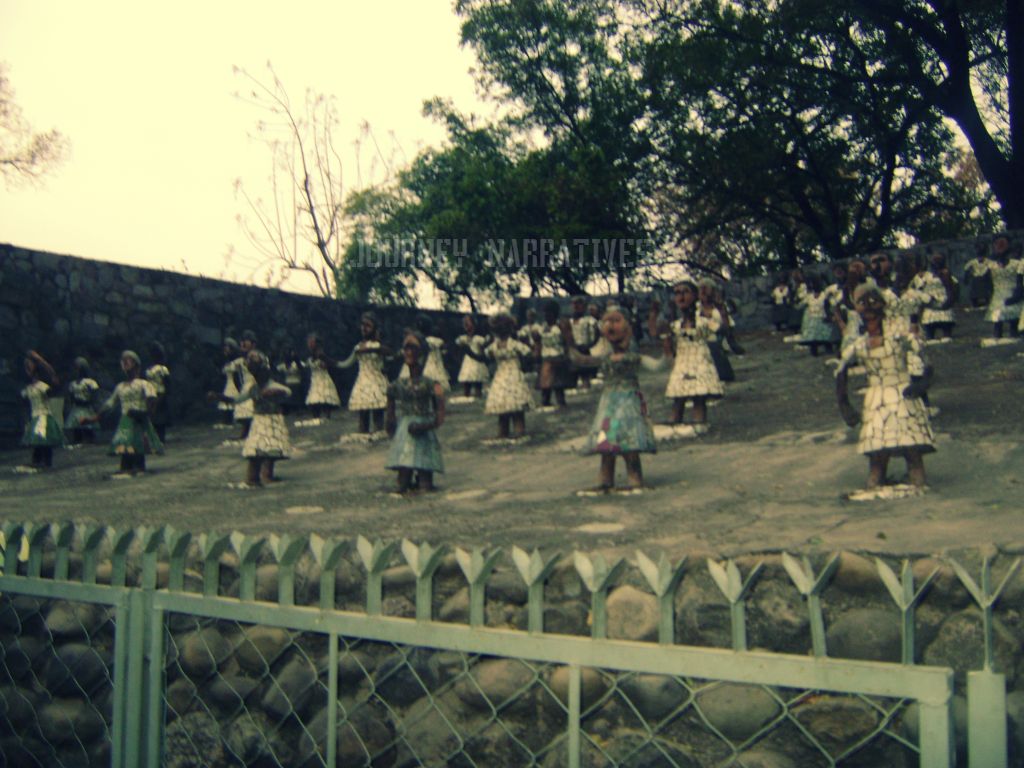
Rock Garden Chandigarh: 7 Incredible Reasons This Creative Wonder Defines the City
Rock Garden Chandigarh is more than a popular attraction—it is the creative heartbeat of the city. Nestled close to Chandigarh’s most iconic landmarks, this extraordinary garden tells a story of imagination, sustainability, and quiet rebellion against convention. If you’re exploring the city for the first time, Rock Garden Chandigarh naturally fits into any well-planned Chandigarh travel guide, offering a powerful introduction to the city’s artistic and cultural identity. The Origin Story That Shaped Rock Garden Chandigarh Created by Nek Chand, a self-taught artist, the Rock Garden began as a hidden project built from discarded industrial and household waste. Over the years, broken ceramics, bangles, tiles, and stones were transformed into thousands of expressive sculptures. Today, Rock Garden Chandigarh stands as one of India’s most inspiring examples of outsider art and is a must-visit stop highlighted in most Chandigarh sightseeing guides. Why Rock Garden Chandigarh Is Unlike Any Other Attraction What separates Rock Garden Chandigarh from traditional gardens or museums is its immersive design. Visitors walk through narrow passages, open courtyards, waterfalls, and sculpted figures that feel alive within the space. Key highlights include: For travelers interested in unique places to visit in Chandigarh, this site consistently ranks among the most memorable. The artistic vision behind Rock Garden represents the spirit of innovation often seen in travel destinations across India. Rock Garden Chandigarh and the City’s Sustainable Vision Long before sustainability became a global conversation, Rock Garden Chandigarh quietly practiced it. The garden reflects Chandigarh’s broader urban philosophy—planned spaces with room for creativity and experimentation. This ethos can also be seen in other nearby attractions, especially when paired with a visit to Sukhna Lake, where nature and urban life coexist seamlessly, or the Capitol Complex, which showcases the city’s architectural legacy. Best Time to Visit Rock Garden Chandigarh The experience of Rock Garden Chandigarh changes with the seasons, making timing important for visitors. Most travelers combine this visit with nearby landmarks as part of a one-day Chandigarh sightseeing plan. To ensure peace of mind while traveling or living abroad, we recommend getting health insurance. SafetyWing’s Essential plan covers travel and medical emergencies with options for adventure sports and electronics theft. Their Complete plan offers comprehensive health coverage with routine healthcare, mental health support, and maternity, anywhere in the world, including in your home country, on top of all Essential benefits. How Rock Garden Fits Into a Chandigarh Itinerary Because of its central location, Rock Garden Chandigarh is easy to pair with other top attractions: Practical Travel Tips for Visitors These small preparations help you enjoy Rock Garden Chandigarh without rushing the experience. Why Rock Garden Chandigarh Belongs on Every Travel List Rock Garden Chandigarh isn’t about polished perfection—it’s about persistence, creativity, and vision. In a city celebrated for its planning and order, this garden adds soul and spontaneity. For anyone exploring Chandigarh beyond the usual tourist spots, the Rock Garden remains an essential experience—one that stays with you long after you leave the city. Unique places like Rock Garden highlight the imaginative spirit present in many destinations across Asia.
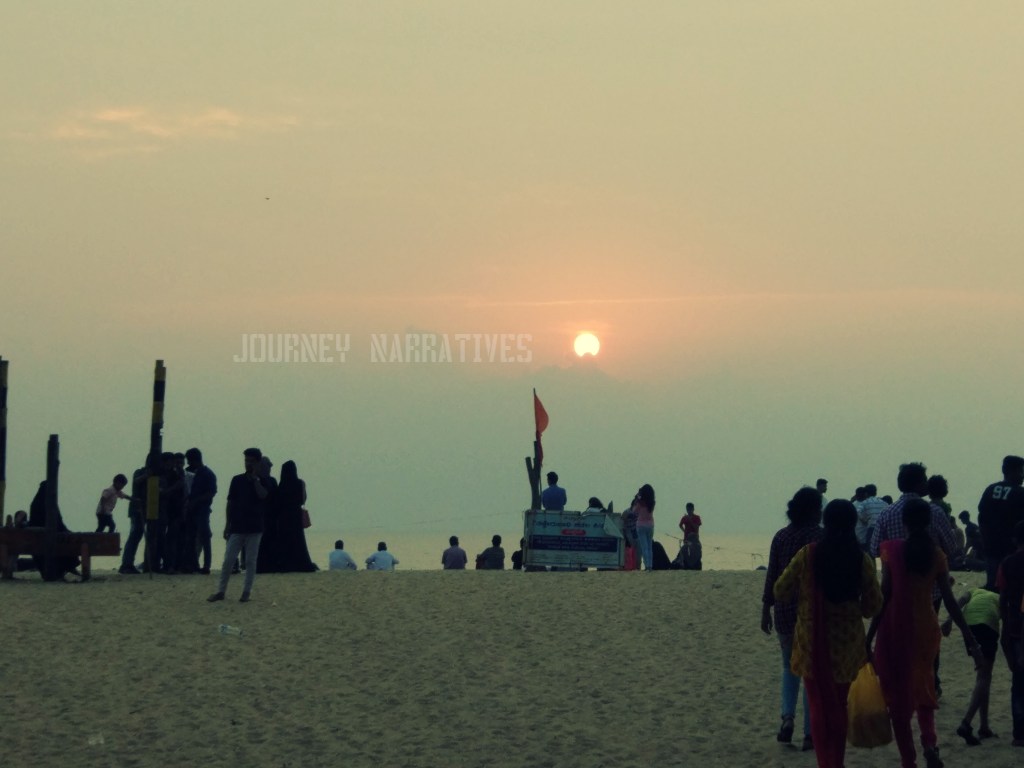
Tannirubhavi Beach, Mangaluru: 6 Calm Experiences That Show a Softer Coastal Side
Tannirubhavi Beach Mangaluru offers a refreshing contrast to busy city life and more commercial beaches along the coast. Located just across the Gurupura River, this beach feels open, calm, and largely untouched, making it ideal for travelers who prefer space over spectacle. For visitors exploring Mangaluru at a relaxed pace, Tannirubhavi Beach Mangaluru fits naturally into a thoughtful Karnataka coastal travel itinerary. For a broader journey across the country, browse our India Travel Guide for diverse travel inspiration. The Setting That Makes Tannirubhavi Beach Different Reaching Tannirubhavi Beach itself feels like a transition—from city streets to open shoreline. The beach is known for its wide stretch of sand, gentle waves, and minimal commercial activity. Unlike many urban beaches, Tannirubhavi Beach retains a sense of openness, allowing visitors to experience the coast without constant noise or crowding. This simplicity is what gives the beach its distinct character. Why Tannirubhavi Beach Appeals to Slow Travelers Tannirubhavi Beach isn’t built around activities—it’s built around atmosphere. Visitors often enjoy: For those looking for peaceful places to visit in Mangaluru, the beach offers an experience that feels natural and unforced. Tannirubhavi Beach and Local Coastal Life Tannirubhavi Beach offers a quiet window into everyday coastal life rather than a staged tourist experience. Early in the day, you may see fishermen preparing nets or returning from short trips, while local walkers use the shoreline as part of their daily routine. These moments feel natural and unhurried, adding depth to the visit without demanding attention. As the day progresses, families arrive in small groups, children play along the sand, and couples sit facing the sea, making the beach feel lived-in rather than crowded. There are no loud vendors or constant activity competing for focus—just the steady rhythm of waves and people going about their time by the water. This blend of local presence and open space gives Tannirubhavi Beach Mangaluru its distinct charm. It allows visitors to observe, pause, and absorb the atmosphere, making the experience feel authentic and grounded rather than purely recreational. For wider exploration, check out our Asia Travel Guide and uncover unique destinations across the continent. Best Time to Visit Timing plays an important role in shaping the experience. Many travelers include the beach as a slower stop within a flexible Mangaluru sightseeing plan. How Tannirubhavi Beach Fits Into a Mangaluru Itinerary Tannirubhavi Beach Mangaluru pairs easily with other local experiences: This flow connects smoothly with a broader Karnataka travel guide, allowing travelers to balance exploration with rest. Practical Tips for Visiting Tannirubhavi Beach, Mangaluru These small considerations help make the visit more enjoyable. Why Tannirubhavi Beach Deserves a Place on Your Travel List Tannirubhavi Beach Mangaluru is not about attractions or activity lists—it’s about space and stillness. In a region known for temples, food, and busy streets, the beach offers a moment to slow down and absorb the coastal atmosphere. For travelers exploring Mangaluru beyond landmarks, Tannirubhavi Beach adds balance to the journey. It brings in calm, openness, and a quieter connection with the sea—making the overall travel experience feel more complete and unhurried.