Planning a trip to Hogenakkal is not just about choosing a date—it’s about understanding how seasonal factors influence water flow, road conditions, crowd levels, and overall comfort. The route via Salem is one of the most reliable approaches, but the experience at the falls changes dramatically across the year.
By aligning your visit with the right seasonal conditions, you can turn a rushed stop into a deeply rewarding travel experience.
Table of Contents
Below are four key seasonal factors that shape the best Hogenakkal experience via Salem.
1. Water Flow Levels Define the Core Experience
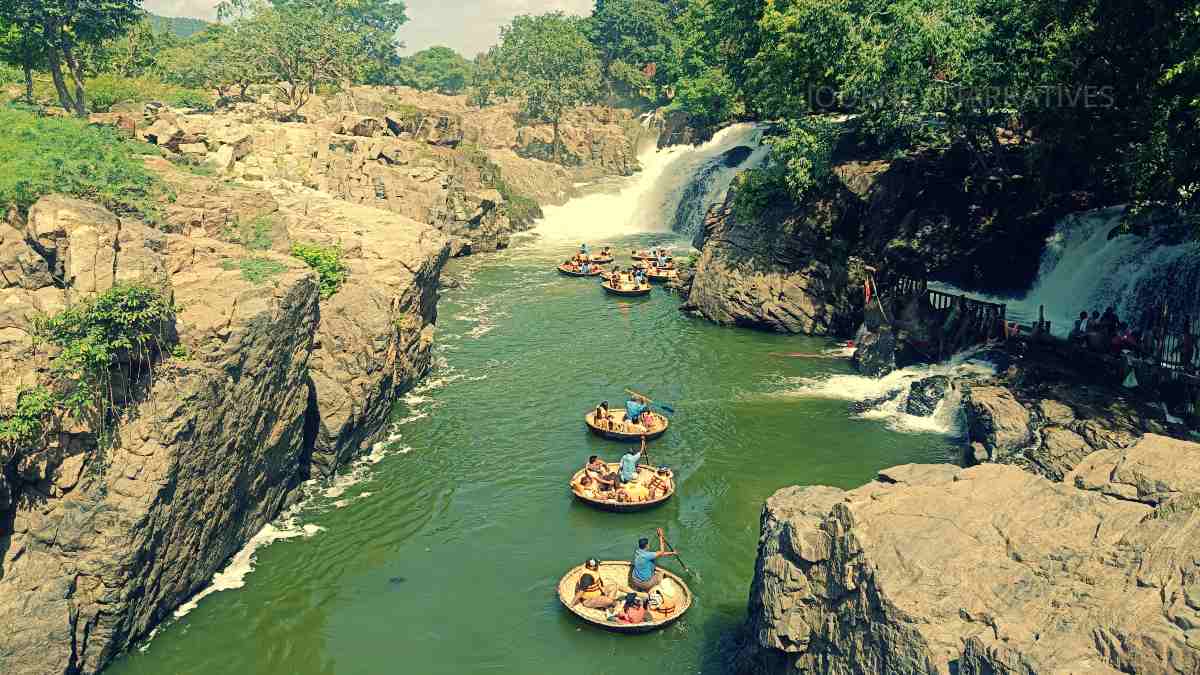
The character of Hogenakkal Falls depends entirely on the season.
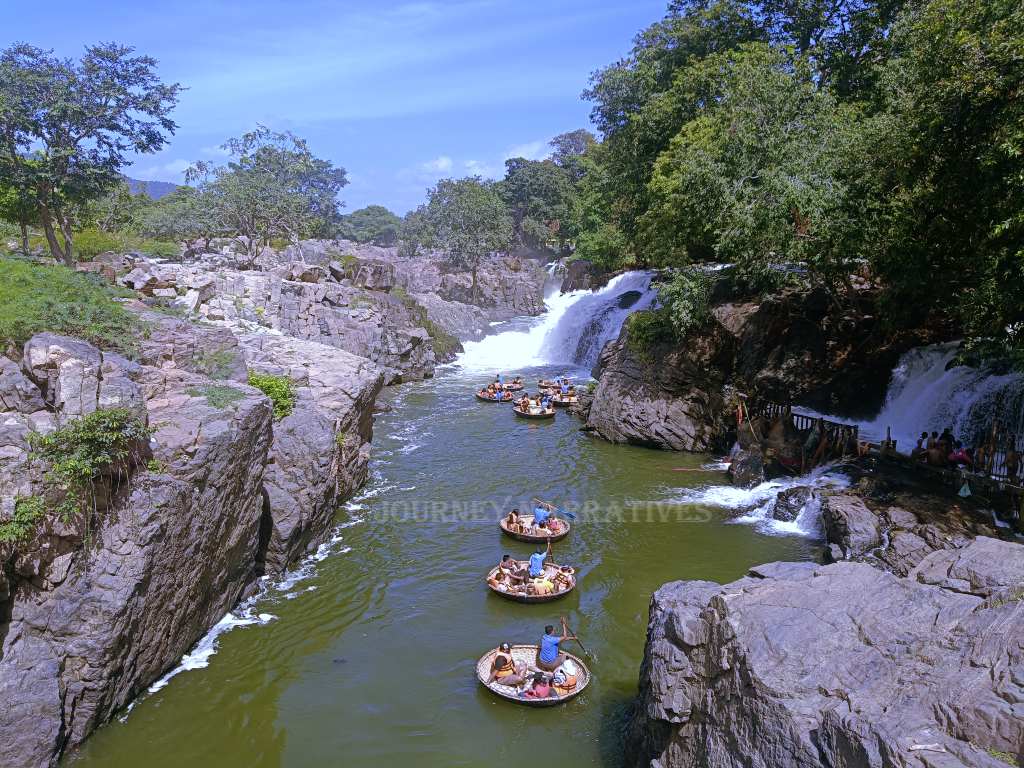
- Post-monsoon months (October to January) bring strong but controlled water flow, making the falls visually impressive without being overwhelming.
- Peak monsoon (July–September) often leads to restricted access due to heavy currents and safety concerns.
- Summer months (March–May) see reduced water flow, which limits boating but allows closer access to rock formations.
For travelers seeking both scenic beauty and accessibility, early winter offers the most balanced conditions.
2. Road Conditions via Salem Change with the Seasons
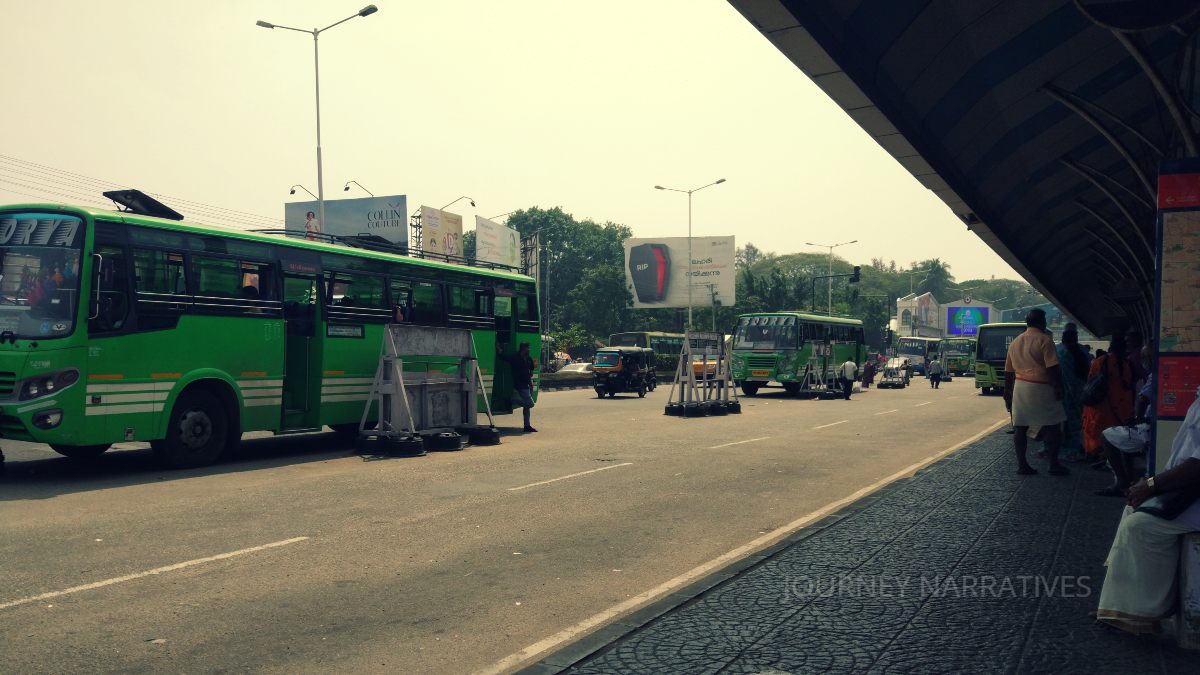
The Salem–Hogenakkal route is generally dependable, but seasonal weather plays a major role.
- During monsoon months, wet patches, mist, and occasional road repairs can slow travel.
- Winter and early summer provide dry roads and smoother driving conditions, especially for families and senior travelers.
- Early morning drives in cooler months also reduce traffic buildup near the falls.
Choosing the right season ensures the journey itself remains calm and predictable.
3. Crowd Patterns Shift Dramatically Across the Year
Hogenakkal attracts both day-trippers and weekend travelers, and seasonality directly affects crowd density.
- Weekends during winter and festival periods tend to be the busiest.
- Monsoon months may appear less crowded, but access restrictions often reduce the actual experience.
- Shoulder seasons—late October and February—offer a rare mix of moderate crowds and full access.
If your goal is a peaceful visit rather than a rushed photo stop, timing matters more than distance.
4. Weather Comfort Shapes Time Spent at the Falls
The climate around Hogenakkal influences how long you can comfortably explore the area.
- Winter temperatures allow for longer walks, relaxed viewpoints, and slower exploration.
- Summer heat can shorten visits, especially around midday.
- Humidity during monsoon months can be draining, even if temperatures are lower.
Comfortable weather encourages travelers to stay longer and experience more than just the main viewpoint.
To ensure peace of mind while traveling or living abroad, we recommend getting health insurance. SafetyWing’s Essential plan covers travel and medical emergencies with options for adventure sports and electronics theft. Their Complete plan offers comprehensive health coverage with routine healthcare, mental health support, and maternity, anywhere in the world, including in your home country, on top of all Essential benefits.

How This Fits into Season-Based Travel Planning
This guide supports our broader approach to season-based itineraries, where travel planning is driven by climate, crowd behavior, and real-world conditions rather than fixed dates. Hogenakkal’s changing water levels, access rules, and visitor patterns make it a strong example of how choosing the right season can significantly improve the overall travel experience.