Tucked away in the vibrant lanes of Jodhpur’s old city, Toorji Ka Jhalra is one of those places that quietly surprises you. While most travelers rush between forts and palaces, this 18th-century stepwell offers a slower, more intimate glimpse into the city’s heritage—where architecture, history, and everyday life blend effortlessly.
Toorji Ka Jhalra is one of many hidden architectural gems scattered across the state—explore more in our Rajasthan Travel Guide.
Here’s why Toorji Ka Jhalra deserves a meaningful stop in your Jodhpur journey.
Table of Contents
1. A Royal Legacy Carved in Stone
Built in the 1740s by Maharaja Abhay Singh’s queen, this stepwell reflects the tradition of royal women contributing to public welfare. Stepwells were not just water sources—they were community spaces, and this one carries that legacy with grace.
2. Mesmerizing Step Geometry
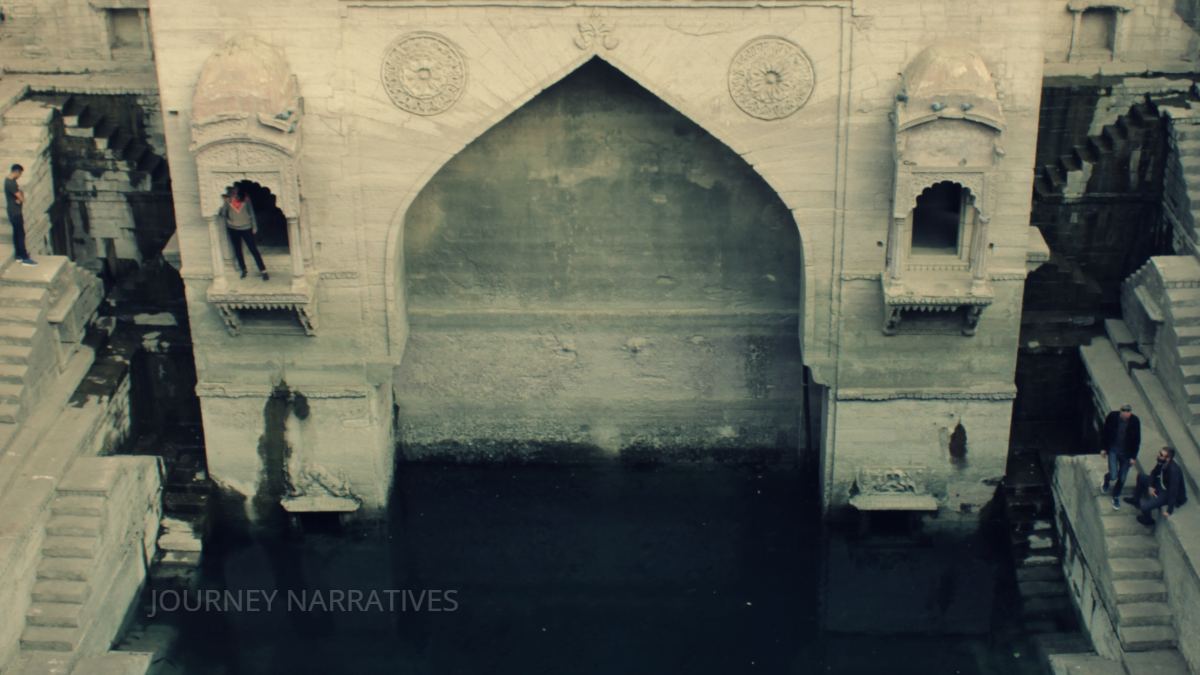
The symmetrical steps descending into the well create a striking visual pattern. Whether you’re looking from the top or walking down, the geometric precision makes it a photographer’s dream.
3. A Blend of Function and Beauty
Unlike modern structures, Toorji Ka Jhalra was designed with both utility and aesthetics in mind. Intricate carvings, niches, and tiered steps turn a simple water reservoir into an architectural masterpiece.
4. A Window into Jodhpur’s Daily Life
What makes this place special is how alive it feels. Locals still gather here, and sometimes you’ll see people sitting, chatting, or even taking a dip in the water—making it more than just a tourist spot.
5. A Refreshing Break from Crowds
Compared to Jodhpur’s popular attractions, this stepwell offers a peaceful pause. It’s the kind of place where you can sit quietly, absorb the surroundings, and feel connected to the city’s rhythm.
6. A Photographer’s Paradise
The interplay of light and shadow throughout the day creates ever-changing moods. Early mornings and late afternoons are especially magical, with soft light enhancing the stone textures.
7. Surrounded by Charming Cafés
The area around the stepwell has transformed into a lively yet relaxed zone with boutique cafés and local eateries. It’s perfect for grabbing a coffee while enjoying views of this historic structure.
8. A Revival Story Worth Knowing
For years, Toorji Ka Jhalra was neglected and filled with debris. Its restoration has brought it back to life, making it a symbol of heritage conservation done right.
9. Easy to Combine with a Heritage Walk
Located in the heart of the old city, it fits perfectly into a walking itinerary. You can explore nearby markets, blue houses, and cultural spots without needing extra travel time.
Experiences like Toorji Ka Jhalra reveal how everyday spaces shape travel stories—discover more such meaningful places in our India Travel Guide.
Travel Tips for Visiting Toorji Ka Jhalra
- Best time to visit: Early morning or late afternoon for soft light and fewer crowds
- Entry fee: Free
- Time required: 20–40 minutes
- What to carry: Camera, water, and comfortable footwear

A Quiet Highlight of Jodhpur
Toorji Ka Jhalra may not be as grand as forts or as famous as palaces, but it tells a story that feels more personal. It’s a place where history isn’t locked behind walls—it lives in the open, under the sky, reflected in still waters and ancient stone steps.
If you’re someone who enjoys discovering places beyond the obvious, this stepwell will stay with you long after you leave Jodhpur.
From stepwells to royal landmarks, plan your route efficiently with our detailed Jodhpur Travel Guide.
Historic stepwells like this reflect the cultural depth you’ll find across the region—explore similar experiences in our Asia Travel Guide.