
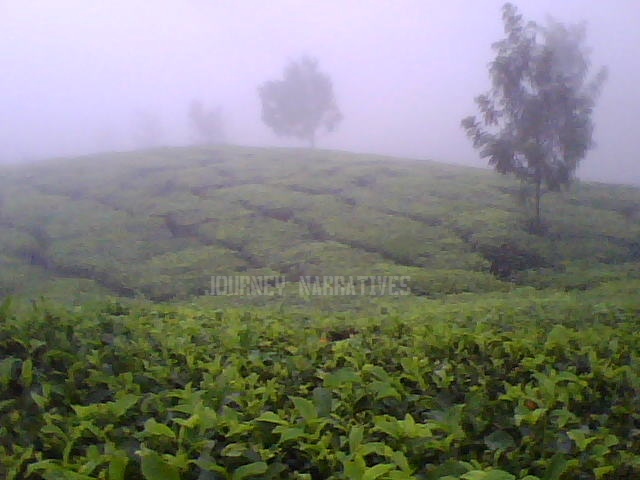
Munnar Mountains, nestled in the Western Ghats of Kerala, offer travelers a serene escape into rolling hills, misty valleys, and tea-scented breezes. These high-altitude landscapes are more than just scenic—they evoke a sense of timelessness, where every glance reveals nature’s artistry in its purest form. For anyone exploring mountain and hill landscapes, Munnar Mountains showcase the unique charm of southern India’s highlands. While exploring the breathtaking landscapes of Munnar, you can plan your complete trip with our Kerala Travel Guide. Here are eight spectacular views in Munnar that reveal the magic of its high-altitude terrain: 1. Anamudi Peak: The Roof of South India Standing tall at 2,695 meters, Anamudi Peak is South India’s highest point. From its base, travelers can admire sweeping views of the surrounding Western Ghats, lush forests, and tea plantations. On clear days, the sunlight on distant valleys creates a mosaic of greens and golds, making it a truly unforgettable high-altitude sight. 2. Top Station: Where the Mist Meets the Hills Top Station offers panoramic vistas of rolling hills and the neighboring Tamil Nadu plains. The mist that often lingers in the early morning adds a mystical layer, making the scenery feel almost otherworldly. The journey to this viewpoint, lined with wildflowers and eucalyptus trees, is as rewarding as the view itself. 3. Mattupetty Dam and Hills: A Blend of Water and Mountains The serene reservoir at Mattupetty Dam is framed by undulating hills that rise dramatically on all sides. From the dam, the combination of calm water reflecting the mountains and distant tea estates creates a harmonious view, perfect for photographers and nature lovers alike. 4. Echo Point: Nature’s Natural Amplifier Echo Point is famous not just for its sweeping valley views but also for the playful acoustics that make voices bounce across the mountains. Surrounded by tall trees and rolling hills, this spot blends visual beauty with interactive fun, making it a favorite for families and travelers seeking a memorable experience. 5. Attukal Waterfalls and Surrounding Peaks The cascading waters of Attukal Waterfalls provide a dynamic contrast to Munnar’s serene hills. Viewed from nearby high points, the falls carve their way through green valleys, offering a glimpse of nature’s raw energy amidst the timeless beauty of the mountains. 6. Chinnakanal: Tea Gardens Amidst Hills Chinnakanal is a haven of lush tea plantations, misty hills, and gentle streams. Walking or driving through its undulating roads gives travelers multiple vantage points where the tea gardens stretch endlessly, highlighting the serene rhythm of Munnar Mountains. 7. Marayoor Sandalwood Forests and Hills The Marayoor region is not just about sandalwood—it also offers elevated views of hills dotted with ancient dolmens and rocky outcrops. The juxtaposition of forested slopes and open valleys gives travelers a sense of timelessness and discovery. 8. Lockhart Gap: Sunset Over Rolling Hills Lockhart Gap offers one of the most romantic and cinematic views in Munnar. As the sun dips behind distant hills, valleys and tea estates are bathed in golden light. This viewpoint captures the essence of high-altitude beauty and the enduring allure of the Munnar Mountains. If you’re building a wider itinerary, don’t miss our India Travel Guide for more diverse destinations across the country. Embracing the Timeless Charm of Munnar Mountains Munnar Mountains prove that high-altitude landscapes are not just about elevation—they are about perspective, tranquility, and the stories that unfold in mist and sunlight. Each view—from peaks to waterfalls, tea gardens to forests—offers travelers a moment of reflection and awe. For those exploring mountain and hill landscapes, Munnar is a testament to the timeless charm of India’s highlands. For more breathtaking high-altitude landscapes, explore our pillar post, “Mountain & Hill Landscapes: 8 Breathtaking High-Altitude Views You’ll Never Forget”, where Munnar joins other iconic mountain destinations. For broader travel inspiration, explore the Asia Travel Guide featuring scenic mountain and nature escapes.
Shimla Mountain: 7 Iconic High-Altitude Views That Will Captivate Every Traveler
Shimla Mountain offers more than just charming colonial streets and bustling markets—it is a gateway to some of the most breathtaking high-altitude views in the Himalayas. Nestled amidst pine forests and rolling hills, Shimla Mountain captivates travelers with its serene landscapes and panoramic vistas. For those exploring mountain and hill landscapes, the vistas here perfectly blend natural beauty with a sense of timeless charm. Here are seven iconic views in Shimla that showcase the charm and majesty of these mountains: 1. The Ridge: Shimla’s Heartbeat Above the Hills The Ridge is more than a viewpoint—it’s the cultural and social heartbeat of Shimla. Stretching across the town, it offers sweeping panoramas of surrounding pine-clad mountains. From sunrise to sunset, the Ridge paints a perfect picture of Shimla’s charm. On clear days, the Dhauladhar ranges appear like a distant silver horizon, making it a must-visit for anyone wanting a taste of high-altitude grandeur. 2. Jakhoo Hill: Where the Sky Feels Close Jakhoo Hill, the highest point in Shimla, rewards visitors with 360-degree views of the city and valleys below. A short trek up through shaded pine forests leads to the famous Hanuman temple and a vista that seems almost suspended in clouds. The early morning mist curling around the hilltops gives the place an ethereal, almost mystical quality. 3. Kufri: Alpine Beauty Just Beyond Shimla Kufri’s slopes are a perfect blend of adventure and scenic delight. From the central hill, one can see rolling meadows, dense forests, and the distant peaks of the Himalayas. The winter months transform Kufri into a snowy wonderland, offering views that feel untouched and raw—a reminder of nature’s power and tranquility. 4. Prospect Hill: Sunrise in Solitude For travelers seeking peace and a quiet moment above the town, Prospect Hill offers an unmatched vantage point. The soft morning light spreads across the ridges and valleys, creating a tapestry of colors that feels intimate and personal. Unlike more crowded areas, Prospect Hill allows for a meditative connection with Shimla’s mountains. 5. Chadwick Falls: Nature’s Tranquil Canvas Though slightly off the main town, Chadwick Falls provides a unique mountain view framed by cascading water. The fall itself is modest but mesmerizing, with surrounding cliffs and pine trees creating a scene that blends motion and stillness—a perfect metaphor for the rhythm of mountain life. 6. Summer Hill: A Glimpse of Serenity Summer Hill is a serene vantage point that combines colonial charm with natural beauty. Trekking through narrow paths lined with rhododendrons leads to panoramic views of surrounding valleys. The view of Shimla from Summer Hill, especially at sunset, captures both the town’s character and the vastness of the Himalayas. 7. Tara Devi Temple: Spiritual Heights, Scenic Sights Perched on a hilltop, Tara Devi Temple offers both spiritual solace and a sweeping mountain panorama. The surrounding vistas stretch across verdant forests and distant peaks, making it a place where reflection meets breathtaking scenery. Early mornings here are magical, with sunlight glinting off layers of misty hills. The Lasting Allure of Shimla Mountain Landscapes Shimla mountain landscapes remind us why hill stations continue to capture the imagination of travelers worldwide. Each viewpoint offers a different perspective—some serene, some exhilarating—but all connect visitors with the raw beauty and timeless appeal of the Himalayas. When exploring mountain and hill landscapes, Shimla is a place where every glance upward becomes a story worth telling.
Beautiful Places to Welcome the New Year 2026 in India – For a Memorable Start
New Year 2026 in India brings a special kind of magic to the last few days of December. The excitement in the air, the reflections on the year gone by, the hope for brighter days ahead, and that universal desire to be somewhere meaningful when the clock strikes midnight make this time truly unforgettable. With its incredible diversity of landscapes and cultures, India offers endless ways to celebrate — from serene beaches and peaceful mountains to golden deserts and vibrant, neon-lit cities. To plan your trips more effectively and discover diverse travel ideas, visit our full Travel Guide hub. Here are some of the most beautiful places to welcome New Year 2026 in India — destinations that offer not just celebrations, but truly memorable and soul-stirring experiences. 1. Goa – Beach Parties & Fireworks by the Arabian Sea If New Year had a capital in India, Goa would be a top contender. As December ends, the entire coastline comes alive with music festivals, beach parties, bonfires, night markets, and fireworks that light up the ocean. Why it’s memorable:Party till sunriseBeach vibes + cool sea breezeElectric nightlife Whether you’re dancing in Baga, chilling in Anjuna, or enjoying a quiet beach in South Goa — Goa makes New Year feel cinematic. 2. Manali – Snowfall, Mountains & Cozy Celebrations If you dream of stepping into the New Year surrounded by snow-covered peaks, Manali is pure magic. Pine forests, frozen rivers, snowfall, and charming cafés make it the perfect winter escape. Why it’s memorable:Snow adventure sportsCandle-lit mountain cafésA peaceful, romantic vibe Ring in the year with chai, snowflakes, and the Himalayas for company. 3. Varkala, Kerala – Cliffs, Calm & Coastal Sunsets Not everyone wants loud parties — some want peace. Varkala offers the best of both worlds: gentle beaches, cliffside cafés, live music, and a spiritual calm that stays with you. Why it’s memorable:Relaxed New Year vibesStunning cliff-top viewsBonfires & beachside music Sunset on New Year’s Eve here feels like nature’s grand farewell to the year. 4. Mumbai – The City That Never Sleeps Marine Drive glittering at night, Gateway of India alive with crowds, rooftop celebrations, clubs, cruises, fireworks — Mumbai brings New Year energy like no other. Try this for New Year 2026 in India. Why it’s memorable:Iconic skyline celebrationsEndless party optionsStreets buzzing till morning If you want pure adrenaline and big-city magic — this is the place. 5. Shimla – A Winter Wonderland Colonial charm, pine-scented air, chilly weather, and possibly a snowfall — Shimla feels like a postcard in December. Why it’s memorable:Mall Road celebrationsSnowy viewsQuiet but festive atmosphere Perfect for families, couples, and anyone wanting a peaceful winter escape. 6. Pondicherry – French Lanes & Beachside Bliss With its French architecture, quaint cafés, beaches, and soulful ambience, Pondicherry offers a unique New Year celebration — elegant, calm, and heartwarming. Why it’s memorable:Seaside fireworksFrench-style cafés & promenadesBonfires & beach music It’s the kind of place where celebrations feel intimate and beautiful. 7. Jaisalmer – Desert Nights & Royal Rajasthani Charm Welcoming the New Year 2026 in India under a billion stars in the Thar Desert? Unforgettable. Desert camps come alive with folk music, dance, lanterns, and gala dinners. Why it’s memorable:Star-lit skyCamel safaris & dune partiesRoyal heritage vibes The silence of the desert at midnight feels surreal. 8. Bengaluru – Music, Cafés & Cool Weather Cosmopolitan, youthful, energetic — Bengaluru hosts some of the best concerts, pub nights, and outdoor celebrations in India. Why it’s memorable:Pleasant weatherBig live eventsTrendy nightlife Perfect for friends and New Year fun-seekers. 9. Rishikesh – Spiritual, Peaceful & Soulful If your New Year 2026 in India is all about fresh beginnings, clarity, and inner peace, Rishikesh offers a soulful path — yoga retreats, Ganga aarti, meditation, and river-side calm. Why it’s memorable:Detox from city chaosNature + spiritualityA meaningful start to the year Begin the year with peace instead of noise. 10. Andaman Islands – Crystal Waters & Island Serenity Turquoise water, white sand, coral reefs — New Year 2026 in India in Andaman will feel like stepping into paradise. Why it’s memorable:Beach dining & fireworksScuba & water adventuresSecluded, romantic vibe A perfect getaway for couples and ocean lovers. Personal Reflections on New Year 2026 in India New Year 2026 in India doesn’t have to be just a celebration — it can be a memory, a mood, a moment you’ll never forget. Dancing on a beach, sitting quietly in the mountains, watching fireworks burst across a city skyline, or meditating beside a peaceful river — each experience brings its own unique kind of calm and beauty, reminding you that there are countless ways to reconnect with yourself and the world around you. India gives you a place that matches your heart. The best way to welcome the New Year?Choose a place that feels like hope. New Year destinations are just one way to explore the country—discover more scenic and experience-driven locations in our guide to Beautiful Places to Visit in India: A Guide to Scenic, Seasonal & Unique Travel Experiences. Explore more Places For region-wise ideas and deeper travel planning across India, check out the India Travel Guide section. For broader travel inspiration across countries and cultures, explore the Asia Travel Guide for more options.
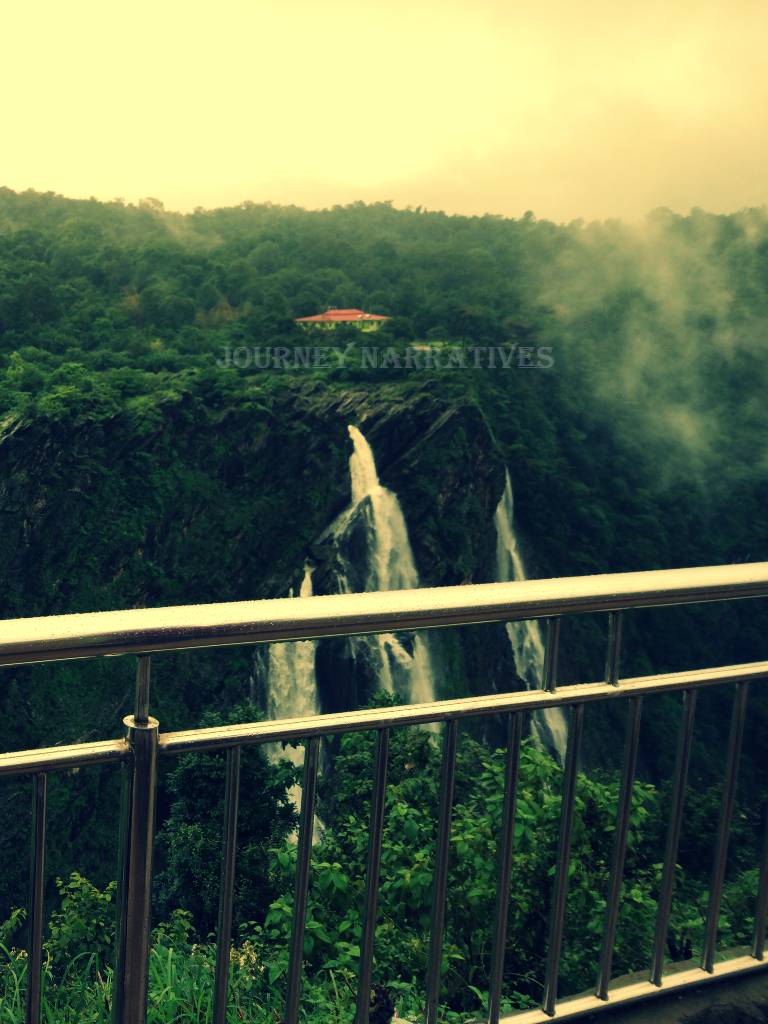
Jog Falls, Shivamogga: 6 Spectacular Drops That Reveal the Force of Flowing Water
Tucked deep within the Western Ghats of Karnataka, Jog Falls in Shivamogga stands as one of India’s most powerful expressions of flowing water. Fed by the Sharavathi River, this dramatic waterfall system doesn’t descend as a single stream — instead, it splits into four mighty cascades, each carving the landscape in its own distinct way. During the monsoon, Jog Falls transforms into a roaring spectacle, reminding visitors that rivers are not just scenic elements but forces capable of shaping forests, cliffs, and valleys over centuries. Jog Falls is one of the most striking examples featured in our in-depth guide on Forest & River Landscapes: 6 Raw Natural Formations Carved by Water and Time, where rivers actively sculpt the land through movement and erosion. Understanding Jog Falls: A River in Free Fall Unlike many tiered waterfalls, Jog Falls plunges vertically from a height of around 830 feet, making it one of the tallest waterfalls in India. What makes it exceptional is how the Sharavathi River breaks into multiple streams, creating six visually distinct drops and segments during peak flow. This dynamic behavior places Jog Falls firmly within the theme of river-carved natural formations. 1. Raja Falls – The King of Cascades Raja Falls is the most commanding of the drops. With a straight, uninterrupted plunge, it demonstrates the raw power of the Sharavathi River when volume is at its peak. The mist created at the base nourishes surrounding vegetation, contributing to the dense greenery that frames the gorge. 2. Rani Falls – Grace with Force Flowing beside Raja Falls, Rani Falls appears slightly curved, softer in shape but no less powerful. During the monsoon, the two merge visually, creating a dramatic twin cascade that dominates the valley. 3. Roarer Falls – The Loudest Voice of the River True to its name, Roarer Falls produces a thunderous sound as water crashes against protruding rocks before plunging downward. This interaction between rock and water highlights how erosion gradually reshapes cliff faces over time. 4. Rocket Falls – A Narrow Surge of Speed Rocket Falls channels water through a tight opening, accelerating its descent. The speed and precision of this drop make it a striking example of how rivers adapt their flow based on terrain resistance. 5. Monsoon Overflow – When the Valley Awakens During heavy rains, smaller unnamed streams appear around the main falls. These temporary cascades emphasize how seasonal water volume dramatically alters the landscape, expanding the waterfall’s reach across the cliff face. 6. The Plunge Pool – Where Energy Settles At the base of Jog Falls lies a deep plunge pool formed over centuries by falling water. This area collects sediments and nutrients, supporting aquatic life and sustaining downstream forest ecosystems. The Role of Sharavathi River in Shaping the Region The Sharavathi River doesn’t just create Jog Falls — it defines the entire ecosystem around Shivamogga. Its flow supports evergreen forests, influences local climate, and feeds into hydroelectric projects further downstream, showing how natural force and human dependency intersect. Jog Falls is a reminder that rivers are active sculptors, not passive scenery. Best Time to Experience Jog Falls Swimming near the base is not permitted due to strong currents. Why Jog Falls Belongs in Forest & River Landscapes Jog Falls perfectly embodies the theme of natural formations carved by water and time. It is not just about height or volume, but about: Echoes of a Falling River Jog Falls in Shivamogga is not defined solely by its height or volume, but by the way the Sharavathi River releases its energy into the landscape. Each drop, whether roaring or subtle, leaves behind mist, carved rock faces, and nourished forest floors. Over time, this constant movement transforms stone into story, reminding us that rivers shape the land not through force alone, but through persistence. Long after the sound of falling water fades, the presence of Jog Falls continues to resonate. It lives in the deep gorge below, in the surrounding forests sustained by river spray, and in the rhythm of seasons that alter its form. These echoes reveal a simple truth — flowing water is one of nature’s most enduring storytellers, shaping landscapes that feel both powerful and timeless.
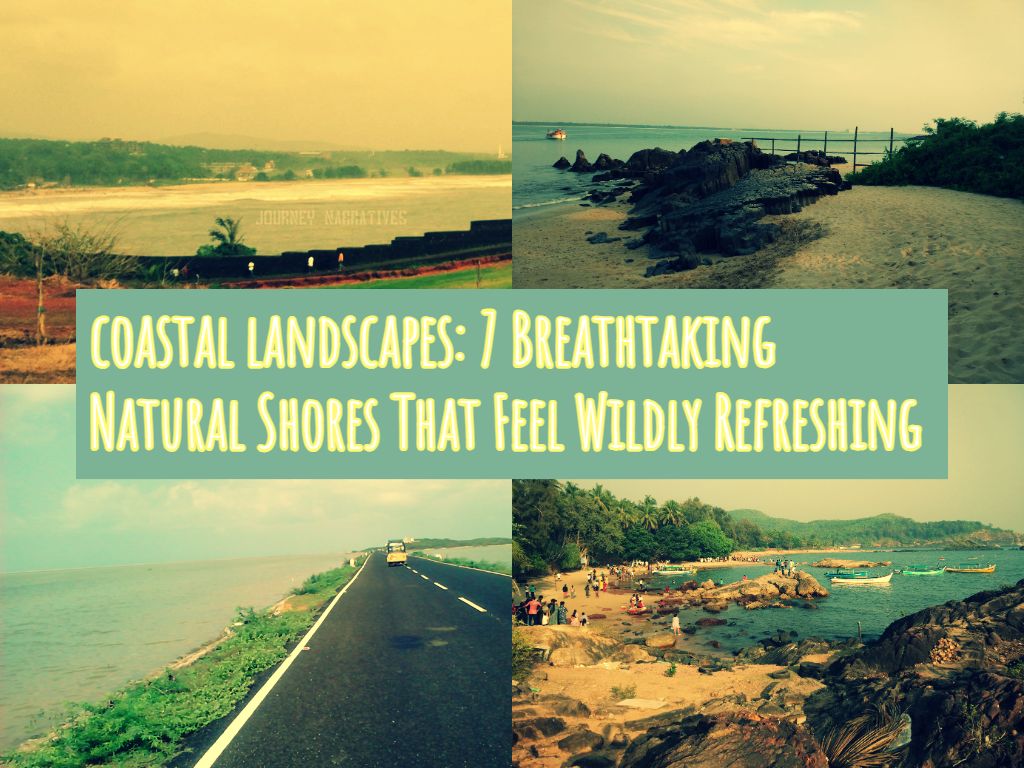
Coastal Landscapes in India: 7 Breathtaking Natural Shores That Feel Wildly Refreshing
Coastal landscapes are among the most captivating natural environments on Earth. Where land meets sea, powerful forces—waves, wind, tides, and tectonic movement—work continuously to shape shorelines into diverse and breathtaking forms. These landscapes are not only visually striking but also ecologically vital, supporting complex ecosystems and offering a sense of openness and refreshment that few other environments can match. Across continents and climates, coastal regions present an extraordinary range of natural features: volcanic islands rising from the ocean floor, coral-fringed beaches glowing under tropical sun, dramatic cliffs carved by centuries of erosion, and calm estuaries where rivers blend into the sea. Together, they form a living record of Earth’s natural processes. Coastal landscapes exist across every continent. This guide currently explores India’s most remarkable coastal environments and will gradually expand to include global coastal regions. Why Coastal Landscapes Feel Wildly Refreshing Coastal environments engage the senses in a unique way. The constant movement of water, the sound of waves, the salty air, and the vast open horizons combine to create a deeply calming yet energizing experience. Scientifically, coastal regions are known for: Beyond physical refreshment, coastal landscapes also play a psychological role, offering mental clarity and a strong sense of connection to nature. 1. Volcanic Island Shores Volcanic island coasts are formed when lava from beneath the Earth’s crust cools rapidly upon contact with seawater. Over time, this process creates distinctive rock formations, often with geometric precision. Defining features: These shores are not only visually unique but also geologically rare. They serve as natural laboratories for understanding plate tectonics and Earth’s volcanic history. Because of their scientific importance, many volcanic island shores are designated protected zones. A notable example of this landscape type is St. Mary’s Island, where rare basalt column formations clearly illustrate how volcanic activity has shaped India’s coastal geography. 2. Coral and White-Sand Beaches Unlike conventional sandy beaches, coral beaches are formed from broken coral fragments, shells, and marine organisms. This gives them a bright white appearance and shallow, clear waters that reflect sunlight beautifully. Why they stand out: These beaches are highly sensitive to environmental change. Rising sea temperatures and pollution can significantly impact coral health, making conservation efforts essential to preserving these stunning coastal environments. Along India’s western coastline, Kovalam Beaches in Kerala illustrate how coral-influenced seabeds and fine white sand work together to naturally regulate waves, creating calm, segmented shorelines shaped by long-term interaction between marine ecosystems and the coast. To ensure peace of mind while traveling or living abroad, we recommend getting health insurance. SafetyWing’s Essential plan covers travel and medical emergencies with options for adventure sports and electronics theft. Their Complete plan offers comprehensive health coverage with routine healthcare, mental health support, and maternity, anywhere in the world, including in your home country, on top of all Essential benefits. 3. Rocky Cliffs and Wave-Cut Coastlines Rocky coastal cliffs represent some of the most dramatic interactions between land and sea. Constant wave impact erodes the base of cliffs, gradually shaping caves, arches, stacks, and blowholes. Natural characteristics: These coastlines demonstrate the raw power of the ocean and are often found along tectonically active regions. While less accessible than sandy beaches, cliff coasts offer expansive views and a strong sense of natural scale. A clear example of this coastal form can be seen along the rocky cliffs of Varkala, where wave erosion has shaped elevated shorelines that feel raw, exposed, and naturally refreshing. If you want to explore more and If rugged edges and ocean-facing heights interest you, check out the 10 Best places to spot a cliff near the beaches in India. 4. Mangrove and Estuarine Shores Mangrove coasts occur where freshwater rivers meet saltwater seas, creating estuaries rich in nutrients. Though visually quieter, these landscapes are among the most ecologically important coastal systems in the world. Why mangrove shores matter: Mangrove landscapes provide a different kind of refreshment—calm, shaded, and deeply connected to ecological balance. The mangrove-lined estuarine shores of Honnavar illustrate how coastal landscapes adapt where rivers meet the sea, allowing tidal flow, sediment movement, and root systems to shape a naturally balanced shoreline. 5. Sandy Dunes and Coastal Plains Coastal dune systems form where wind and sand interact over long periods, shaped and stabilized by native vegetation. These landscapes are constantly changing yet delicately balanced. Key elements: Though they may appear simple, dune systems protect inland areas from sea intrusion and storms. Walking through these landscapes reveals the subtle beauty of wind-shaped terrain and minimalistic coastal design. The shifting sands of Dhanushkodi offer a clear example of sandy dunes and coastal plains, where wind, waves, and deposition continuously reshape the shoreline without fixed boundaries. 6. Tidal Flats and Natural Rock Pools Some of the most fascinating coastal landscapes reveal themselves only during low tide. Tidal flats and rock pools expose textures, patterns, and marine life hidden beneath the sea’s surface. What makes them special: These zones highlight the rhythmic nature of coastal environments and show how even small-scale landscapes play a role in ecological health. At Om Beach in Gokarna, tidal flats and natural rock pools emerge with changing sea levels, revealing an intertidal landscape shaped by daily exposure and retreat. 7. Untouched and Protected Coastal Zones The most refreshing coastal landscapes are often those least altered by human activity. Protected islands, marine parks, and restricted shorelines allow natural processes to continue undisturbed. Benefits of protected coasts: Responsible tourism ensures that these landscapes remain intact while still allowing people to appreciate their natural beauty. The Bekal Coast represents an untouched and protected coastal zone, where limited intervention allows natural shoreline processes to endure without forced stabilization. The Geological Story Behind Coastal Landscapes Coastal landforms are shaped by a combination of: Some coastlines are millions of years old, while others continue to evolve rapidly. Understanding these processes adds depth to the experience of exploring natural shores. For coastal stretches that remain remarkably untouched and well-preserved, explore our guide on clean beaches in India. Ecological Importance of Coastal Environments Coastal landscapes play a critical
Mangaluru Budget Travel: 7 Smart Ways to Explore More Without Overspending
Mangaluru is often misunderstood as either a quick transit city or a place that demands resort-level spending to enjoy properly. In reality, it rewards travellers who slow down, observe local rhythms, and make a few grounded choices about how they move, eat, and plan their days. This guide focuses on getting the full Mangaluru experience—coast, culture, food, and calm—without inflating daily expenses or sacrificing comfort. To discover more destinations across the state, check out our Karnataka Travel Guide, covering beaches, hill stations, and heritage sites. The choices outlined here reflect a travel-planning approach where experiences are shaped around realistic budgets rather than idealised spending assumptions. 1. Stay Close to Local Neighbourhoods, Not Landmark Clusters Accommodation near famous beaches or central landmarks often carries a premium without offering proportional value. Areas like Bejai, Kadri, or Hampankatta provide better pricing, reliable transport access, and proximity to everyday eateries. These neighbourhoods also reduce reliance on taxis, as buses and autos are easier to access and more predictable. Why it works:Lower room rates and reduced daily transport costs add up quickly, especially on multi-day stays. 2. Explore Beaches by Timing, Not by Spending Mangaluru’s beaches—Panambur, Tannirbhavi, Surathkal—don’t require entry tickets or curated experiences to be enjoyable. Visiting early mornings or late afternoons avoids both crowds and unnecessary spending on rentals, snacks, or short-lived activities. Public ferry access to Tannirbhavi, for example, costs far less than road-based transport and adds its own charm. Why it works:Better atmosphere, fewer impulse purchases, and no compromise on the experience itself. 3. Eat Where Locals Eat, Especially for Breakfast and Lunch One of Mangaluru’s biggest advantages is its food culture. Local eateries serving neer dosa, ghee roast, kori rotti, or simple meals offer excellent quality at reasonable prices—especially earlier in the day. High-end seafood restaurants often charge more for ambience than flavour. Local lunch spots deliver authenticity without inflated bills. Why it works:You get fuller meals at lower costs, reducing the need for multiple food stops later. 4. Group Attractions by Area Instead of Crossing the City Repeatedly Many visitors overspend on transport by treating each attraction as a separate outing. Mangaluru rewards area-based exploration. Kadri Temple, Kadri Park, and nearby cafes can comfortably fill half a day. Similarly, beach visits can be combined with lighthouse stops or sunset walks without extra travel. Why it works:Fewer long rides mean lower transport costs and less fatigue. 5. Use Public Transport for Daytime Travel Mangaluru’s local bus network is reliable, frequent, and extremely affordable. For daytime movement—especially between central areas and beaches—buses offer better value than cabs. Autos are best reserved for short distances or late evenings when convenience matters more than savings. Why it works:Public transport keeps daily movement costs predictable and minimal. 6. Choose Cultural Stops That Don’t Demand Tickets Temples, churches, markets, and walking areas form the cultural heart of Mangaluru and cost nothing to enter. Kadri Manjunatha Temple, St. Aloysius surroundings, and local fish markets offer deep insights without formal fees. These places also encourage slower exploration, which naturally limits spending. Why it works:Meaningful experiences without paid entry points stretch the travel budget further. 7. Keep One Day Intentionally Light Overplanning leads to rushed schedules, unnecessary transport costs, and exhaustion-driven spending. Leaving one day partially open—for beach walks, café hopping, or neighbourhood exploration—keeps both energy and expenses under control. Mangaluru shines when you don’t try to extract too much from it. Why it works:Lower movement equals lower spend, with higher overall satisfaction. If you’re planning a wider itinerary, explore our India Travel Guide for diverse travel experiences across the country. Closing Thought on Exploring Mangaluru Exploring Mangaluru doesn’t require a packed itinerary or premium pricing. When neighbourhood choice, food timing, transport use, and daily pacing are aligned with how the city actually functions, value emerges naturally. That’s when the city feels generous rather than expensive—and the trip feels complete without feeling costly. Travellers planning multi-day routes or intercity journeys can explore the itinerary-based approach outlined in 4 Practical Budget-Friendly India Travel Itineraries Built Around Realistic Travel Costs to structure Mangaluru into a wider, cost-aware travel plan. For broader inspiration, browse our Asia Travel Guide and uncover unique destinations across the continent.
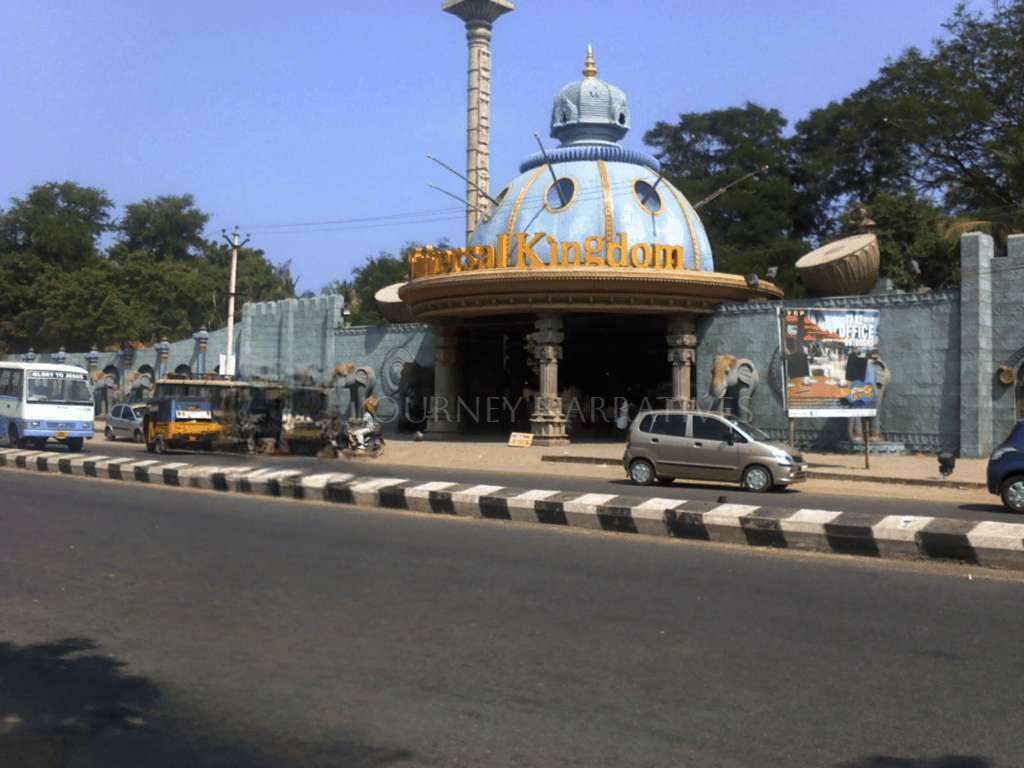
VGP Universal Kingdom, Chennai: 9 Exciting Attractions That Make This Iconic Theme Park Unforgettable
VGP Universal Kingdom, Chennai has been a symbol of fun and entertainment on East Coast Road for decades. Generations of families have walked through its gates, laughed on its rides, and created memories that last long after the day ends. With its mix of classic attractions, energetic atmosphere, and seaside charm, this theme park continues to hold a special place among Chennai’s most loved destinations. If you’re planning to explore more of the city beyond this fun-filled park, our Chennai Travel Guide helps you map out the best of Chennai. Here’s what makes the experience here truly unforgettable. Where Chennai’s Love for Amusement Parks Began Long before modern entertainment zones appeared in the city, VGP Universal Kingdom, Chennai was already winning hearts. Its colourful entrance, lively music, and cheerful surroundings instantly set the mood for a joyful day. There’s a nostalgic charm here that makes even adults feel like children again. For many visitors, this isn’t just a theme park—it’s a place filled with childhood memories. The Joy of Letting Go on Classic Adventure Rides One of the biggest highlights is the collection of rides that bring both excitement and laughter. As the rides lift you high above the ground or spin you around, the rush of wind and sound creates a moment of pure thrill. Whether you’re someone who seeks adventure or simply wants to try something new, the energy here is contagious. Gentle Attractions That Bring Families Together Not every experience here is about speed. There are plenty of rides where families can sit together, talk, laugh, and enjoy the moment. These slower attractions often become the most memorable because of the shared joy they create. It’s the kind of place where parents, children, and even grandparents find something to enjoy. A Setting That Feels Open, Bright, and Lively Unlike enclosed entertainment centres, this park offers open spaces filled with light, air, and movement. The coastal location adds a pleasant freshness to the surroundings, making the experience feel less tiring even after several hours. The simple act of walking through the park becomes enjoyable. A Place Where Children’s Happiness Takes Centre Stage Children are often the happiest here. Their excitement is visible in every smile, every laugh, and every eager step toward the next ride. Watching their joy becomes a special experience for parents too. Moments like these turn into cherished family memories. More Than Rides: An Atmosphere of Celebration Beyond the attractions, the park has an overall festive feeling. The sounds, colours, and cheerful environment create an experience that feels larger than just individual rides. It feels like stepping into a space designed purely for happiness. The Advantage of Its Scenic East Coast Road Location Being located along one of Chennai’s most beautiful roads adds to its appeal. Many visitors combine their park visit with a coastal drive, making the entire day feel like a mini vacation. The journey becomes as enjoyable as the destination. An Experience That Still Holds Its Charm Today Despite the arrival of newer attractions, VGP Universal Kingdom, Chennai continues to remain relevant and loved. Its simplicity, warmth, and character give it a timeless appeal. This is the kind of place people return to—not just for rides, but for the feeling it gives. Why It Continues to Be a Favourite Among Chennai’s Attractions What makes this park special isn’t just the entertainment—it’s the emotions connected to it. The laughter, the shared moments, and the carefree atmosphere make every visit meaningful. Whether it’s your first visit or your fifth, the experience always feels fresh and enjoyable. If you’re exploring the region, don’t miss our Tamil Nadu Travel Guide, where you’ll find more memorable destinations and experiences across the state. Experiences like this are just one side of India’s travel story—find more across the country in our India Travel Guide. For more large-scale attractions, theme parks, and unique travel experiences, browse our Asia Travel Guide for wider inspiration.
5 Food Traditions at Lalbaug Cha Raja During Ganesh Chaturthi That Celebrate Faith and Devotion
Festival food traditions at Lalbaug Cha Raja are not about indulgence or spectacle alone — they are about shared faith, disciplined devotion, and collective gratitude. During Ganesh Chaturthi, food becomes a living ritual in Lalbaug, where millions of devotees participate not just in darshan, but in a deeply rooted culture of offering, serving, and consuming food with humility and purpose. These traditions quietly bind people across class, language, and background, turning nourishment into an act of spiritual unity. 1. Naivedyam as an Act of Devotion, Not Display At Lalbaug Cha Raja, food offerings are prepared with restraint and reverence. Modaks, fruits, and simple cooked dishes are offered not to impress, but to honor Lord Ganesha through sincerity. The focus remains on purity, timing, and intention rather than variety or excess. This practice reminds devotees that sacred food rituals thrive on discipline — faith expressed through simplicity rather than abundance. 2. Mahaprasad: Festival Food That Belongs to Everyone One of the most powerful festival food traditions at Lalbaug Cha Raja is the distribution of Mahaprasad. Volunteers serve food tirelessly, ensuring that no devotee is turned away. Rich or poor, local or visitor — everyone receives the same meal with the same respect. Here, food dissolves hierarchy. The act of eating together becomes a statement of equality and shared devotion. 3. Volunteer Kitchens That Run on Faith and Service Behind the scenes, community kitchens operate with remarkable coordination. Volunteers cook, serve, clean, and manage crowds — often fasting themselves. The food may be simple, but the labor behind it is immense and selfless. These kitchens reflect how festival food traditions at Lalbaug Cha Raja are sustained not by money alone, but by collective will and unwavering belief. 4. Fasting, Discipline, and Respect for Sacred Timing Many devotees observe fasts or strict dietary practices during Ganesh Chaturthi. Meals are eaten only after darshan or at specific times, reinforcing the idea that food is governed by spiritual rhythm, not personal convenience. Such practices echo ancient Indian food philosophies where eating is aligned with devotion, patience, and gratitude. 5. Food as a Bridge Between Strangers and Generations In Lalbaug, shared meals spark conversations between strangers standing in long queues. Elders explain traditions to younger devotees; volunteers guide first-time visitors. Food becomes the medium through which stories, values, and faith travel across generations. This quiet transmission of culture is what keeps festival traditions alive beyond the celebration itself. Why Festival Food Traditions at Lalbaug Cha Raja Continue to Unite Devotees The power of festival food traditions at Lalbaug Cha Raja lies in their emotional honesty. They do not promise luxury — they offer belonging. They do not distract from hardship — they teach endurance through faith. When Faith Is Served One Meal at a Time At Lalbaug Cha Raja, food is never just food. It is prayer made edible, service made visible, and culture made shareable. Long after the pandal is dismantled, these food traditions linger — reminding devotees that faith survives not through grandeur, but through everyday acts of giving and gratitude. To explore how food and festival traditions like these are celebrated across the country, don’t miss my complete guide on food and festival traditions in India that bring celebrations to life, where I’ve covered diverse rituals and regional flavors in detail.

VGP Snow Kingdom: 7 Chilling and Exciting Experiences Inside Chennai’s Coolest Attraction
You don’t expect to see snow in Chennai. That’s what makes VGP Snow Kingdom travel such a delightful surprise. Located along the East Coast Road inside the famous VGP Universal Kingdom complex, VGP Snow Kingdom brings freezing temperatures, snowy landscapes, and pure winter fun into the heart of tropical Tamil Nadu. The moment you step inside, Chennai’s heat disappears, replaced by icy air and white surroundings. It’s playful, refreshing, and unlike anything else in the city. After enjoying this icy escape, explore what else the city has to offer with our Chennai Travel Guide for a well-rounded trip. Here are seven chilling and exciting experiences waiting inside. Feel Real Snow in a Tropical City One of the most exciting parts of visiting VGP Snow Kingdom is experiencing real snow in a city known for its heat. The ground is covered in soft snow that you can touch, walk on, and play with freely. For many visitors, especially those who have never travelled to snowy regions, this becomes a magical and unforgettable moment. The contrast between Chennai’s tropical weather outside and the snowy world inside makes the experience even more special. Slide Down the Ice Slopes The ice slides inside Snow Kingdom are a major highlight and bring out the child in everyone. Sitting on the tube and sliding down the icy slope creates a rush of excitement and laughter. The slides are designed to be safe and enjoyable, making them suitable for both children and adults. Most visitors find themselves going back for another slide because the thrill is simply too fun to experience just once. Enjoy a Complete Winter Atmosphere Snow Kingdom isn’t just about snow on the ground — it creates a complete winter environment. The interiors are designed with snow-covered features, icy textures, and winter-themed lighting that make you feel like you’ve stepped into another country. Artificial snowfall adds to the charm, making the entire setting feel immersive. Every corner is thoughtfully created to give visitors a genuine winter-like experience. Dance and Play in the Snow Arena The open snow arena is where the energy truly comes alive. Visitors gather here to dance, play, and throw snowballs while music fills the space. The atmosphere is filled with laughter and excitement, and even those who arrive feeling shy quickly join in the fun. It becomes a place where strangers share smiles and everyone enjoys the rare joy of playing in the snow. Experience Sub-Zero Temperatures Safely One of the most surprising aspects of Snow Kingdom is the cold temperature, which drops below zero degrees. Despite this, visitors remain comfortable because winter jackets, gloves, and boots are provided before entering. These essentials allow you to enjoy the experience safely without worrying about the cold. Feeling such low temperatures in Chennai itself makes the visit even more memorable. Perfect Escape from Chennai’s Heat Chennai’s warm climate can sometimes feel overwhelming, and Snow Kingdom offers a refreshing break from it. Even spending less than an hour inside can make you feel relaxed and energised. The sudden shift from heat to cold creates a refreshing contrast that visitors truly appreciate. It’s one of the most unique ways to escape the city’s heat without travelling far. A Fun Experience for All Age Groups What makes Snow Kingdom truly special is its universal appeal. Children love the excitement of playing in the snow, while adults enjoy the novelty and unique atmosphere. Families, friends, and couples all find something to enjoy here. It’s an attraction that brings people together and creates joyful memories that stay long after the visit ends. From cool indoor attractions to cultural landmarks, discover more across the state in our Tamil Nadu Travel Guide. Important Visitor Information Location: East Coast Road, ChennaiTime inside: Around 45 minutes per sessionBest time to visit: Anytime, especially summerIdeal for: Families, kids, couples, and groups Booking in advance is recommended during weekends. Why VGP Snow Kingdom Is Truly Unique In a destination known for beaches and sunshine, Snow Kingdom offers something completely unexpected. It gives visitors the rare opportunity to experience snow, cold weather, and winter-style fun without leaving Chennai. It’s not just about the attraction itself, but about the joy and surprise it brings. The memories created here are both refreshing and unforgettable. Unique experiences like this are just one side of India—explore more diverse destinations through our India Travel Guide. For more unusual and fun-filled attractions across different countries, check out our Asia Travel Guide for broader inspiration.
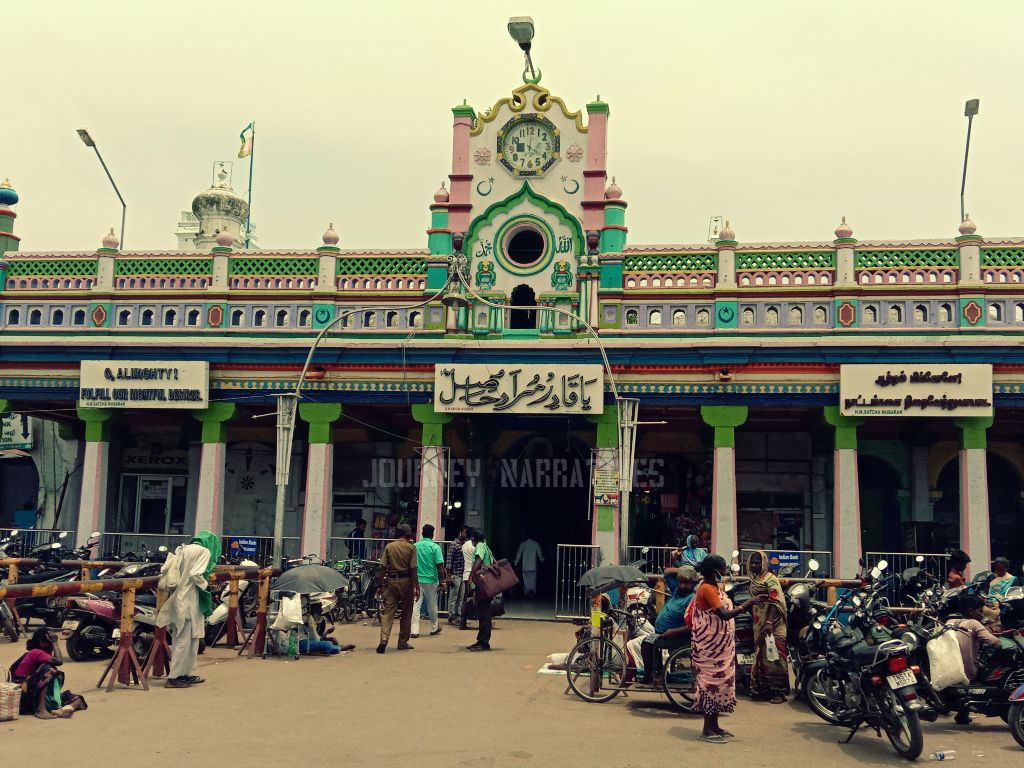
7 Meaningful Experiences at Nagore Dargah That Reveal Tamil Nadu’s Peaceful Spiritual Heritage
The revered Nagore Dargah in Nagore is one of South India’s most respected Islamic pilgrimage sites. Located along the Bay of Bengal coast, this centuries-old shrine welcomes people from different religions, backgrounds, and regions. Nagore Dargah is not just a religious monument. It is a place where faith feels calm, where rituals unfold without urgency, and where visitors often experience quiet reflection. Pilgrims come here seeking blessings, gratitude, and inner clarity, while travelers discover an important part of Tamil Nadu’s spiritual and cultural landscape. If you are exploring sacred holy cities in India, Nagore offers a deeply meaningful and peaceful experience that connects devotion with everyday life. 1. Witnessing the Majestic White Minarets That Define the Town’s Skyline One of the first things you notice is the tall white minarets rising above the surrounding streets. These structures have become the defining symbol of Nagore. The largest minaret, known locally as the Periya Minara, stands prominently and can be seen from a distance, guiding pilgrims toward the shrine. Walking closer, the details of the structure and its clean white appearance create a sense of reverence even before entering. 2. Experiencing the Calm and Respectful Atmosphere Inside the Shrine Unlike crowded urban religious centers, Nagore Dargah maintains a calm and unhurried environment. Visitors quietly enter the inner complex, offering prayers and paying respects at the saint’s resting place. Even if you are not religious, the atmosphere encourages stillness and reflection. This peaceful environment is one of the reasons Nagore is often included among sacred holy cities in India that preserve living spiritual traditions. 3. Observing Devotional Practices That Continue Across Generations Pilgrims follow rituals that have been practiced here for centuries. You may see visitors: These moments reflect personal faith rather than public display, making the experience feel genuine and grounded. 4. Understanding the Legacy of the Sufi Saint Shahul Hameed Nagore Dargah honors Hazrat Syed Shahul Hameed, a revered Sufi saint known for his compassion and wisdom. His teachings emphasized: This legacy continues to shape the identity of the town and its people. Learning about his life helps visitors understand why this place remains spiritually important today. 5. Walking Through the Historic Courtyards and Prayer Spaces The dargah complex includes open courtyards, prayer halls, and shaded areas where visitors can sit and rest. The architectural style reflects traditional Islamic design, combined with local influences. Spending time here allows you to observe how the space functions as both a religious center and a community gathering place. 6. Experiencing the Unique Harmony Between Town, Faith, and Daily Life One of Nagore’s most meaningful aspects is how naturally the shrine exists within the town. Around the dargah, you will find: Daily life continues alongside spiritual practice without separation. This balance makes Nagore feel authentic rather than commercialized. 7. Visiting the Peaceful Coastline Near the Dargah Nagore’s coastal location adds to its spiritual atmosphere. The nearby beach offers: Many visitors spend time here to absorb the calm surroundings. The connection between sea, sky, and shrine creates a complete experience. How Nagore Dargah Connects to India’s Sacred Travel Network Nagore plays an important role in understanding India’s religious diversity and shared spiritual traditions. If you are exploring the country’s wider pilgrimage landscape, this town is also featured in the pillar guide on sacred holy cities in India, which explains how destinations like Nagore contribute to the country’s spiritual identity. Visitor Information Location: Nagore, Tamil NaduNearest major town: NagapattinamBest time to visit: November to MarchDress code: Modest clothing recommendedTime required: 1 to 2 hours Nagore is also featured in this guide to sacred holy cities in India, which explores the country’s most important spiritual destinations.