

Anna Nagar Tower Park is one of the most refreshing green spaces in Chennai, offering a perfect escape from the city’s fast pace. Located in the well-planned Anna Nagar locality, this scenic park is loved for its iconic tower, peaceful walking paths, and relaxing atmosphere. Whether you’re looking for quiet time, fitness, or family fun, this park offers a truly pleasant experience. To explore more such peaceful spots and city highlights, our Chennai Travel Guide helps you experience the city beyond its busy streets. Here are six refreshing experiences that make this scenic park worth visiting. 1. Climb the Iconic Tower for a Stunning View The highlight of the park is its famous tower, built during the World Trade Fair in 1968. Standing tall above the surrounding greenery, the tower offers: Climbing the tower is both fun and memorable, especially if you enjoy viewpoints. 2. Enjoy Peaceful Morning and Evening Walks The park is a favourite among walkers and joggers. Its well-maintained paths and green surroundings make it ideal for: The calm environment instantly refreshes your mind. 3. Relax in the Lush Green Surroundings One of the most special aspects of the park is its greenery. Tall trees, lawns, and shaded areas create a peaceful setting. Visitors often come here to: It’s a perfect place to unwind without leaving the city. 4. A Lovely Place for Families and Children Anna Nagar Tower Park is very popular with families. Children especially enjoy: It’s an excellent place for family bonding and relaxation. 5. Experience One of Chennai’s Most Historic Parks The park has historical importance because of its connection to the World Trade Fair. The tower remains a symbol of Chennai’s past and development. Visiting the park gives you a chance to experience: This makes the visit more meaningful. 6. A Refreshing Break from City Life Despite being located in a busy area, the park feels calm and refreshing. You’ll love: It’s one of the best places in Chennai to relax and recharge. Best Time to Visit The ideal time to visit is: The weather is cooler, and the park feels more pleasant. For more beautiful destinations like this, explore our Tamil Nadu Travel Guide and discover the best places to visit across the state. Entry Fee and Timings Entry Fee: Free Timings:Usually open from morning till evening (Timings may vary slightly) How to Reach Location: Anna Nagar, Chennai By Metro:Anna Nagar Tower Metro Station is nearby. By Road:Easily accessible by car, auto, and bus. Why This Park Deserves a Place on Your Chennai Itinerary A visit to Anna Nagar Tower Park offers a perfect mix of relaxation, greenery, and simple joy. From climbing its iconic tower to enjoying peaceful walks, every moment here feels refreshing. Whether you live in Chennai or are visiting the city, this scenic park is a wonderful place to slow down and enjoy nature. Moments like these are just a small part of what travel in India offers—explore more through our India Travel Guide. For a wider journey through cities, cultures, and unique experiences, take a look at our Asia Travel Guide for broader inspiration.

Travel and Living on the Road: 20 Smart Ways to Earn, Save, and Explore the World
Travel and living on the road is no longer a distant dream reserved for digital nomads or adventure seekers. With the right mindset, practical planning, and a few smart strategies, it is entirely possible to explore the world while maintaining financial stability and personal growth. Many travelers today are choosing a lifestyle that blends work, exploration, and meaningful experiences. From freelancing and remote work to budget planning and slow travel, living on the road allows people to discover cultures, landscapes, and communities in ways that traditional vacations rarely offer. This guide explores practical ways to earn, save, and travel smarter while embracing the freedom of life on the road. The Perks of Traveling Before diving into strategies, it helps to understand why this lifestyle attracts so many people around the world. 1. Cultural Enrichment Travel exposes you to new traditions, cuisines, languages, and ways of life. Immersing yourself in different cultures builds a deeper appreciation for the diversity of the world. You can discover remarkable places and travel inspiration through our Destinations page. 2. Personal Growth Stepping outside your comfort zone helps build resilience, adaptability, and confidence. Navigating unfamiliar environments teaches valuable life skills. 3. Networking Opportunities Travel often connects you with people from different professions and backgrounds. These connections sometimes lead to collaborations, friendships, and even work opportunities. 4. Improved Mental Well-Being Exploring new environments and spending time in nature can refresh the mind and reduce stress. 5. Creative Inspiration New landscapes, cultures, and experiences often spark creativity in writers, photographers, entrepreneurs, and artists. If you enjoy exploring the natural world while traveling, you may also find inspiration on the Nature & Outdoors page. Earning While You Travel One of the biggest challenges of long-term travel is maintaining a steady income. Fortunately, many flexible options exist today. 6. Freelancing Skills such as writing, graphic design, web development, and digital marketing can be offered remotely through freelancing platforms. 7. Remote Work Many companies now offer fully remote jobs, allowing employees to work from anywhere with a stable internet connection. 8. Teaching English Teaching English online or abroad is a popular way to earn while living in different countries. 9. Travel Blogging or Vlogging Sharing travel experiences through blogs, videos, or social media can eventually generate income through advertising, partnerships, and affiliate programs. 10. Photography and Videography Travel photographers can sell images to stock platforms or collaborate with tourism boards and brands. 11. Seasonal Work Tourism hotspots often offer seasonal jobs in hospitality, guiding, or event management. You can find helpful platforms and tools for remote work and travel planning on our Travel Tools & Resources page. Smart Savings Strategies Saving money is just as important as earning it when maintaining a travel lifestyle. 12. Create a Travel Budget Setting a realistic budget helps you understand how much you can spend in different destinations. 13. Cut Unnecessary Expenses Reducing non-essential spending before and during travel helps extend your journey. 14. Set Up a Dedicated Travel Fund A separate savings account dedicated to travel expenses makes it easier to track and manage your finances. 15. Use Travel Rewards and Discounts Loyalty programs and travel deals can significantly reduce transportation and accommodation costs. 16. Travel During Off-Peak Seasons Visiting destinations outside peak tourist seasons often means lower prices and fewer crowds. 17. Stay in Budget Accommodations Hostels, guesthouses, and homestays offer affordable alternatives to hotels. 18. Cook Your Own Meals Preparing your own food occasionally helps reduce daily expenses. 19. Use Public Transportation Local buses, trains, and shared transport are often far cheaper than taxis or private transfers. For more ideas on planning cost-effective trips, explore the Travel Planning Tips page. Travel and Living on the Road Successfully Maintaining a sustainable travel lifestyle requires organization and adaptability. 20. Embrace Slow and Meaningful Travel Spending more time in fewer places allows deeper cultural experiences while reducing travel costs. Slow travel also helps you connect with local communities, traditions, and everyday life in a more meaningful way. You can learn more about this approach on our Slow & Sustainable Travel page. A Lifestyle of Freedom and Discovery Travel and living on the road is ultimately about creating a lifestyle that balances exploration, financial responsibility, and personal growth. While it requires thoughtful planning and discipline, the rewards are immense: new friendships, unforgettable landscapes, and a deeper understanding of the world. Whether you dream of remote work, long-term travel, or simply incorporating more exploration into your life, the journey begins with small steps and smart decisions. And if you are looking for destination inspiration, travel guides, and curated routes for your next adventure, explore our Travel Guides and Travel Itineraries pages to start planning your journey.

7 Unforgettable Travel Experiences in India That Stir the Soul, Spark Joy, and Stay With You Forever
Travel experiences in India go far beyond sightseeing. They are layered with emotion, memory, culture, and moments that quietly stay with you long after the journey ends. From standing before timeless monuments to crossing bridges that connect land and legacy, India offers experiences that stir the soul, spark joy, and leave an emotional imprint. This curated collection brings together seven unforgettable travel experiences in India, each rooted in a different landscape, rhythm, and feeling. These journeys are not about ticking destinations off a list—they are about moments that transform the way we see travel, culture, and ourselves. 1. Witnessing Timeless Love at the Taj Mahal Few travel experiences in India evoke emotion as powerfully as standing before the Taj Mahal. Beyond its architectural brilliance, the monument represents devotion, loss, and eternal love. The quiet stillness of early mornings, the changing hues of marble, and the collective silence of visitors create an atmosphere that feels almost sacred. This experience goes beyond history—it becomes a moment of reflection, reminding travelers why some places are felt more than seen. This timeless journey is explored in depth in our dedicated Taj Mahal travel experience article, linked here for readers seeking a deeper emotional perspective. 2. Feeling the Pulse of Mumbai, the City of Dreams Mumbai is not just a city—it is an emotion in motion. Among the most intense travel experiences in India, Mumbai captures ambition, chaos, resilience, and hope all at once. From local trains to colonial streets and sea-facing promenades, every corner tells a story of movement and aspiration. The city leaves travelers energized, overwhelmed, and inspired in equal measure. For a detailed exploration of Mumbai’s unforgettable travel energy, readers can dive into our article focused entirely on the city’s experiential side. 3. Finding Stillness During a Sunset Walk at Marina Lighthouse, Chennai Not all memorable travel moments are loud or fast-paced. Some arrive quietly—like a sunset walk near Chennai’s Marina Lighthouse. The sound of waves, fading sunlight, and silhouettes of fishermen create a deeply grounding experience. Among modern travel experiences in India, this moment represents slow travel and mindful presence. It’s a reminder that sometimes the most powerful journeys happen without movement. This calming coastal experience is expanded further in a separate post dedicated to Marina Lighthouse and its sunset magic. 4. Reconnecting With Nature in the Forests of Masinagudi Masinagudi offers a rare kind of travel experience—one where nature sets the pace. Surrounded by forests, wildlife trails, and quiet mornings, this journey reconnects travelers with simplicity and stillness. Safaris, forest stays, and the absence of digital noise make this one of the most refreshing travel experiences in India for those seeking balance and clarity. Readers interested in wildlife, forest stays, and immersive nature travel can explore the full Masinagudi experience through our in-depth article. 5. Crossing the Iconic Pamban Bridge Between Land and Legacy Few journeys are as symbolic as crossing the Pamban Bridge. Stretching over the sea and connecting mainland India to Rameswaram, the bridge offers breathtaking views and a sense of transition. This is one of those travel experiences in India where movement itself becomes the destination—whether by train or road. A detailed travel story on crossing the Pamban Bridge, including visual and emotional highlights, is linked here for readers who want the complete journey. 6. Celebrating Life on a Mandovi River Night Cruise As daylight fades in Goa, the Mandovi River transforms into a floating celebration. Music, lights, dancing, and laughter combine to create an experience filled with rhythm and joy. This travel moment stands out for its celebratory energy and nighttime charm, showing a different side of Indian travel experiences—one rooted in joy and shared moments. The full Mandovi River cruise experience, including its cultural and nightlife elements, is available in a separate article 7. Immersing in Culture and Community at Vizag Utsav Festivals bring destinations to life, and Vizag Utsav is a perfect example. With cultural performances, food stalls, crafts, and community participation, the festival captures the collective spirit of the region. Among cultural travel experiences in India, this one highlights how celebrations become windows into local identity and tradition. Readers can explore Vizag Utsav further in our detailed feature on festive travel experiences in India. How These Experiences Shape the Way We Travel in India These unforgettable moments reveal a deeper truth about travel experiences in India—they are not defined by luxury, speed, or checklists. They are shaped by atmosphere, human connection, history, and the emotions felt in between destinations. A sunrise near a monument, a slow walk along the coast, a bridge crossing over open waters, or a festival shared with strangers—these experiences linger because they engage all the senses. They encourage travelers to pause, observe, and absorb rather than rush ahead. Together, these journeys form a narrative that reflects India’s diversity not just in geography, but in feeling. As each supporting story expands in depth and detail, this pillar becomes a gateway to understanding how meaningful travel in India is experienced—not planned. If experiences like these inspire you, discover even more unique journeys around the globe in our Travel Experiences section.
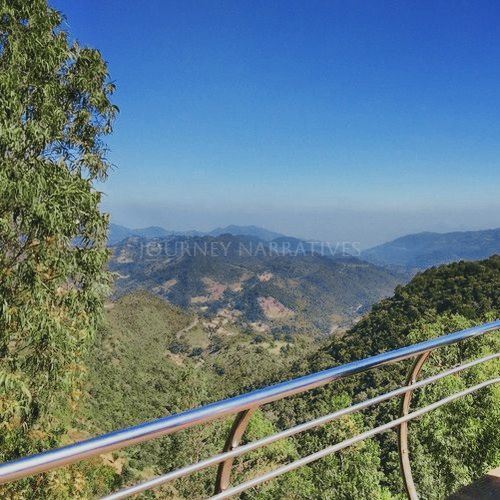
Araku Valley: 6 Refreshing Views That Still Feel Wild and Raw
Araku Valley, tucked into the Eastern Ghats of Andhra Pradesh, offers a distinct highland experience where lush greenery and steep valleys feel largely untouched by human development. Unlike more developed hill stations, the valley’s landscapes retain a sense of wildness, where every viewpoint carries a feeling of discovery. Here, altitude cools the air, rivers carve their paths through verdant slopes, and forests seem to extend endlessly — all combining to create views that are both refreshing and raw. The Araku Valley exemplifies high-altitude landscapes where nature’s scale and form shape emotional response — a recurring theme across the mountain and hill formations explored in our broader journey. 1. Katiki Waterfalls: Nature’s Layered Descent Katiki Waterfalls provides a striking introduction to the valley’s untamed side. From viewing points along the trail, water plunges through layered rocks into hidden pools below, surrounded by dense vegetation. The journey toward the falls itself adds perspective, as glimpses of the flowing river between trees hint at the scale and continuity of the landscape. 2. Coffee Plantation Overlooks: Cultivated Calm Amidst Wilderness Araku is known for its coffee plantations, yet the highland slopes offer more than agricultural interest. From elevated pathways within these plantations, sweeping views of terraced greenery blend seamlessly into wild forest patches. The contrast between cultivated rows and surrounding wilderness creates a layered perspective, allowing travelers to appreciate both human care and natural abundance. 3. Borra Caves Viewpoint: Limestone Heights and Forested Valleys From the Borra Caves area, the valley’s limestone cliffs drop into densely wooded valleys, revealing hidden layers of forest and distant ridges. These elevations provide a rare vantage point where natural formations dominate the view, and human presence feels minimal. The rugged terrain reinforces the valley’s raw character, offering moments of awe without overcrowding. 4. Padmapuram Gardens Terraces: Framing the Hills Naturally While Padmapuram Gardens is a managed space, the terraces overlooking the surrounding hills provide clear lines of sight across the valley. Green ridges, scattered forest patches, and meandering pathways create a sense of depth, and careful placement of viewpoints ensures that the surrounding wilderness remains the star of the scene rather than built structures. 5. Chaparai Waterfalls Trails: Moving Through Layers of Green The trails leading to Chaparai Waterfalls offer a journey as visually engaging as the destination. Forested slopes, interspersed with cascading streams, open up occasionally to reveal sweeping valley vistas. Each turn along the trail provides a slightly different perspective, emphasizing the valley’s layered terrain and the sense that this landscape is continuously unfolding. 6. Tribal Hamlet Overlooks: Hills That Retain Their Character High points near tribal settlements allow visitors to see the valley in its entirety, from cultivated pockets to dense forest stretches. Unlike highly commercialized viewpoints, these overlooks feel informal, blending into the terrain. Observing the valley from here underscores the raw and enduring character of Araku, where hills, rivers, and forests interact naturally and without pretense. What the Araku Valley Leaves Behind Araku Valley leaves behind more than just memories of scenic views; it imparts a lasting sense of freshness and an unfiltered connection to nature. The valley’s appeal doesn’t come solely from dramatic peaks or towering cliffs; instead, it emerges from the interplay of layered forests, gently flowing rivers, and cultivated slopes that blend seamlessly with untamed wilderness. Each viewpoint offers a sense of depth and openness, inviting visitors to pause and absorb the scale and rhythm of the landscape. Even after leaving, the valley lingers in the mind, evoking a feeling of vitality and calm. It serves as a reminder that high-altitude landscapes can feel both wild and restorative, and that their beauty often thrives most where human impact remains minimal.
7 Smart Booking Accommodation in India Choices That Saves Money and Prevent Regret
Booking accommodation in India is one of the most impactful travel decisions you’ll make, yet it’s often rushed or treated as a simple price comparison. A stay that looks affordable on paper can quietly increase daily expenses, add travel stress, or reduce comfort—while a slightly smarter choice can improve the entire trip experience. India offers an enormous range of accommodation options, from homestays and guesthouses to hotels and serviced apartments. The key is not choosing the cheapest place, but choosing the right one. The following seven smart booking choices help travelers save money, avoid common regrets, and enjoy smoother journeys across Indian destinations. 1. Choose location based on daily travel, not just room price One of the biggest booking mistakes travelers make in India is focusing only on the nightly rate. A cheaper room located far from transport hubs, attractions, or dining options often increases daily spending on taxis, auto-rickshaws, or ride-hailing services. A well-located accommodation close to public transport, walkable areas, or central neighborhoods may cost slightly more per night but usually saves money overall. It also reduces travel fatigue, wasted time, and frustration—especially in busy cities or unfamiliar towns. Smart choice: Calculate the total daily cost, not just the room price. 2. Prioritize verified guest reviews over discounted photos Photos can be misleading, especially when they are professionally edited or outdated. Reviews, on the other hand, reveal real traveler experiences. In India, reviews that mention cleanliness, safety, staff behavior, noise levels, and water availability are especially important. Ignoring reviews often leads to regrets such as uncomfortable rooms, poor hygiene, or unsafe surroundings. Even budget stays can be excellent when reviews consistently highlight reliability and basic comfort. Smart choice: Trust patterns in reviews, not one-time complaints or flashy images. 3. Match the accommodation type to your travel style India’s accommodation ecosystem is diverse, and not every type suits every traveler. Homestays work well for longer stays or cultural experiences, budget hotels suit short city trips, and serviced apartments are ideal for families or work-friendly travel. Regret usually comes from choosing the wrong type—such as booking a social hostel when you need rest, or a luxury hotel when you plan to spend most of the day exploring outdoors. Smart choice: Choose the stay that supports how you’ll actually travel, not how it looks online. 4. Check cancellation, check-in, and check-out policies carefully Travel plans in India can change due to weather, transport delays, or sudden schedule shifts. Strict cancellation policies or rigid check-in times often cause financial losses or unnecessary stress. Late-night arrivals, early departures, and same-day changes are common, especially when traveling long distances. Flexible policies provide peace of mind and protect your budget when plans don’t go exactly as expected. Smart choice: Flexibility often saves more money than discounts. 5. Book early only when demand is genuinely high Early booking is useful during peak travel seasons, festivals, school holidays, and popular destination months. During these periods, availability drops quickly and prices rise closer to travel dates. However, for off-season travel or flexible itineraries, booking too early can actually lead to missed deals. Many accommodations offer better rates closer to the stay date when demand is lower. Smart choice: Align booking timing with travel season, not habit. 6. Factor hidden costs before finalizing the booking Some stays appear affordable but add extra charges later—taxes, service fees, additional guest costs, early check-in charges, or mandatory add-ons. These hidden costs often push the final price well beyond the original budget. Reading the pricing breakdown carefully helps avoid last-minute surprises and prevents regret after check-in. Transparency is a strong indicator of a reliable accommodation provider. Smart choice: Final price clarity matters more than headline discounts. 7. Balance safety, accessibility, and comfort Safety is not optional, especially for solo travelers, families, or late-night arrivals. Cheap accommodation in poorly connected or unsafe areas can compromise both comfort and peace of mind. A safe neighborhood with basic amenities, reliable transport access, and reasonable surroundings usually offers better overall value—even if the nightly rate is slightly higher. Smart choice: A secure, accessible stay is always a cost-saving decision in the long run. How smart accommodation booking fits into better travel planning Accommodation decisions don’t exist in isolation. Where you stay affects how you move, how much you spend daily, how safely you handle payments, and how smoothly your itinerary flows. When accommodation is chosen thoughtfully, the entire travel experience becomes easier and more enjoyable. These stay-related choices are part of a broader approach to traveling in India that focuses on staying safe, managing expenses wisely, and avoiding common travel mistakes—an approach covered in our complete India travel advice guide designed to help travelers make smarter decisions at every stage of the journey. Booking Accommodation in India – Final Takeaway Booking accommodation in India isn’t about luxury or cutting corners—it’s about making informed choices that protect your time, money, and comfort. By focusing on location, reviews, flexibility, and realistic costs, travelers can avoid regret and enjoy a smoother, more rewarding trip. These accommodation choices are part of the smart travel decisions that help travelers stay safe, save money, and avoid costly mistakes while exploring India.

Chennai to Pondicherry Getaway: 4 Effortless Planning Choices for a Perfect Escape
The Chennai to Pondicherry getaway is short, scenic, and deceptively simple—yet small planning choices can significantly shape how relaxed or rushed the experience feels. While the distance is manageable, timing, route selection, and pacing determine whether the journey feels smooth or stressful. With thoughtful preparation, this coastal drive becomes an easy transition from city energy to Pondicherry’s calm streets and seaside charm. Below are four effortless planning choices that help create a well-balanced and enjoyable getaway. 1. Choose the Coastal Route for Flow, Not Speed The East Coast Road naturally complements the Chennai to Pondicherry getaway. Its open stretches, sea views, and steady pace encourage relaxed driving rather than hurried movement. While alternative routes may appear faster on maps, the coastal road’s consistency often results in a more pleasant experience overall. Planning takeaway:A smoother route often feels shorter than a technically faster one. 2. Time the Drive to Match the Coast’s Rhythm Early morning departures help avoid Chennai’s congestion and allow the coastal stretch to be enjoyed before traffic builds. This timing also supports a calmer arrival into Pondicherry. Driving during daylight enhances visibility and keeps the journey light and enjoyable rather than tiring. Planning takeaway:Good timing preserves energy for the destination itself. 3. Limit Stops to Keep the Journey Uninterrupted One of the strengths of the Chennai to Pondicherry getaway is its simplicity. Limiting stops allows the drive to remain continuous and stress-free. Short pauses near viewpoints or cafés work well, but frequent diversions often break the natural flow of the journey. Planning takeaway:Fewer, intentional stops maintain momentum and comfort. 4. Plan Arrival Before Evening Activity Peaks Reaching Pondicherry before evening hours makes navigation easier and sets the tone for a relaxed first day. Late arrivals often coincide with increased local traffic and limited parking availability. An early arrival allows time to settle in, explore on foot, or enjoy the seaside without pressure. Planning takeaway:Arrival timing influences the entire getaway experience. Why the Chennai to Pondicherry Getaway Works as a Balanced Itinerary The Chennai to Pondicherry getaway succeeds because distance, road quality, and pacing align naturally. When planned with restraint and intention, the journey supports rest and exploration rather than competing with them. This balance of simplicity and experience reflects the principles behind well-planned travel itineraries—where thoughtful choices create smoother journeys and more rewarding destinations. For more examples of journeys designed around pacing, distance, and experience, explore our pillar guide: 4 Proven Well-Planned India Travel Itineraries That Balance Time, Distance, and Meaningful Experiences

10 Essential Travel Insurance in India Options for Safer, Worry-Free Travel
Travel insurance in India plays a crucial role in protecting travelers from unexpected disruptions while exploring the country. Traveling across India can be incredibly rewarding, but medical emergencies, trip delays, lost baggage, or sudden cancellations can quickly turn a smooth journey into a stressful experience. Rather than being a luxury, travel insurance acts as a smart safety decision that helps travelers manage risks with confidence. For travelers focused on staying safe and avoiding unnecessary financial strain, understanding how travel insurance works is just as important as choosing the right transport or accommodation. What Travel Insurance in India Actually Covers Many travelers assume travel insurance is only useful for international trips, but domestic travel in India comes with its own set of risks. A well-chosen policy can cover: These protections are especially valuable when traveling long distances, visiting remote destinations, or planning multi-city itineraries. When Travel Insurance Saves You Money (and Stress) Travel insurance proves most useful in situations that travelers often underestimate, such as sudden illness before a trip, missed connections due to delays, or medical treatment in unfamiliar cities. In these moments, having coverage prevents last-minute expenses from derailing both your budget and peace of mind. Instead of reacting to problems as they arise, insurance allows travelers to handle disruptions calmly and continue their journey with minimal impact. When Travel Insurance May Not Be Necessary Not every short or low-risk trip requires extensive coverage. If you’re traveling locally for a brief period with flexible plans, basic coverage may be sufficient. The key is matching the policy to your travel style rather than buying unnecessary add-ons. Smart travel planning isn’t about spending more—it’s about spending where it truly protects you. Choosing the Right Travel Insurance for India When selecting a policy, travelers should focus on clarity rather than complexity. Look for coverage that aligns with your itinerary, travel duration, and activities planned. Avoid policies with unclear exclusions or complicated claim processes, as these often create more frustration than protection. A simple, transparent policy is often more effective than an expensive, overpacked one. Popular Travel Insurance Providers in India Travelers Commonly Choose Choosing the right travel insurance is one of the smart travel decisions that helps travelers stay safe, manage expenses, and avoid costly mistakes while exploring India. Travel insurance suitability varies based on travel duration, destination, health conditions, and coverage requirements. Travelers should always review policy documents, exclusions, and claim processes before choosing a plan. Travel Insurance as Part of Smart Travel Planning Travel insurance works best when combined with other thoughtful travel decisions—like choosing reliable transport, managing payments safely, and staying alert to common travel risks. These choices together create a safer and more comfortable travel experience. Many of these practical decisions are part of a broader approach to traveling in India that helps reduce stress, control costs, and avoid common mistakes, all of which are covered in our complete India travel advice guide on staying safe, saving money, and traveling smarter.
7 Smart Cash, Cards & UPI in India Choices That Keep Travelers Safe and Stress-Free
Cash, Cards & UPI in India form a unique payment ecosystem that can either make travel smooth and convenient—or stressful and risky—depending on how travelers use them. India’s rapid digital payment adoption offers flexibility, but relying on the wrong payment method at the wrong time often leads to inconvenience, overspending, or safety concerns. Understanding how to balance cash, cards, and UPI helps travelers stay in control of expenses, reduce risk, and avoid common money-related travel mistakes. The following seven smart payment choices are designed to keep travelers safe, confident, and stress-free while moving across India. 1. Carry limited cash for daily use, not your entire budget Cash is still essential in many parts of India, especially for local transport, small eateries, markets, and rural areas. However, carrying large amounts of cash increases the risk of loss or theft. Smart travelers carry only what they need for daily expenses and keep the rest spread across digital options. This approach limits damage in case of loss while still ensuring smooth transactions where digital payments are unavailable. Smart choice: Treat cash as a daily tool, not a storage method. 2. Use UPI for small, frequent payments where accepted UPI has transformed payments across India and is widely accepted in cities, towns, and even smaller shops. It is particularly useful for quick, low-value transactions such as food, transport, and entry tickets. However, travelers should ensure they use secure devices, trusted apps, and avoid making payments over public or unsecured Wi-Fi networks. Smart choice: UPI is ideal for convenience—but only with basic digital safety awareness. 3. Reserve cards for hotels, transport bookings, and larger expenses Debit and credit cards work best for higher-value transactions like hotel bookings, flights, long-distance transport, and verified online platforms. Using cards for major expenses also provides transaction records and, in some cases, additional protection. Avoid swiping cards at unfamiliar or unreliable places, especially where payment machines appear outdated or poorly maintained. Smart choice: Cards are best for planned, verified spending—not casual use everywhere. 4. Avoid depending on a single payment method Relying entirely on cash, only cards, or only UPI can create problems if one method fails. Network issues, power cuts, machine malfunctions, or bank restrictions can disrupt payments unexpectedly. A balanced mix ensures that travelers are never stuck without a way to pay, even during emergencies or travel disruptions. Smart choice: Payment flexibility equals travel resilience. 5. Keep payment apps, cards, and cash physically separate One common mistake is storing all payment options in a single wallet or bag. Losing it can immediately leave travelers stranded without access to money. Keeping cards, cash, and digital access separate reduces risk and provides backup options if something goes wrong. Smart choice: Separation is a simple but powerful safety habit. 6. Monitor transactions regularly during the trip Travel involves frequent payments, making it easier to miss incorrect charges or unauthorized transactions. Regularly checking bank notifications and transaction histories helps travelers catch issues early. Quick action often prevents larger losses and reduces stress later. Smart choice: Awareness protects both money and peace of mind. 7. Match payment choice to location and situation In India, payment reliability varies by place. Urban areas favor digital payments, while smaller towns and remote destinations may still depend heavily on cash. Adapting payment behavior based on location avoids delays, awkward situations, and unnecessary risks. Smart choice: Let the destination guide your payment method. How smart payment choices fit into safer travel planning Payment decisions influence far more than just spending—they affect safety, daily convenience, and stress levels. When travelers manage cash, cards, and UPI thoughtfully, they reduce exposure to risk and improve overall travel comfort. These money-handling choices are part of a broader approach to traveling in India that focuses on staying safe, saving money, and avoiding costly mistakes—an approach detailed in our complete India travel advice guide that helps travelers make smarter decisions at every stage of the journey. Cash, cards, & UPI in India – Final takeaway Cash, cards, and UPI each play an important role in India’s travel experience. The key is not choosing one over the others, but using each method at the right time and place. By balancing convenience with caution, travelers can move confidently across India without unnecessary stress or financial risk.

Travel Scams in India: 10 Things Every Traveler Should Watch Out For
Travel scams in India are something every traveler should be aware of, especially when exploring a country as diverse and fast-moving as this. India offers an incredible mix of cultural experiences, historic landmarks, and scenic landscapes, but its popularity also attracts opportunistic scammers targeting unsuspecting visitors. Understanding how these scams work helps you stay alert, protect your money, and travel with greater confidence. This guide walks you through the 10 most common travel scams in India so you can enjoy your journey with fewer surprises and less stress. 1. Fake Ticket Sellers at Tourist Attractions Scammers often set up near popular tourist attractions, such as the Taj Mahal or the Red Fort, offering to sell tickets at inflated prices or providing fake tickets. They may approach you with convincing stories about avoiding queues or special deals. 2. Taxi and Auto-Rickshaw Overcharging Taxi and auto-rickshaw drivers might quote exorbitant prices, refuse to use the meter, or take longer routes to increase the fare. Some drivers might also claim the meter is broken. 3. Gemstone Scams Scammers lure tourists into shops with offers of free drinks or a tour. They convince you to buy overpriced or fake gemstones, often claiming they can be resold for a profit back home. Some may also tell you that they need to export these gems and offer you a cut for acting as a carrier. 4. Fake Tour Guides Impostors pose as official tour guides and offer their services for a fee. They might provide incorrect information or rush you through the site. Some even lead you to commission-based shops. 5. Fake Charity Scams Scammers pose as charity workers and ask for donations to support orphanages, schools, or religious institutions. They often target tourists with emotional stories and may provide fake receipts. 6. Hotel Switch Scam Taxi or rickshaw drivers claim your booked hotel is closed, full, or of poor quality, and suggest another hotel where they receive a commission. The suggested hotel is usually more expensive or of lower quality. 7. Fake Train Tickets and Reservations Scammers at train stations claim they can help you with reservations and sell you fake tickets or overcharge for legitimate ones. They may approach you at the entrance or near the ticket counter. 8. Internet and Wi-Fi Scams Scammers offer free Wi-Fi in public places but use these networks to steal personal information, including passwords and credit card details. These unsecured networks can be a significant security risk. 9. ATM and Credit Card Skimming Scammers install skimming devices on ATMs to steal card information or watch for PIN numbers. They may also use hidden cameras to capture your card details. 10. Overpriced Goods and Fake Products Tourists are often charged exorbitant prices for goods, especially in popular markets. Vendors may also sell fake products as genuine, such as leather goods, electronics, and souvenirs. These scams are just one part of a larger travel reality, which is why understanding travel advice for India—from safety awareness and budget planning to insurance and smart preparation—is essential for stress-free journeys. Travel Scams In India – Smart Awareness Is Your Strongest Travel Protection Traveling in India can be an enriching and unforgettable experience, but being aware of potential scams is crucial for ensuring a smooth and enjoyable trip. By staying vigilant, doing your research, and taking preventive measures, you can avoid falling victim to these common scams and fully appreciate the beauty and diversity that India has to offer. While understanding scams is essential, safer and smoother travel also depends on broader preparation, as explained in 7 Smart Travel Advice Tips for India: Powerful Ways to Travel Safely, Save Money, and Avoid Costly Mistakes.

INS Kursura Submarine Museum Vizag: 8 Fascinating Reasons This Naval Icon Inspires Every Visitor
INS Kursura Submarine Museum Vizag is not just a museum—it is a preserved chapter of India’s naval history. Anchored along the scenic RK Beach, this decommissioned submarine offers visitors a rare opportunity to step inside a real underwater war machine. For travelers exploring Visakhapatnam beyond beaches and viewpoints, INS Kursura Submarine Museum Vizag adds depth, context, and meaning to a well-rounded Vizag travel itinerary. The Story Behind INS Kursura Submarine Museum Vizag INS Kursura served the Indian Navy for over two decades before being decommissioned in 2001. Instead of dismantling it, the submarine was converted into a museum to preserve its legacy and showcase the realities of life beneath the sea. Today, this Museum stands as one of the few submarine museums in Asia and is often featured in curated Andhra Pradesh travel guides for its educational and historical value. Why INS Kursura Submarine Museum Vizag Is Truly Unique What makes this museum exceptional is its authenticity. Visitors walk through the narrow corridors exactly as naval officers once did, gaining a firsthand understanding of submarine life. What to expect inside: For those seeking unique places to visit in Vizag, this experience feels immersive rather than observational. INS Kursura Submarine Museum Vizag and India’s Maritime Legacy The submarine represents India’s growing naval strength during the late 20th century. This Museum helps visitors appreciate the discipline, engineering, and resilience required for underwater defense missions. Best Time to Visit The museum is open year-round, but timing can shape the experience. Many travelers pair the museum visit with nearby attractions as part of a structured Vizag sightseeing plan. How INS Kursura Fits Into a Vizag Itinerary Thanks to its location along RK Beach, INS Kursura Submarine Museum Vizag is easy to combine with other coastal highlights: This flow fits naturally into a broader Vizag travel guide, allowing visitors to experience history and scenery in one stretch. Practical Tips for Visiting INS Kursura Submarine Museum Vizag These small considerations help ensure a smooth and comfortable experience. Why INS Kursura Submarine Museum Vizag Deserves a Place on Your Travel List INS Kursura Submarine Museum Vizag is not about spectacle or scale—it is about perspective. Walking through the narrow corridors of a real submarine offers a rare insight into the discipline, resilience, and precision that define naval life beneath the sea. The experience feels personal, allowing visitors to understand the physical and mental demands placed on those who served aboard it. What makes the museum particularly meaningful is its authenticity. Nothing here feels recreated or staged; the controls, sleeping quarters, and operational spaces remain exactly as they were, giving context to the quiet sacrifices made far from public view. It’s an experience that encourages reflection rather than quick observation. For travelers exploring Vizag beyond beaches and viewpoints, INS Kursura Submarine Museum Vizag adds depth to the journey. It balances the city’s natural beauty with history and purpose, leaving visitors with a stronger connection to both the place and the stories it preserves. For a wider range of journeys, explore destinations across India.