

The Madras Crocodile Bank Trust is one of the most thrilling wildlife attractions near Chennai, offering a rare chance to see powerful reptiles up close while learning about conservation. Located along the scenic East Coast Road, this fascinating reptile park is far more than just a tourist spot—it’s a living sanctuary dedicated to protecting some of the world’s most ancient and misunderstood creatures. If you’re planning to explore more unique spots like this around the city, our Chennai Travel Guide will help you discover them with ease. If you love nature, wildlife, or unique experiences, here are seven compelling reasons why this reptile park deserves a place on your Tamil Nadu itinerary. 1. Home to One of the Largest Crocodile Collections in India The Crocodile Bank houses over 2,000 reptiles, making it one of the largest crocodile conservation centers in Asia. You’ll encounter: Seeing these magnificent reptiles resting silently or gliding through the water is both thrilling and humbling. 2. A Pioneer in Wildlife Conservation Founded in 1976 by renowned herpetologist Romulus Whitaker, the park plays a vital role in breeding and conserving endangered reptile species. Its conservation efforts have helped revive species like: Your visit directly supports these important conservation programs, making it meaningful as well as exciting. 3. Exciting Night Safari Experience One of the most unforgettable experiences here is the night safari (available on select days). During the safari, you can: It’s a rare and spine-tingling adventure you won’t easily forget. 4. Fascinating Snake and Reptile Exhibits The park isn’t just about crocodiles. It also features: These exhibits help visitors understand reptiles better and break common myths and fears. 5. Peaceful Natural Environment Surrounded by greenery and located away from the busy city, the Crocodile Bank offers a calm and refreshing atmosphere. You’ll love: It’s a relaxing experience, especially for nature lovers. 6. Educational and Family-Friendly Destination This is one of the best places for: Informative displays and knowledgeable staff make learning engaging and enjoyable. Children especially find the experience both fun and educational. 7. Perfect Stop on the East Coast Road Journey The Crocodile Bank is located on the scenic East Coast Road (ECR), making it an ideal stop while traveling to: You can easily combine it with a beach trip for a complete day outing. To experience more nature, wildlife, and cultural destinations across the state, explore our Tamil Nadu Travel Guide. Best Time to Visit The ideal time to visit is: Avoid peak afternoon heat, especially in summer. Entry Fee and Timings (Approximate) Timings:9:30 AM – 5:30 PM (Closed on Mondays) Entry Fee:₹100 (Adults)₹50 (Children) Night safari charges are separate. How to Reach Location: East Coast Road, about 40 km from Chennai By Road:Easily accessible by car, taxi, or bus from Chennai. Why This Unique Sanctuary Leaves a Lasting Impression A visit to the Madras Crocodile Bank Trust is far more than just seeing reptiles—it’s about connecting with a world that has existed for millions of years. Watching these ancient creatures in a peaceful, protected environment changes the way you see wildlife and conservation. The experience brings a mix of excitement, curiosity, and respect, making it one of the most meaningful and unforgettable places to visit near Chennai. Whether you stop by during an East Coast Road trip or plan a dedicated visit, this reptile sanctuary offers memories that stay with you long after you leave. Wildlife experiences like this are just a glimpse of what India offers—discover more through our India Travel Guide. For a broader journey through wildlife parks and conservation spaces across regions, browse our Asia Travel Guide for inspiration.
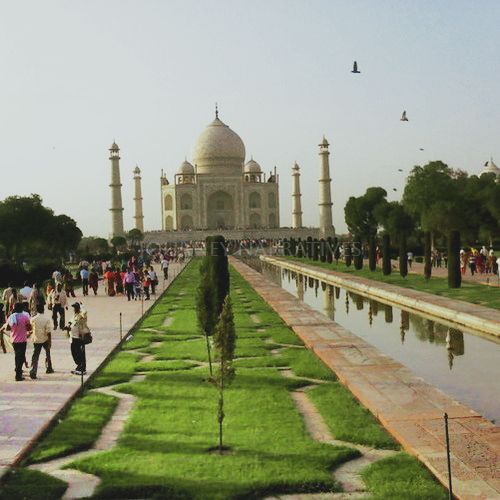
Taj Mahal at Sunrise: 2 Golden Hours of Monumental Travel Experiences in India That Leave a Lasting Impression
Among all iconic landmarks, the Taj Mahal stands as a place where history, architecture, and feeling come together to create a lasting impression. It is not merely visited; it is experienced. Monumental travel experiences in India often leave travelers with more than photographs—they leave emotions that quietly linger. At sunrise, when the monument awakens under soft light and calm surroundings, the Taj Mahal reveals why it continues to be one of India’s most emotionally powerful travel experiences. The Taj Mahal as a Monumental Travel Experience in India Among the many monumental travel experiences in India, the Taj Mahal occupies a unique position. Its symmetry, white marble brilliance, and carefully planned gardens reflect a sense of balance that immediately slows the pace of travel. Visitors are not rushed through the space; instead, they are drawn into moments of quiet observation. This monument does not rely on explanation alone. Its presence communicates emotion—love, loss, and devotion—without the need for words. Sunrise at the Taj Mahal: A Moment That Transforms the Experience Sunrise offers one of the most meaningful ways to experience the Taj Mahal. As daylight gradually reveals the structure, the monument shifts in tone and mood. The soft glow of early light enhances the marble’s details and creates an atmosphere of stillness that feels almost timeless. This moment elevates the Taj Mahal beyond a famous landmark, placing it firmly among the most unforgettable monumental travel experiences in India, where atmosphere matters more than activity. Beyond Architecture: Silence, Space, and Emotion What truly defines the Taj Mahal experience is not only its architecture but the emotional response it evokes. The silence within the complex, the slow movement of visitors, and the reflective pools encourage pause and introspection. Unlike fast-paced sightseeing, this journey invites travelers to absorb rather than consume. It becomes an experience rooted in presence—an essential element of meaningful travel. Why the Taj Mahal Leaves a Lasting Impression Many monuments impress through scale or craftsmanship. The Taj Mahal leaves a lasting impression because it connects emotionally. Its story resonates across cultures, making it universally relatable and deeply human. This emotional depth is what places the Taj Mahal among the most powerful monumental travel experiences in India, remembered long after the journey ends. The Taj Mahal Within India’s Larger Travel Experience Landscape The Taj Mahal represents one facet of India’s experiential travel story—where moments, emotions, and atmosphere shape the journey as much as destinations do. This iconic experience is also featured in our blog, “7 Unforgettable Travel Experiences in India That Stir the Soul, Spark Joy, and Stay With You Forever,” which brings together other journeys that reflect India’s emotional and cultural depth. A Monument That Redefines the Meaning of Travel The Taj Mahal quietly challenges the idea that travel must always involve constant movement, packed itineraries, or endless exploration. Instead, it shows that some journeys are defined by stillness. Standing before a monument shaped by centuries of history, craftsmanship, and human emotion can be just as transformative as crossing cities or landscapes. Within its marble walls and symmetrical gardens, time seems to slow down. The experience encourages travelers to pause, observe, and reflect—creating space for thoughts that rarely surface during fast-paced travel. This pause becomes the memory itself, imprinting the moment more deeply than any photograph or checklist ever could. As one of the most defining monumental travel experiences in India, the Taj Mahal continues to inspire reflection and emotional connection. It reminds travelers why certain journeys remain vivid long after they end—not because of how far one traveled, but because of how deeply the experience was felt.

Travel In India: 100+ Best Places, Tips & Travel Hacks for Exploring India Like a Pro
Travel in India is unlike traveling anywhere else in the world. From the towering Himalayas in the north to tropical coastlines in the south, from ancient temples to vibrant street markets, the country offers an extraordinary variety of landscapes, cultures, and experiences. For many travelers, travel in India can feel both exciting and overwhelming. With so many destinations, languages, traditions, and transport options, planning a trip requires more than simply choosing a few famous landmarks. It involves understanding the rhythm of the country, exploring beyond popular routes, and allowing each place to reveal its own story. This guide is designed as a starting point for exploring India, highlighting over 100 remarkable places across the country along with practical tips and travel insights to help you navigate India like a seasoned traveler. For a broader overview of destinations, travel insights, and regional highlights, you can also explore our India Travel Guide, where we bring together useful resources for planning journeys across the country. Why Travel in India is a Journey Like No Other India is one of the few countries where geography, culture, spirituality, and daily life intertwine so deeply. Every region feels like a different world. You may find yourself: These contrasts are what make travel in the country endlessly fascinating. For deeper insights into cultural traditions and historic landmarks, explore our Cultural & Heritage page featuring stories and destinations shaped by history and tradition. Travel in India: Exploring the Country’s Diverse Regions One of the most rewarding aspects of travel in India is discovering how dramatically landscapes and cultures change from region to region. Northern India – Mountains, Forts and Spiritual Cities Northern India is home to some of the country’s most iconic landscapes and historical sites. Notable destinations include: This region offers: For more detailed travel planning advice, visit our Travel Guides page where you can find practical insights for exploring destinations around the world. Western India – Deserts, Beaches and Heritage Cities Western India blends royal history, vibrant culture, and dramatic landscapes. Places worth exploring include: This region is known for: If you enjoy immersive journeys that focus on meaningful travel moments, our Travel Experiences page shares stories and destinations that highlight the joy of exploring new cultures. Southern India – Temples, Backwaters and Tropical Landscapes Southern India offers lush greenery, serene beaches, and centuries-old temple traditions. Top destinations include: This region is famous for: For travelers interested in nature escapes and outdoor adventures, visit our Nature & Outdoors page to discover destinations shaped by mountains, forests, and coastlines. Eastern India – Culture, History and Untouched Landscapes Eastern India remains one of the most culturally rich yet underrated regions of the country. Key destinations include: This region offers: If you enjoy discovering everyday traditions and local cuisines while traveling, explore our Food & Local Life page for stories that celebrate the flavors and lifestyles of different destinations. Central India – Wildlife and Hidden Historical Treasures Central India is often overlooked but offers incredible wildlife and historic wonders. Important places include: This region is perfect for: For travelers who prefer slower journeys and responsible tourism, our Slow & Sustainable Travel page shares ideas on exploring destinations more thoughtfully. Travel Hacks for Exploring India Like a Pro Experienced travelers know that a few practical tips can completely transform travel in India. Plan Travel Distances Carefully India is vast. What appears close on a map may take several hours to reach. Use Trains for Long Distances The railway network connects most major cities and offers one of the most authentic ways to experience the country. Start Early Many attractions become crowded later in the day. Early mornings offer a calmer experience. Try Regional Cuisine Food varies dramatically across states, making culinary exploration a highlight of travel. Stay Flexible Unexpected delays are common. A relaxed schedule makes the journey far more enjoyable. For more practical strategies that can make your trips smoother and more efficient, explore our Travel Planning Tips page where we share useful insights for planning memorable journeys. You can also visit our Travel Tools & Resources page to discover helpful platforms for booking flights, accommodation, and organizing your travel plans. Sample Travel Itineraries for First-Time Visitors If you are visiting India for the first time, these sample routes offer a good starting point. Classic North India Route Delhi → Agra → Jaipur → Varanasi Himalayan Escape Delhi → Rishikesh → Manali → Leh South India Cultural Trail Chennai → Mahabalipuram → Madurai → Kerala Backwaters Wildlife & Heritage Route Delhi → Khajuraho → Bandhavgarh → Varanasi For more structured travel plans, explore our Travel Itineraries page where we share curated routes designed to help travelers explore destinations more efficiently. Your Journey Through India Begins Here Traveling through India is less about rushing between landmarks and more about embracing the country’s diversity, unpredictability, and cultural depth. Every region offers something unique, whether it is a spiritual experience, a culinary discovery, a historical wonder, or a breathtaking natural landscape. For travelers willing to explore with curiosity and patience, travel in India becomes an unforgettable journey filled with remarkable places, meaningful encounters, and stories that stay with you long after the trip ends. If you are looking for broader destination ideas around the world, you can also explore our Destinations page where we share inspiring places across multiple countries.
9 Inspiring Wellness and Spiritual Travel in India for a Transformative Journey
Wellness and spiritual travel in India has attracted seekers, travelers, and wellness enthusiasts for centuries. From ancient yoga traditions and meditation practices to holistic Ayurveda therapies, India offers experiences that nourish both the body and the mind. Across mountains, forests, coastal towns, and sacred cities, travelers can discover spaces designed for reflection, healing, and self-discovery. Unlike fast-paced sightseeing trips, wellness journeys invite you to slow down, reconnect with yourself, and experience destinations more meaningfully. If you’re curious about traveling more mindfully, you may also enjoy exploring our Slow & Sustainable Travel page, where we highlight journeys focused on deeper cultural connection and responsible exploration. Let’s explore some of the most inspiring wellness and spiritual travel experiences India has to offer. 1. Yoga Retreats in Rishikesh Often called the Yoga Capital of the World, Rishikesh sits peacefully along the banks of the Ganges River at the foothills of the Himalayas. Travelers visit Rishikesh to: Yoga retreats here range from short wellness escapes to intensive teacher training programs. 2. Meditation Retreats in Dharamshala Located in the Himalayan region of Dharamshala, this peaceful mountain town is closely associated with Tibetan Buddhist culture. Meditation retreats here focus on: The calm mountain setting creates an ideal environment for introspection and mental clarity. 3. Ayurveda Healing in Kerala The southern state of Kerala is globally known for its authentic Ayurveda wellness centers. Ayurveda treatments often include: Many wellness resorts combine Ayurveda with yoga and meditation, creating a holistic healing experience. 4. Spiritual Experiences in Varanasi Few places in the world carry the spiritual intensity of Varanasi, one of the oldest continuously inhabited cities on Earth. Travelers often come here to: 5. Ashram Living in Auroville The experimental township of Auroville offers a unique approach to spiritual living. Visitors can experience: Auroville encourages harmony between people, nature, and inner growth. 6. Himalayan Mindfulness Retreats The Himalayan regions provide some of the most peaceful wellness environments in India. Mountain retreats often include: Travelers seeking nature-based healing may also enjoy exploring destinations featured on our Nature & Outdoors page. 7. Temple Town Spiritual Journeys India’s historic temple towns offer powerful spiritual experiences that combine culture, history, and devotion. Cities like Tirupati and Haridwar attract pilgrims and travelers seeking spiritual reflection. These places highlight the deep cultural traditions that continue to shape everyday life in India. You can explore similar experiences on our Cultural & Heritage page. 8. Coastal Yoga Retreats in Goa The beaches of Goa host many wellness retreats combining yoga, meditation, and holistic living. Many retreats offer: These retreats attract travelers looking to balance relaxation with personal growth. 9. Holistic Wellness Resorts Across India Across the country, luxury wellness resorts and eco-retreats provide curated healing experiences. Programs often include: These experiences allow travelers to slow down and reconnect with both themselves and their surroundings. Embracing Wellness and Spiritual Travel in India Wellness and spiritual travel in India is more than a vacation—it is a journey toward balance, awareness, and inner transformation. Whether through yoga, meditation, Ayurveda, or spiritual exploration, these experiences allow travelers to connect deeply with ancient traditions while discovering their own path to well-being. If you are planning a broader journey through the country, you can explore more destinations and travel insights on our India Travel Guide page. And if you are curious about sustaining a travel lifestyle while exploring the world, our guide “Travel and Living on the Road: 20 Smart Ways to Earn, Save, and Explore the World” shares practical strategies for traveling longer and more intentionally.
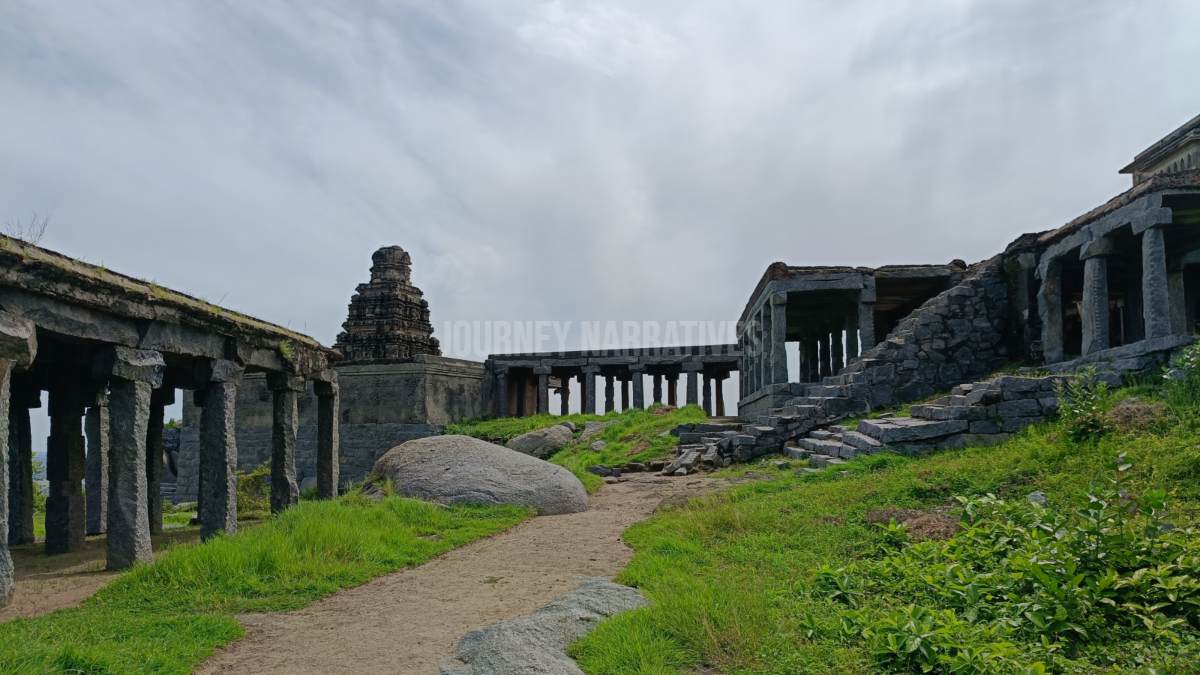
Cultural and Heritage Travel in India: 15 Must-See Spots for Beautiful Temples, Forts, and UNESCO World Heritage Sites
Cultural and Heritage Travel in India has always fascinated me with its incredible blend of history, spirituality, and living traditions. Over the years, my journeys across the country have taken me from sacred temples echoing with chants to colossal forts that guard tales of royalty, and to UNESCO-listed sites that preserve the essence of our past. Exploring these places isn’t just about sightseeing—it’s about stepping into layers of time and connecting with the stories of kings, poets, monks, and everyday people who once shaped this land. Why Cultural & Heritage Travel in India Matters to Me Whenever I set foot in an ancient temple or walk along the ramparts of a centuries-old fort, I feel a strong connection to the stories of kings, poets, monks, and everyday people who once lived here. Traveling through India’s heritage sites isn’t just sightseeing—it’s stepping into layers of time. Whether you are a history enthusiast, a photographer, or a curious traveler like me, these experiences add depth to every trip. Must-Visit Temples: Living Symbols of Spirituality India’s temples are more than architectural marvels; they are vibrant centers of devotion and art. Travel Tip: Dress modestly and learn a few local customs before visiting. Early mornings are perfect for avoiding crowds and catching the golden light for photography. Forts & Palaces: Echoes of Royalty Exploring India’s forts is like flipping through the pages of a living history book. Traveler’s Insight: Many forts have evening light-and-sound shows. Booking tickets in advance saves you from last-minute rush. UNESCO World Heritage Sites: Global Recognition of India’s Treasures From ancient caves to colonial-era cities, India’s UNESCO sites are scattered across the map. Planning Your Cultural Itinerary Here’s how I usually plan a heritage trip: Culinary Heritage Along the Way For me, tasting local food is part of exploring culture. From the filter coffee of Tamil Nadu to Rajasthani thalis and Kashmiri wazwan, every meal tells a story of the region’s history and trade. Responsible & Respectful Travel Preserving our heritage is a collective responsibility. I always carry a refillable water bottle, avoid littering, and respect the sanctity of religious sites. Supporting local artisans by purchasing handicrafts directly from them is another way to give back. Cultural and Heritage Travel in India Cultural and heritage travel in India is not just about checking off monuments on a list—it’s an immersion into living traditions and timeless artistry. Each temple, fort, and UNESCO site I’ve visited has deepened my appreciation for the country’s diverse history. Whether you’re planning your first heritage trail or your tenth, India offers a journey that connects the past with the present in unforgettable ways. If you’re planning to connect these cultural destinations into a seamless itinerary, this India travel guide will help you navigate routes, timing, and travel experiences across the country.
Forest and River Landscapes in India: 6 Raw Natural Formations Carved by Water and Time
There is a quiet authority in forest and river landscapes — a sense that nature does not rush, yet always arrives where it intends to. Long before roads were drawn or settlements named, water began its work here, shaping stone, feeding forests, and carving pathways through the land with steady patience. These landscapes are not dramatic because they try to be; they are powerful because they endure. Forests grow where rivers breathe life into the soil. Rivers flow where the land allows them passage. Together, they create ecosystems that feel ancient, balanced, and deeply alive. Traveling through such places is less about sightseeing and more about witnessing nature’s long conversation with time. This journey explores six raw natural formations shaped by forests and rivers, each revealing how water — through force, flow, and persistence — defines landscapes that continue to sustain life, memory, and movement. 1. Thunderous Waterfalls: When Rivers Fall With Force Some landscapes announce themselves before they are seen. The distant roar of falling water, the vibration in the ground, and the cool mist in the air signal a place where gravity and volume meet in full expression. Waterfalls represent one of the most visible displays of nature’s raw power. Rivers that travel calmly across plateaus suddenly plunge into deep gorges, reshaping rock faces with relentless impact. Over centuries, these falls widen cliffs, deepen valleys, and alter entire ecosystems downstream. Standing near a thunderous waterfall is humbling. It reminds us that rivers are not merely gentle carriers of water — they are sculptors capable of dramatic transformation. To witness a waterfall where scale, sound, and force dominate the experience, Dudhsagar Waterfalls: 5 Thunderous Cascades That Showcase Nature’s Raw Power reveals how falling water commands both landscape and attention. 2. Tiered Waterfalls and River Drops: Flow Shaped by Structure Not all waterfalls descend in a single dramatic plunge. Some unfold in stages — stepping down rock layers shaped by geological variations. These tiered drops reveal how rivers adapt to resistance, finding multiple pathways rather than forcing one. Each level creates its own micro-landscape: pools that reflect the sky, moss-covered ledges, and calmer stretches where water regathers before continuing its descent. These formations highlight the relationship between water speed, rock strength, and elevation. Tiered river drops often feel rhythmic rather than overwhelming. They invite observation — how water splits, reunites, and reshapes itself as it moves forward. For a closer look at cascading river drops that reveal the mechanics of flowing water, Jog Falls: 6 Spectacular Drops That Reveal the Force of Flowing Water explores how structure influences movement. 3. Underground Rivers and Rock Chambers: Landscapes Hidden Below the Surface Some of the most remarkable river-shaped landscapes exist out of sight. Over thousands of years, flowing water dissolves limestone, widens cracks, and creates underground chambers where rivers continue their quiet work beneath the earth. Cave systems formed by subterranean rivers feel timeless. Stalactites and stalagmites grow slowly, drip by drip, while hidden streams continue to carve passages through darkness. These spaces remind us that forest and river landscapes evolve even when unseen. Traveling through river-carved caves offers a rare perspective — one where sound replaces sight, and the presence of water becomes the primary guide. To explore ancient rock chambers shaped slowly by underground rivers, Borra Caves: 5 Ancient Rock Chambers Shaped Slowly by Underground Rivers reveals a hidden side of river landscapes. 4. Life-Giving River Stretches: Where Water Sustains Forests As rivers move beyond dramatic drops and underground paths, they often settle into long, steady stretches that nourish everything around them. These sections may appear calm, but their impact is profound. Riverbanks become fertile corridors where forests thrive, wildlife gathers, and human civilizations emerge. Seasonal flooding replenishes soil, while consistent flow regulates temperature and humidity, creating stable ecosystems. These life-giving river stretches demonstrate water’s quieter role — not as a force of erosion, but as a source of continuity. To understand how a river quietly sustains forests and human life along its path, Cauvery River: 7 Timeless River Stretches That Nurture Forested Lands traces the enduring relationship between water and land. 5. Meandering Rivers and Living Landscapes: Flow That Shapes Life Some rivers do not cut straight paths. Instead, they bend, curve, and wander — responding to terrain, sediment, and time. These meandering rivers shape floodplains, wetlands, and forests that depend on their seasonal rhythms. As rivers shift course, they leave behind rich soil, oxbow lakes, and diverse habitats. These landscapes feel alive because they are constantly changing, yet deeply balanced. Traveling alongside such rivers offers insight into nature’s flexibility — how adaptation, not resistance, creates abundance. For a journey along a river where bends define both land and life, Tungabhadra River: 6 Powerful River Bends That Shape the Land and Life Around explores movement as creation. 6. Forest Ecosystems Sustained by Rain and Rivers: Nature in Balance At the intersection of rainfall, rivers, and dense forest cover lies one of nature’s most resilient systems. Here, water does not dominate — it integrates. Rain feeds streams, streams feed rivers, and rivers sustain forests that, in turn, regulate climate and flow. Such forest ecosystems feel immersive. Canopies filter sunlight, forest floors absorb moisture, and life thrives in layers. These landscapes show how water’s greatest strength may lie not in force, but in consistency. Walking through such forests feels grounding, as though nature is functioning exactly as intended. To experience a wilderness shaped equally by rain and flowing rivers, Sathyamangalam Forest: 5 Untamed Wilderness Zones Sustained by Rivers and Rain reveals how balance defines survival. Lingering Impressions from Forest and River Landscapes Forest and river landscapes are reminders that nature’s most powerful work often happens slowly. Water shapes stone not through speed, but through persistence. Forest and river landscapes rise not through dominance, but through cooperation. Long after leaving these places, the memory remains — the sound of flowing water, the damp earth underfoot, the sense of moving within systems far older than ourselves. These forest and river landscapes do
5 Smart Choosing the Right Transport in India Decisions That Balance Cost, Comfort & Safety
Choosing the right transport in India is one of the most underestimated travel decisions, yet it directly affects safety, comfort, time management, and daily expenses. With options ranging from trains and buses to flights, taxis, and local transport, India offers flexibility—but also complexity. The wrong transport choice can lead to exhaustion, delays, overspending, or safety concerns. The right one, however, makes travel smoother, more affordable, and far less stressful. The following five smart transport decisions help travelers balance cost, comfort, and safety while moving across India. 1. Match transport choice to distance, not just price One of the most common mistakes travelers make is choosing transport based purely on ticket cost. While buses or trains may seem cheaper for long distances, they can significantly increase travel time and fatigue. For overnight or long-distance routes, flights or premium trains often provide better value when time, energy, and comfort are considered. For shorter distances, road transport may be more practical and cost-effective. Smart decision: Measure value by time and comfort, not just ticket price. 2. Use trains for planned journeys, not rushed schedules Indian Railways is one of the most efficient ways to travel long distances affordably, especially when booked in advance. Trains offer comfort, safety, and predictable costs—making them ideal for travelers with fixed itineraries. However, relying on trains for tight schedules or last-minute plans can cause stress due to availability issues or delays. Smart decision: Trains work best when your itinerary allows flexibility and advance planning. 3. Choose road transport carefully based on route and timing Buses, taxis, and self-drive options are excellent for regional travel, hill stations, and destinations not well connected by rail or air. However, road conditions, traffic congestion, and night travel risks vary widely across regions. Night road travel, especially on unfamiliar routes, can reduce safety and comfort. Daytime travel often offers better visibility, smoother journeys, and fewer risks. Smart decision: Road travel is best chosen with route conditions and timing in mind. 4. Avoid local transport decisions driven by convenience alone Auto-rickshaws, local buses, and shared taxis are affordable and widely available, but they require basic awareness. Overreliance on convenience—especially in tourist-heavy areas—can lead to overpaying or uncomfortable experiences. Understanding approximate fares, routes, and alternatives helps travelers use local transport safely and confidently without unnecessary stress. Smart decision: A little local awareness goes a long way in saving money and avoiding problems. 5. Balance safety and comfort when traveling at night Night travel can save daytime hours, but it often compromises rest and situational awareness. Overnight buses or late-night arrivals may appear efficient, but they increase fatigue and reduce alertness upon arrival. For longer night journeys, trains with reserved berths are generally safer and more comfortable than road options. Planning arrivals during daylight hours improves both safety and overall travel experience. Smart decision: Night travel should prioritize rest and safety, not just time-saving. How smart transport choices fit into better travel planning Transport decisions influence almost every part of a trip—from accommodation location and daily spending to energy levels and safety. When travelers choose transport thoughtfully, they reduce delays, control costs, and avoid unnecessary stress. These transport-related decisions are part of a broader approach to traveling in India that focuses on staying safe, saving money, and avoiding costly mistakes—an approach outlined in our complete India travel advice guide that helps travelers make smarter choices throughout their journey. Choosing the right transport in India – Final takeaway Choosing the right transport in India isn’t about always picking the cheapest or fastest option. It’s about selecting the mode of travel that best matches distance, timing, comfort needs, and safety considerations. By making these five smart transport decisions, travelers can move across India with greater confidence, efficiency, and peace of mind.
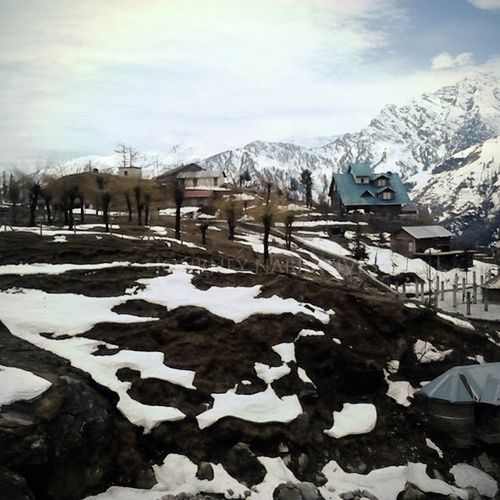
Manali Mountains: 8 Jaw-Dropping High-Altitude Views That Command Attention
Nestled in the Kullu Valley of Himachal Pradesh, the Manali Mountains offer a high-altitude experience defined by scale, ruggedness, and dramatic vistas. Here, peaks rise sharply, rivers carve deep gorges, and the sheer verticality of the landscape commands attention. Unlike gentler hill stations, Manali’s views combine raw natural grandeur with opportunities for both adventure and reflection. Each viewpoint invites visitors to pause, taking in the intensity of the Himalayas without rushing. 1. Solang Valley Viewpoints: Adventure Meets Perspective Solang Valley, renowned for its skiing and paragliding, also provides some of the most striking high-altitude views in Manali Mountains. From elevated points along the valley, snow-capped peaks form a dramatic backdrop to rolling meadows. The combination of activity and scenery gives a dynamic sense of scale, where motion and stillness coexist. 2. Rohtang Pass: Peaks That Touch the Sky Rohtang Pass, at over 13,000 feet, offers panoramic views of glaciers, ridges, and distant valleys. The stark, rugged terrain contrasts sharply with green slopes below, emphasizing the altitude and rawness of the region. The sense of exposure here amplifies the grandeur of the landscape, making every glance outward feel momentous. 3. Naggar Castle Overlook: Hills and Heritage Combined From Naggar Castle, perched atop a ridge, visitors can see layers of mountains stretching into the horizon. Unlike crowded peaks, this viewpoint blends cultural history with natural beauty. The castle’s terraces provide framed views of the Kullu Valley, creating a composed and dramatic perspective of the surrounding highlands. 4. Jogini Waterfalls Trail: Cascades Amid Peaks The trail to Jogini Waterfalls winds through forests and rocky outcrops, offering intermittent openings with breathtaking mountain vistas. Peaks rise sharply around the path, and the waterfalls themselves add vertical movement to the scene. This combination of natural elements enhances the perception of scale, making the journey as impressive as the destination. 5. Manu Temple Viewpoint: Sacred Heights Near the revered Manu Temple, high terraces and clearings reveal expansive valley views. The elevation allows visitors to see both the town below and the surrounding mountains, providing a layered perspective that is dramatic without being overwhelming. Morning light adds softness to otherwise rugged slopes, creating a striking balance of intensity and calm. 6. Bhrigu Lake Trek Viewpoints: Wilderness in the Clouds Along the Bhrigu Lake Trek, intermittent viewpoints highlight towering peaks, glacial streams, and vast meadows. The combination of distance, elevation, and relative isolation creates moments of awe, where the mountains dominate the horizon and human presence feels minimal. These high-altitude vistas feel untouched and immersive. 7. Beas River Gorge Outlooks: Depth and Motion From select points along the Beas River, the mountains drop sharply toward the river gorge, revealing steep gradients and layered ridges. The movement of water adds a dynamic element to the otherwise solid landscape, reinforcing the sense of vertical drama. These overlooks are ideal for observing the interplay of river and mountain in a high-altitude setting. 8. Hampta Pass Approach: Peaks That Command Attention On the approach to Hampta Pass, travelers encounter broad vistas where peaks rise dramatically on either side. Snow patches, forested slopes, and open meadows converge to form a high-altitude tableau that is both visually striking and emotionally stirring. The approach itself becomes part of the viewing experience, preparing the mind for the scale ahead. The Manali Mountains exemplify how high-altitude landscapes shape perception and emotion, reinforcing the themes explored across our broader journey through mountain and hill formations. What Remains After the Ascent The Manali Mountains leave visitors with a lasting impression of scale, drama, and elevation. Unlike gentler hill landscapes, the region’s peaks, valleys, and gorges command attention, demanding both reflection and awe. What stays is not just a memory of beauty but a sense of the vastness and power of high-altitude landscapes — a reminder that mountains can be simultaneously humbling, exhilarating, and restorative.

Tidal Flats of Om Beach, Gokarna: 7 Raw Rock Pool Landscapes That Look Rugged but Feel Incredibly Alive
The tidal flats of Om Beach in Gokarna reveal a coastline that only fully exists at low tide.When the sea retreats, the familiar curve of the beach breaks open into rocky shelves, shallow pools, and exposed tidal flats, turning this Beach into a constantly changing coastal surface. Unlike continuous sandy shores, Om Beach is shaped by rock interruptions and tidal timing, making it one of the clearest examples of how natural rock pools form and disappear along India’s western coastline. 1. A Tidal Coast Hidden Beneath the Surface At high tide, this beach appears calm and unified.At low tide, its true structure emerges. Rock platforms extend outward, creating: This dual nature defines tidal flat coastlines. 2. Natural Rock Pools Along the Shoreline Curve Om Beach’s curved formation naturally traps seawater as the tide recedes. These rock pools: They transform the beach into a network of living micro-landscapes. 3. Rock Shelves That Break the Sand Continuity Unlike open beaches, Om Beach is interrupted by exposed rock sections. These rocky flats: The result is a shoreline that feels textured and segmented, not smooth or uniform. 4. A Coastline That Changes Hour by Hour The defining feature of tidal flats is impermanence. At Om Beach: This constant reshaping makes observation more rewarding than movement. 5. The Sound of Water Draining Over Rock As the tide recedes, sound becomes subtle. Water: This gentle withdrawal creates a calmer soundscape than wave-dominated beaches. 6. Why Om Beach Feels Rugged Yet Refreshing The exposed rocks give Om Beach a rugged appearance, but the experience feels energizing rather than harsh. Cool tidal pools, uneven stone textures, and open sea air combine to create a shoreline that feels grounding, alert, and alive. 7. Why Om Beach Represents Tidal Flats and Natural Rock Pools Om Beach offers a focused example of tidal flat dynamics within a compact shoreline. It represents: This makes Om Beach an ideal reference point for understanding tidal flats and natural rock pool coastlines. Where the Shore Reveals Itself Slowly At Om Beach, the coast doesn’t reveal its character all at once.It waits for the tide to step back. In those brief intervals, the shoreline feels most alive — shaped by rhythm, patience, and quiet motion rather than force.

Kovalam Beaches: 6 Spectacular Shoreline Features That Define Kerala’s Coast
Situated along the southern coastline of Kerala, Kovalam Beaches represent one of the most distinctive natural shore systems along the Arabian Sea. Known for their crescent-shaped bays, rocky headlands, and naturally regulated wave patterns, these beaches illustrate how coastal geology and sea forces combine to shape refreshing tropical landscapes. Rather than being a single continuous shoreline, Kovalam consists of interconnected beach segments, each formed by natural coastal features that influence sand movement, water behavior, and shoreline stability. Together, they create a coastal environment that is visually striking, ecologically balanced, and representative of Kerala’s western coast. To discover more destinations across the state, explore our Kerala Travel Guide, featuring backwaters, hill stations, and scenic coastal escapes. Kovalam Beaches form an important example of how India’s western coastline evolves naturally, a pattern also explored in detail in our broader guide to Coastal Landscapes across India. 1. Crescent-Shaped Sandy Bays One of the defining characteristics of Kovalam Beaches is their naturally curved, crescent-shaped shoreline. These formations occur due to the presence of rocky headlands that interrupt wave flow, allowing sand to settle evenly within sheltered bays. Why this matters: This natural curvature gives Kovalam its iconic shoreline profile and contributes to safer coastal conditions during calmer seasons. 2. Rocky Headlands That Shape the Coast Kovalam’s beaches are separated by prominent rocky headlands that extend into the sea. These rock formations play a crucial role in controlling wave energy and defining individual beach sections. Natural impact: Over time, constant wave action has smoothed these rocks, forming organic shapes that blend naturally into the shoreline. 3. Lighthouse Beach’s Elevated Coastal Edge Lighthouse Beach stands out due to its raised rocky cliff, topped by the historic lighthouse that overlooks the Arabian Sea. This elevated terrain offers a clear example of how coastal landforms create visual and structural diversity along the shore. Key characteristics: The lighthouse’s placement reflects how human structures often adapt to natural coastal elevations rather than altering them. 4. Naturally Sheltered Shores of Hawa Beach Hawa Beach, located adjacent to Lighthouse Beach, benefits from partial natural shelter provided by surrounding rock formations. This results in gentler wave action and a wider sandy stretch. Why it stands out: The beach demonstrates how small variations in coastal structure can significantly affect shoreline behavior. 5. Calm and Undisturbed Nature of Samudra Beach Samudra Beach lies slightly away from the more exposed sections of Kovalam, making it one of the calmest and least disturbed parts of the coastline. Natural rocky boundaries and vegetation help maintain its tranquil character. Natural features: Samudra Beach highlights the importance of preserving quieter coastal zones to maintain ecological balance. 6. Seasonal Wave Patterns and Shoreline Renewal Kovalam’s beaches undergo visible transformation with seasonal changes, particularly during the monsoon. Stronger waves reshape the shoreline, while post-monsoon periods restore smoother sands. Seasonal dynamics: These cycles are essential for maintaining long-term coastal health and preventing permanent erosion. Coastal Ecosystem and Environmental Balance Kovalam’s shoreline supports a modest but important coastal ecosystem. Rocky zones provide shelter for small marine species, while sandy stretches support shoreline vegetation that stabilizes the coast. Protecting water quality and limiting physical disturbance are essential for preserving this natural balance. Best Time to Observe Kovalam’s Coastal Features From a nature-focused perspective, the most suitable time to explore Kovalam Beaches is: Seasonal restrictions during rough sea conditions should always be followed. Kovalam’s Role in Kerala’s Coastal Landscape Kovalam Beaches exemplify how rock formations, sand movement, and wave behavior interact to create diverse coastal environments. The region serves as a valuable reference point for understanding Kerala’s western shoreline and its natural coastal processes. If you’re planning a broader journey across the country, browse our India Travel Guide for diverse travel experiences. A Defining Expression of Kerala’s Shoreline Kovalam Beaches are more than a popular coastal destination—they are a living example of how natural forces shape and sustain tropical shorelines. Through curved bays, rocky headlands, and seasonal renewal, Kovalam defines the dynamic and refreshing character of Kerala’s coast. As a supporting destination under broader coastal landscape studies, Kovalam remains an essential example of India’s naturally evolving shores. For wider inspiration beyond India, explore our Asia Travel Guide and uncover unique coastal destinations across the continent.