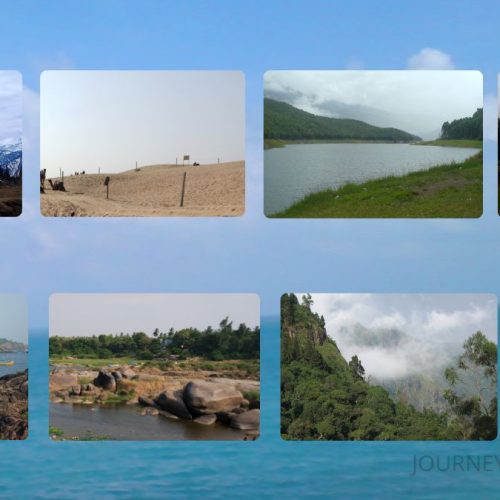
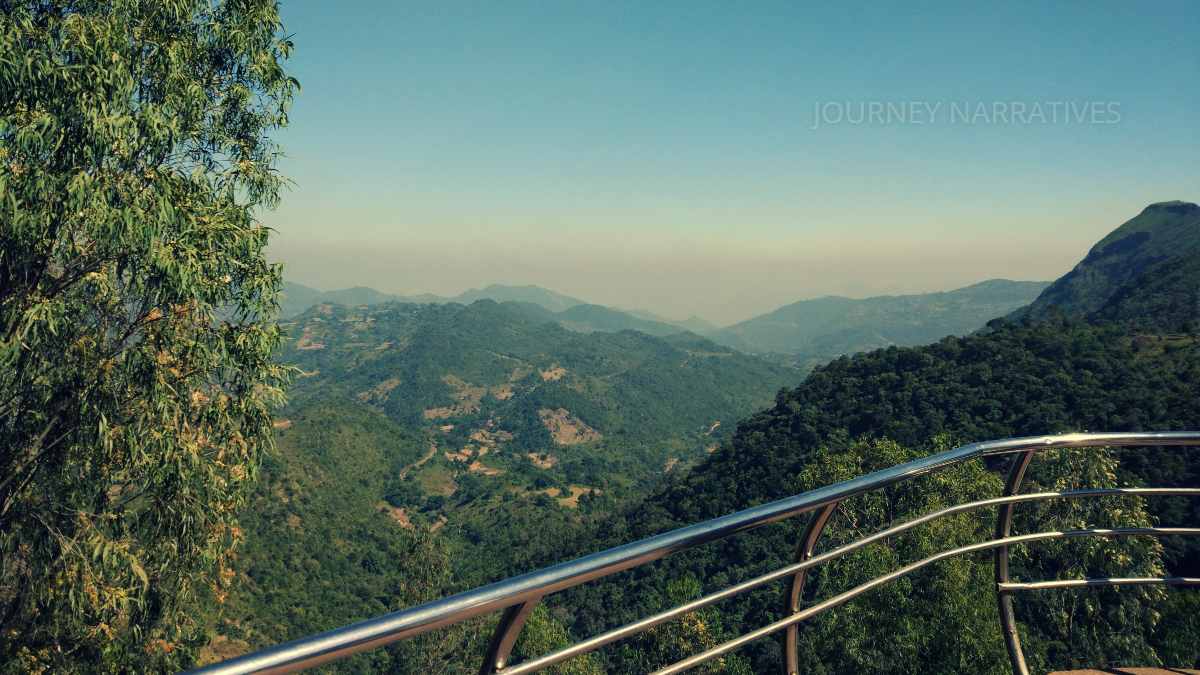
Araku Valley, tucked into the Eastern Ghats of Andhra Pradesh, offers a distinct highland experience where lush greenery and steep valleys feel largely untouched by human development. Unlike more developed hill stations, the valley’s landscapes retain a sense of wildness, where every viewpoint carries a feeling of discovery. Here, altitude cools the air, rivers carve their paths through verdant slopes, and forests seem to extend endlessly — all combining to create views that are both refreshing and raw.
The Araku Valley exemplifies high-altitude landscapes where nature’s scale and form shape emotional response — a recurring theme across the mountain and hill formations explored in our broader journey.
Table of Contents
1. Katiki Waterfalls: Nature’s Layered Descent
Katiki Waterfalls provides a striking introduction to the valley’s untamed side. From viewing points along the trail, water plunges through layered rocks into hidden pools below, surrounded by dense vegetation. The journey toward the falls itself adds perspective, as glimpses of the flowing river between trees hint at the scale and continuity of the landscape.
2. Coffee Plantation Overlooks: Cultivated Calm Amidst Wilderness
Araku is known for its coffee plantations, yet the highland slopes offer more than agricultural interest. From elevated pathways within these plantations, sweeping views of terraced greenery blend seamlessly into wild forest patches. The contrast between cultivated rows and surrounding wilderness creates a layered perspective, allowing travelers to appreciate both human care and natural abundance.
3. Borra Caves Viewpoint: Limestone Heights and Forested Valleys
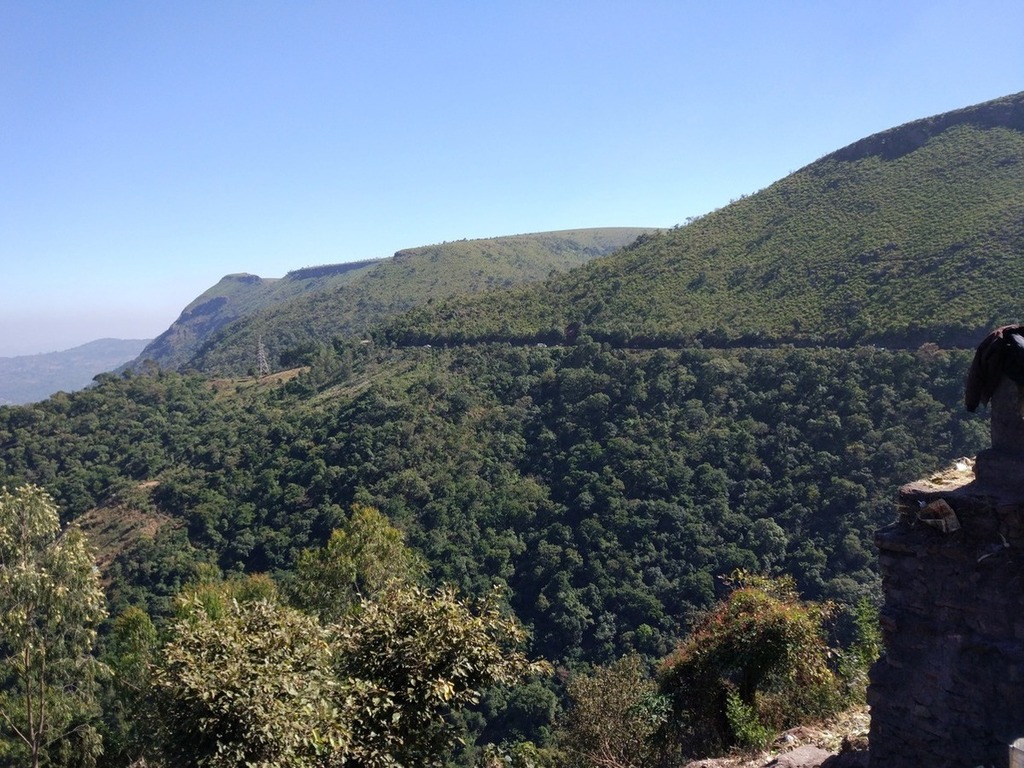
From the Borra Caves area, the valley’s limestone cliffs drop into densely wooded valleys, revealing hidden layers of forest and distant ridges. These elevations provide a rare vantage point where natural formations dominate the view, and human presence feels minimal. The rugged terrain reinforces the valley’s raw character, offering moments of awe without overcrowding.
4. Padmapuram Gardens Terraces: Framing the Hills Naturally
While Padmapuram Gardens is a managed space, the terraces overlooking the surrounding hills provide clear lines of sight across the valley. Green ridges, scattered forest patches, and meandering pathways create a sense of depth, and careful placement of viewpoints ensures that the surrounding wilderness remains the star of the scene rather than built structures.
5. Chaparai Waterfalls Trails: Moving Through Layers of Green
The trails leading to Chaparai Waterfalls offer a journey as visually engaging as the destination. Forested slopes, interspersed with cascading streams, open up occasionally to reveal sweeping valley vistas. Each turn along the trail provides a slightly different perspective, emphasizing the valley’s layered terrain and the sense that this landscape is continuously unfolding.
6. Tribal Hamlet Overlooks: Hills That Retain Their Character
High points near tribal settlements allow visitors to see the valley in its entirety, from cultivated pockets to dense forest stretches. Unlike highly commercialized viewpoints, these overlooks feel informal, blending into the terrain. Observing the valley from here underscores the raw and enduring character of Araku, where hills, rivers, and forests interact naturally and without pretense.

What the Araku Valley Leaves Behind
Araku Valley leaves behind more than just memories of scenic views; it imparts a lasting sense of freshness and an unfiltered connection to nature. The valley’s appeal doesn’t come solely from dramatic peaks or towering cliffs; instead, it emerges from the interplay of layered forests, gently flowing rivers, and cultivated slopes that blend seamlessly with untamed wilderness.
Each viewpoint offers a sense of depth and openness, inviting visitors to pause and absorb the scale and rhythm of the landscape. Even after leaving, the valley lingers in the mind, evoking a feeling of vitality and calm. It serves as a reminder that high-altitude landscapes can feel both wild and restorative, and that their beauty often thrives most where human impact remains minimal.