
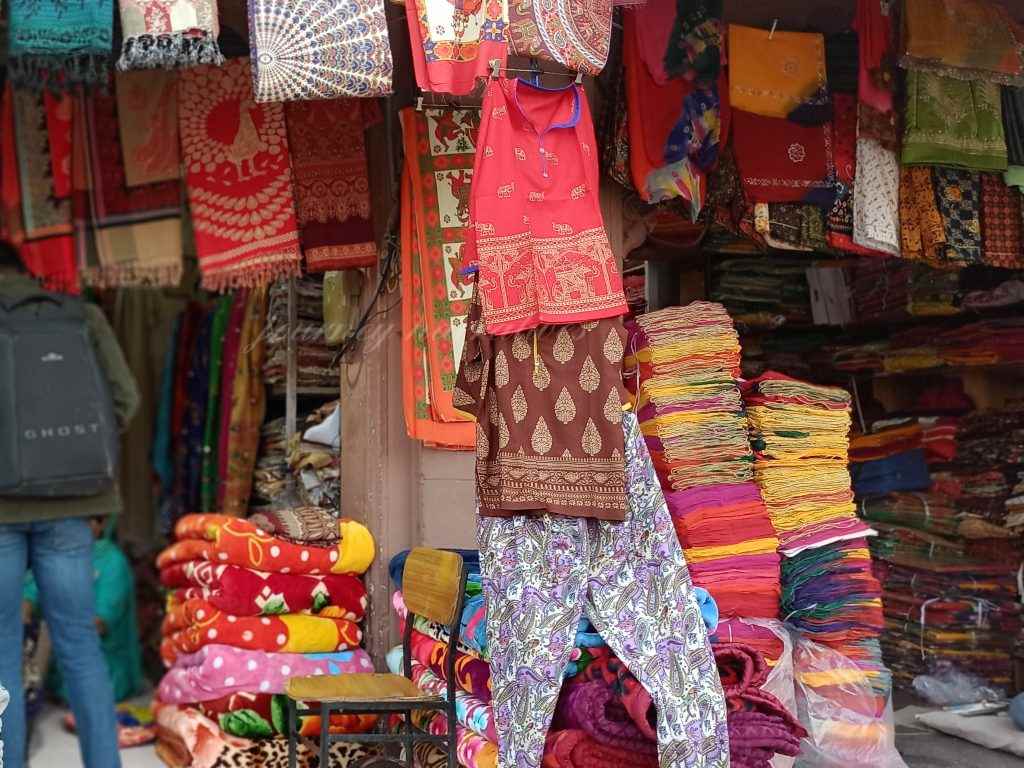
The places to visit in Jodhpur reflect the grandeur of Rajasthan’s royal past, where majestic forts, blue-washed houses, and historic palaces create an unforgettable cultural landscape. Known as the Blue City, Jodhpur offers travelers a deep journey into Rajput heritage, architecture, and timeless desert traditions. If you’re inspired by royal cities like this, our Rajasthan Travel Guide helps you explore more such destinations across the state. From imposing hilltop forts to serene lakes and vibrant markets, Jodhpur is one of India’s most fascinating heritage destinations. Places to Visit in Jodhpur: Discover the Blue City’s Royal Treasures 1. Explore the Magnificent Mehrangarh Fort Towering above the city, Mehrangarh Fort is one of the largest and most impressive forts in India. Built in the 15th century, it houses: The panoramic view of blue houses from the fort is breathtaking. 2. Admire Royal Luxury at Umaid Bhawan Palace This grand palace is one of the world’s largest private residences. Part of it is: Its architecture blends Indian and European styles beautifully. 3. Visit the Peaceful Jaswant Thada This elegant white marble cenotaph was built in memory of Maharaja Jaswant Singh II. It is known for: 4. Walk Through the Blue Streets of Old City One of the most unique experiences in Jodhpur is walking through its famous blue houses. The blue color symbolizes tradition and keeps homes cool. It’s perfect for photography and cultural exploration. 5. Discover History at Mandore Gardens Mandore Gardens was the former capital of Marwar. It features: 6. Relax at Kaylana Lake This peaceful lake is ideal for sunset views and nature lovers. Birdwatching and photography are popular here. 7. Visit the Sacred Chamunda Mata Temple Located inside Mehrangarh Fort, this temple is deeply respected by locals. It offers spiritual significance and scenic views. 8. Experience Local Culture at Clock Tower Market This bustling market is perfect for experiencing Jodhpur’s vibrant local life. You can shop for: 9. Explore the Historic Rao Jodha Desert Rock Park Located near Mehrangarh Fort, this ecological park showcases desert flora and conservation efforts. It’s a great place for nature walks. 10. Visit the Unique Toorji Ka Jhalra This ancient stepwell reflects traditional water management and architecture. It is now one of the city’s most photogenic spots. 11. Enjoy Views from Masuria Hill Garden This hilltop garden offers: It’s a hidden gem in Jodhpur. 12. Explore Bishnoi Village A visit here offers a glimpse into Rajasthan’s traditional rural life. You can experience: Experiences like these are part of a much larger journey—discover more across the country in our India Travel Guide. Cultural Importance of Jodhpur Jodhpur represents the royal legacy of Rajasthan. Its identity is shaped by: It remains one of India’s most authentic heritage cities. Best Time to Visit Jodhpur Ideal months: October to March Weather is pleasant for sightseeing and exploration. Avoid peak summer due to extreme heat. Travel Tip For complete planning, itineraries, and heritage insights, explore our detailed Jodhpur Travel Guide, designed to help you experience the city more meaningfully. Why Jodhpur Is a Must-Visit Heritage Destination The best places to visit in Jodhpur offer a perfect blend of royal history, cultural richness, and architectural beauty. From majestic forts and royal palaces to blue streets and vibrant markets, Jodhpur delivers an unforgettable journey into Rajasthan’s glorious past. For a broader exploration of heritage cities and cultural landmarks, browse our Asia Travel Guide for wider inspiration.
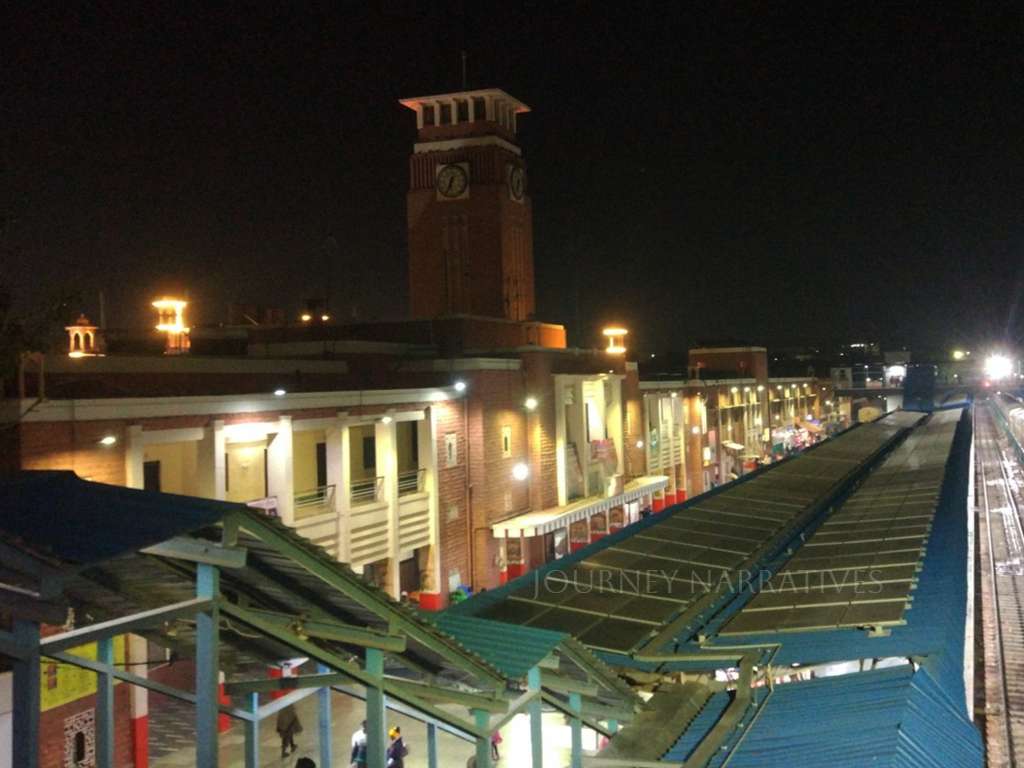
Railway Stations Of India: 15 Breathtaking Stops That Redefine Beauty
Railway stations across India are more than just transit points—they are gateways into the country’s rich fabrics of history, culture, and architectural grandeur. From grand colonial-era structures to stations nestled amidst scenic landscapes, these hubs stand out for their historical importance, stunning designs, and cultural charm. India’s vast and intricate railway network doesn’t merely connect destinations; it celebrates the diverse heritage of the nation, making many of its stations attractions in their own right. If you enjoy discovering unique and scenic travel moments like these, don’t miss our complete guide to Beautiful Places to Visit in India: A Guide to Scenic, Seasonal & Unique Travel Experiences. In this blog, we’ll explore some of the most beautiful and iconic railway stations in India that should be a part of your travel journey. 1. Chhatrapati Shivaji Maharaj Terminus, Mumbai (Maharashtra) Arguably one of the most iconic and beautiful railway stations in India, Chhatrapati Shivaji Maharaj Terminus (formerly known as Victoria Terminus) in Mumbai is a UNESCO World Heritage Site. Built in the Victorian Gothic style with Indian architectural elements, this station is a marvel of intricate stone carvings, stained glass windows, and towering spires. The architectural fusion of British and Indian styles makes it a standout landmark in Mumbai. Highlights: ✔ UNESCO World Heritage Site✔ Fusion of Victorian Gothic and Indian elements✔ Stunning carvings and sculptures✔ Historic significance in Mumbai’s railway network✔ Vibrant atmosphere with a mix of local vendors and travelers 2. MGR Chennai Central Station, Chennai Built in the Indo-Saracenic style, Chennai Central is one of the most iconic railway stations in South India. Its red-bricked façade and towering clock tower are a timeless symbol of Chennai. The interior is as majestic as the outside, with arched corridors and old-world charm. ✔ Iconic colonial-era architecture with a grand red facade and towering clock tower✔ Spacious, well-maintained platforms with clean surroundings✔ Efficient passenger amenities, including digital displays and food courts✔ Blend of historic charm and modern upgrades (e.g., metro connectivity)✔ Vibrant atmosphere with a mix of local vendors and travelers 3. Howrah Railway Station, Kolkata (West Bengal) Another architectural gem, Howrah Railway Station in Kolkata, is one of the oldest and busiest railway stations in India. Known for its massive iron façade and grand entrance, Howrah Station is an iconic symbol of Kolkata’s rich cultural heritage. The station’s grand steel structure is an engineering marvel and one of the largest in India. The station complex is also famous for its colonial-era architecture, which has stood the test of time. Highlights: ✔ Massive steel structure with grand architecture✔ One of the oldest and busiest railway stations in India✔ Colonial-era architecture with historical significance 4. Madurai Junction, Madurai (Tamil Nadu) Situated in the heart of Tamil Nadu, Madurai Junction is known for its traditional South Indian architectural style. The station is a blend of modern amenities and historical charm, with elements of Dravidian architecture that give it a unique identity. The station is beautifully landscaped and surrounded by lush greenery, making it a peaceful and scenic stop for travelers. Highlights: ✔ Traditional South Indian Dravidian architecture✔ Lush greenery and beautiful landscaping✔ Peaceful and scenic atmosphere 5. Udhagamandalam (Ooty) Railway Station, Ooty (Tamil Nadu) The Ooty Railway Station, situated in the hill station of Ooty in Tamil Nadu, is a quaint little station that exudes old-world charm. Part of the Nilgiri Mountain Railway, a UNESCO World Heritage Site, this station is famous for its colonial-style architecture, bright colors, and a nostalgic air. The Nilgiri Mountain Railway Train, which operates from here, offers a scenic ride through the hills, passing through lush tea plantations and beautiful landscapes. Highlights: ✔ Part of UNESCO World Heritage-listed Nilgiri Mountain Railway✔ Colonial-era architecture and scenic views✔ A journey through the rolling hills of Tamil Nadu 6. Lucknow Charbagh, Uttar Pradesh A blend of Mughal and Rajput architectural styles, Charbagh station looks more like a palace than a railway station. Its grand domes, minarets, and expansive gardens make it one of the most visually stunning stations in the country. Highlights: ✔ Blend of Mugal and Rajput architecture✔ Surrounded by grand domes, minarets, and expansive gardens 7. Ajmer Junction, Ajmer (Rajasthan) Ajmer Junction in Rajasthan is a beautiful blend of Rajput and Mughal architectural styles. The station’s grand structure with intricate carvings and arches captures the essence of Rajasthan’s rich heritage. Ajmer is also famous for the Ajmer Sharif Dargah, which attracts pilgrims from around the world, making the railway station a key transit point. Highlights: ✔ Beautiful blend of Rajput and Mughal architecture✔ Intricate carvings, arches, and historical significance✔ Gateway to Ajmer Sharif Dargah, a pilgrimage site 8. Mysuru Railway Station, Mysuru (Karnataka) Mysuru Railway Station is one of the cleanest and most well-maintained stations in India. The station’s façade combines elements of modern design with touches of the grandeur typical of Mysore’s royal heritage. With its lush surroundings and proximity to the famous Mysore Palace, the station serves as an ideal starting point for travelers exploring this historic city. Highlights: ✔ Modern design combined with royal Mysore heritage✔ One of the cleanest and well-maintained stations in India✔ Close proximity to the grand Mysore Palace 9. Thiruvananthapuram Central Railway Station, Thiruvananthapuram (Kerala) The Thiruvananthapuram Central Railway Station in Kerala boasts a beautiful blend of traditional Kerala architecture and modern amenities. The station is clean, well-organized, and surrounded by lush green landscapes. The station’s design features traditional Kerala elements like tiled roofs and ornate wooden carvings, making it a beautiful and unique place to visit. Highlights: ✔ Traditional Kerala-style architecture with modern amenities✔ Beautifully landscaped surroundings✔ A major gateway to Kerala’s cultural and tourist destinations 10. Kanpur Central, Uttar Pradesh This massive station is not only one of the busiest but also boasts colonial-era architecture with symmetrical design, stone facades, and classic roofing. Highlights: ✔ Blend of modern design and British-India architectural elements✔ Wide concourse and aesthetic appeal✔ Major transit point in the bustling city of Kanpur 11. Chennai Egmore Railway Station, Chennai (Tamil Nadu) Chennai Egmore Railway Station is
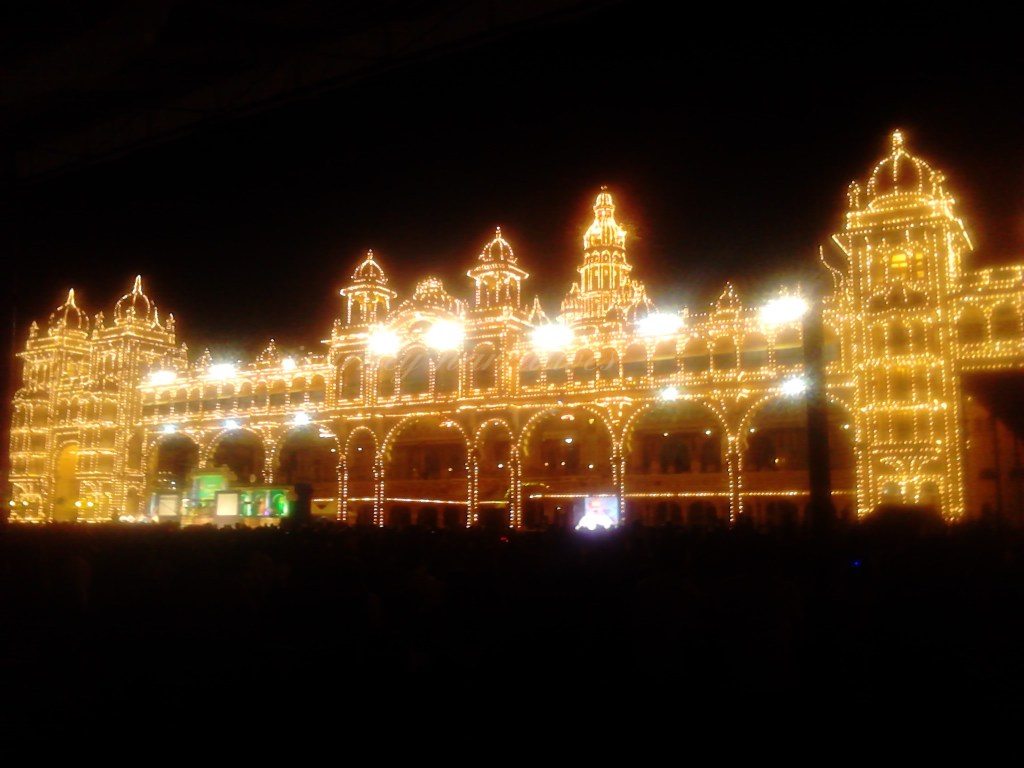
Best Things to Do in Mysuru: 9 Meaningful Experiences to Explore
Best things to do in Mysuru go far beyond simply visiting a palace. This historic city, often called the cultural capital of Karnataka, offers a refined mix of royal heritage, spiritual landmarks, vibrant markets, and lived traditions. Unlike fast-paced destinations, Mysuru invites you to slow down. The experiences here are layered — shaped by history, ritual, craftsmanship, and architecture. If you’re planning a broader journey across the country, explore our India Travel Guide for diverse destinations and experiences. 1. Explore the Grandeur of Mysuru Palace Begin with the city’s most iconic landmark. Mysuru Palace stands as a symbol of royal elegance, with its Indo-Saracenic architecture, intricate interiors, and illuminated façade on select evenings. Walking through its halls offers insight into the Wadiyar dynasty and the city’s regal past. 2. Climb Chamundi Hills for Panoramic Views Chamundi Hills provides both spiritual and scenic significance. The Chamundeshwari Temple draws devotees throughout the year, while the hilltop viewpoint offers sweeping views of the city below. The experience feels reflective, especially during early mornings. 3. Visit St. Philomena’s Cathedral This Neo-Gothic cathedral adds architectural diversity to Mysuru’s skyline. Its tall spires and stained-glass windows create a quiet, contemplative atmosphere within the city. It’s a reminder of Mysuru’s layered cultural influences. 4. Walk Through Devaraja Market To experience Mysuru beyond monuments, step into Devaraja Market. The vibrant stalls of flowers, spices, fruits, and incense reveal the rhythm of daily life. It’s one of the most grounded and sensory-rich things to do in Mysuru. 5. Spend an Evening at Brindavan Gardens Located near the Krishnarajasagar Dam, Brindavan Gardens is known for its symmetrical layout and musical fountain show. Evenings here feel lively yet structured, making it a popular addition to a Mysuru itinerary. 6. Discover Art at Jaganmohan Palace Jaganmohan Palace houses a notable art gallery featuring classical and modern Indian artworks. For travelers interested in culture and aesthetics, this stop adds intellectual depth to the journey. 7. Explore Mysuru Zoo Sri Chamarajendra Zoological Gardens is one of India’s oldest zoos and is well maintained. Its spacious layout and conservation focus make it suitable for families and wildlife enthusiasts alike. 8. Experience Mysuru During Dasara (If Timing Allows) If your visit coincides with the Dasara festival, you’ll witness the city at its most vibrant. Processions, illuminated landmarks, and cultural events transform Mysuru into a grand celebration of tradition. Even outside festival season, the city retains its ceremonial charm. 9. Slow Down and Observe the City’s Royal Character One of the best things to do in Mysuru is simply to observe. The slower traffic pace, preserved architecture, and wide roads contribute to a sense of order rarely found in larger cities. This atmosphere makes Mysuru feel composed rather than chaotic. For wider inspiration, browse our Asia Travel Guide and discover unique cultures and landscapes across the continent. Best Time to Visit Mysuru The most pleasant months are between October and March, when the weather supports comfortable exploration. The Dasara period is particularly special but also busier. How Mysuru Fits Into a Karnataka Itinerary Mysuru pairs naturally with Bengaluru for a contrast between modern urban energy and royal heritage. It also connects well with nearby hill stations and wildlife destinations for a diverse travel experience. If you are planning to explore multiple regions across the state, our detailed Karnataka Travel Guide helps structure an itinerary that balances cultural cities like Mysuru with coastal towns and scenic retreats. Why Mysuru Remains a Meaningful Destination The best things to do in Mysuru are not defined by novelty but by continuity. The city preserves its identity while remaining accessible and welcoming. For travelers seeking depth, elegance, and cultural grounding, Mysuru offers something enduring — an experience shaped not by trend, but by tradition. If you’re planning your visit, explore our Mysuru Travel Guide for a complete overview of the city’s top attractions and travel tips.
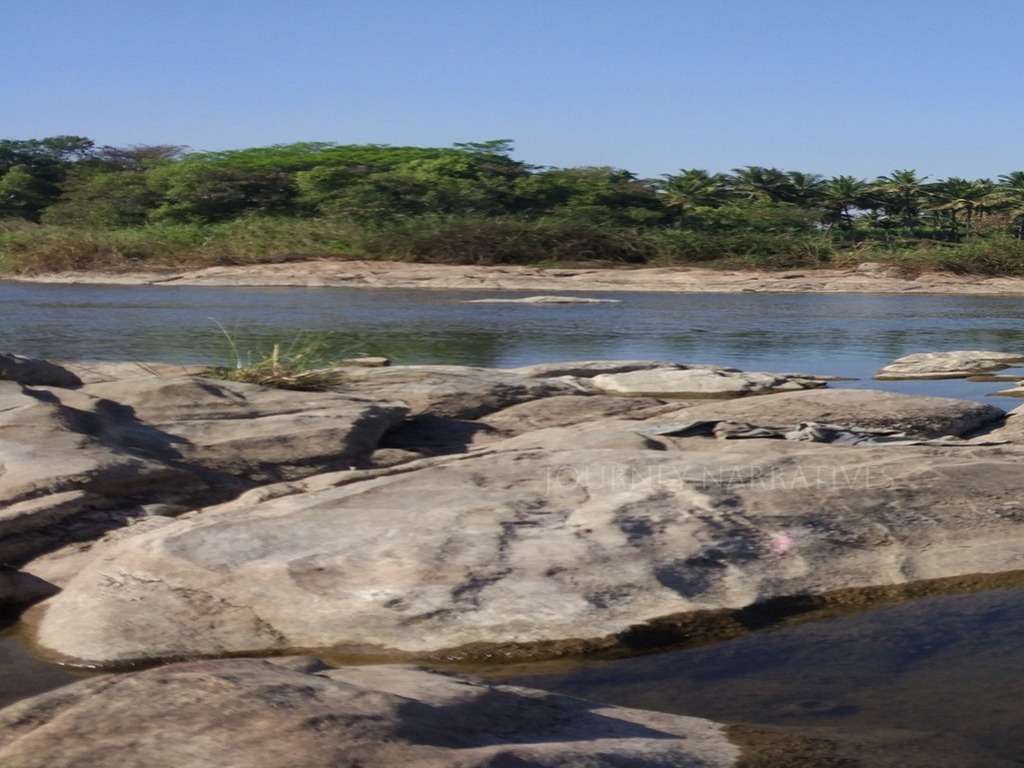
Cauvery River: 7 Timeless River Stretches That Sustain Forests and Struggle to Survive
Flowing across the southern heart of India, the Cauvery River is more than a lifeline — it is a quiet architect of forests, valleys, and human history. Over centuries, its waters have not only sustained civilizations but also shaped dense forest belts, wildlife corridors, and fertile landscapes along its course. Rather than viewing the Cauvery as a single continuous river, it is more revealing to see it as a series of distinct stretches — each defined by terrain, forest cover, and the relationship between water and land. This editorial exploration traces seven such stretches where the Cauvery’s presence has deeply influenced forested environments. 1. Talakaveri Origins: Where Forests Guard a River’s Birth The Cauvery rises in the forested hills of the Western Ghats at Talakaveri, a region wrapped in mist, dense vegetation, and sacred significance. Here, the river begins not as a powerful flow but as a modest stream nurtured by monsoon rains and forest catchments. The surrounding forests play a crucial role in regulating water flow, preventing erosion, and maintaining groundwater levels. This stretch illustrates how rivers depend on forests as much as forests depend on rivers — a delicate balance formed at the very source. 2. Brahmagiri Slopes: Channels Through Untamed Woodland As the river descends from its origin, it cuts through the Brahmagiri ranges, weaving between thick forest patches and rocky terrain. This stretch remains relatively undisturbed, with natural vegetation controlling sediment flow and stabilizing riverbanks. The interaction here is subtle yet powerful. Tree roots bind the soil, while the river provides consistent moisture, allowing forest ecosystems to thrive even during drier seasons. 3. Dubare–Nisargadhama Belt: Forest Corridors Along Gentle Currents In the Dubare and Nisargadhama region, the Cauvery slows, broadens, and nurtures riparian forests along its banks. These green corridors support diverse flora and fauna, acting as natural passageways for wildlife. This stretch highlights how slower-moving rivers encourage forest expansion rather than erosion. The calm flow allows sediments to settle, enriching the soil and enabling thick vegetation to take hold along the river’s edges. 4. Shivanasamudra Reach: Power That Feeds the Green The dramatic waterfalls of Shivanasamudra mark a shift in the river’s behavior. Here, gravity accelerates the Cauvery river, carving rock channels and releasing immense kinetic energy. While this stretch is known for its visual spectacle, its ecological role is equally important. Spray from the falls increases local humidity, while nutrient-rich mist supports mosses, shrubs, and forest growth in surrounding zones. It is a reminder that even violent movement can nourish life. 5. MM Hills and Wildlife Sanctuary Stretch: A Lifeline for Forest Fauna Flowing past the forested landscapes near the Male Mahadeshwara Hills, the Cauvery becomes a critical water source for wildlife. This stretch intersects protected forests that host elephants, deer, birds, and countless smaller species. Seasonal fluctuations in water levels dictate migration patterns and feeding grounds. Here, the river does not simply shape the land — it shapes survival itself. 6. Biligiriranga Hills (BR Hills): Where River and Forest Coexist Uneasily In the BR Hills region, the Cauvery navigates rugged terrain where forest cover is dense but increasingly fragmented. This stretch reflects both harmony and tension between natural systems and human intervention. Dams, diversions, and altered flow patterns have changed how the river interacts with surrounding forests. Reduced seasonal flooding affects soil regeneration, reminding us that rivers can nurture forests — but only when allowed to flow freely. 7. Lower Forest Margins: The Cauvery River’s Fading Green Influence As the Cauvery river moves toward flatter plains, dense forests gradually give way to agricultural land. Yet pockets of riverine vegetation persist, sustained by groundwater and seasonal overflow. These remaining forest strips act as ecological memory — evidence of how far the river once extended its green influence. Even diminished, the Cauvery river continues to support life along its edges. Ecological Role of the Cauvery in Forest Landscapes Across its course, the Cauvery demonstrates several key ecological functions: Its impact is not uniform but shaped by slope, flow speed, and surrounding vegetation. Cultural Layers Woven Into Forested Stretches Many forested sections of the Cauvery river are deeply embedded in local belief systems. Sacred groves, temples, and rituals reflect an understanding of the river as both provider and force. These cultural practices often contributed to conservation — protecting forest patches and riverbanks long before modern environmental frameworks existed. Why the Cauvery Belongs in a Water-Shaped Landscape Narrative The Cauvery’s story is not just about abundance. It is also about vulnerability. Forests that once regulated the river’s flow are shrinking, and altered water cycles now affect ecosystems downstream. In the larger narrative of forest and river landscapes shaped by water and time, the Cauvery river represents continuity under pressure — a river still shaping land, even as it adapts to change. The Quiet Burden of a Life-Giving River The Cauvery river does not announce its influence loudly. It shapes forests through consistency rather than force, presence rather than spectacle. Its stretches tell stories of growth, erosion, survival, and restraint. Seen as a sequence of living landscapes rather than a single river, the Cauvery river becomes a reminder that water’s greatest power lies in its ability to sustain — quietly, persistently, and over time.
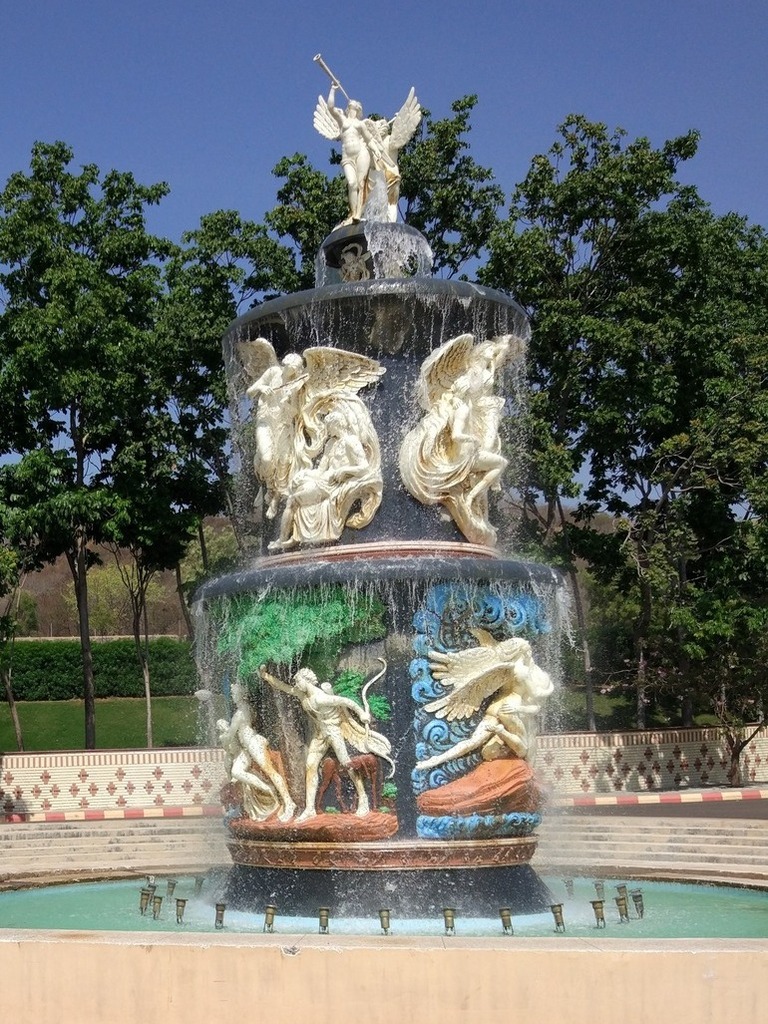
Ramoji Film City, Hyderabad: 11 Best Attractions Inside This Entertainment Giant
If you’re planning a trip and wondering whether Ramoji Film City, Hyderabad is worth adding to your itinerary — the answer is a confident yes. Located on the outskirts of Hyderabad, Ramoji Film City is one of the largest integrated film studio complexes in the world. But it’s far more than just a studio. It’s a full-day entertainment destination where cinema, fantasy, gardens, live performances, and adventure experiences come together seamlessly. If you’re planning to explore more of the city beyond this cinematic experience, our Hyderabad Travel Guide will help you discover its top attractions and hidden gems. Here’s what you absolutely shouldn’t miss inside this entertainment giant. 1. The Grand Studio Tour Your visit typically begins with a guided bus tour that takes you across massive shooting locations. You’ll see airport terminals, railway stations, palaces, urban streets, and even foreign-style neighborhoods — all constructed for films and TV shows. It’s fascinating to see how entire worlds are built for storytelling. 2. Mughal & Royal Palace Sets Step into grand palace courtyards and ornate halls that have hosted numerous period dramas. The architectural detailing makes these sets feel authentic — perfect for photos and a glimpse into large-scale production design. 3. Replica International Streets Want a European backdrop without leaving India? Ramoji features themed streets that resemble foreign cities, often used for song sequences and dramatic scenes. These areas are among the most photographed spots in the complex. 4. Live Stunt & Action Shows High-energy stunt performances are scheduled throughout the day. Expect choreographed action scenes, special effects demonstrations, and crowd engagement. It adds dynamic entertainment beyond simply walking through sets. 5. Filmmaking Demonstrations Curious about how movies are made? You’ll get insights into: It’s educational without feeling technical — great for both adults and kids. 6. Bird Park & Themed Gardens Ramoji isn’t just concrete and camera setups. There are beautifully maintained gardens, themed landscapes, and even a bird park that offers a refreshing break from studio exploration. It’s surprisingly peaceful in certain corners. 7. Kid-Friendly Fun Zones If you’re visiting with children, they’ll enjoy: It’s structured enough to feel safe yet exciting enough to keep them engaged. 8. Adventure & Activity Zones Certain ticket packages include adventure elements and interactive activities. These sections bring a theme-park vibe to the visit, making it more than a passive sightseeing tour. 9. Seasonal Festivals & Special Events During festive periods, Ramoji Film City hosts themed celebrations with decorative displays, parades, and cultural performances. If you visit around holidays, the experience becomes even more vibrant. 10. Dining & Stay Options Inside Multiple restaurants and food courts operate within the complex, offering both quick bites and sit-down meals. For those who want to extend the experience, themed accommodation is available within the property itself. 11. The Scale — It’s Truly Massive What surprises most visitors isn’t just the sets — it’s the sheer size. Spread across thousands of acres, you cannot explore everything on foot. The organized internal transport system ensures you cover major attractions comfortably. Plan for at least 6–8 hours to enjoy it properly. To continue your journey across the state’s diverse destinations and experiences, explore our Telangana Travel Guide for a complete overview. Practical Information for Visitors Location: Anaspur Village, Hyderabad, TelanganaBest Time to Visit: October to FebruaryRecommended Duration: Full dayTimings: Typically 9:00 AM – 5:30 PM (confirm before visiting)Tickets: Multiple categories available (general, star, premium experiences) Wear comfortable footwear, arrive early, and follow the guided schedule to maximize your visit. Is Ramoji Film City Hyderabad Worth Visiting? If you enjoy: Then yes — it’s absolutely worth it. Ramoji Film City Hyderabad isn’t just about watching films. It’s about stepping into their world. For a full-day entertainment experience in the state, Ramoji Film City Hyderabad offers grand film sets, live stunt shows, and immersive studio tours that appeal to visitors of all ages. For more such unique attractions and travel ideas across the country, dive into our India Travel Guide. To explore large-scale attractions and cultural experiences beyond India, take a look at our Asia Travel Guide for broader inspiration.
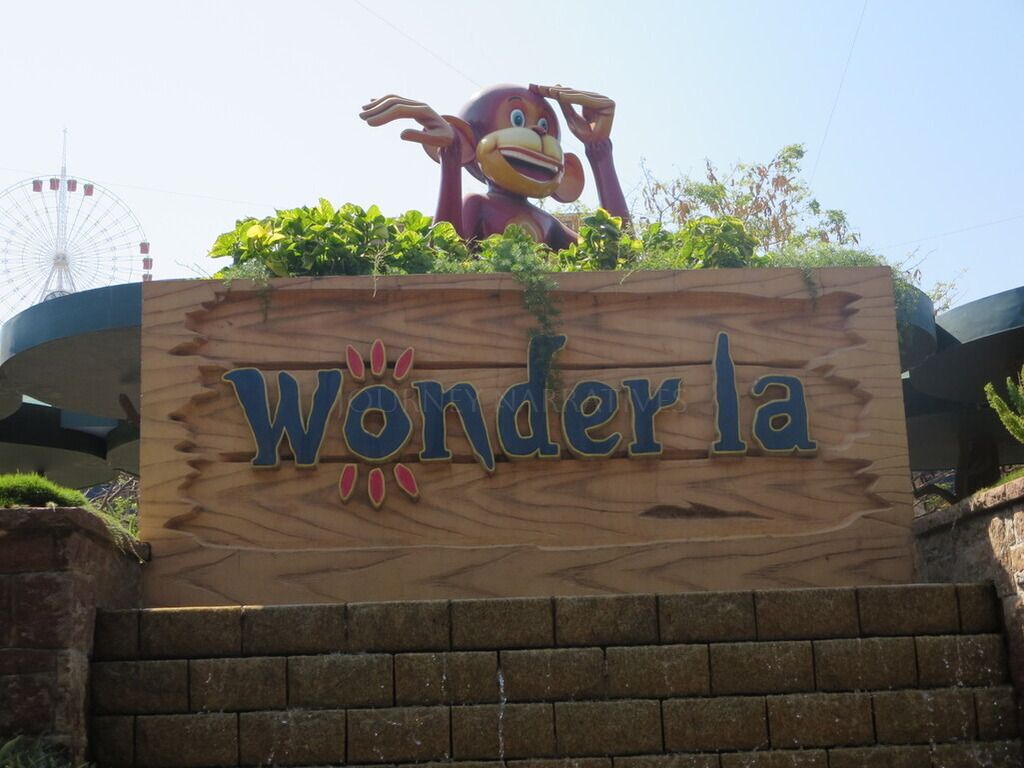
Wonderla Amusement Park Bengaluru: 11 Exciting Things You Must Know Before Visiting
Wonderla Amusement Park Bengaluru is one of the most exciting destinations for thrill-seekers and families looking for a fun day out near the city. Located on Mysore Road, this popular theme park offers high-adrenaline rides, refreshing water attractions, and well-maintained facilities that make it stand out among entertainment options in Karnataka. To plan your trip efficiently, check out our Bengaluru Travel Guide for a complete overview of the city’s top attractions and travel tips. 1. Location & How to Reach Wonderla Amusement Park Bengaluru is situated around 28 km from the city centre on Mysore Road. You can reach it by: Travel time usually ranges from 1 to 1.5 hours depending on traffic conditions. 2. It’s More Than Just a Theme Park Wonderla isn’t only about roller coasters. It combines: This makes it suitable for mixed age groups. 3. Recoil is the Star Attraction One of the biggest highlights of Wonderla Amusement Park Bengaluru is Recoil, India’s first reverse looping roller coaster. It moves forward and backward, delivering an intense adrenaline rush. If you love high-thrill rides, this one is unmissable. 4. Weekdays Are Much Better If you prefer shorter queues and a relaxed experience, plan your visit on a weekday. Weekends and public holidays tend to be crowded, especially during school vacations. 5. Water Rides Are the Real Crowd Pullers The water park section often becomes the most popular area, especially during summer. Must-try attractions include: Carry appropriate swimwear as per park guidelines. 6. Fast Track Tickets Save Time Wonderla offers Fast Track tickets, which reduce waiting time significantly. If you are visiting during peak season, this option can help you experience more rides in one day. 7. Lockers & Changing Rooms Are Available Wonderla Amusement Park Bengaluru provides: This makes the water park experience convenient and hassle-free. 8. Food Options Are Decent but Limited Inside the park, you’ll find multiple food courts offering: Outside food is generally not allowed, so plan your meals accordingly. 9. Safety Standards Are Well Maintained One of the reasons Wonderla is popular is its focus on safety. This makes it suitable even for families with children. 10. It’s a Full-Day Commitment You’ll need at least 6–8 hours to experience most of the rides comfortably. Arriving early in the morning gives you maximum ride coverage before crowds build up. 11. It Works Well in a Bengaluru Itinerary If you’re planning a city itinerary, Wonderla Amusement Park Bengaluru pairs well with urban sightseeing. You could: For a broader travel plan, you can explore our detailed Karnataka Travel Guide, where we cover cultural cities, hill stations, and weekend escapes across the state. Best Time to Visit Wonderla Amusement Park Bengaluru Weekdays remain the best choice for a smoother experience. Is Wonderla Amusement Park Bengaluru Worth Visiting? Yes — Wonderla Amusement Park Bengaluru is absolutely worth visiting if you’re looking for a high-energy escape from the routine pace of city life. With its mix of adrenaline-pumping rides, well-maintained water attractions, strong safety standards, and organized facilities, the park offers a complete entertainment experience for families, friends, and corporate groups alike. While it may not be a quiet or cultural attraction, it delivers exactly what it promises — a full day of thrill, laughter, and shared memories. If you’re planning a balanced Karnataka itinerary that combines heritage, nature, and modern entertainment, Wonderla makes a fun and refreshing addition. If you’re planning a broader journey, browse our India Travel Guide for diverse travel experiences across the country. For wider inspiration, explore our Asia Travel Guide and uncover unique destinations across the continent.
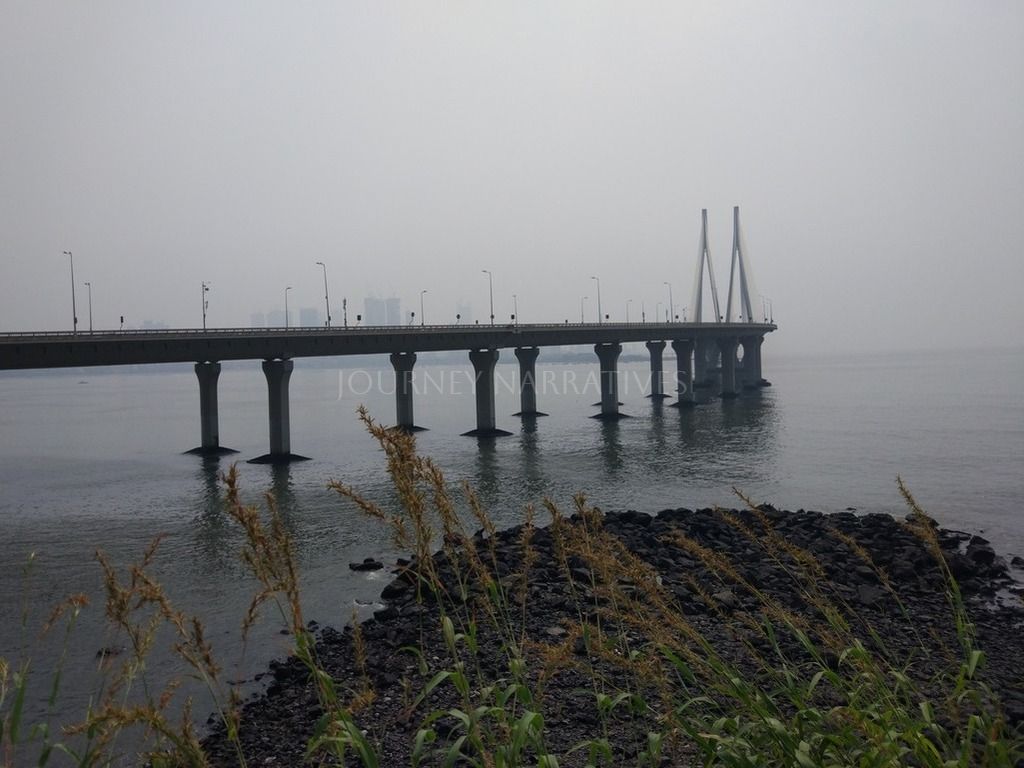
9 Captivating Reasons Bandra Worli Sea Link Defines Modern Mumbai
Bandra Worli Sea Link is not just a bridge—it’s one of the most defining symbols of modern Mumbai. Stretching gracefully across the sea, this architectural marvel connects the neighborhoods of Bandra and Worli while offering one of the most breathtaking urban views in India. Officially known as the Rajiv Gandhi Sea Link, it represents Mumbai’s ambition, growth, and evolving identity. While admiring the engineering brilliance of Bandra Worli Sea Link, explore more city highlights in our Mumbai Travel Guide. For travelers, witnessing the Bandra Worli Sea Link is less about reaching a destination and more about experiencing a feeling—one of awe, freedom, and admiration. A Drive That Feels Truly Extraordinary Crossing the sea link is an experience unlike any other in Mumbai. As your vehicle moves smoothly over the bridge, surrounded by open sky and endless water, the city suddenly feels calmer and more beautiful. The usual chaos of traffic fades away, replaced by a rare sense of peace. For a few minutes, you’re not just commuting—you’re witnessing something special. Bandra Worli Sea Link Showcases Mumbai’s Modern Identity The Bandra Worli Sea Link stands as a powerful reflection of Mumbai’s progress. It shows how the city blends ambition with innovation, creating infrastructure that is both functional and inspiring. The bridge has become a symbol of modern Mumbai, often featured in films, photographs, and travel stories. It represents a city that never stops moving forward. Stunning Views of the Arabian Sea One of the most captivating aspects of the sea link is its panoramic view of the Arabian Sea. The vast blue waters stretching endlessly on both sides create a mesmerizing visual experience. During sunrise and sunset, the beauty becomes even more magical, with the sky painted in soft hues of gold and orange. A Marvel of Engineering and Design Even if you’re not interested in engineering, it’s impossible not to admire the structure itself. The towering cables, elegant curves, and massive scale make it a true architectural masterpiece. Knowing that such a structure was built over the sea makes the experience even more impressive. It Has Transformed How Mumbai Travels Before the sea link existed, traveling between Bandra and Worli could take a very long time. Today, the bridge has significantly reduced travel time and made commuting easier. For locals, it’s a daily convenience. For visitors, it’s a fascinating example of how infrastructure can change a city. A Favorite Among Photographers and Travelers The sea link is one of the most photographed landmarks in Mumbai. Whether viewed from afar or experienced while crossing, it offers endless opportunities for beautiful memories. Many travelers consider seeing the bridge an essential part of their Mumbai visit. The Experience Feels Different Every Time Interestingly, no two crossings feel exactly the same. Weather, light, and time of day all change the experience. Sometimes the sea looks calm and peaceful. Other times, it feels dramatic and powerful. Each visit offers something unique. It Connects More Than Just Two Places Beyond its physical function, the sea link connects emotions, dreams, and experiences. It has become part of Mumbai’s story and identity. For many people, it represents progress, hope, and possibility. A Landmark That Defines the City’s Spirit Some structures become more than landmarks—they become symbols. The Bandra Worli Sea Link is one of them. It captures the essence of Mumbai: bold, resilient, and endlessly inspiring. For a complete city itinerary, don’t miss our guide on 15 Best Things to Do in Mumbai for an Unforgettable Experience. A Modern Icon Worth Experiencing The Bandra–Worli Sea Link is not a typical tourist attraction where you stop and explore. Instead, it’s something you experience, feel, and remember. It reminds you that Mumbai is not just about its past, but also about its future. Whether you’re visiting for the first time or have seen it many times before, the sea link never fails to leave an impression. It’s a simple journey across water—but one that beautifully captures the soul of modern Mumbai. If you’re exploring more iconic destinations like this, don’t miss my detailed Maharashtra Travel Guide, where I’ve shared the most memorable places and experiences across the state. Planning a wider trip? Explore our India Travel Guide for diverse destinations across the country. You can also browse the Asia Travel Guide for more iconic urban experiences beyond India.
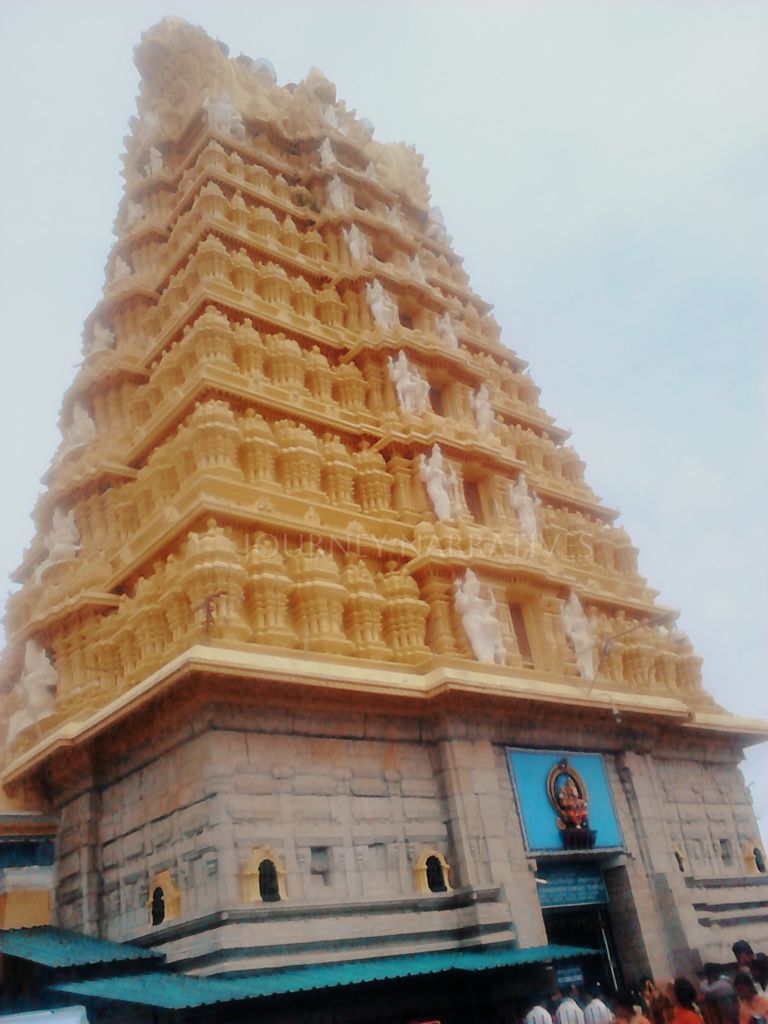
4 High-Value Stops That Make a Chamundi Hills Visit Worth Every Rupee
A Chamundi Hills visit is often rushed into a single temple stop, followed by a quick exit. When done this way, it can feel crowded, tiring, and oddly expensive for the amount of time spent. The real value of Chamundi Hills comes from slowing down and recognising that several meaningful stops sit within the same stretch—without demanding extra travel or spend. Planned thoughtfully, this short hill visit offers spiritual depth, city views, quiet pauses, and cultural context, all without stretching your budget. The planning approach used here reflects a way of shaping outings around realistic spending, where value comes from sequencing stops well rather than adding more places. 1. Chamundeshwari Temple During Low-Crowd Hours The Chamundeshwari Temple is the centrepiece of the hill, but timing determines whether it feels peaceful or exhausting. Early mornings or late afternoons allow smoother darshan, shorter waiting times, and less pressure to opt for paid queue shortcuts. Visiting during calmer hours also reduces the need for extra food or rest stops caused by long standing times. Why this adds value:You experience the temple fully without paying for convenience-driven upgrades. 2. Nandi Statue Stop Without Rushing Past It Many visitors treat the Nandi statue as a photo stop, but spending a few quiet minutes here offers both cultural context and a mental pause between temple and viewpoints. Since it lies directly on the route, stopping here adds depth without adding distance, tickets, or transport costs. Why this adds value:Meaningful engagement at no additional cost enhances the overall visit. To ensure peace of mind while traveling or living abroad, we recommend getting health insurance. SafetyWing’s Essential plan covers travel and medical emergencies with options for adventure sports and electronics theft. Their Complete plan offers comprehensive health coverage with routine healthcare, mental health support, and maternity, anywhere in the world, including in your home country, on top of all Essential benefits. 3. City Viewpoint Instead of Multiple Scenic Detours Chamundi Hills offers panoramic views of Mysuru that rival paid viewpoints elsewhere. Choosing one clear viewing spot and spending time there—rather than hopping between multiple points—keeps the visit relaxed and focused. Early evening visits often provide the best balance of light, breeze, and atmosphere. Why this adds value:One well-chosen viewpoint delivers the experience without extra movement or spending. 4. Short Walks Around the Hill Instead of Extra Attractions Small walking stretches around the hill roads or quieter edges often go unnoticed. These walks cost nothing but offer shade, silence, and perspective—something crowded attractions rarely provide. They also reduce the temptation to extend the trip into paid spots elsewhere in the city just to “fill time.” Why this adds value:Walking replaces spending while improving the quality of the experience. Closing Thought – Chamundi Hills Visit A Chamundi Hills visit feels worth every rupee when it’s treated as a sequence of meaningful pauses rather than a checklist. With the right timing and a few deliberate stops, the hill offers far more than its reputation suggests—without asking for more money. That’s when a short visit feels complete instead of compressed. Travellers planning short cultural stops within larger journeys can use the structured spending approach explained in 4 Practical Budget-Friendly India Travel Itineraries Built Around Realistic Travel Costs to decide which experiences genuinely add value.
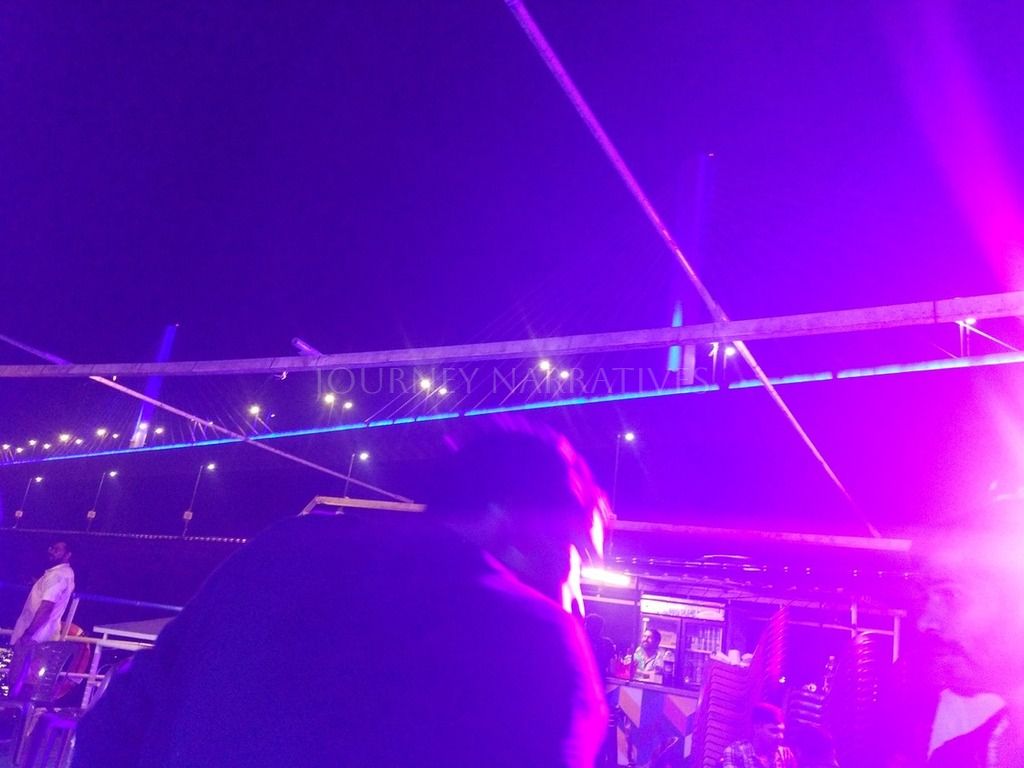
3 Dreamlike Moments on the Mandovi River Cruise, Panaji: A Great Night Time Travel Experience in India That Lingers
A night time travel experience in India often feels less observed and more felt—and the Mandovi River Cruise in Panaji is a perfect example. As daylight fades and the river reflects scattered lights from the shoreline, travel takes on a dreamlike quality that feels detached from routine and time. Unlike daytime sightseeing, this experience unfolds slowly, inviting travelers to absorb atmosphere, sound, and movement. It is one of those journeys that does not seek attention, yet lingers quietly in memory. Even within well-known destinations, unique experiences such as the Mandovi River cruise add a different dimension to journeys across India. Why the Mandovi River Cruise Defines a Night-Time Travel Experience in India The Mandovi River transforms after sunset. The familiar becomes unfamiliar, and the ordinary takes on a cinematic stillness. Movement across water at night creates a sense of suspension—where moments stretch and awareness sharpens. As part of India’s most evocative night-time travel experiences, the Mandovi cruise shows how darkness does not hide experiences—it reshapes them, allowing emotion and reflection to surface naturally. 1. When the River Reflects Light Instead of Land One of the most dreamlike moments on the Mandovi River Cruise is watching the water mirror scattered lights from boats, casinos, and distant banks. The reflections move constantly, never settling into a fixed image. This moment highlights why night time travel experience in India feel surreal. The lack of visual certainty encourages imagination, turning simple observation into quiet introspection. This reflective pause mirrors the emotional stillness described in our blog “7 Unforgettable Travel Experiences in India That Stir the Soul, Spark Joy, and Stay With You Forever,” where memory forms through presence rather than pace. 2. Music, Movement, and the Feeling of Timelessness As music fills the air and movement flows across the deck, time begins to feel less linear. The rhythm is gentle, unforced, and immersive rather than overwhelming. This moment captures an essential aspect of meaningful night time travel experience in India—joy without urgency. The experience is not about performance or spectacle, but about shared atmosphere and collective rhythm. 3. Floating Between Stillness and Celebration Perhaps the most lasting moment comes from the contrast itself—the calm river beneath and the soft energy above. The cruise exists in a balance between stillness and celebration, allowing travelers to engage at their own pace. This duality is what makes the Mandovi River Cruise linger in memory. It offers freedom—to observe quietly, to participate, or simply to exist within the moment. What Night-Time Travel Experiences Reveal About How We Remember Journeys Night time travel experience in India tend to bypass logic and move directly into emotion. Without the pressure to see everything clearly, travelers rely on feeling rather than form. The Mandovi River Cruise demonstrates how memory is shaped not by landmarks, but by atmosphere, rhythm, and emotional openness—elements that only night can provide. As cities wind down, experiences like this reveal a quieter, more reflective side of travel often found across Asia. When the Night Becomes the Memory The Mandovi River Cruise does not conclude with a single defining moment or dramatic finale. Instead, it dissolves quietly—lights dim, music softens, and the river continues its steady flow into the darkness. Much like a dream, the experience does not demand closure. It simply fades, leaving behind a feeling rather than a sequence of events. This gentle ending is what allows the memory to remain intact. Without a highlight to compete for attention, the mind holds onto the atmosphere—the rhythm of movement, the glow of reflections on water, and the sense of time temporarily slowing down. These impressions settle naturally, unforced and undisturbed. As a night time travel experience in India that lingers, the Mandovi River Cruise reveals an important truth about meaningful journeys. Not all travel moments need to announce themselves. Some experiences stay precisely because they were quiet, immersive, and deeply felt rather than loudly remembered.
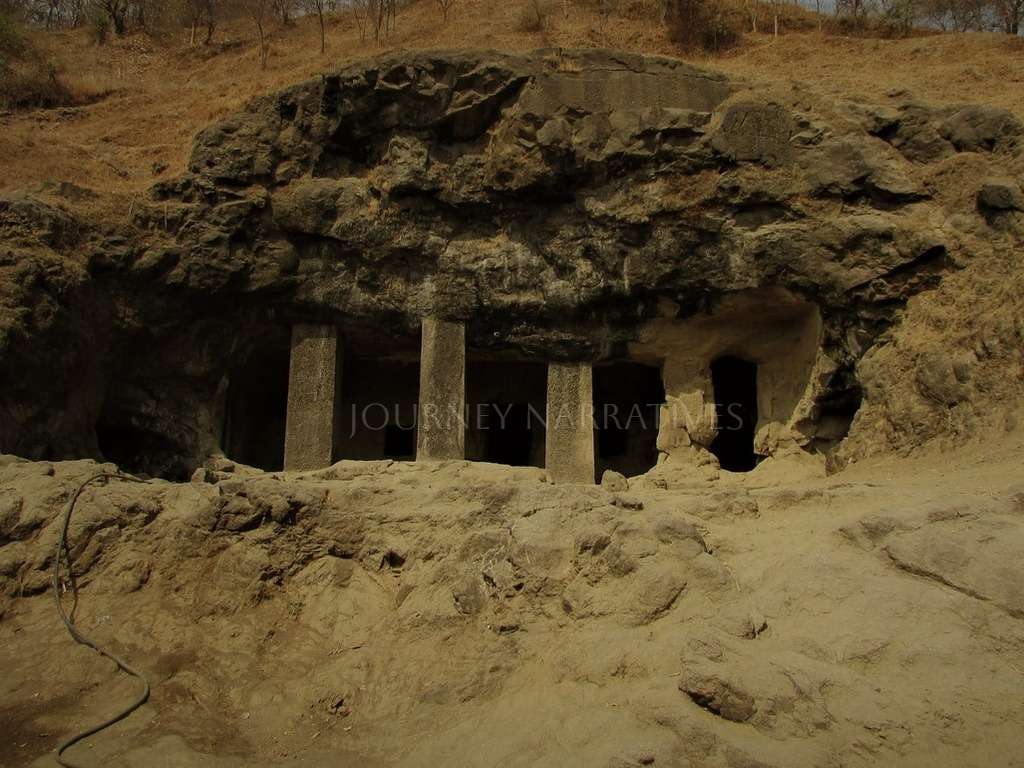
42 Most Beautiful World Heritage Sites in India: A Complete Travel Guide
India, with its deep-rooted history, diverse landscapes, and vibrant cultures, is home to an impressive collection of UNESCO World Heritage Sites. These sites are recognized for their cultural, natural, and mixed significance, preserving the incredible stories of ancient civilizations, architectural marvels, and natural wonders. As of 2026, India has 42 UNESCO World Heritage Sites, making it one of the countries with the most heritage sites in the world. Let’s explore the list of these extraordinary sites, categorized into Cultural, Natural, and Mixed heritage sites. Cultural World Heritage Sites in India These sites showcase India’s architectural brilliance, historical significance, and cultural heritage. Agra Fort (Uttar Pradesh) Agra Fort, located in Uttar Pradesh, is a grand 16th-century red sandstone fortress built by the Mughal emperor Akbar. This UNESCO World Heritage Site, known for its stunning architecture and historical significance, served as the main residence of the Mughal emperors for several generations. With its majestic gates, towering walls, and intricate carvings, Agra Fort offers a glimpse into the opulence of the Mughal era. It also houses several important structures, including the Jahangir Palace, Diwan-i-Aam, and the exquisite Shah Jahan’s marble mosque. A must-visit for history and architecture enthusiasts, Agra Fort stands as a testament to India’s rich cultural heritage. (Detailed guide coming soon.) Ajanta Caves (Maharashtra) The Ajanta Caves are ancient rock-cut Buddhist monuments dating back to the 2nd century BCE. These caves, known for their intricate paintings and sculptures, depict the life of Buddha and various Buddhist teachings. The stunning murals and carvings in these caves are masterpieces of ancient Indian art and a significant part of India’s cultural heritage. (Detailed guide coming soon.) Ellora Caves (Maharashtra) The Ellora Caves represent a unique blend of Hinduism, Buddhism, and Jainism, with 34 rock-cut temples carved into volcanic rock. These awe-inspiring structures, built between the 5th and 10th centuries, showcase elaborate sculptures and intricate architecture, including the renowned Kailasa Temple, the world’s largest monolithic structure. (Detailed guide coming soon.) Taj Mahal (Uttar Pradesh) The Taj Mahal, a symbol of eternal love, is a breathtaking white marble mausoleum built by Mughal Emperor Shah Jahan in memory of his wife Mumtaz Mahal. This one of the UNESCO World Heritage Sites, with its stunning architecture, lush gardens, and reflecting pools, is a masterpiece of Mughal art and one of the world’s most iconic landmarks. (Detailed guide coming soon.) Sun Temple, Konark (Odisha) The Sun Temple at Konark, built in the 13th century, is a monumental chariot-shaped temple dedicated to the Sun God. The intricate carvings on its walls and the massive wheels of the chariot reflect the temple’s astronomical significance and the grandeur of ancient Indian architecture. (Detailed guide coming soon.) Group of Monuments at Mahabalipuram (Tamil Nadu) The Group of Monuments at Mahabalipuram, dating from the 7th and 8th centuries, includes rock-cut temples, rathas (chariots), and bas-reliefs. These masterpieces of Dravidian architecture, carved from granite, are a testament to the artistic and architectural brilliance of the Pallava dynasty. To explore these ancient marvels in greater depth, read our detailed guide on Mahabalipuram Heritage Sites: 10 Mesmerizing Places That Reveal Its Timeless Coastal Charm, where we uncover the Shore Temple, Pancha Rathas, and other iconic treasures. Kaziranga National Park (Assam) Kaziranga National Park is a natural paradise, known for its rich biodiversity and a major conservation site for the endangered one-horned rhinoceros. Located in Assam, this UNESCO site is celebrated for its unique combination of natural beauty and cultural preservation, attracting wildlife enthusiasts from around the world. (Detailed guide coming soon.) Fatehpur Sikri (Uttar Pradesh) Fatehpur Sikri, the former capital of Mughal Emperor Akbar, is a Mughal architectural wonder. This fortified city, built in the late 16th century, is a beautiful blend of Indo-Islamic architecture, featuring grand palaces, mosques, and gateways that reflect the empire’s cultural diversity and grandeur. (Detailed guide coming soon.) Churches and Convents of Goa The Churches and Convents of Goa, including the famous Basilica of Bom Jesus, represent the rich Portuguese colonial legacy. These beautiful churches and convents, built in the 16th and 17th centuries, are a remarkable example of Portuguese architecture and religious art in India. (Detailed guide coming soon.) Khajuraho Group of Monuments (Madhya Pradesh) The Khajuraho Group of Monuments is one of the UNESCO World Heritage Sites famous for its exquisite sculptures that depict human life, including erotic art. Built between 950 and 1050 CE, these temples, with their detailed carvings and intricate architecture, showcase the creative genius of the Chandela dynasty. (Detailed guide coming soon.) Group of Monuments at Hampi (Karnataka) The Group of Monuments at Hampi is a remarkable archaeological site showcasing the grandeur of the Vijayanagara Empire. The ruins of temples, palaces, and other structures, built in the 14th to 16th centuries, reflect the Dravidian architectural style and provide a glimpse into India’s medieval history. For a deeper exploration of these magnificent ruins, read our detailed guide on Hampi Heritage Sites: 11 Awe-Inspiring Monuments That Reveal the Glory of Vijayanagara. Group of Monuments at Pattadakal (Karnataka) The Group of Monuments at Pattadakal features a blend of North and South Indian architectural styles. Built between the 7th and 8th centuries, the temples here represent the peak of Chalukya architecture and are known for their intricate carvings and striking structural designs. (Detailed guide coming soon.) Elephanta Caves (Maharashtra) The Elephanta Caves, located on an island near Mumbai, feature rock-cut sculptures and temples dedicated to Hindu deities, primarily Lord Shiva. The cave complex, dating back to the 5th to 8th centuries, is renowned for its massive sculptures, including the Trimurti, a 20-foot depiction of Shiva. For a deeper look into the history, architecture, and lesser-known details of this rock-cut marvel, explore our dedicated guide on Elephanta Caves Mumbai: 6 Surprising Facts Most Travelers Don’t Know. Great Living Chola Temples (Tamil Nadu) The Great Living Chola Temples, including the Brihadeeswarar Temple (Thanjavur), Gangaikonda Cholapuram, and Airavatesvara Temple at Thanjavur, are magnificent examples of Dravidian architecture. Built by the Chola dynasty, these temples are a testament to the artistic and architectural