
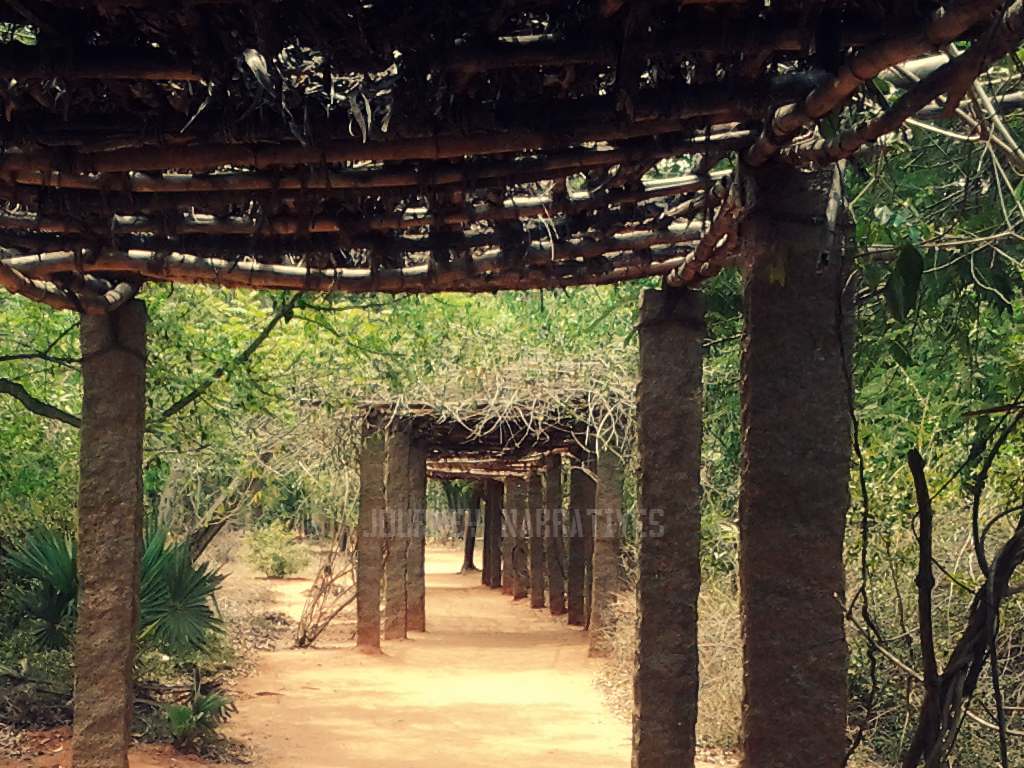
There are places you visit for sightseeing, and then there are places like Auroville, which you visit for a feeling. Located near Pondicherry, Auroville isn’t defined by monuments or attractions in the usual sense. Instead, it invites you into an atmosphere of calm, curiosity, and quiet transformation. Founded in 1968 as an experimental universal township, Auroville was envisioned as a place where people from around the world could live in harmony beyond nationality, religion, or politics. Today, travellers come here not just to see—but to slow down, reflect, and experience something different. If experiences like this resonate with you, explore more unique and meaningful destinations in our Tamil Nadu Travel Guide. Here are eight experiences that reveal the true magic of Auroville. Begin with the Golden Heart: Matrimandir At the centre of Auroville stands the striking Matrimandir, a golden spherical structure that seems almost unreal against the green landscape. But this isn’t a tourist attraction in the traditional sense. It’s a space for silence. Even if you only view it from the outside at the designated viewpoint, the experience feels special. The quiet surroundings and the intention behind its creation make it the emotional core of Auroville. Walk Through Spaces Designed for Stillness Auroville isn’t meant to be rushed. Its pathways wind through forests, open land, and peaceful communities. As you walk, you’ll notice: It’s a rare kind of calm. Discover a Different Way of Living One of the most fascinating aspects of Auroville is its lifestyle. Here, people live simply. Sustainability, creativity, and mindful living shape daily routines. You’ll see eco-friendly buildings, solar panels, and spaces built to coexist with nature rather than overpower it. It offers a glimpse into what a more balanced life could look like. Spend Time at the Visitor’s Centre The Auroville Visitor’s Centre is the best place to understand the township’s purpose and philosophy. You’ll find: It’s informative without feeling overwhelming. Experience the Quiet Joy of Cycling One of the best ways to explore Auroville is by bicycle. Cycling here feels different because there’s no urgency. The roads pass through shaded areas and peaceful surroundings, making the journey itself enjoyable. It’s not about reaching somewhere—it’s about being present along the way. Pause for a While at Serenity Beach Nearby Just a short distance away lies Serenity Beach, a calm coastal stretch that perfectly complements the Auroville experience. Watching the waves here, especially during sunrise, feels deeply soothing. Notice the Art, Creativity, and Expression Creativity is everywhere in Auroville. You’ll come across: Everything reflects individuality and thought. Carry Back Something More Than Memories Many visitors say Auroville doesn’t feel like a typical destination. You may not leave with dramatic photos or busy itineraries—but you leave with something quieter: A sense of pause. A sense of perspective. And sometimes, a sense of yourself. When to Visit for the Best Experience Best months: November to MarchBest time of day: Morning or late afternoonIdeal duration: Half-day to full day Avoid peak afternoon heat for a more comfortable visit. Places like this reveal a different side of the country—discover more through our India Travel Guide. A Place That Stays With You Auroville may not be loud or dramatic—but that’s exactly its strength. It offers something rare in today’s fast-moving world: space to breathe, observe, and simply exist. For journeys that go beyond typical travel and explore deeper cultural and spiritual spaces, browse our Asia Travel Guide for inspiration.
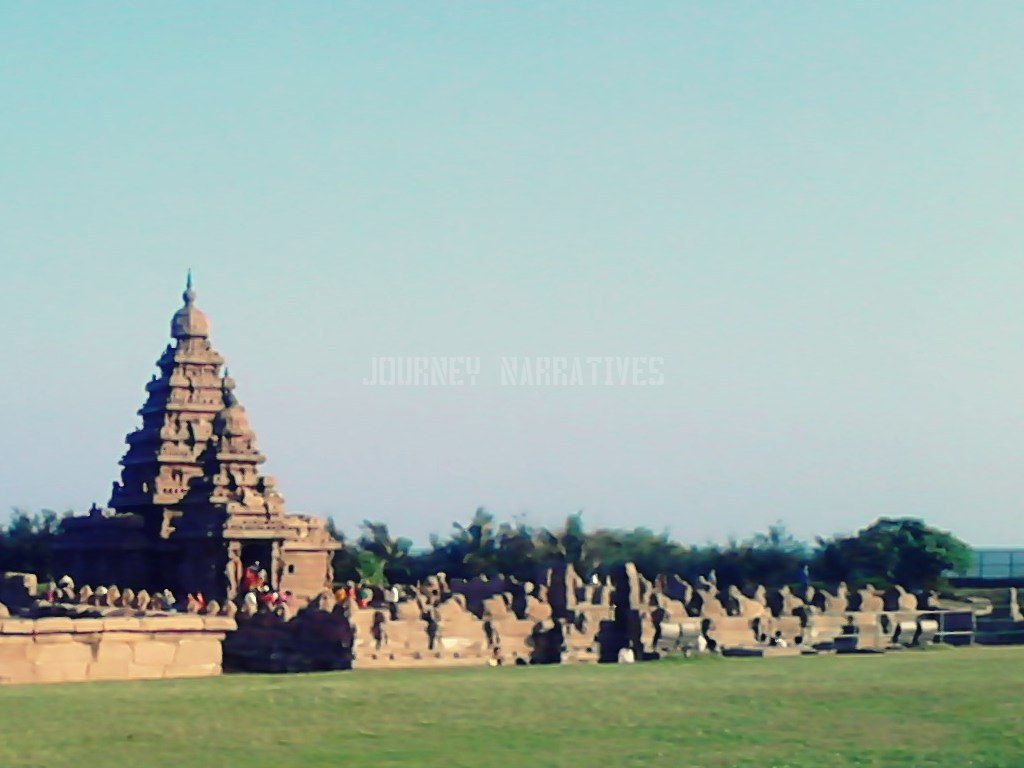
Mahabalipuram Heritage Sites: 10 Mesmerizing Places That Reveal Its Timeless Coastal Charm
Mahabalipuram heritage sites stand as some of the most extraordinary reminders of India’s ancient artistic and spiritual legacy. Set along the windswept Coromandel Coast of Tamil Nadu, Mahabalipuram—also known as Mamallapuram—is a historic town where stone temples, rock-cut monuments, and mythological carvings have endured for over 1,300 years. These monuments are not just architectural achievements; they represent devotion, storytelling, and the cultural vision of South India’s Pallava rulers. Today, Mahabalipuram heritage sites continue to inspire travelers, historians, and spiritual seekers exploring India’s cultural and heritage landscape. Why Mahabalipuram Heritage Sites Are So Culturally Significant The importance of Mahabalipuram heritage sites goes far beyond their visual beauty. Built primarily during the reign of the Pallava Dynasty, these monuments mark a turning point in South Indian temple architecture. Mahabalipuram was once a thriving port city, connecting India with Southeast Asia, and its temples symbolized both religious devotion and royal influence. Many of these monuments are now protected as part of a UNESCO World Heritage Site, recognizing their global cultural value. Travelers exploring India’s sacred destinations will find Mahabalipuram to be a meaningful stop alongside other historic spiritual centres. 1. Shore Temple – Mahabalipuram’s Most Iconic Coastal Monument The Shore Temple is the crown jewel of Mahabalipuram heritage sites. Built in the 8th century, this granite temple stands just meters away from the Bay of Bengal, facing centuries of ocean winds and storms. Why it stands out: Its silhouette against the sea has become a symbol of Mahabalipuram itself. 2. Pancha Rathas – Architectural Experiments in Stone The Pancha Rathas are five monolithic structures carved entirely from single granite rocks. Each ratha reflects a different temple design, showing the evolution of Dravidian architecture. Walking among them feels like stepping into an ancient sculptor’s workshop frozen in time. 3. Arjuna’s Penance – A Story Carved on Living Rock This massive open-air rock relief is one of the largest in the world. It depicts scenes from Hindu epics, including gods, sages, animals, and celestial beings. Every figure tells a story, inviting visitors to pause and observe its details. 4. Krishna’s Butter Ball – Mahabalipuram’s Gravity-Defying Wonder This enormous natural boulder appears to balance impossibly on a sloping rock surface. Despite its appearance, it has remained unmoved for centuries. It adds mystery and curiosity to Mahabalipuram’s historic landscape. 5. Varaha Cave Temple – Sacred Stories in Stone This rock-cut temple features carvings of Lord Vishnu in his Varaha incarnation. The detailed sculptures demonstrate the spiritual symbolism and artistic precision of Pallava craftsmen. It remains a peaceful and powerful heritage site. 6. Mahabalipuram Beach – Where Heritage Meets the Horizon The beach here is not just scenic—it is part of Mahabalipuram’s history as an ancient port. The sound of waves and the sight of temple towers create a deeply calming atmosphere. It connects nature with heritage. 7. Tiger Cave – A Hidden Cultural Treasure Tiger Cave features unique carvings resembling tiger faces. It was likely used for royal ceremonies and gatherings. Its quiet setting offers a different perspective on Mahabalipuram heritage sites. 8. Descent of the Ganges – Spiritual Symbolism on a Monumental Scale This monument represents the sacred descent of the River Ganges. The carvings symbolize purification, devotion, and divine connection. It reflects India’s deep spiritual traditions. 9. Olakkanesvara Temple – A Hilltop Heritage Viewpoint Located on a hill, this temple offers sweeping views of Mahabalipuram. It allows visitors to appreciate the scale and beauty of the entire heritage complex. 10. India Seashell Museum – Preserving Coastal Identity This museum highlights Mahabalipuram’s maritime connections. Its exhibits showcase marine life, coastal traditions, and ocean heritage. It adds depth to the town’s cultural story. Experiencing the Timeless Legacy of Mahabalipuram Heritage Sites Mahabalipuram heritage sites are more than historic monuments—they are living expressions of India’s cultural memory. They reveal: Travelers exploring India’s sacred holy cities and cultural destinations will find Mahabalipuram to be both inspiring and unforgettable. These monuments also stand among India’s most important heritage landmarks, alongside other historic sites that define the country’s spiritual and cultural identity. Mahabalipuram is just one of the many architectural treasures featured in our complete guide to the 42 Most Beautiful World Heritage Sites in India, where you can explore other iconic heritage landmarks across the country.

Best of Pondicherry: 12 Enchanting Experiences in India’s French Riviera
The Best of Pondicherry is not just about beaches — it’s about pastel streets, French architecture, café culture, spiritual spaces, and slow coastal mornings. This former French colony on India’s southeast coast feels distinctly different from other Indian beach destinations. If you’re looking for a place where colonial charm meets Tamil heritage and relaxed seaside living, Pondicherry offers an experience that feels both romantic and reflective. To plan your visit more efficiently, check out our detailed Pondicherry Travel Guide. Here are 12 enchanting experiences that define the best of Pondicherry. 1. Walk Through the French Quarter (White Town) No exploration of the best of Pondicherry is complete without wandering through White Town. Mustard-yellow villas, bougainvillea-covered walls, and quiet cobblestone lanes create a distinctly European atmosphere. Early mornings here feel especially magical. 2. Watch Sunrise at Rock Beach Rock Beach (Promenade Beach) is where the city wakes up. Locals walk, jog, and gather as the sun rises over the Bay of Bengal. It’s simple, open, and calming. 3. Visit Sri Aurobindo Ashram One of the spiritual anchors of Pondicherry, the Ashram draws seekers from around the world. The quiet meditation spaces encourage introspection and stillness. 4. Explore Auroville and the Matrimandir A short drive away, Auroville represents an experimental township rooted in unity and sustainability. The golden Matrimandir stands as its symbolic centerpiece. 5. Indulge in French-Tamil Café Culture From croissants and baguettes to filter coffee and seafood curries, Pondicherry’s food scene blends cultures beautifully. Popular cafés and rooftop restaurants add to the relaxed charm. 6. Relax at Serenity Beach For a quieter coastal experience, Serenity Beach offers soft sands and a peaceful vibe away from the main promenade. It’s ideal for sunrise visits and photography. 7. Discover Heritage at the Pondicherry Museum The museum showcases colonial furniture, sculptures, and relics from the French era — adding historical context to your walk through the town. 8. Shop for Handmade & Local Crafts Boutiques in White Town and Mission Street offer handmade paper, organic products, incense, and local handicrafts. Shopping here feels curated rather than commercial. 9. Visit Basilica of the Sacred Heart of Jesus This Gothic-style church adds architectural diversity to the cityscape and reflects Pondicherry’s layered colonial past. 10. Take a Bicycle Ride Through Quiet Streets Cycling through French Quarter lanes in the early morning is one of the most immersive ways to experience the best of Pondicherry. The streets feel calm and almost cinematic. 11. Enjoy a Rooftop Dinner by the Sea Evenings in Pondicherry are best spent with ocean views, soft lighting, and a mix of continental and coastal cuisine. The ambiance often becomes as memorable as the meal. 12. Slow Down and Embrace the Rhythm More than anything, the best of Pondicherry lies in its pace. It encourages you to slow down — to sit longer at cafés, walk without rushing, and observe architectural details. It’s a destination that feels lived-in rather than staged. Coastal destinations like Pondicherry offer a unique cultural mix—discover more in our Asia Travel Guide. Best Time to Visit Pondicherry October to March offers pleasant coastal weather. Summers can be humid, while monsoon brings greenery but occasional rain interruptions. How Pondicherry Fits Into a South India Itinerary Pondicherry pairs well with: Extend your journey beyond the coast by exploring cultural highlights in our Tamil Nadu Travel Guide. Is Pondicherry Worth Visiting? Yes — especially if you enjoy destinations with personality. The best of Pondicherry is not about grand monuments but about atmosphere. Through colonial architecture, café culture, spirituality, and sea breeze evenings, the town creates an experience that feels intimate and distinctive. Experiences like these reflect the diversity of travel in the country—explore more in our India Travel Guide.
Borra Caves: 5 Ancient Rock Chambers Shaped by Underground Rivers and Silent Decay
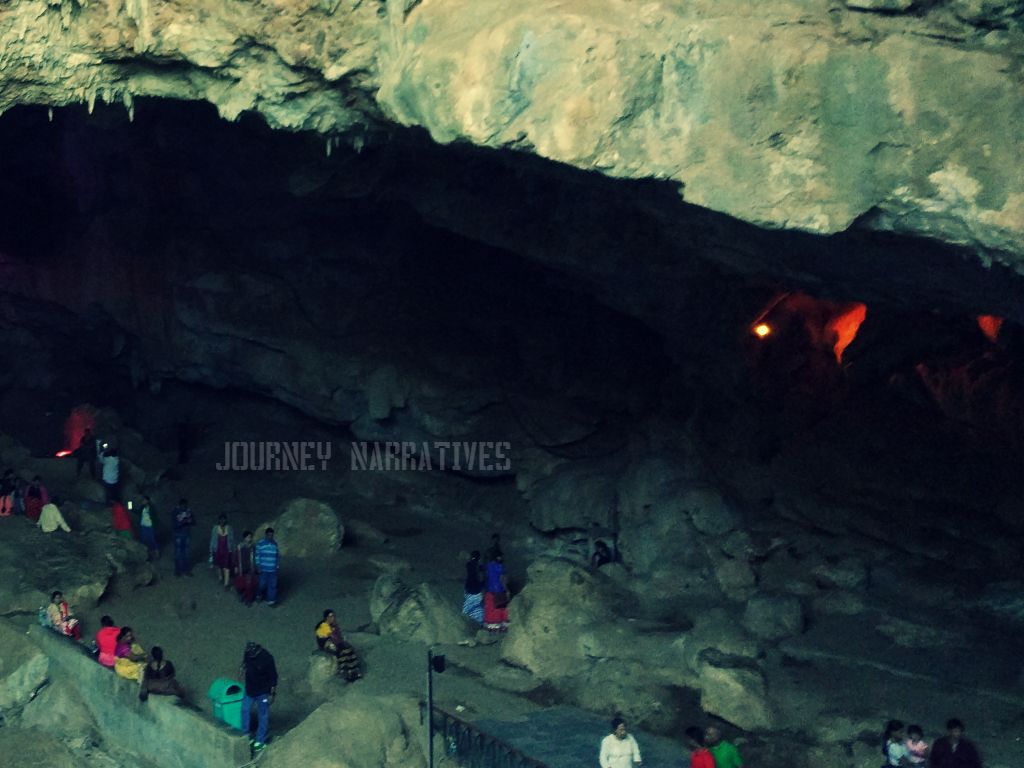
Hidden deep within the Eastern Ghats of Andhra Pradesh, Borra Caves stand as one of India’s most fascinating examples of how water quietly shapes the earth over unimaginable spans of time. Far from being just a tourist attraction, these limestone caves are a geological archive — recording millions of years of underground river activity, mineral deposits, and natural erosion. Formed by the persistent flow of water through soluble rock, Borra Caves reveal how rivers do not only carve valleys and forests above ground, but also create vast chambers beneath the surface. This editorial exploration looks at five defining rock chambers and formations that together narrate the slow, powerful relationship between water and stone. 1. The Grand Entrance Chamber: Where the River First Spoke The moment water began seeping into cracks within limestone, Borra Caves began to take shape. The entrance chamber — wide, tall, and dramatic — represents the earliest stage of this process. Over time, underground streams dissolved calcium carbonate, gradually widening fissures into expansive hollows. This chamber sets the tone for the entire cave system. Its scale demonstrates how steady water movement, rather than sudden force, creates some of nature’s most enduring structures. Dripping water continues to shape the ceiling and walls even today, reminding visitors that the caves are still evolving. 2. The Stalactite Hall: Stone Formed Drop by Drop One of the most striking sections of Borra Caves is the hall filled with stalactites hanging from the ceiling like frozen waterfalls. These formations are the direct result of mineral-rich water dripping slowly over thousands of years. Each drop leaves behind microscopic deposits of calcium carbonate. Over centuries, these deposits grow downward, creating elongated stone icicles. The stalactite hall illustrates how rivers don’t need speed to leave an impact — patience alone is enough to sculpt stone. 3. The Stalagmite Floor: Rising Forms from the Riverbed Directly beneath the stalactites, the cave floor tells a complementary story. Here, stalagmites rise upward as mineral-laden water splashes onto the ground and evaporates. Together, stalactites and stalagmites form pillars when they eventually meet — a rare but powerful symbol of geological time completing a cycle. This chamber highlights the balance between erosion and deposition. While rivers carve rock away in some places, they simultaneously build it elsewhere, shaping caves as dynamic systems rather than static spaces. 4. The Cathedral Chamber: Nature’s Underground Architecture Often compared to a natural cathedral, this vast chamber features towering rock columns and arched ceilings formed entirely by water-driven processes. Over millennia, underground rivers altered their flow paths, expanding some chambers while abandoning others. The resulting space feels architectural, yet entirely organic. No two formations are symmetrical, reinforcing the idea that nature’s designs are shaped by variables like water chemistry, flow speed, and rock composition rather than fixed patterns. 5. The Deep Passages: Traces of Ancient Underground Rivers Beyond the main chambers lie narrower passages and tunnels — remnants of ancient underground river routes. These corridors show where water once flowed more vigorously before geological shifts redirected its path. Smooth rock surfaces, curved walls, and polished stone floors indicate long periods of continuous water movement. Though many of these passages no longer carry active streams, they preserve the memory of rivers that once powered the cave’s expansion. Geological Significance of Borra Caves Borra Caves are estimated to be over a million years old, formed during the Pre-Cambrian era. Their limestone composition makes them particularly susceptible to water erosion, allowing underground rivers to carve elaborate systems unseen from the surface. Geologists study these caves to understand: In this way, Borra Caves serve as both a natural monument and a scientific record. Cultural and Ecological Context Beyond geology, Borra Caves hold cultural significance for local tribal communities, who associate various formations with mythological interpretations. The surrounding forest ecosystem benefits from the cave system as well, as underground water movement contributes to regional groundwater recharge. This connection between caves, rivers, forests, and communities reflects a broader environmental network — reinforcing how water sustains life both above and below ground. Why Borra Caves Matter in a Water-Shaped Landscape Narrative When viewed as part of a larger landscape story, Borra Caves represent the hidden dimension of river influence. While rivers are often celebrated for carving valleys, nourishing forests, and sustaining civilizations, caves reveal their quieter, subterranean work. They remind us that nature’s most dramatic transformations often happen slowly, invisibly, and without spectacle — shaped by time rather than force. Echoes Beneath the Surface Borra Caves stand as a powerful reminder that rivers do not end where they disappear underground. Long after surface waters change course or dry up, their legacy remains etched in stone chambers below. As part of the broader story of forest and river landscapes shaped by water and time, Borra Caves add depth — literally and metaphorically — to our understanding of how the earth is continuously rewritten by flowing water.
4 Refreshing Wildlife and Nature Travel Experiences in India’s Forests at Masinagudi
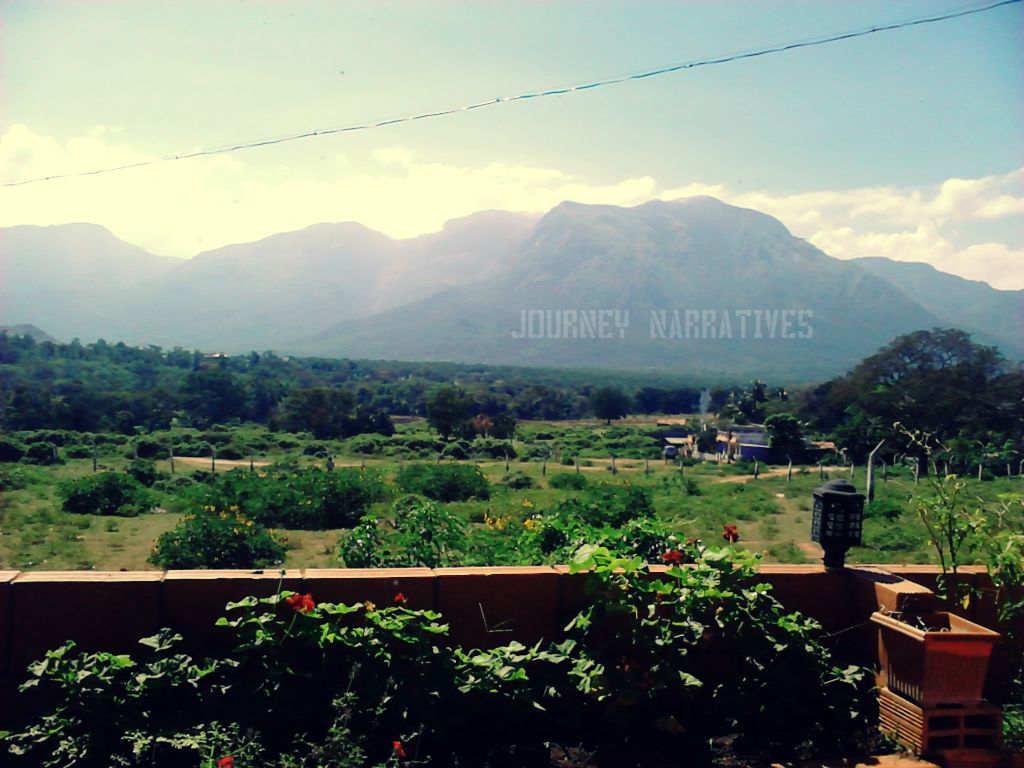
Wildlife and nature travel experiences in India offer a rare opportunity to slow down and reconnect with landscapes that remain largely untouched. In the forest region of Masinagudi, nature dictates the pace of travel. Surrounded by dense greenery, wildlife corridors, and open skies, this forest destination delivers a refreshing escape from structured itineraries and urban noise. Masinagudi stands as a reminder that some of India’s most memorable journeys begin where roads narrow and nature takes over. Why Masinagudi Represents Wildlife and Nature Travel Experiences in India Among the many wildlife and nature travel experiences in India, Masinagudi feels especially immersive. Located near the Nilgiri Biosphere Reserve, the region blends forest stays, open landscapes, and proximity to wildlife habitats into a single, cohesive experience. Here, the environment shapes every moment—early mornings are defined by bird calls, evenings by quiet forest light, and movement by the natural rhythm of the land. 1. Waking Up to the Sounds of the Forest The first refreshing experience begins at dawn. Instead of alarms or traffic, the forest wakes visitors through layered sounds—rustling leaves, distant animal calls, and birds greeting the morning. This sensory awakening sets the tone for nature-based travel, where awareness replaces urgency and presence becomes the primary experience. 2. Experiencing Wildlife Through a Jungle Safari A jungle safari in Masinagudi is not about guaranteed sightings—it is about observation and patience. Moving slowly through forest trails, travelers encounter a living ecosystem where wildlife appears on its own terms. This unpredictability is what makes safari travel one of the most authentic wildlife and nature travel experiences in India, grounded in respect rather than spectacle. 3. Rest and Renewal in a Forest Resort Setting Forest resorts in Masinagudi are designed to blend with the landscape rather than dominate it. Open spaces, minimal noise, and natural surroundings create an environment where rest feels organic. This quiet immersion allows travelers to reset mentally, reinforcing why nature travel often feels more restorative than conventional vacations. 4. Evenings Defined by Stillness and Space As daylight fades, Masinagudi reveals another layer of its experience—stillness. Evenings are marked by open skies, soft forest sounds, and a sense of distance from daily routines. This moment of pause becomes one of the most memorable aspects of forest travel, emphasizing how nature creates space not just physically, but mentally. What Masinagudi Teaches About Wildlife and Nature Travel Experiences in India Understanding Wildlife and Nature Travel Experiences in India Through Forest Regions Masinagudi demonstrates that wildlife and nature travel experiences in India are shaped by restraint. The forest does not perform—it exists. Travelers are invited to observe, adapt, and respect the environment rather than control it. This approach creates a deeper connection, where memory is formed through atmosphere and awareness rather than activity alone. Masinagudi’s Place in India’s Broader Travel Experience Nature and wildlife journeys play a crucial role in India’s travel story. They balance the intensity of cities and the grandeur of monuments by offering silence, scale, and simplicity. This forest experience is part of our blog, “7 Unforgettable Travel Experiences in India That Stir the Soul, Spark Joy, and Stay With You Forever,” where wildlife, coastal, urban, and cultural journeys come together. When Nature Leads, Travel Transforms Masinagudi shows that the most refreshing journeys are often the quietest ones. Without demanding attention, the forest leaves a lasting imprint through rhythm, space, and stillness. As one of the most grounding wildlife and nature travel experiences in India, Masinagudi reminds travelers that sometimes the greatest adventure lies in letting nature lead the way.
Lalbagh Botanical Garden, Bengaluru: 7 Beautiful Experiences That Make It the City’s Green Heart
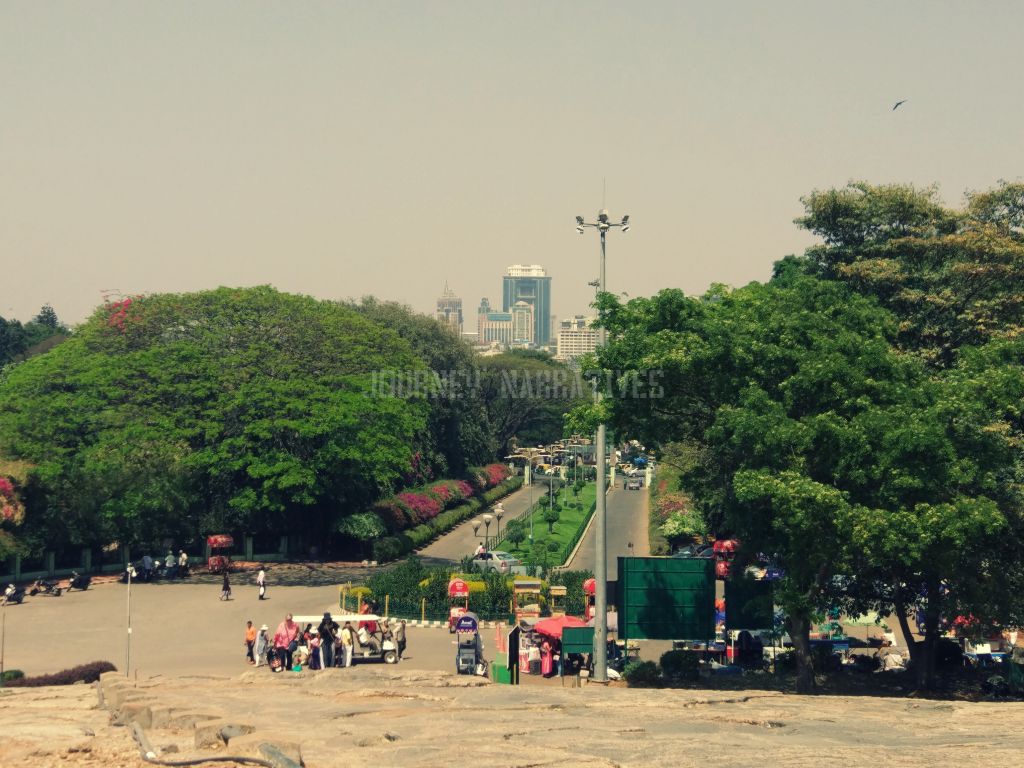
Lalbagh Botanical Garden, Bengaluru is not just a park — it is a living archive of the city’s botanical heritage. Spread across expansive landscaped grounds in the heart of Bengaluru, this historic garden blends scientific significance with everyday urban life. For travelers exploring the city beyond technology hubs and cafés, Lalbagh Botanical Garden Bengaluru offers space, history, and calm in equal measure. To plan your visit better, check out our Bengaluru Travel Guide for a complete overview of the city’s top attractions and experiences. Entering Through the Gates: A Shift in Pace The moment you step inside Lalbagh, the rhythm of Bengaluru changes. Traffic noise fades into distant hums, replaced by rustling leaves and birdsong. Wide pathways lead you past century-old trees and curated plant sections. Even on busier days, the garden absorbs crowds comfortably, making the experience feel open rather than overwhelming. The Glass House: A Historic Centerpiece Inspired by London’s Crystal Palace, the iconic Glass House remains the architectural highlight of Lalbagh Botanical Garden, Bengaluru. It hosts the renowned flower shows during Republic Day and Independence Day, drawing visitors from across the country. Beyond its events, the structure itself reflects Bengaluru’s colonial-era botanical ambitions and its evolution into a modern urban landmark. A Landscape Shaped by Time Lalbagh is home to rare plant species, ancient trees, and carefully maintained lawns. Some trees here are over a hundred years old, quietly witnessing the city’s transformation. The garden’s botanical diversity makes it more than a recreational space. It functions as a scientific hub and conservation center, adding educational value to every visit. Lalbagh Rock: A View from the Past One of the most distinctive features within Lalbagh Botanical Garden, Bengaluru is the rocky outcrop known as Lalbagh Rock. Estimated to be over 3,000 million years old, it offers panoramic views of the surrounding city. Climbing to this point feels symbolic — standing on one of the oldest geological formations in the region while overlooking a rapidly modernizing metropolis. Mornings of Movement, Evenings of Reflection Early mornings at Lalbagh are filled with walkers, joggers, and yoga groups. The garden becomes part of daily life for many Bengaluru residents. Evenings, in contrast, feel slower. Families gather on lawns, photographers capture golden-hour light, and visitors find shaded benches to pause and unwind. A Space That Balances Nature and City Life What makes Lalbagh Botanical Garden, Bengaluru special is its balance. It is centrally located, yet it feels removed from urban intensity. For travelers seeking a grounded experience within Bengaluru, Lalbagh provides a refreshing perspective — one that connects the city to its natural and historical roots. Planning Your Visit to Lalbagh Botanical Garden, Bengaluru The garden is open daily, and mornings are particularly pleasant due to cooler temperatures. Wearing comfortable footwear is advisable, as exploring the grounds involves substantial walking. The biannual flower shows are the most popular times to visit, but even outside event periods, the garden remains visually rewarding. How Lalbagh Fits Into a Karnataka Itinerary Lalbagh Botanical Garden, Bengaluru works beautifully as either a starting point or a breathing pause within a larger Karnataka journey. For many travelers, Bengaluru serves as the gateway to the state, and Lalbagh offers an immediate introduction to Karnataka’s balance of heritage, ecology, and urban life. Spending time here helps ground your itinerary before moving on to contrasting landscapes — whether that means the misty hill stations of Coorg and Chikmagalur, the historic grandeur of Mysuru, or the coastal calm of Karwar and Mangaluru. The garden provides context: it reflects the state’s long-standing appreciation for nature, scientific cultivation, and thoughtfully designed public spaces. To plan how Bengaluru connects with other destinations across the state, you can explore our detailed Karnataka Travel Guide, which brings together coastal towns, cultural hubs, and scenic retreats into one structured itinerary. Why Lalbagh Botanical Garden Bengaluru Is Worth Visiting Lalbagh Botanical Garden, Bengaluru is not designed for spectacle. Its impact is gradual and lasting. It offers history without heaviness, greenery without isolation, and space without distance from the city. Whether you spend an hour walking its paths or half a day exploring its corners, Lalbagh leaves you with a sense of balance — something rare in fast-paced urban travel. For visitors to Bengaluru, it is not just a recommended stop. It is an essential one. If you’re planning a broader journey, browse our India Travel Guide for diverse travel experiences across the country. For wider inspiration, explore our Asia Travel Guide and uncover unique destinations across the continent.
8 Transformative Experiences at Isha Yoga Center, Coimbatore You’ll Never Forget
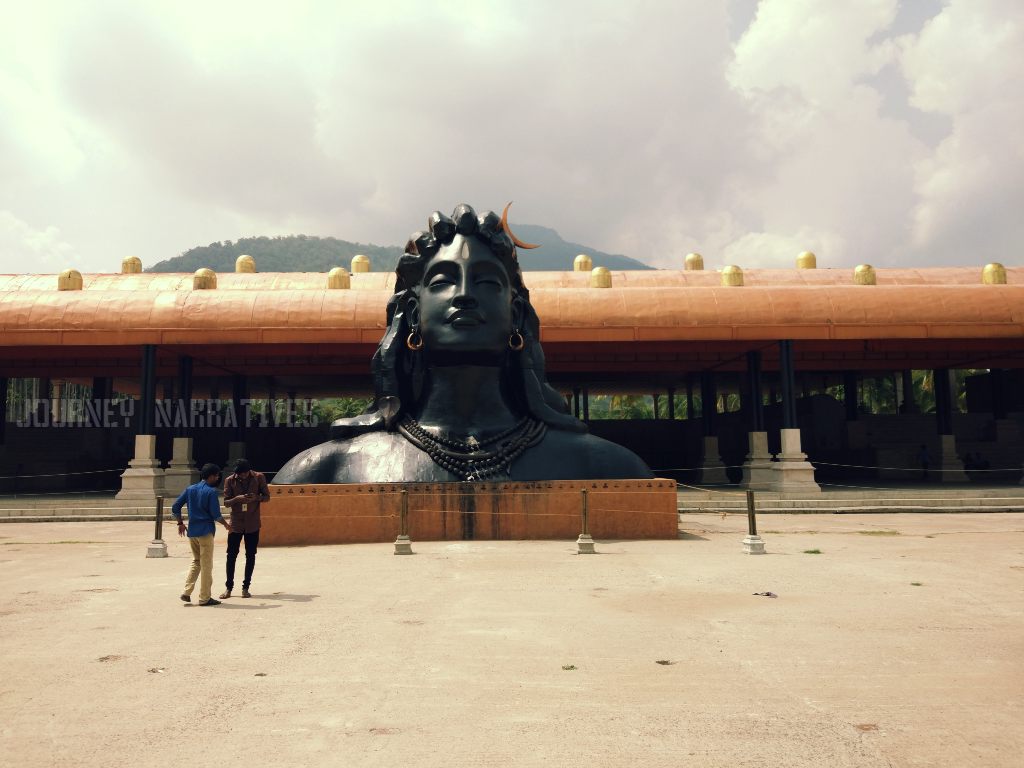
Isha Yoga Center, Coimbatore is not just a place you visit—it’s a space you feel. Nestled at the foothills of the Velliangiri Mountains, Isha Yoga Center offers a rare blend of spirituality, silence, and self-reflection. In a world that constantly moves, this space invites you to pause. Whether you come with curiosity or intention, the experiences here tend to stay with you long after you leave. Here are 8 transformative experiences at Isha Yoga Center, Coimbatore that you’ll never forget. 1. Sitting in Silence at Dhyanalinga The Dhyanalinga is not just a structure—it’s an energy space designed for meditation. Sitting here in silence, even for a few minutes, can feel deeply calming and grounding. 2. Experiencing the Power of Adiyogi Standing before the towering Adiyogi Shiva Statue is both humbling and awe-inspiring. The scale, the stillness, and the symbolism create a moment that feels larger than words. 3. Walking Through the Ashram’s Peaceful Spaces The pathways, open areas, and simple architecture of the center are designed to promote calm. Walking through them slowly becomes an experience in itself. 4. Feeling the Stillness Around You What stands out most is the silence—not just the absence of noise, but a deeper sense of stillness. It’s something you notice more as you spend time here. 5. Isha Yoga Center, Coimbatore and the Experience of Inner Reflection This isn’t a place filled with distractions or activities. Instead, Isha Yoga Center gently encourages you to look inward, making your visit feel personal and introspective. 6. Participating in Simple Spiritual Practices If you choose to engage in guided practices or sessions, they often feel accessible and calming rather than overwhelming—offering a gentle introduction to mindfulness. 7. Observing a Different Way of Living The disciplined, minimal lifestyle followed within the center offers a quiet contrast to everyday routines, making you rethink what simplicity really means. 8. Leaving With a Subtle but Lasting Shift Perhaps the most transformative part isn’t what happens there—but what stays with you after. A sense of calm, clarity, or even just awareness tends to linger. A Meaningful Pause in Your Coimbatore Journey Experiences like Isha Yoga Center add depth to your travels, especially when combined with other destinations in and around Coimbatore.To discover more across the state, explore our Tamil Nadu Travel Guide for cultural and scenic destinations.For a wider journey across diverse regions, our India Travel Guide offers meaningful travel ideas.And if you’re looking beyond, our Asia Travel Guide brings together inspiring destinations across cultures. A Lasting Impression from Isha Yoga Center A visit to Isha Yoga Center doesn’t overwhelm you—it quietly stays within you. Long after you leave, the stillness, the space, and the subtle experiences continue to echo, reminding you that sometimes, the most powerful journeys are the ones that happen within.
7 Heartwarming Reasons Byculla Zoo Mumbai Is Loved by Visitors
Byculla Zoo Mumbai is one of the city’s most cherished green spaces, offering visitors a chance to connect with nature and wildlife in the middle of a busy urban landscape. Known officially as Veermata Jijabai Bhosale Udyan, this historic zoo has been welcoming visitors for generations. Located in South Mumbai, Byculla Zoo Mumbai is loved not just for its animals, but also for its peaceful environment, heritage value, and family-friendly atmosphere. Whether you’re visiting with children or simply looking for a calm place to spend time, this destination offers meaningful and memorable experiences. While enjoying the greenery of Byculla Zoo, you can explore more city highlights in our Mumbai Travel Guide. Here are 7 heartwarming reasons why Byculla Zoo Mumbai is loved by visitors. 1. A Rare Chance to See Wildlife Up Close One of the most exciting parts of visiting the zoo is seeing animals you may have only seen in books or on screen. From majestic big cats to colorful birds, the zoo offers a wonderful opportunity to observe wildlife from a closer perspective. It creates both excitement and curiosity, especially for children. 2. Home to the Famous Penguin Enclosure One of the most popular attractions at Byculla Zoo Mumbai is its penguin enclosure. Watching these charming creatures walk, swim, and interact brings joy to visitors of all ages. It’s an experience that many people remember long after their visit. This section has become a major highlight of the zoo. 3. A Peaceful Green Escape in the City Despite being located in a busy part of Mumbai, the zoo feels calm and refreshing. The shaded pathways, trees, and open spaces provide a relaxing atmosphere. Visitors often enjoy simply walking around and spending quiet time in nature. It’s a refreshing change from crowded city streets. 4. Byculla Zoo Mumbai Has a Rich Historical Legacy Byculla Zoo Mumbai is one of the oldest zoos in India and holds an important place in the city’s history. Its heritage structures, layout, and long legacy make it more than just a zoo — it’s a part of Mumbai’s cultural identity. Nearby attractions like Marine Drive can complement your visit to this historic area. 5. Perfect Destination for Families and Children Families especially love visiting Byculla Zoo. Children enjoy seeing animals, walking through gardens, and learning about nature. It’s both fun and educational. It creates happy memories for families. 6. Beautiful Garden and Botanical Surroundings The zoo is not just about animals — it also has beautiful gardens and plant life. The greenery adds to the peaceful environment and makes the visit more enjoyable. Nature lovers appreciate this aspect greatly. 7. A Place That Brings Joy and Awareness Perhaps the most heartwarming reason people love Byculla Zoo Mumbai is the emotional experience it offers. Seeing animals and spending time in nature creates joy, curiosity, and awareness about wildlife and conservation. It’s a place that leaves a positive impression. If you’re visiting with family, don’t miss our guide on 15 Best Things to Do in Mumbai for an Unforgettable Experience for more engaging activities. What You’ll Take Back From This Visit A visit to Byculla Zoo Mumbai is more than just a day out — it’s an experience filled with simple joys, learning, and peaceful moments. It reminds visitors of the importance of nature even within a large city. If you’re planning to explore more such destinations, don’t miss our Maharashtra Travel Guide, where you’ll discover many more meaningful places to visit across the state. Sometimes, the most special experiences are the ones that bring you closer to nature — and Byculla Zoo Mumbai does exactly that. For travelers exploring India in depth, our India Travel Guide offers a wider range of destinations and cultural insights. You can also discover more travel inspiration across regions in our Asia Travel Guide.

Rameswaram: 9 Sacred Sites That Reveal Its Timeless Spiritual Legacy
Rameswaram Sacred Sites hold a special place in India’s spiritual landscape. Located on Pamban Island in Tamil Nadu, Rameswaram is not just a pilgrimage town — it is a sacred bridge between mythology, devotion, and coastal heritage. Revered as one of the holiest destinations for Hindus, the town is closely connected to Lord Rama and the epic Ramayana. From ancient temple corridors to windswept shores believed to hold divine footprints, Rameswaram invites travelers into a space where faith meets history. 1. Ramanathaswamy Temple – The Heart of Rameswaram The soul of the town lies in the magnificent Ramanathaswamy Temple. Dedicated to Lord Shiva, it is one of the twelve sacred Jyotirlingas in India. What makes it architecturally extraordinary are its: According to legend, Lord Rama worshipped Shiva here to atone for killing Ravana. The temple beautifully blends Dravidian architecture with deep mythological significance. 2. Agni Theertham – The Sacred Sea Bath Just outside the temple lies Agni Theertham, where pilgrims take a ritual dip before entering the temple. This stretch of the Bay of Bengal is believed to cleanse sins and purify the soul. At sunrise, the golden light reflecting on the water creates a spiritually moving atmosphere. 3. Dhanushkodi – The Ghost Town of Legends At the southeastern tip of the island stands Dhanushkodi — a hauntingly beautiful coastal ruin. Destroyed in the 1964 cyclone, Dhanushkodi is believed to be the place where Lord Rama built the Ram Setu bridge toward Sri Lanka. The vast stretch of sand, broken church walls, and endless sea views make it one of the most mystical locations among Rameswaram Sacred Sites. 4. Pamban Bridge – India’s First Sea Bridge Connecting the island to mainland India is the iconic Pamban Bridge. Opened in 1914, this engineering marvel offers breathtaking views of turquoise waters below. Watching a train glide slowly across the sea is an unforgettable experience and adds a unique heritage dimension to your visit. 5. Gandhamadhana Parvatham – Rama’s Footprints The highest point in Rameswaram, Gandhamadhana Parvatham, houses what devotees believe are the footprints of Lord Rama. The panoramic view of the island from here offers a moment of silence and reflection, away from the crowds. 6. Kothandaramaswamy Temple – A Ramayana Landmark Situated near Dhanushkodi, Kothandaramaswamy Temple is believed to be the place where Vibhishana surrendered to Lord Rama. Surrounded by sea on three sides, this temple stands resilient against time and cyclones — symbolizing devotion and loyalty. 7. Five-Faced Hanuman Temple – Floating Stones The Panchamukhi Hanuman Temple is known for displaying stones believed to float on water — associated with the construction of Ram Setu. Whether viewed as faith or folklore, the temple adds intrigue to Rameswaram’s sacred narrative. 8. Abdul Kalam Memorial – A Modern Spiritual Icon Rameswaram is also the birthplace of former Indian President A. P. J. Abdul Kalam. The Dr. A. P. J. Abdul Kalam Memorial honors his life and contributions. While not mythological, it adds cultural depth — reminding visitors that spiritual legacy also includes inspiration and service. 9. Lakshmana Theertham – A Lesser-Known Sacred Tank Associated with Lakshmana from the Ramayana, Lakshmana Theertham is quieter than Agni Theertham but spiritually significant. Pilgrims often visit this tank seeking blessings for family well-being and peace. Why Rameswaram Sacred Sites Matter in India’s Spiritual Landscape Rameswaram stands at the intersection of Shaivism and Vaishnavism — where Lord Rama worshipped Lord Shiva. This unique blending of traditions gives the town a rare spiritual harmony. It is also part of the Char Dham pilgrimage circuit in Hindu tradition, making it one of the most revered coastal pilgrimage centers in India. More than temples, Rameswaram is about: Best Time to Visit Rameswaram How to Reach Nearest airport: Madurai Well connected by rail via Pamban Bridge Road access from major Tamil Nadu cities A Destination That Touches Both Heart and Horizon The Rameswaram Sacred Sites offer more than temple visits — they offer a journey through devotion, mythology, resilience, and coastal heritage. From the grandeur of Ramanathaswamy Temple to the windswept silence of Dhanushkodi, every corner of this island carries a story whispered by the sea. For anyone seeking India’s spiritual depth beyond the obvious, Rameswaram remains timeless, sacred, and unforgettable. Rameswaram is one of the most spiritually significant destinations featured in our guide to 11 Sacred Holy Cities in India That Define the Country’s Spiritual Soul.
Sandy Dunes of Dhanushkodi: 8 Stark Coastal Plains That Feel Isolated, Intense, and Unforgettably Refreshing
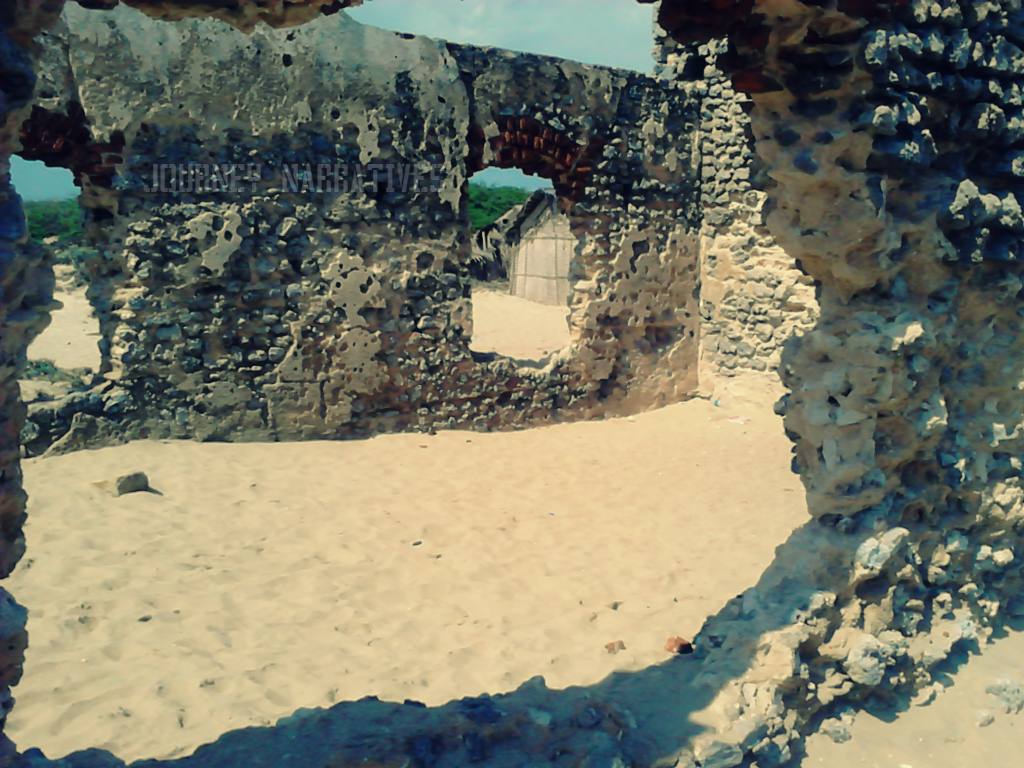
The sandy dunes of Dhanushkodi don’t soften the coastline — they expose it.This is a place where land thins out, vegetation fades, and the shore stretches flat and open under constant wind and salt. Here, the coast feels less like a destination and more like a geographical boundary. At the far edge of Tamil Nadu, Dhanushkodi exists as a narrow strip of sand shaped by opposing seas, strong currents, and uninterrupted exposure. It is one of India’s clearest examples of sandy dunes and coastal plains formed through accumulation rather than resistance. The sandy dunes of Dhanushkodi form one of the coastal landscape types explored in our guide to Coastal Landscapes: 7 Breathtaking Natural Shores That Feel Wildly Refreshing. 1. A Coastline Built by Deposition, Not Elevation Unlike rocky or cliff-backed shores, Dhanushkodi is defined by what settles here. Wind and waves continuously deposit: Over time, this process creates low-lying coastal plains where the land remains flat, fragile, and constantly reshaped. 2. Wind-Shaped Dunes That Never Stay Still The dunes of Dhanushkodi are subtle but persistent. Rather than towering formations, they appear as: These dunes shift seasonally, reminding visitors that the landscape here is temporary by nature. 3. Two Seas, One Narrow Plain Dhanushkodi sits between the Bay of Bengal and the Indian Ocean, creating a rare coastal configuration. This positioning results in: The coastal plain remains exposed, open, and uncompromisingly raw. 4. A Landscape Without Visual Anchors One of the defining traits of sandy coastal plains is the absence of vertical elements. At Dhanushkodi: This creates a sense of vastness that feels both isolating and mentally refreshing. 5. The Sound and Feel of an Open Sand Coast Without cliffs or rocks to interrupt wave movement, sound behaves differently here. Waves roll in continuously, wind moves freely, and the shoreline feels constantly in motion, even when nothing dramatic is happening. It’s a coast that engages through exposure rather than spectacle. 6. Fragility as a Defining Feature Sandy dunes and coastal plains are among the most vulnerable shoreline types. At Dhanushkodi: This fragility is not a weakness — it’s a defining ecological reality. 7. Why Dhanushkodi Feels Intensely Isolated The openness of the land offers little protection from elements. Sun, wind, and salt dominate the experience, making the coast feel stripped of comfort but rich in clarity. It’s a reminder of how minimal a coastline can become and still remain powerful. 8. Why Dhanushkodi Represents Sandy Dunes and Coastal Plains Dhanushkodi stands as a clear reference point for understanding sandy coastal landscapes. It represents: Few places demonstrate this coastal type as clearly or as honestly. Where the Land Gradually Disappears The sandy dunes of Dhanushkodi show how coastlines don’t always rise to meet the sea.Sometimes, they thin, flatten, and slowly dissolve under the weight of wind and water. This is not a gentle shore — but it is an unforgettable one, shaped by exposure, impermanence, and quiet intensity.