
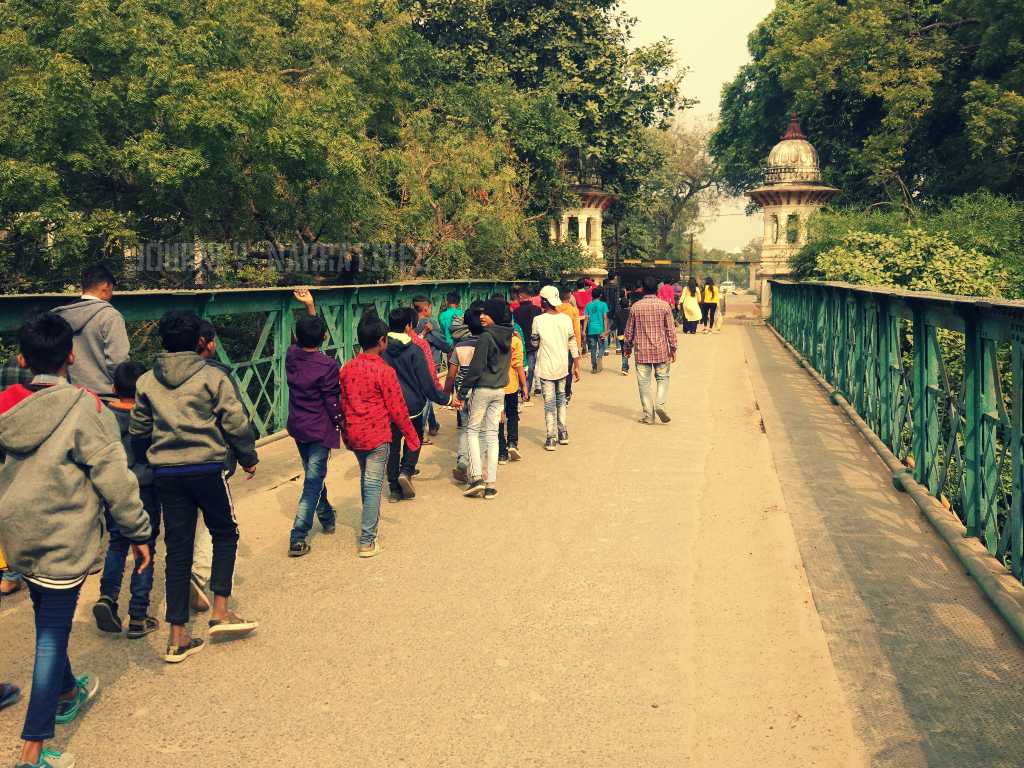
The best places to visit in Vadodara reveal a city shaped by royal vision, artistic excellence, and deep cultural roots. Known for its grand palaces, museums, and historic landmarks, Vadodara stands as one of Gujarat’s most refined heritage destinations. Once the capital of the powerful Gaekwad dynasty, the city offers travelers a fascinating blend of royal grandeur and cultural richness. Whether you’re a heritage enthusiast, architecture lover, or cultural explorer, Vadodara promises a meaningful and memorable journey. If you’re inspired to explore more destinations rich in history and royal heritage, our India Travel Guide brings together experiences from across the country. 1. Laxmi Vilas Palace The crown jewel of Vadodara, this magnificent Laxmi Vilas palace is nearly four times the size of Buckingham Palace. Built in 1890, it features: It remains one of India’s most spectacular royal residences. 2. Sayaji Gardens One of the largest public gardens in India, Sayaji Gardens is a green oasis in the heart of the city. Key attractions include: It’s perfect for families and leisure travelers. 3. Baroda Museum and Picture Gallery This museum houses an impressive global collection of art and historical exhibits. You’ll find: It reflects Vadodara’s rich artistic legacy. 4. Kirti Mandir Built as a royal memorial, Kirti Mandir honors the Gaekwad dynasty. Its peaceful surroundings and historic importance make it a meaningful place to visit. 5. EME Temple This unique Shiva temple is known for its modern architectural design. Built by the Indian Army, it symbolizes unity and spiritual harmony. 6. Sursagar Lake Located in the city center, this scenic lake features a towering statue of Lord Shiva. It is especially beautiful in the evening. 7. Champaner-Pavagadh Archaeological Park A UNESCO World Heritage Site near Vadodara, this historic complex includes: It represents centuries of architectural evolution. 8. Maharaja Fateh Singh Museum Located inside the palace complex, this museum displays royal art collections and sculptures. It offers insight into the Gaekwad family’s refined taste. 9. Khanderao Market This historic market building reflects Indo-Islamic architecture. It’s a great place to experience local culture and daily life. 10. Ajwa Water Works This historic water reservoir and garden area is known for its musical fountain and peaceful setting. It’s ideal for evening visits. 11. Nyay Mandir This historic courthouse showcases impressive colonial architecture. It is one of the city’s important heritage structures. 12. ISKCON Temple Vadodara This beautiful temple offers spiritual peace and elegant architecture dedicated to Lord Krishna. Cultural Importance of Vadodara Vadodara is widely regarded as Gujarat’s cultural capital. The city is known for: Its cultural richness makes it one of India’s most important heritage cities. Best Time to Visit Vadodara Ideal months:October to March The weather is pleasant and ideal for sightseeing. Navratri season is especially vibrant. Travel Tip For complete travel planning, heritage insights, and visitor information, explore our detailed Vadodara Travel Guide to experience the city more meaningfully. Why Vadodara Is Worth Visiting The best places to visit in Vadodara offer a perfect journey through royal palaces, historic landmarks, and cultural treasures. From grand architecture to artistic excellence, Vadodara provides an unforgettable heritage experience in Gujarat. To discover grand palaces, cultural landmarks, and timeless destinations beyond India, explore our Asia Travel Guide for wider travel inspiration.

Nehru Planetarium Mumbai: 7 Fascinating Reasons You Should Visit This Cosmic Attraction
Nehru Planetarium Mumbai is one of the most fascinating attractions in the city for anyone curious about space, science, and the mysteries of the universe. Located inside the Nehru Centre in Mumbai, this iconic destination offers an immersive experience that blends education with wonder. Named after Jawaharlal Nehru, who believed strongly in scientific progress, the planetarium continues to inspire visitors of all ages. While exploring the wonders of Nehru Planetarium, you can plan the rest of your trip with our detailed Mumbai Travel Guide. Whether you are a traveler, a student, or simply someone looking for a meaningful experience beyond typical sightseeing, this cosmic attraction offers something truly memorable. A Mesmerizing Cosmic Show Experience The highlight of Nehru Planetarium Mumbai is undoubtedly its sky theatre. As you sit under the massive dome, the lights fade and the universe comes alive above you. Stars begin to appear, planets move across the sky, and galaxies unfold in stunning detail. The experience feels incredibly real, almost as if you are traveling through space yourself. The narration is simple, engaging, and suitable even for those with no prior knowledge of astronomy. It’s not just educational—it’s deeply moving. A Perfect Blend of Learning and Entertainment What makes the planetarium special is how effortlessly it combines knowledge with entertainment. You don’t feel like you’re in a classroom, yet you leave with a deeper understanding of the universe. Children are especially captivated, but adults often find themselves equally fascinated. It’s the kind of place where curiosity naturally awakens, and learning becomes a joyful experience. An Inspiring Tribute to India’s Scientific Vision The planetarium stands as a tribute to India’s commitment to science and progress. It reflects the vision of a nation that values knowledge and discovery. Walking through the complex, you feel connected to a larger purpose—the human desire to explore, understand, and grow. It’s more than just a tourist spot; it’s a symbol of inspiration. A Peaceful Escape from Mumbai’s Fast Pace Mumbai is known for its energy and constant movement, but the planetarium offers a refreshing contrast. The calm environment inside allows you to slow down and focus on something meaningful. For a while, you forget the traffic, the crowds, and the noise. Instead, you find yourself thinking about stars, planets, and your place in the universe. Ideal for Families, Students, and Curious Travelers Nehru Planetarium Mumbai is one of those rare places that appeals to everyone. Families enjoy the bonding experience, students gain valuable insights, and travelers discover something unique. It’s especially rewarding if you’re exploring Mumbai beyond its beaches and monuments. Located Near Other Important Attractions Another advantage is its convenient location. Since it is situated in central Mumbai, you can easily combine your visit with nearby attractions. This makes it a practical addition to your travel plan without requiring extra effort or long travel time. A Memorable and Meaningful Mumbai Experience Many tourist places offer entertainment, but few offer inspiration. The planetarium leaves you with a sense of wonder that stays with you long after your visit ends. It reminds you how vast the universe is—and how beautiful curiosity can be. For a complete city experience, don’t miss our guide on 15 Best Things to Do in Mumbai for an Unforgettable Experience. A Journey Beyond the Ordinary A visit to Nehru Planetarium Mumbai is more than just another stop in Mumbai—it’s an experience that quietly changes the way you see the world. As you step out after the show, you carry with you a sense of wonder, curiosity, and a deeper appreciation for the vast universe beyond everyday life. In a city known for its fast pace and endless attractions, this planetarium offers something rare: a moment to pause, reflect, and feel inspired. If you’re looking to add meaning—not just sightseeing—to your Mumbai journey, this cosmic escape is truly worth your time. If you’re planning to explore more such meaningful destinations, don’t miss my detailed Maharashtra Travel Guide, where I’ve shared the best places, hidden gems, and unforgettable experiences across the state. To expand your journey across the country, explore our India Travel Guide for more travel inspiration. You can also browse the Asia Travel Guide to discover similar cultural and educational experiences across the region.

Crossing the Pamban Bridge: 3 Beautiful Journey Based Travel Experience in India That Stay With You
A journey based travel experience in India often reveals more than the destination itself—and crossing the Pamban Bridge is a powerful reminder of that truth. Stretching between the mainland and Rameswaram Island, this iconic passage transforms ordinary train and road travel into a deeply reflective journey. Unlike fast-paced itineraries or checklist tourism, the Pamban crossing invites travelers to slow down, observe, and feel present. It is one of those travel moments that quietly imprints itself on memory, long after the journey ends. What Makes the Pamban Bridge a Journey-Based Travel Experience in India The Pamban Bridge is not merely a connection between two places—it is a transition between states of mind. Surrounded by vast stretches of sea on both sides, the crossing creates a sense of suspension, where time seems to pause and awareness deepens. As part of India’s most evocative journey-based travel experiences, the bridge reveals how movement itself can become meaningful when the journey is given space to unfold. 1. Watching the Sea Move Beneath You Whether you cross by train or bus, the most striking moment is looking down at the sea flowing freely beneath the bridge. The water changes color with the sky, reflecting blues, greys, and silvers depending on the hour. This moment teaches an important lesson about travel: not everything needs interpretation or explanation. Sometimes, the act of watching is enough. This quiet observation becomes a lasting memory—one that no photograph can fully capture. This reflective moment connects beautifully with our blog post “7 Unforgettable Travel Experiences in India That Stir the Soul, Spark Joy, and Stay With You Forever,” where journeys like these show how travel becomes emotional rather than transactional. 2. Feeling the Rhythm of Train and Road Travel Crossing the Pamban Bridge by train is a rhythmic experience—the gentle sway, the steady clatter, and the slow progress across open water. Road travel, on the other hand, offers a panoramic stillness where each second feels expanded. Both modes reveal something essential about journey-based travel experiences in India: movement does not have to be rushed to be purposeful. When travel slows, awareness sharpens, and memory deepens. 3. Crossing as a Mental Transition, Not Just a Physical One The final revealing moment comes without announcement—the realization that you are no longer the same person who began the crossing. The bridge acts as a psychological threshold, subtly shifting perspective. By the time the journey ends, travelers often feel calmer, grounded, and more receptive. This is what separates ordinary transport from meaningful travel experiences—when the journey itself becomes part of personal growth. Why Journey Based Travel Experience in India Stay With You Forever Unlike destination-centric travel, journey-based travel experiences in India leave space for thought, silence, and emotional connection. The Pamban Bridge exemplifies this beautifully by offering nothing flashy—only presence, movement, and time. These experiences do not demand attention; they invite it. And that is why they remain etched in memory long after the journey concludes. A Journey That Becomes the Memory Crossing the Pamban Bridge reminds us that travel is not always about arriving. Sometimes, it is about allowing the journey to shape how we feel, think, and remember. As one of the most quietly powerful journey based travel experience in India, this crossing proves that the most unforgettable travel moments often happen between destinations—when we are simply moving, watching, and being present.
12 Breathtaking Slow Train Journeys in India: Scenic Routes That Define Sustainable Travel
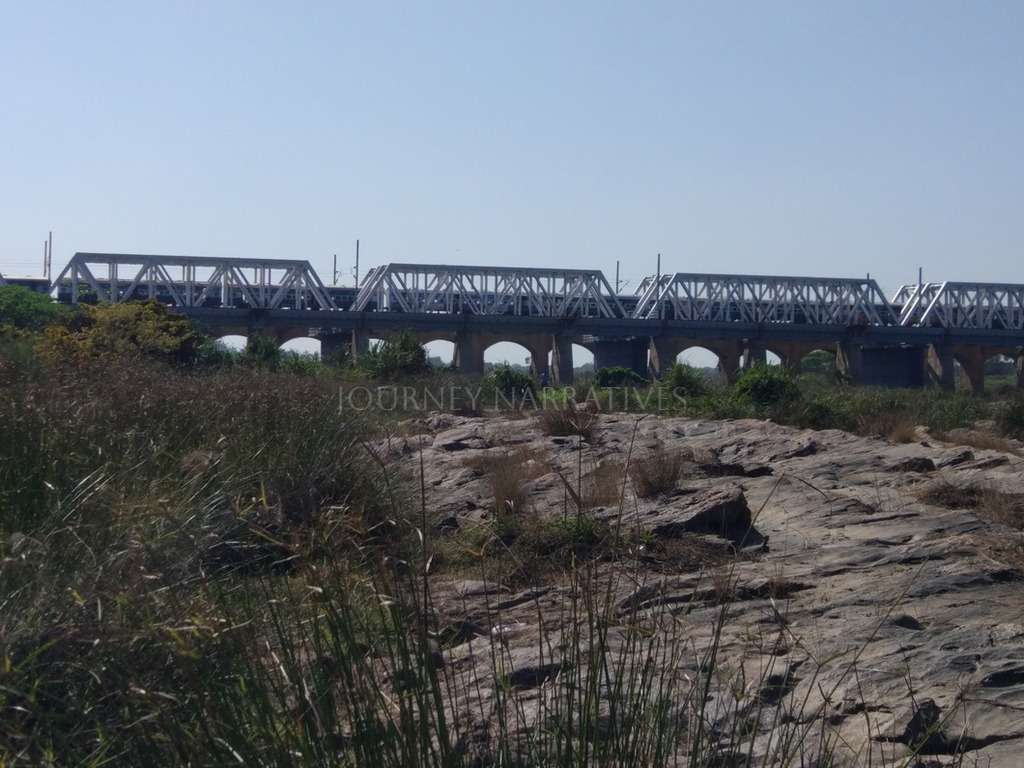
Slow train journeys in India offer travelers a meaningful way to experience the country’s landscapes, cultures, and everyday life at a relaxed pace. Instead of rushing between destinations, these railway routes allow travelers to observe changing scenery, local communities, and natural beauty gradually unfolding outside the window. From mountain railways and coastal routes to forest landscapes and historic bridges, India’s railway network provides some of the most memorable travel experiences in the country. These journeys reflect the spirit of slow and sustainable travel, where the journey itself becomes just as rewarding as the destination. The following routes highlight some of the most scenic and memorable train journeys that showcase the beauty of traveling slowly across India. Slow Train Journeys in India That Reveal the Country’s Most Scenic Landscapes These train routes pass through some of India’s most remarkable landscapes, including mountain valleys, forests, coastlines, deserts, and historic towns. Each journey encourages travelers to slow down and experience the country’s natural and cultural diversity in a thoughtful way. 1. Kalka to Shimla Railway Journey This historic narrow-gauge railway climbs slowly from Kalka to the hill town of Shimla through pine forests, hillside villages, and more than a hundred tunnels. The gradual ascent offers beautiful views of Himalayan foothills and quiet mountain landscapes. Travelers often enjoy this journey for its relaxed pace and the nostalgic charm of mountain railway travel. 2. Darjeeling Himalayan Railway The train journey from New Jalpaiguri to Darjeeling winds through tea plantations, mountain slopes, and vibrant hill communities. Known for its slow climb and sharp curves, the route reveals dramatic views of the surrounding hills. Watching mist move across the tea gardens makes this journey one of the most memorable railway experiences in India. 3. Nilgiri Mountain Railway Running between Mettupalayam and Ooty, this railway travels through dense forests and valleys in the Nilgiri Hills. Steam locomotives still operate on parts of the route, giving the journey a timeless character. As the train slowly climbs the mountains, travelers can enjoy views of tea estates, waterfalls, and forest landscapes. 4. Konkan Railway Coastal Journey The railway stretch between Mumbai and Goa passes through one of India’s most scenic coastal regions. Lush hills, winding rivers, and glimpses of the Arabian Sea appear throughout the journey. This route beautifully demonstrates how train travel allows travelers to experience landscapes that road journeys often miss. 5. Vasco da Gama to Londa This scenic railway route climbs through the forests of the Western Ghats, offering dramatic views of valleys, waterfalls, and dense greenery. During the monsoon season the landscape becomes especially vibrant. The slow movement of the train makes it possible to fully appreciate the surrounding wilderness. 6. Chennai to Rameswaram via Pamban Bridge Crossing the sea on the famous Pamban Bridge is one of the most remarkable train journeys in India. As the train moves slowly across the bridge, travelers see endless stretches of blue water on both sides. The journey ends in the sacred island town of Rameswaram, making the route both scenic and culturally meaningful. 7. Guwahati to Silchar Traveling through the hills and forests of Northeast India, this railway journey reveals a region rich in natural beauty. Rivers, tea gardens, and remote landscapes appear along the route. The journey offers a rare opportunity to experience one of India’s lesser-explored regions. 8. Matheran Hill Railway Located near Mumbai, the Matheran hill train travels through forested slopes toward a peaceful hill station where vehicles are restricted. The slow journey through quiet landscapes reflects the spirit of slow travel. It remains one of the most charming short railway journeys in western India. 9. Kangra Valley Railway Running between Pathankot and Joginder Nagar, this route passes through the scenic Kangra Valley with views of the Dhauladhar mountain range. Fields, rivers, and small villages create a tranquil landscape. The relaxed pace of the train makes the journey particularly enjoyable for travelers seeking calm and scenic surroundings. 10. Jaisalmer Desert Railway Journey The railway route through Rajasthan’s Thar Desert offers a different kind of slow travel experience. Sand dunes, desert villages, and open skies define the landscape. Watching the desert scenery change slowly along the tracks creates a memorable journey across western India. 11. Mumbai to Goa Overnight Journey The overnight train journey between Mumbai and Goa is popular among travelers seeking a relaxed way to reach the coast. The route travels through the Konkan region’s hills and rivers before reaching Goa’s coastal landscapes. Waking up to views of green valleys and coastal scenery makes the journey especially rewarding. 12. Kanyakumari Coastal Railway Journey The train route along India’s southern coastline reveals coconut groves, fishing villages, and glimpses of the Arabian Sea. As the train approaches Kanyakumari, travelers experience landscapes where the land gradually meets the ocean. This route captures the beauty of slow coastal travel in southern India. A Slower Way to Experience India Traveling slowly allows travelers to appreciate the landscapes, cultures, and everyday life that often pass unnoticed during faster journeys. Watching forests, rivers, villages, and mountains unfold gradually outside the train window creates moments that stay with travelers long after the trip ends. These scenic railway routes show how slow train journeys in India can transform transportation into a meaningful and sustainable travel experience. Many of these scenic routes perfectly reflect the philosophy of Slow & Sustainable Travel, where the journey itself becomes a meaningful part of the travel experience.
Mountain and Hill Landscapes in India: 8 Breathtaking High-Altitude Views You’ll Never Forget
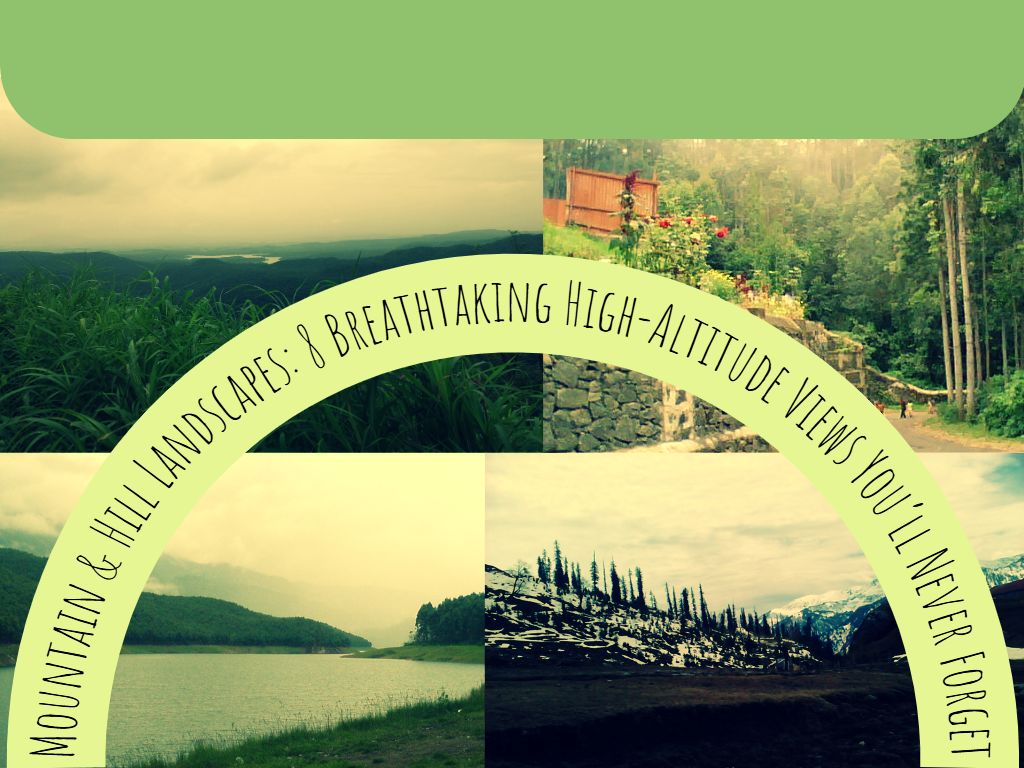
There’s something quietly transformative about mountain and hill landscapes, where altitude reshapes not just the terrain but the way we feel and move through the world. As the air thins and sounds soften, the land below begins to feel distant — not merely in height, but in emotion and urgency. More than physical landforms, mountains and hills become pauses in the journey, places where time slows, thoughts clear, and perspective gently widens. For travelers who seek more than checklists and photo stops, mountain and hill landscapes offer stories written in rock, mist, forests, and silence. They challenge the body, calm the mind, and often leave impressions long after the descent. In this nature-focused journey narrative, we explore eight breathtaking mountain and hill landscapes, each defined by a unique character — from mist-drenched peaks to volcanic ridges and rolling green highlands. These are not just destinations, but experiences shaped by altitude, weather, and human connection with nature. 1. Mist-Covered Peaks: Where Mountains Drift Into the Sky Some mountains rarely reveal themselves fully. Wrapped in mist for most of the day, these peaks appear and disappear like fleeting thoughts. Visibility shifts by the minute, turning landscapes into living paintings. Walking through mist-covered mountain and hill landscapes feels intimate. Trees emerge suddenly, trails vanish and reappear, and every step feels exploratory. These regions often receive abundant rainfall, nurturing dense forests, moss-covered rocks, and flowing streams. Mist-laden mountain and hill landscapes are perfect for slow travel. They reward patience rather than speed — ideal for trekkers, photographers, and anyone seeking quiet introspection. The experience isn’t about views alone, but about being inside the landscape, not merely observing it. To experience mist-laden hills where clouds drift through forests and viewpoints appear without warning, this journey through Agumbe Hills: 5 Misty Views That Feel Straight Out of a Dream captures the quiet magic of living inside the clouds. 2. Rolling Green Highlands: Nature’s Endless Carpet Unlike dramatic peaks, rolling highlands unfold gently. These mountain and hill landscapes stretch wide rather than tall, with soft contours shaped by centuries of wind and water. Grasslands ripple under changing light, creating a sense of openness and freedom. These regions often support pastoral life — grazing animals, small settlements, and farming traditions tied closely to the land. Walking through such hills feels grounding, as though nature is breathing at the same rhythm as you. For travelers who enjoy long walks, sunrise hikes, and wide-angle views, green highlands offer serenity without intimidation. They remind us that elevation doesn’t always need drama to leave an impact. For a closer look at expansive hillscapes shaped by gentle slopes and endless greenery, Ooty Hills: 7 Breathtaking Views That Still Feel Wonderfully Untouched explores how openness and elevation create a calming travel rhythm. 3. Forested Mountain Slopes: Where Altitude Meets Life Forested mountain and hill landscapes are among the richest ecosystems found at higher altitudes. As elevation increases, vegetation changes — tropical trees give way to temperate forests, and eventually to alpine growth. Hiking through forested hills is a sensory experience. The temperature drops, bird calls echo through the canopy, and sunlight filters through layered leaves. Trails often follow ancient paths once used by traders, shepherds, or pilgrims. These mountain and hill landscapes highlight how mountains act as natural climate regulators, supporting biodiversity and water systems far beyond their boundaries. Spending time here builds an appreciation for mountains not just as scenic features, but as living systems. If forest-covered hills and raw, untouched terrain draw you in, Araku Valley: 6 Refreshing Views That Still Feel Wild and Raw reveals how altitude, greenery, and culture blend into a deeply immersive landscape. 4. Rocky Escarpments and Cliffs: The Raw Face of the Earth Some mountain landscapes reveal the planet’s history in stark detail. Rocky escarpments, steep cliffs, and exposed formations show layers shaped over millions of years. These terrains feel powerful and unapologetic. Wind moves freely, vegetation clings where it can, and silence feels heavier. Standing near a cliff edge often triggers humility — a reminder of how small we are in geological time. Such mountain and hill landscapes attract adventure travelers, geologists, and those drawn to rugged beauty. They are less forgiving, but deeply rewarding, offering views that feel earned rather than gifted. To understand how steep ridges and dramatic drop-offs define classic mountain terrain, Shimla Mountains: 7 Iconic High-Altitude Views That Never Lose Their Charm traces a journey along elevated roads and cliff-edged viewpoints. 5. Plateau Highlands and Ancient Rock Formations Not all high-altitude mountain and hill landscapes rise sharply into dramatic peaks. Some unfold as elevated plateaus — wide, weathered, and shaped slowly by time rather than force. These highland regions sit quietly above the plains, defined by ancient rock formations, open horizons, and a sense of calm that feels deeply grounding. Plateau hill stations often offer a different kind of mountain experience. Trails feel more forgiving, views stretch outward rather than downward, and the air carries a softness that invites unhurried exploration. Massive boulders, exposed stone faces, and gentle slopes tell stories of erosion, rainfall, and geological patience rather than sudden upheaval. In places like these, the mountain and hill landscapes encourages reflection. Sunrise spreads slowly across rock surfaces, mist settles briefly before lifting, and the stillness feels intentional. These plateau highlands remind us that elevation doesn’t always demand drama — sometimes, it offers peace, balance, and a quiet connection with the earth beneath our feet. For a high-altitude landscape shaped by broad plateaus, ancient stone, and calming views, Kodaikanal Hills: 6 Powerful High-Altitude Views That Calm the Soul reflects the quiet strength of elevated highlands. 6. Sacred Hills and Pilgrimage Peaks: Where Faith Meets Altitude Across cultures, hills and mountains have long been associated with spirituality. Elevated ground brings people closer to the sky, symbolically and physically. Sacred hills often host temples, monasteries, or pilgrimage paths carved over centuries. The climb itself becomes a ritual — physically demanding, mentally clarifying, and emotionally grounding. Even for non-religious travelers, these mountain and hill
Top 10 Trekking Spots in Maharashtra: A Beautiful Hiker’s Paradise
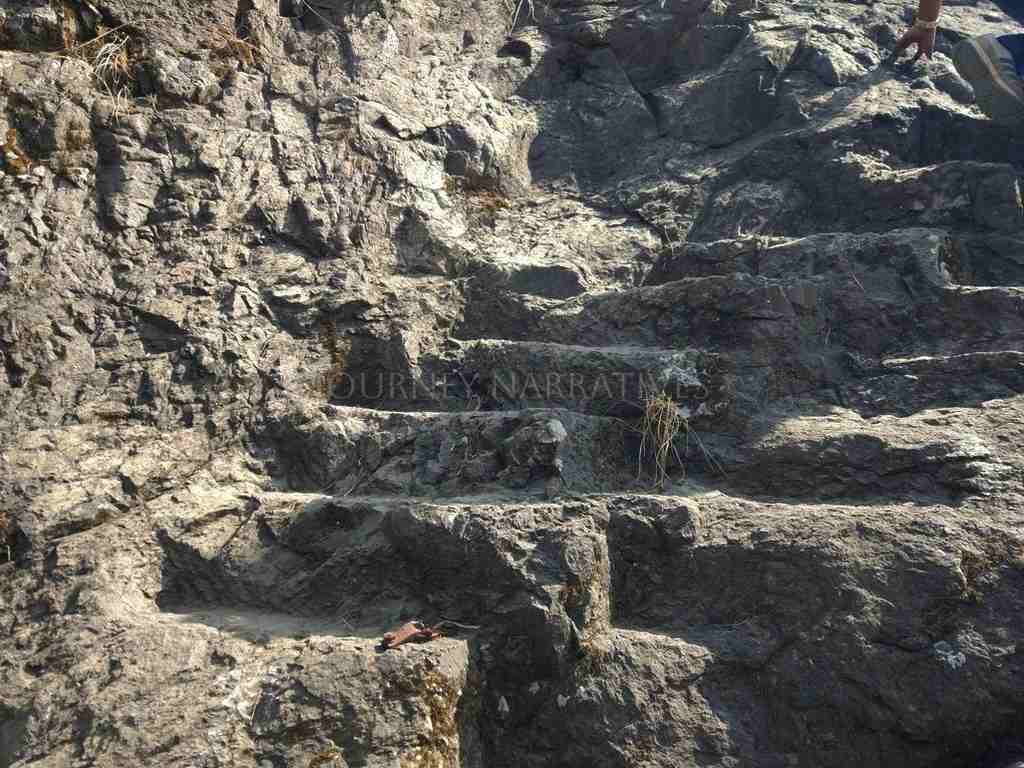
Top 10 trekking spots in Maharashtra offer an incredible mix of adventure, natural beauty, and historical charm. Maharashtra, with its lush landscapes, rugged terrains, and ancient forts, provides some of the best trekking opportunities in India. Whether you’re a seasoned trekker or a beginner seeking a thrilling escape, the state has something for everyone. From the majestic Western Ghats to the tranquil Konkan coastline, these trekking destinations cater to all experience levels. Each location promises breathtaking views, rich historical significance, and an unforgettable outdoor experience. Interested in exploring hiking destinations beyond India? Check out our Asia Travel Guide for a wider range of mountain trails and outdoor experiences. 1. Kalsubai Peak – The Highest Peak in Maharashtra Located in the Kalsubai Harishchandragad Wildlife Sanctuary, Kalsubai Peak is the highest point in Maharashtra at an altitude of 1,646 meters (5,400 feet). Known as the “Everest of Maharashtra”, this trek is perfect for those who are looking for an exciting challenge. The trek takes you through dense forests and steep ridges, offering a panoramic view of the Bari village and Bhandardara lake. The summit has a small temple dedicated to Kalsubai, adding a spiritual touch to your trek. Best Time to Visit: October to March 2. Harishchandragad – A Fortified Trek For those seeking a historical trek, Harishchandragad is a must-visit. Located in the Ahmednagar district, this fort is perched at an altitude of 1,424 meters (4,669 feet). The trek to Harishchandragad is known for its difficult ascents, rock-cut steps, and the iconic Konkan Kada – a sheer cliff that offers a stunning view of the Konkan region. The fort is rich in history, and the trek is full of adventure and serenity. The Taramati Peak, the highest point of the fort, offers a mesmerizing view of the surrounding valleys. Best Time to Visit: October to March 3. Rajmachi Fort – A Blend of History and Nature Situated in the Sahyadri Mountains, Rajmachi Fort is a perfect trekking destination for beginners and experienced trekkers alike. The fort is located at an altitude of 838 meters (2,749 feet) and can be accessed via the towns of Lonavala or Karjat. The trek offers views of lush green valleys, waterfalls, and the iconic Shivaji Maharaj’s Rajmachi Fort. The fort comprises two major peaks: Shrivardhan Fort and Manaranjan Fort, both offering scenic views of the surrounding landscape. Best Time to Visit: June to September (Monsoon treks) or October to March (Winter treks) 4. Lohagad Fort – A Historical Gem A popular trekking spot near Lonavala, Lohagad Fort stands at an altitude of 1,033 meters (3,390 feet). The fort’s most notable feature is its easy accessibility, making it a perfect trek for beginners and families. The trail takes you through scenic vistas, ancient temples, and lush vegetation. The fort itself is famous for its Vinchu Kata, a sharp ridge that resembles a scorpion’s tail, offering breathtaking views of the Bhaja caves and Pawna Lake. Best Time to Visit: October to March 5. Sinhagad Fort – A Fort with a Rich History Situated near Pune, Sinhagad Fort is one of the most popular trekking spots in Maharashtra, known for its historical significance and stunning views. At an altitude of 1,312 meters (4,305 feet), the fort has witnessed numerous battles, including the famous Battle of Sinhagad in 1670. The trek is relatively easy, making it suitable for beginners. On the way to the top, trekkers can enjoy the sight of Khadakwasla Dam and Tungarli Lake. Once at the top, you can explore the fort’s ancient ruins, temples, and enjoy a panoramic view of the Maval region. Best Time to Visit: October to March 6. Kundalika Valley – For Adventure Seekers The Kundalika Valley near Kolad is known for its river rafting, but it also offers a fantastic trekking experience. The valley is surrounded by hills, making it a perfect destination for trekking and adventure sports. The trek leads you to hidden waterfalls, remote villages, and lush forests, offering a refreshing experience for nature lovers. For those seeking a thrill, you can combine trekking with water activities like rafting in the Kundalika River. Best Time to Visit: June to September (Monsoon season) 7. Torna Fort – The First Fort Captured by Shivaji Maharaj One of the most scenic treks in the Pune region, Torna Fort stands tall at an elevation of 1,403 meters (4,603 feet). Known as Prachandagad, this fort was the first fort captured by Shivaji Maharaj in 1646. The trek to Torna Fort is challenging, with steep climbs and rocky patches, but the effort is rewarded with stunning views of the Bhamboli valley and Mutha River. The ruins of the fort, along with its water tanks and temples, add to the historical charm of this trek. Best Time to Visit: October to March 8. Bhandardara – For Nature Lovers Bhandardara is a serene hill station located near Igatpuri, known for its tranquil atmosphere and picturesque landscapes. The trek around Arthur Lake is perfect for nature lovers, with plenty of options for forest treks and scenic walks. The Randha Falls, one of the highest waterfalls in Maharashtra, is a highlight of the region. The trek also provides a view of the Bhandardara Dam and offers a peaceful retreat for those looking to escape the city’s chaos. Best Time to Visit: October to February 9. Kaldurg Fort – The Ultimate Trekking Experience Kaldurg Fort, located in the Palghar district near Wada, is a hidden gem that offers a serene escape for nature lovers and trekkers alike. This lesser-known fort provides breathtaking views of the Arabian Sea, the Surya River, and the surrounding mountain ranges, making it a perfect retreat from city life. The trek to the fort is moderately challenging, suitable for those with a basic fitness level. One of the most striking features of Kaldurg is its distinct split plateau, which creates a natural vantage point ideal for catching panoramic sunsets. With minimal crowds and a peaceful environment, Kaldurg Fort is an excellent destination for anyone seeking solitude

10 Best Places to Spot a Cliff Near the Beaches in India
India is home to some of the most stunning beaches in the world, and what makes them even more breathtaking is the dramatic cliff near the beaches. These cliffs add to the allure of the beaches, offering panoramic views, peaceful solitude, and perfect spots for photography. If you’re a nature enthusiast, a photographer, or just someone who loves the serene beauty of cliffs meeting the sea, India offers several remarkable destinations where you can spot these coastal wonders. Here’s a guide to the best places to spot a cliff near the beaches in India. To plan your journey across these coastal viewpoints and beyond, explore our complete India Travel Guide for routes, tips, and destination ideas. 1. Kanyakumari, Tamil Nadu – The Southern Tip of India The southernmost tip of India, Kanyakumari, is where the Indian Ocean, Bay of Bengal, and Arabian Sea meet. Apart from being a sacred place, Kanyakumari is also famous for its dramatic cliffs. The Vivekananda Rock Memorial, located on a small island just off the shore, is perched on a cliff, offering stunning views of the ocean and the surrounding coastline. The sunrise and sunset views from the cliffs here are mesmerizing, making it a popular destination for both spiritual seekers and nature lovers. Best Time to Visit: October to March 2. Varkala, Kerala – A Hidden Gem Along the Malabar Coast Located on the Malabar Coast in Kerala, Varkala Beach is one of the most scenic beaches in India, with dramatic cliffs lining its shores. The Varkala cliffs rise sharply, offering a beautiful backdrop to the beach. The cliffs are dotted with cafes, beach resorts, and temples, creating a perfect mix of natural beauty and cultural experiences. The Papanasam Beach at the foot of the cliffs is a peaceful spot for a swim, and the view from the top of the cliffs is absolutely stunning, especially at sunset. Best Time to Visit: November to February 3. Kovalam, Kerala – A Coastal Paradise with Majestic Cliffs Another coastal gem in Kerala, Kovalam Beach, is famous for its lighthouse perched on a cliff, providing an iconic view of the Arabian Sea. The Hawa Beach and Light House Beach are both flanked by towering cliffs that offer panoramic views of the coastline. The cliffs in Kovalam are ideal for relaxing and soaking in the beauty of the ocean, with the lighthouse adding a touch of charm to the scenery. The area is also known for its clear waters and vibrant coral reefs, making it a top destination for both beach and cliff lovers. Best Time to Visit: November to February 4. Palolem, Goa – A Picturesque Cove with Surrounding Cliffs Palolem Beach, one of the most popular beaches in South Goa, is a crescent-shaped beach bordered by tall cliffs. The cliffs on either side of the beach provide excellent views of the surrounding coconut groves, turquoise waters, and sandy shores. Palolem is often considered one of the most beautiful beaches in Goa, and the cliffs add a rugged charm to its beauty. If you’re looking for a quieter beach experience, this is the perfect spot, with its cliffs providing the ideal vantage point for watching the sunrise or sunset. Best Time to Visit: November to March 5. Dhanushkodi, Tamil Nadu – The Abandoned Ghost Town on the Edge of the Sea Dhanushkodi, located on the southeastern coast of Tamil Nadu, is a place steeped in mystery and beauty. It is a desolate, abandoned town that was once a thriving fishing village but was devastated by a cyclone in 1964. The cliffs around Dhanushkodi are a striking feature of the landscape, offering an isolated, untouched experience. The Dhanushkodi Beach itself is a pristine, less-travelled stretch of sand, and the cliffs around the town provide dramatic views of the Bay of Bengal. This place is not just a cliff spot, but a blend of history, nature, and adventure. Best Time to Visit: October to March 6. Tarkarli, Maharashtra – Cliffs Overlooking the Arabian Sea Tarkarli, located in Sindhudurg District, Maharashtra, is known for its long, pristine beaches and crystal-clear waters. The region is also home to some spectacular cliffs that rise sharply above the Arabian Sea. Devbaug Beach and Tarkarli Beach are surrounded by lush greenery, and from the cliffs, you can see a stunning view of the vast coastline, pristine waters, and scattered islands in the distance. The area is peaceful, making it perfect for nature lovers and those looking for a quiet retreat. Best Time to Visit: November to February 7. Alleppey, Kerala – Backwaters with Cliffs and Beaches While Alleppey is more renowned for its backwaters, the small stretches of beaches here are adorned with cliffs that rise dramatically from the sea. The Alleppey Beach, though quieter compared to other beaches, has several high cliffs offering views of the Arabian Sea and the backwaters. The contrast between the tranquil backwaters and the crashing waves from the cliffs creates a unique experience, perfect for both beach lovers and photographers. Best Time to Visit: October to March 8. Agonda Beach, Goa – Tranquil Beauty with Cliff Views Nestled in the south of Goa, Agonda Beach is known for its tranquility and stunning natural beauty. This lesser-known beach is surrounded by lush green hills and towering cliffs that create a serene backdrop to the clear waters. The beach is perfect for those who want to escape the crowds and relax in a peaceful environment. The Agonda cliffs are great for exploring or taking panoramic photos, and you can often spot dolphins playing in the waters below. Best Time to Visit: November to March 9. Gokarna, Karnataka – Cliffs and Beaches with Spiritual Vibes Gokarna, a small coastal town in Karnataka, is famous for its beaches and temples, but what makes this place even more unique is the cliffs that surround the beaches. Om Beach and Half Moon Beach are bordered by cliffs that offer stunning views of the Arabian Sea. The natural beauty of these cliffs, combined with
Clean Beaches in India: 10 Pristine Coastal Stretches That Feel Untouched and Naturally Serene
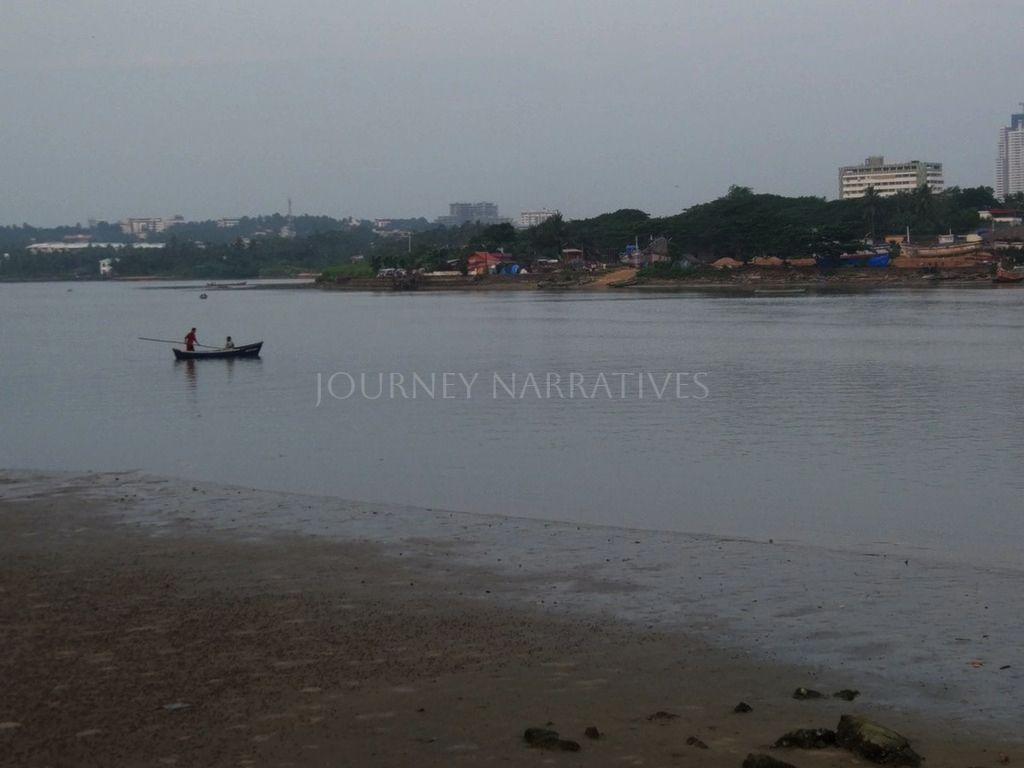
Clean Beaches in India – India’s coastline stretches for over 7,500 kilometers, adorned with pristine sandy beaches, crystal-clear waters, and lush landscapes. While many beaches in India are famous for their natural beauty and popularity, the challenge of keeping these coastal stretches clean is ever-present. However, there are several beaches across the country that stand out for their cleanliness and eco-friendly practices. These beaches not only offer a peaceful retreat but also promote sustainability and cleanliness, ensuring a greener and more beautiful coastal environment. In this blog, we will explore some of the cleanest beaches in India, where you can enjoy the sun, sand, and sea without the usual waste or pollution that can tarnish the natural beauty of the beaches. For a complete overview of destinations, itineraries, and travel tips, check out our detailed India Travel Guide. 1. Radhanagar Beach, Havelock Island, Andaman and Nicobar Islands Located on Havelock Island in the Andaman and Nicobar Islands, Radhanagar Beach is one of the cleanest and most beautiful beaches in India. Recognized as one of the best beaches in Asia by Time magazine, Radhanagar Beach is known for its white sand, clear blue waters, and vibrant coral reefs. The cleanliness of the beach is maintained by local authorities and environmentalists who have worked towards making this a plastic-free zone. Visitors are encouraged to follow eco-friendly practices and dispose of waste responsibly. Best Time to Visit: November to April 2. Palolem Beach, Goa Palolem Beach in South Goa is a peaceful and picturesque destination, famous for its crescent-shaped coastline. Unlike the crowded and commercial beaches of North Goa, Palolem has managed to maintain its cleanliness due to the efforts of both locals and tourists. The beach is lined with eco-friendly shacks, and the local community actively participates in beach clean-up drives to ensure it remains pristine. The turquoise waters and clean sands make it an ideal spot for swimming, kayaking, or simply unwinding by the beach. Best Time to Visit: November to March 3. Kovalam Beach, Kerala Kovalam Beach in Kerala is a globally recognized beach, known for its scenic beauty, cleanliness, and eco-conscious initiatives. The beach is well-maintained and is famous for its golden sands and clear waters, hence it is in the list of clean beaches in India. The cleanliness here can be attributed to the local government’s ongoing efforts to promote sustainable tourism and cleanliness through various programs. Kovalam has been awarded the Blue Flag certification, which is given to beaches that meet high environmental and sustainability standards. Best Time to Visit: November to February 4. Agonda Beach, Goa Agonda Beach, located in South Goa, is known for its quiet, peaceful atmosphere and pristine surroundings. The beach is far from the bustling crowds of North Goa, making it an ideal spot for a relaxed and clean beach experience. The local community in Agonda is dedicated to maintaining the cleanliness of the beach, ensuring that plastic waste and other litter are kept at bay. Agonda is also a nesting site for Olive Ridley turtles, which has led to increased awareness and conservation efforts around the area. Best Time to Visit: November to March 5. Mandrem Beach, Goa Located in North Goa, Mandrem Beach is a serene and clean beach known for its calm atmosphere and picturesque beauty. The beach is lesser-known compared to other beaches in Goa, which contributes to its cleanliness. The clear waters and golden sands are regularly maintained by the local authorities and residents, who work towards reducing the amount of plastic and waste generated in the area. The beach is perfect for a relaxing day out or a quiet walk along the shoreline. Best Time to Visit: November to March 6. Varkala Beach, Kerala Located in Varkala, Kerala, this beach is known for its cliffs and breathtaking views. Varkala Beach has also earned a reputation for being one of the cleanest beaches in India. With eco-friendly practices in place, the beach authorities encourage tourists to avoid littering and take part in clean-up efforts. The natural beauty of the beach, combined with its cleanliness, makes it a must-visit destination for anyone looking for a peaceful coastal experience. The surrounding cliffs and the pristine beach make it a unique getaway. Best Time to Visit: October to March 7. Marari Beach, Kerala Marari Beach, located in Alappuzha district of Kerala, is an idyllic stretch of golden sand, clean waters, and lush coconut groves. Marari is known for its tranquil setting, far removed from the hustle and bustle of more popular beaches. The beach is actively maintained by the local community, and there is a strong emphasis on keeping the area free from plastic waste. Marari also promotes sustainable tourism practices, making it an ideal destination for eco-conscious travelers. Best Time to Visit: November to February 8. Rishikonda Beach, Visakhapatnam, Andhra Pradesh Located near the coastal city of Visakhapatnam in Andhra Pradesh, Rishikonda Beach is known for its cleanliness and beautiful scenery in the bay of bengal. The beach is surrounded by lush green hills and is free from the usual litter seen in many touristy beaches. The Visakhapatnam Urban Development Authority has taken significant efforts to maintain the cleanliness of Rishikonda, with beach clean-up drives and waste management practices. The beach is perfect for a swim or to relax and enjoy the cool breeze. Best Time to Visit: October to March 9. Cavelossim Beach, Goa Located in South Goa, Cavelossim Beach is another pristine beach known for its cleanliness. The beach is far from the usual crowded spots of North Goa, making it a quieter and cleaner alternative for beach lovers. The clear blue waters and soft sand are well-maintained by the local community, and various initiatives have been undertaken to ensure the beach remains free from pollution. It’s a great place to relax, enjoy water sports, and witness stunning sunsets. Best Time to Visit: November to March 10. Sultanpur Beach, Andaman and Nicobar Islands Sultanpur Beach on Havelock Island in the Andaman and Nicobar Islands is a
11 Sacred Holy Cities in India That Define the Country’s Spiritual Soul
Sacred holy cities in India represent the spiritual essence of a civilization that has evolved continuously for thousands of years. These cities are not only religious centers but also living cultural landscapes where rituals, traditions, and beliefs remain deeply woven into everyday life. Sacred holy cities in India attract pilgrims, seekers, historians, and travelers who want to understand the deeper identity of the country. Whether located along sacred rivers, coastal pilgrimage routes, or ancient temple towns, each city offers a meaningful and unforgettable experience. To understand how these sacred destinations connect with traditions, monuments, and living history, explore our Cultural & Heritage Travel Guide, where India’s spiritual and cultural identity unfolds in deeper detail. This blog introduces the most important spiritual cities across India’s major religions. 1. Varanasi – The Spiritual Heart of Hinduism Varanasi is considered the holiest city in Hinduism and one of the oldest continuously inhabited cities in the world. Pilgrims visit to bathe in the sacred Ganges River and participate in rituals that are believed to purify the soul. → To understand the deeper rituals, ghats, and spiritual atmosphere, read this complete Varanasi travel guide (coming soon). 2. Rameswaram – Sacred Island of Pilgrimage Rameswaram holds immense importance in Hindu tradition and is closely associated with the Ramayana. The Ramanathaswamy Temple is one of India’s most revered pilgrimage temples. → This detailed Rameswaram travel guide explains the temple rituals, corridors, and pilgrimage experience (coming soon). 3. Amritsar – The Golden Temple and Sikh Faith Amritsar is the spiritual center of Sikhism and home to the Golden Temple. The temple’s peaceful environment and community kitchen reflect Sikh values of equality and service. → You can explore the history and visitor experience in this complete Amritsar travel guide. 4. Sarnath – Where the Wheel of Dharma Began Sarnath is the sacred site where Gautama Buddha delivered his first sermon after attaining enlightenment. It remains one of the most important Buddhist pilgrimage destinations in India. → This Sarnath travel guide explores its stupas, monasteries, and spiritual landmarks. 5. Udvada – The Eternal Flame of the Parsi Faith Udvada is home to the Iranshah Atash Behram, the oldest sacred fire temple of Zoroastrianism in India. It remains the most important pilgrimage destination for the Parsi community. → This Udvada travel guide explores its fire temple traditions and Parsi heritage (coming soon). 6. Velankanni – Christian Pilgrimage Destination Velankanni is one of the most important Christian pilgrimage centers in India. Pilgrims visit the Basilica seeking healing, hope, and spiritual comfort. → This Velankanni travel guide explains its history, miracles, and pilgrimage traditions. 7. Nagore – Islamic Pilgrimage Town Nagore is home to the famous Nagore Dargah, visited by people from multiple faiths. It represents unity, devotion, and shared spiritual traditions. → Read this Nagore Dargah travel experience to understand its peaceful atmosphere and cultural importance. 8. Ajmer – Sufi Pilgrimage Center Ajmer is known for the Ajmer Sharif Dargah, one of India’s most important Islamic pilgrimage sites. Pilgrims visit throughout the year seeking blessings. → This Ajmer travel guide explores the dargah, rituals, and spiritual experience (coming soon). 9. Rishikesh – Spiritual Learning and Yoga Rishikesh is known for its yoga centers, ashrams, and spiritual learning traditions. The city attracts spiritual seekers from around the world. → This Rishikesh travel guide explains its ashrams, river rituals, and spiritual lifestyle (coming soon). 10. Shravanabelagola – Jain Pilgrimage Site Shravanabelagola is one of Jainism’s most sacred pilgrimage destinations. The giant statue of Bahubali represents renunciation and spiritual discipline. → This Shravanabelagola travel guide explains its temples, climb, and religious importance (coming soon). 11. Hyderabad – Islamic Heritage and Faith Hyderabad preserves centuries of Islamic culture and spiritual traditions. Its mosques, shrines, and historic neighborhoods reflect this heritage. → This Hyderabad heritage travel guide explores its historic mosques and spiritual landmarks (coming soon). If you are planning your journey, visit our India Travel Guide to discover important destinations, historic cities, and regional insights that complement these sacred holy cities in India. Why These Sacred Holy Cities in India Are Important These cities help travelers understand: They are important not only for pilgrims but also for cultural and heritage travelers.

Exploring the Blue, Green, and Red Flag Beaches of India – A Guide to Safety and Beauty
India is home to a stunning array of beaches that not only offer picturesque views but also provide various levels of safety and environmental standards. One of the crucial aspects that make a beach safe and inviting for tourists is its flag status, which ranges from blue to green and red, each signifying the safety and environmental quality of the beach. These flag colors are part of the Blue Flag Program, an international certification program that acknowledges beaches with excellent standards of cleanliness, safety, and environmental management. Beach destinations are just one part of India’s diverse landscape—explore more scenic and experience-driven locations in our guide to Beautiful Places to Visit in India: A Guide to Scenic, Seasonal & Unique Travel Experiences. In this blog, we’ll explore some of the top beaches in India that have earned these prestigious flags and why they are so special. 1. Blue Flag Beaches: Pristine and Safe for All The Blue Flag certification is the highest standard for beaches, indicating that the beach meets stringent criteria for water quality, safety, environmental education, and management. Beaches with a Blue Flag are known for their cleanliness, excellent facilities, and commitment to environmental conservation. These beaches offer a safe and eco-friendly environment for tourists. 1.1. Golden Beach, Puri (Odisha) Located in the culturally rich city of Puri, Golden Beach has been awarded the Blue Flag certification for its pristine sands, clean water, and commitment to environmental conservation. The beach is well-maintained, with facilities like clean toilets, waste management, and environmental awareness programs. It’s a great spot for swimming and soaking in the beauty of the Bay of Bengal. 1.2. Radhanagar Beach, Havelock Island (Andaman & Nicobar Islands) Radhanagar Beach, often listed among the top beaches in Asia, has earned the Blue Flag for its stunning beauty and efforts to preserve its natural environment. Its crystal-clear water, white sandy shore, and lush surroundings make it a haven for nature lovers. The beach is a perfect spot for swimming, sunbathing, and snorkeling. 1.3. Kappad Beach, Kozhikode (Kerala) Kappad Beach in Kerala, which has a historic significance (where Vasco da Gama first landed in India), has also been awarded the Blue Flag status. The beach is clean, with clear water and excellent facilities for tourists. It’s an ideal place to relax and enjoy the serenity of the Arabian Sea while benefiting from the beach’s eco-friendly measures. 1.4. Sankhamul Beach, Maharashtra Sankhamul Beach, located near the city of Alibaug in Maharashtra, has earned a Blue Flag certification. The beach’s clear water, environmental consciousness, and clean infrastructure make it a great destination for eco-tourism. Visitors can enjoy a quiet retreat while experiencing Maharashtra’s scenic coastline. 2. Green Flag Beaches: A Symbol of Eco-Friendly Standards The Green Flag status is awarded to beaches that are recognized for their eco-friendly and sustainable practices. These beaches adhere to local environmental regulations, maintain a high level of cleanliness, and have facilities that ensure safety for visitors. Although not as stringent as the Blue Flag, Green Flag beaches still offer a great level of comfort, cleanliness, and environmental responsibility. 2.1. Anjuna Beach, Goa Anjuna Beach in Goa is not only famous for its vibrant nightlife and picturesque views but also for its environmentally conscious practices. The beach has earned a Green Flag for maintaining clean water, reducing plastic waste, and promoting sustainable tourism. The beach’s beauty is complemented by the ongoing efforts to preserve its environment. 2.2. Varkala Beach, Kerala Varkala Beach in Kerala, known for its cliffs and tranquil atmosphere, has earned the Green Flag certification for its clean and well-maintained surroundings. The beach is popular among tourists who seek relaxation and spirituality, as Varkala is also home to several ancient temples. The environmental conservation efforts here include waste management systems and regular clean-up drives. 2.3. Palolem Beach, Goa Palolem Beach, one of the most beautiful beaches in Goa, has earned a Green Flag for its pristine environment and commitment to sustainability. The beach is known for its clean water, limited commercial exploitation, and efforts to protect local flora and fauna. Visitors can relax in the clean, eco-friendly environment while enjoying the natural beauty of the region. 2.4. Marari Beach, Kerala Marari Beach, located in the serene coastal town of Alappuzha in Kerala, has earned the Green Flag for its focus on sustainable tourism practices. The beach is a peaceful retreat with eco-resorts, clean surroundings, and eco-friendly initiatives like waste segregation and water conservation. The gentle waves and palm-fringed shores make it a perfect spot for unwinding. 3. Red Flag Beaches: Warning of Unsafe Conditions The Red Flag is an indicator of dangerous or unsafe conditions at the beach. A Red Flag is often raised when there are high tides, strong currents, or other hazardous conditions that could pose a risk to swimmers. These beaches may not have the safety measures or environmental standards of Blue or Green Flag beaches, and visitors are advised to be cautious. 3.1. Juhu Beach, Mumbai While Juhu Beach is one of Mumbai’s most famous beaches, it occasionally raises a Red Flag due to its pollution levels and unpredictable tides. Due to the high footfall and local activities, the beach can be unsafe for swimming during certain times. It is advisable to visit the beach during less crowded times and avoid swimming when the Red Flag is raised. 3.2. Marina Beach, Chennai Marina Beach, one of the longest urban beaches in the world, sometimes has a Red Flag due to its rough waters, especially during the monsoon season. Swimming and bathing are generally not recommended during this time, as strong currents can be hazardous. However, it is still a popular destination for walking, jogging, and enjoying the ocean breeze. 3.3. Puri Beach, Odisha While Puri Beach is a significant pilgrimage destination and a popular tourist spot, it occasionally raises a Red Flag due to strong tides and unpredictable water conditions, especially during the monsoon season. Visitors are advised to stay on the shore and enjoy the views rather than venture into