

The Bengaluru to Ooty journey is one of South India’s most popular road trips, but popularity alone doesn’t guarantee a pleasant experience. Traffic bottlenecks, poorly timed departures, and rushed driving often turn what should be a scenic climb into a tiring stretch. Planning this journey well is less about speed and more about flow. When time, distance, and terrain are handled thoughtfully, the drive becomes part of the experience rather than an obstacle to overcome. Below are five smart ways to plan a Bengaluru to Ooty journey that feels smooth, scenic, and comfortably paced. 1. Choose a Route That Matches Your Travel Priorities The Bengaluru to Ooty journey offers multiple route options, each with a different character. Some prioritize faster highway stretches, while others trade speed for scenery and quieter roads. Selecting a route based on whether you value relaxed driving, scenic views, or fewer traffic interruptions helps set expectations early. A route aligned with your travel style prevents unnecessary frustration later. Planning takeaway:Route choice should reflect how you want to travel, not just how fast you want to arrive. 2. Time Your Departure to Avoid Urban Congestion Leaving Bengaluru at the right hour makes a noticeable difference. Early-morning departures often allow smoother exits from the city and reduce fatigue during the later hill sections. Reaching forest or ghat roads during daylight also improves visibility and driving comfort, especially on winding stretches closer to Ooty. Planning takeaway:Smart timing improves both safety and enjoyment without changing the total distance. 3. Build Natural Breaks Into the Drive The Bengaluru to Ooty journey benefits from well-spaced pauses that allow drivers to reset before tackling hill climbs. Short breaks near quieter towns or scenic viewpoints help maintain focus and reduce strain. Rather than stopping frequently, fewer but better-timed breaks keep the journey feeling steady and unrushed. Planning takeaway:Breaks should support pacing, not interrupt momentum. 4. Respect the Transition From Highways to Hill Roads One of the most important shifts on this journey happens when wide highways give way to narrow, winding hill roads. Adjusting driving expectations at this stage is key to a smooth experience. Slower speeds, increased alertness, and patience with local traffic make the final stretch more enjoyable and far less stressful. Planning takeaway:A calm approach to hill driving improves both comfort and safety. 5. Plan Arrival in Ooty With Energy to Spare Arriving in Ooty too late in the evening often means navigating town traffic when fatigue has already set in. Planning the drive so that you reach before nightfall allows a gentler transition into the hill station. This also makes accommodation check-ins, short walks, or sunset views far more pleasant. Planning takeaway:A well-timed arrival shapes the entire first day of your stay. Why the Bengaluru to Ooty Journey Fits a Well-Planned Itinerary The Bengaluru to Ooty journey works best when distance, terrain, and timing are treated as connected elements rather than separate challenges. When planned thoughtfully, the route unfolds gradually—from urban roads to open highways to misty hills—without overwhelming the traveler. This balance of effort and reward reflects the principles behind well-planned travel itineraries, where the journey supports the destination rather than competing with it. For more examples of journeys built around smarter pacing and meaningful travel flow, explore our pillar guide: 4 Proven Well-Planned India Travel Itineraries That Balance Time, Distance, and Meaningful Experiences
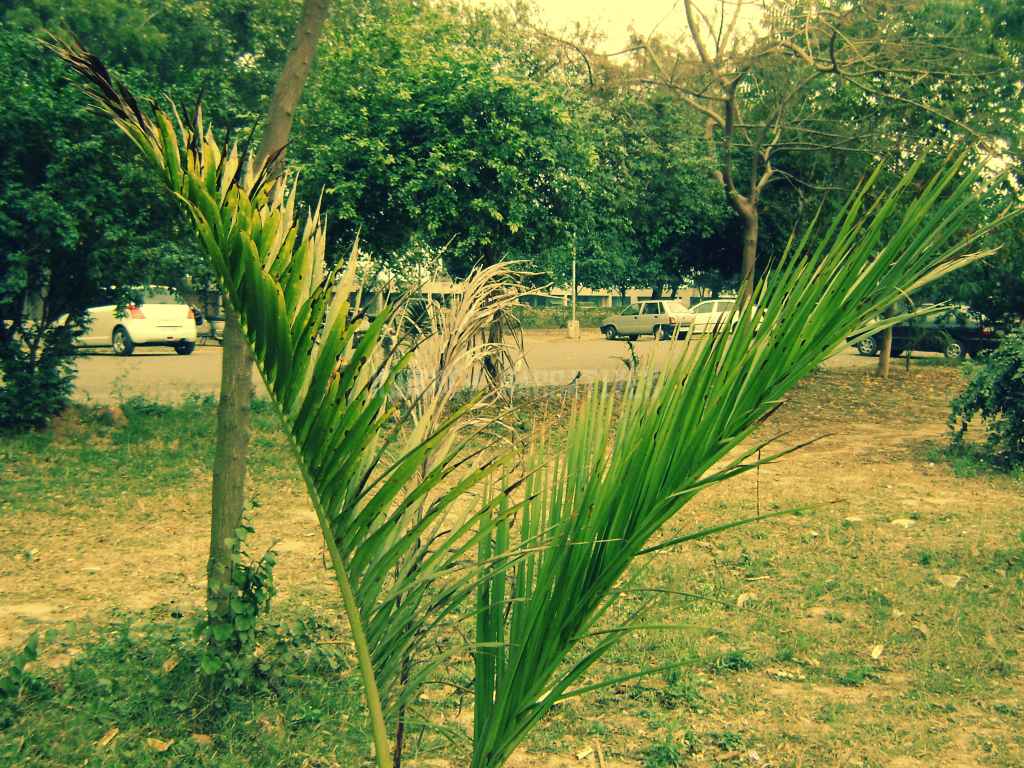
Sectors of Chandigarh: 9 Smart Design Ideas That Make the City Truly Livable
Sectors of Chandigarh are not just administrative divisions—they are the foundation of how the city functions, lives, and breathes. Designed with clarity and purpose, Chandigarh’s sector-based layout is what gives the city its calm rhythm and exceptional livability. For travelers who want to understand Chandigarh beyond landmarks, exploring the sectors offers deeper insight into how thoughtful urban planning shapes everyday life. The Planning Philosophy Behind the Sectors of Chandigarh Chandigarh was designed by Swiss-French architect Le Corbusier, who envisioned a city divided into self-sufficient sectors. Each sector was planned as a neighborhood unit, complete with markets, green spaces, schools, and places of worship. This systematic design is what sets the Sectors of Chandigarh apart from most Indian cities and continues to be referenced in discussions around modern urban planning. Why the Sectors of Chandigarh Feel So Different Unlike cities that grow organically, Chandigarh feels deliberate. Each sector follows a grid pattern, making navigation intuitive even for first-time visitors. What defines the sectors: For visitors following a broader Chandigarh destination guide, understanding the sector system adds context to every place they visit. Key Sectors Every Visitor Should Experience Not all sectors serve the same purpose, and some are especially relevant for travelers: These areas connect naturally with attractions like Sukhna Lake Chandigarh, Rock Garden Chandigarh, and the Capitol Complex, making exploration efficient and seamless. Sectors of Chandigarh as a Model of Everyday Urban Life What makes the Sectors of Chandigarh remarkable is not just how they look, but how they work. Residents rarely need to travel far for daily needs, and public spaces are designed to encourage walking and community interaction. This balance between structure and livability is a recurring theme across the city and complements its more iconic sights featured in curated Chandigarh sightseeing plans. How the Sector System Fits Into a Chandigarh Itinerary For travelers, the sector layout simplifies planning: The planned sectors of Chandigarh represent a distinctive example of urban design within India. Practical Tips for Exploring the Sectors of Chandigarh Understanding the sectors enhances both short visits and longer stays. To ensure peace of mind while traveling or living abroad, we recommend getting health insurance. SafetyWing’s Essential plan covers travel and medical emergencies with options for adventure sports and electronics theft. Their Complete plan offers comprehensive health coverage with routine healthcare, mental health support, and maternity, anywhere in the world, including in your home country, on top of all Essential benefits. Why the Sectors of Chandigarh Matter to Travelers The Sectors of Chandigarh tell a story of intention, discipline, and vision. They explain why the city feels open, organized, and calm—even decades after it was built. For travelers interested in Chandigarh beyond monuments, the sector system is not just background detail—it’s the city’s defining character. The design principles seen in Chandigarh’s sectors reflect broader conversations about urban living across Asia.

10 Must-Visit Important Coffee Plantations in India: A Journey Through the Heart of Indian Coffee
Coffee plantations in India are spread across lush hills, tropical forests, and cool, high-altitude terrains, making the country one of the world’s largest producers of coffee. Indian coffee is famous for its unique flavors, and the country’s diverse climatic conditions offer the ideal environment for growing some of the world’s best coffee beans. From the southern hills of Karnataka and Kerala to the northeastern parts of India, the coffee plantations here are not just agricultural hubs but also popular tourist destinations. To explore how coffee estates connect with plantation traditions and everyday community life, see Authentic Tea and Coffee Plantations in India That Reveal Local Life and Beverage Culture. Let’s explore the most important coffee plantations in India that contribute to the nation’s coffee industry and attract tourists looking for an immersive experience into the world of coffee. 1. Coorg Coffee Plantations – Karnataka Why Visit: Coorg, also known as Kodagu, is the coffee capital of India. The region is known for its robust and aromatic coffee varieties, including Arabica and Robusta. The lush hills and misty landscapes provide the perfect setting for coffee cultivation. 2. Chikmagalur Coffee Plantations – Karnataka Why Visit: Often referred to as the birthplace of coffee in India, Chikmagalur is home to some of the oldest coffee plantations in India. The region’s cool climate and rich soil make it perfect for cultivating high-quality coffee. 3. Wayanad Coffee Plantations – Kerala Why Visit: The Wayanad district in Kerala is known for its organic coffee plantations in India, which produce a variety of beans with rich, full-bodied flavors. The picturesque coffee estates are nestled in the Western Ghats, surrounded by dense forests and scenic views. 4. Kodagu Coffee Plantations – Karnataka Why Visit: Kodagu (Coorg) is not just famous for its coffee but also for the way the local communities maintain these estates. The region’s coffee plantations are a key part of its culture and identity, producing aromatic beans that are exported globally. 5. Nilgiri Coffee Plantations – Tamil Nadu Why Visit: The Nilgiri hills in Tamil Nadu are known for their aromatic coffee with a distinct flavor, grown at altitudes ranging from 900 meters to 2,600 meters above sea level. The cool weather and misty mornings make it an ideal place for coffee plantations in India. 6. Tura Coffee Plantations – Meghalaya Why Visit: The northeastern state of Meghalaya is quickly gaining recognition for its rich, full-bodied coffee. Tura in the Garo Hills is known for its cool weather and fertile soil, which produces high-quality Arabica coffee. 7. Araku Valley Coffee Plantations – Andhra Pradesh Why Visit: The Araku Valley in Andhra Pradesh has become famous for its organic coffee plantations in India. The coffee here is grown at an altitude of 3,000 feet, which gives it a distinctive taste. The valley’s vibrant tribal culture also contributes to the charm of the area. 8. Kodaikanal Coffee Plantations – Tamil Nadu Why Visit: Known for its cool climate and scenic landscapes, Kodaikanal in Tamil Nadu is also home to several coffee estates that produce coffee with a unique flavor profile. The plantations here offer visitors a chance to experience coffee cultivation in the heart of the Western Ghats. 9. Sikkim Coffee Plantations – Sikkim Why Visit: The picturesque state of Sikkim, located in the eastern Himalayas, is increasingly known for its organic coffee cultivation. Coffee from Sikkim is often noted for its aromatic, mild flavor with subtle hints of fruitiness. 10. Assam Coffee Plantations – Assam Why Visit: Though Assam is more famous for its tea, the state has also seen the growth of coffee plantations in India, particularly in areas like Jorhat and Sivasagar. The coffee grown here has a unique taste profile, with mild, smooth flavors and a rich aroma. From Bean to Brew: Why India’s Coffee Landscapes Leave a Lasting Impression From mist-covered hills in the Western Ghats to sunlit valleys nurtured by rich soil and shade, coffee plantations in India offer far more than scenic beauty or a caffeine fix. They are living landscapes shaped by climate, culture, and generations of careful cultivation, where coffee grows alongside stories of community, tradition, and slow living. Walking through these estates reveals how deeply coffee plantations in India are woven into local life—supporting livelihoods, influencing regional cuisine, and defining the rhythm of everyday work. Long after the journey ends, the aroma of fresh brews and the memory of shaded trails remain, proving that coffee plantations in India are not just places to visit, but experiences that stay with you.. Plantation regions offer a unique glimpse into how agriculture, culture, and everyday cuisine intersect—an important theme explored in our guide to Food and Local Life.
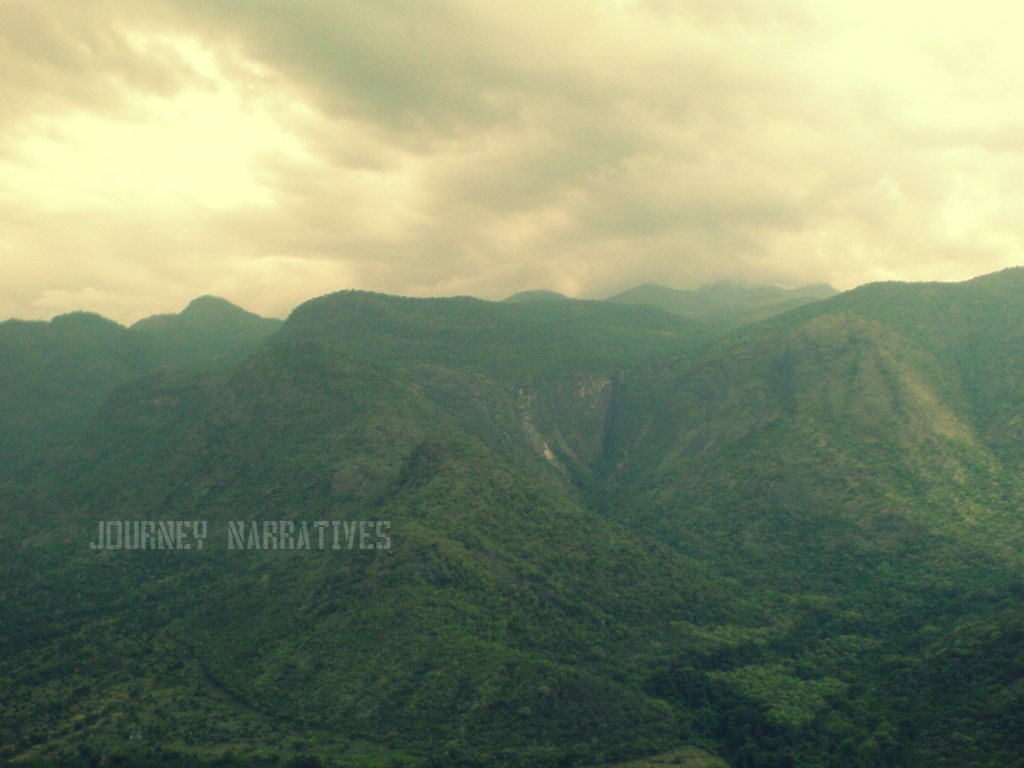
Kodaikanal Hills: 6 Powerful High-Altitude Views That Calm the Soul
The Kodaikanal hills, perched high on the Palani range, carry a different kind of intensity. Their landscapes don’t overwhelm; they steady you. Here, altitude works quietly — cooling the air, stretching the horizon, and slowing thought. The Kodaikanal hills reveal power through calm, offering views that feel less like spectacles and more like moments of alignment between land and listener. 1. Coaker’s Walk: A Horizon Meant for Stillness Tracing the edge of steep valleys, Coaker’s Walk offers wide, layered views that change noticeably with shifting light and passing mist. In the early hours, low clouds often drift across the viewpoint, softening the divide between sky and hillside and briefly limiting visibility before clearing again. The narrow, well-defined path encourages visitors to slow down, making the walk less about distance and more about observing the scale and depth of the landscape spread out below. 2. Dolphin’s Nose: The Edge That Teaches Perspective Jutting sharply into open air, Dolphin’s Nose delivers one of Kodaikanal’s most commanding and expansive viewpoints. From the edge, the land drops away into deep valleys, clearly revealing the scale and layered structure of the surrounding Palani Hills. Forested slopes, winding contours, and distant ridgelines come into view, offering a strong sense of elevation without visual clutter. Despite its height and open exposure, the viewpoint encourages stillness rather than urgency, reinforcing how physical distance and uninterrupted space can naturally quiet the mind. 3. Pillar Rocks: Strength Framed by Silence Rising prominently against the shifting sky, the Pillar Rocks form one of Kodaikanal’s most recognizable natural landmarks. These tall, vertical rock formations stand separated yet aligned, creating a strong visual contrast with the surrounding slopes and forests. Fog frequently gathers around their lower sections, partially obscuring their bases and adding depth to the view without overwhelming it. From nearby viewpoints, the landscape feels structured and balanced rather than dramatic, with the Pillar Rocks conveying a quiet sense of strength shaped by time, weather, and elevation. 4. Green Valley View: Depth Without Distraction Formerly known as Suicide Point, Green Valley View offers one of Kodaikanal’s deepest and most expansive perspectives. The viewpoint looks out over a vast drop framed by dense forests, rolling slopes, and frequent layers of mist that soften the sense of height. Rather than feeling overwhelming, the depth of the valley feels measured and composed, with natural elements providing visual balance. The open outlook encourages visitors to pause and take in the scale gradually, allowing the landscape to be experienced without urgency or distraction. 5. Berijam Lake Trails: Where Altitude Meets Solitude Beyond the lake itself, the surrounding trails rise gradually into quieter and less frequented elevations. As the paths move away from open viewpoints, forest canopies close in, allowing filtered light and shifting shadows to define the experience. Occasional clearings reveal distant hill silhouettes, offering subtle high-altitude perspectives without the sense of exposure found at cliff-edge viewpoints. These trails support a slower, more inward-focused experience, where elevation is felt through atmosphere rather than dramatic views. 6. Sunset Viewpoints Along Upper Palani Roads: Gentle Closures Away from the more crowded lookouts, several lesser-known roadside viewpoints offer open views of sunsets unfolding gradually across layered hills. As daylight recedes, colors shift slowly from warm tones to muted shades, allowing the landscape to change without dramatic contrast. The absence of crowds and elevated platforms keeps the experience grounded, aligning with Kodaikanal’s unhurried rhythm. These moments are not designed to impress instantly, but to reward those willing to pause and observe the transition in light and form. Kodaikanal’s calming high-altitude views form part of a wider pattern where elevation shapes emotion — a recurring theme explored across diverse mountain and hill landscapes in our broader highland journey. What the Kodaikanal Hills Leave Behind The Kodaikanal Hills leave behind a deep sense of quiet strength. Their views don’t shout; they steady. Long after leaving, what returns is not the height itself but the feeling of mental space — carved by mist, altitude, and horizons that seem to breathe. More than destinations, these high-altitude views become emotional markers. They remind us that power in nature doesn’t always arrive as drama or danger; sometimes it arrives as calm that stays with us, subtly reshaping how we carry ourselves back into the world.

Erode to Masinagudi to Ooty Route: 3 Scenic Stops That Make the Journey Truly Rewarding
There’s something special about road trips where the journey quietly becomes the highlight. The drive from Erode to Masinagudi to Ooty is one of those routes. It’s not just about reaching the hills—it’s about everything you experience along the way. Instead of rushing through, slow down and let the landscape unfold. These three scenic stops will turn your drive into something far more memorable. 1. Bhavanisagar Dam – A Calm Beginning Just a short detour from Erode, Bhavanisagar Dam is the perfect place to ease into your journey. Surrounded by open skies and still waters, it sets a peaceful tone before the roads begin to twist and climb. The wide reservoir, especially during early morning hours, reflects the sky beautifully. It’s quiet, uncrowded, and ideal for a quick pause—whether you want to stretch your legs, take photos, or simply enjoy the calm. Why stop here?Because every good road trip deserves a slow, meaningful start. 2. Moyar Gorge – Where the Landscape Turns Dramatic As you approach Masinagudi, the terrain begins to change—and Moyar Gorge is where things get truly breathtaking. This deep valley, carved by the Moyar River, offers sweeping views of rugged cliffs and dense forests. The air feels fresher, the silence deeper, and the scenery more raw and untamed. If you’re lucky, you might even spot wildlife in the distance, as this region is part of the larger Nilgiri Biosphere Reserve. Why stop here?Because this is where the journey shifts from pleasant to unforgettable. 3. Mudumalai National Park – Into the Wild Driving through Mudumalai isn’t just a stop—it’s an experience. The forest road winds through thick greenery, where every turn holds the possibility of spotting elephants, deer, or even peacocks crossing your path. Unlike a typical tourist attraction, this stretch feels alive. You’re not just observing nature—you’re passing through it. Keep your speed low, windows slightly open, and senses alert. This is one of those rare drives where silence speaks louder than words. Why stop here?Because few journeys let you feel this connected to the wild. Final Stretch: The Climb to Ooty After Masinagudi, the road climbs steeply toward Ooty with a series of hairpin bends. This part of the drive demands focus, but rewards you with misty views, cooler air, and that unmistakable hill station charm. By the time you reach Ooty, you’ll realize something—the destination is beautiful, yes. But the journey? That’s what stayed with you. Travel Tips for Erode Masinagudi Ooty Route Why the Erode to Masinagudi to Ooty Route Is Truly Rewarding Many travelers rush to Ooty via the faster routes. But choosing the Erode–Masinagudi road is about choosing experience over efficiency. It’s about watching landscapes evolve, pausing where it feels right, and allowing the journey to unfold at its own pace. And in the end, that’s what makes it truly rewarding. If you enjoy routes like this, explore our 4 Proven Well-Planned India Travel Itineraries That Balance Time, Distance, and Meaningful Experiences for thoughtfully crafted journeys that make every mile count.
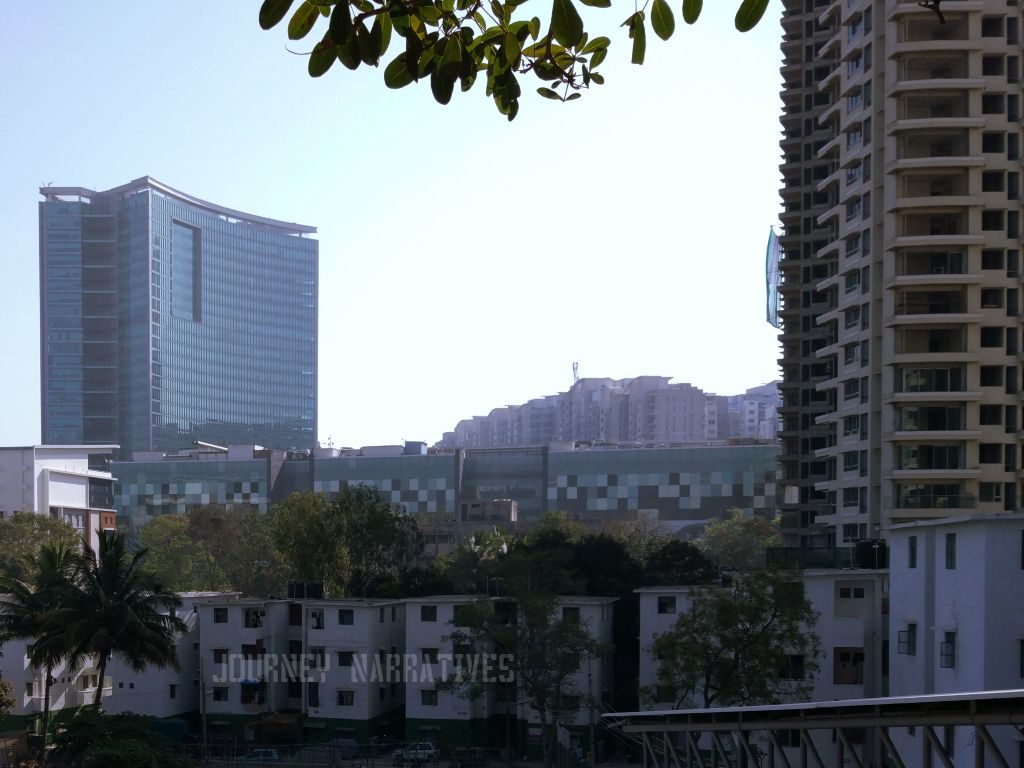
Planned Layouts of Bengaluru: 5 Best Smart Design Elements That Shape the City’s Urban Identity
Planned Layouts of Bengaluru are one of the most defining yet understated features of the city. Beyond tech parks and cafés, Bengaluru’s identity is deeply shaped by its organized residential layouts, grid-like roads, green pockets, and systematically developed neighborhoods. For travelers who look beyond tourist landmarks, understanding the Planned Layouts of Bengaluru reveals how the city balances rapid growth with structured urban planning. To explore how these layouts connect with real experiences in the city, check out our Bengaluru Travel Guide for a complete overview of its top attractions and neighborhoods. 1. The Grid System That Encourages Order Many of Bengaluru’s prominent localities — such as Jayanagar, Indiranagar, and HSR Layout — were developed with a clear block and sector-based system. Roads are numbered or categorized logically, making navigation simpler compared to organically grown cities. This structured approach contributes to a sense of predictability and ease, especially for visitors staying in residential zones. 2. Integrated Green Spaces Within Neighborhoods One of the key features of the Planned Layouts of Bengaluru is the inclusion of parks within residential blocks. Small public gardens are often located within walking distance, creating accessible green relief across neighborhoods. This consistent integration of greenery reinforces the city’s reputation as a relatively livable metropolitan hub. 3. Clear Zoning of Residential and Commercial Areas Unlike older cities where markets and homes often blend together, many Bengaluru layouts were designed with designated commercial streets and residential interiors. This separation reduces congestion within housing areas while keeping essential services nearby — a design choice that subtly enhances daily life. 4. Wide Roads and Tree-Lined Avenues Several planned neighborhoods feature comparatively wider roads and footpaths, along with mature tree canopies that provide shade. This makes walking more comfortable and visually appealing. For travelers exploring the city beyond major tourist attractions, these well-organized areas reveal a calmer, more livable side of Bengaluru. 5. A Model That Influenced Modern Expansion The Planned Layouts of Bengaluru have influenced how newer extensions of the city are conceptualized. While rapid development brings challenges, the earlier planning models continue to shape infrastructure decisions. This urban structure adds another layer to Bengaluru’s story — one that goes beyond IT growth and highlights thoughtful civic design. For those planning a broader journey, browse our India Travel Guide to experience diverse urban and cultural landscapes across the country. Why This Matters for Travelers Understanding the Planned Layouts of Bengaluru adds context to your visit. It explains why certain neighborhoods feel spacious, why parks are easily accessible, and why some areas appear more organized than others. For visitors staying in residential zones or exploring local cafés and markets, the city’s layout subtly shapes the overall travel experience. How Bengaluru’s Planning Connects to Karnataka’s Broader Identity Bengaluru’s structured development reflects a broader pattern seen across Karnataka — a balance between growth and preservation. While the state is home to rapidly expanding urban centers, it also sustains historic towns, coastal settlements, temple cities, and hill regions that retain strong cultural and spatial identity. The organized layouts of Bengaluru mirror this larger approach: thoughtful planning, integration of green spaces, and an attempt to create order within expansion. Just as Bengaluru blends infrastructure with livability, other parts of Karnataka balance heritage with progress, nature with accessibility. For travelers interested in exploring how these contrasts unfold across different regions, our detailed Karnataka Travel Guide connects urban hubs, scenic landscapes, and cultural destinations into one cohesive journey. The Urban Story Behind the Skyline Planned Layouts of Bengaluru may not appear in traditional sightseeing lists, yet they define how the city functions and feels. They influence daily life, travel convenience, and the overall urban atmosphere. For travelers who enjoy understanding a destination beyond its surface attractions, Bengaluru’s layout offers an unexpected but meaningful perspective — one that reveals the city’s design intelligence as much as its cultural vibrancy. For wider inspiration beyond India, explore our Asia Travel Guide and uncover unique cities and travel experiences across the continent.
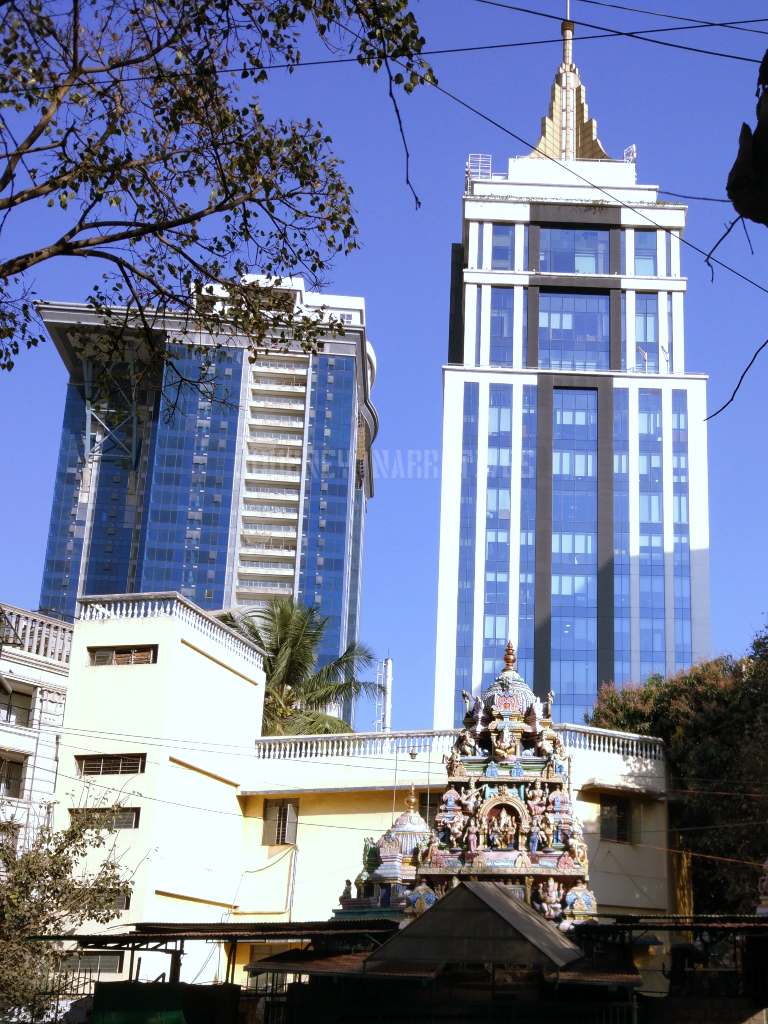
UB City, Bengaluru: 5 Distinctive Experiences That Reveal the City’s Modern Edge
UB City, Bengaluru stands as one of the clearest expressions of the city’s contemporary identity. Located in the heart of the central business district, this upscale commercial complex reflects Bengaluru’s global ambitions through architecture, lifestyle, and curated experiences. For travelers who want to understand Bengaluru beyond gardens and historic sites, UB City Bengaluru offers insight into the city’s evolving modern edge. To plan your visit better, check out our Bengaluru Travel Guide for a complete overview of the city’s top attractions and experiences. 1. Experiencing Architecture That Signals Global Aspirations The moment you enter UB City, the design language shifts. Clean lines, expansive courtyards, and structured façades create an atmosphere that feels internationally aligned. Unlike traditional shopping streets, the complex is organized vertically and spatially, allowing natural light and open-air movement. The architecture itself becomes part of the experience, framing the city skyline from within. 2. Discovering Luxury Retail in a Curated Setting UB City Bengaluru is known for its premium retail presence. International and high-end brands occupy thoughtfully designed storefronts, creating a polished environment that differs from conventional malls. Even for visitors not focused on shopping, walking through the complex provides a glimpse into Bengaluru’s lifestyle evolution — where global commerce meets local energy. 3. Dining Above the City One of the most distinctive experiences at UB City lies in its upper-level restaurants and rooftop venues. Dining here is not only about cuisine but also about perspective. As the evening sets in, city lights begin to frame the skyline, and the atmosphere shifts toward a more refined social setting. It’s a popular space for business gatherings, celebrations, and relaxed evenings alike. 4. Observing the Blend of Business and Leisure UB City Bengaluru houses corporate offices alongside retail and dining spaces. This coexistence creates an interesting dynamic — professionals during the day, lifestyle seekers by evening. The transition highlights how Bengaluru balances its role as a business hub with its growing urban culture. It is a living example of how work and leisure intersect in modern cities. 5. Seeing Bengaluru’s Contemporary Identity Up Close If Lalbagh reflects the city’s historic botanical legacy, UB City Bengaluru represents its forward-facing ambition. The complex symbolizes a shift toward international connectivity, economic growth, and curated urban living. For travelers aiming to experience the full spectrum of Bengaluru — from green heritage spaces to modern commercial landmarks — this contrast adds important perspective. Best Time to Visit UB City Bengaluru Evenings and weekends tend to be the most vibrant, with restaurants and cafés drawing steady crowds. Weekdays during business hours offer a quieter, more relaxed atmosphere for exploration. Festive seasons often bring subtle décor enhancements and curated events, adding seasonal character to the space. How UB City Fits Into a Karnataka Itinerary UB City Bengaluru works best when paired with nearby attractions such as Lalbagh Botanical Garden, Cubbon Park, and central administrative landmarks. Together, they reveal the layered personality of the city — natural, historic, and contemporary. For those planning a broader journey across the state, our detailed Karnataka Travel Guide connects Bengaluru’s modern urban experiences with coastal destinations, heritage towns, and scenic hill regions for a well-rounded itinerary. Why UB City Bengaluru Is Worth Visiting UB City Bengaluru may not carry centuries of history, yet it holds cultural relevance in a different way. It represents where the city stands today — ambitious, connected, and confidently modern. For visitors who enjoy observing how cities evolve, this landmark offers more than shopping or dining. It provides context. It shows how Bengaluru positions itself within a global framework while remaining rooted in Karnataka. That modern edge is subtle but unmistakable — and experiencing it firsthand adds depth to any Bengaluru trip. If you’re planning a wider journey, browse our India Travel Guide for diverse travel experiences across the country. For broader inspiration, explore our Asia Travel Guide and uncover unique destinations across the continent.

Kanyakumari: 8 Breathtaking Reasons This Coastal Town Will Leave You Spellbound
There is a place at the southern edge of India where the land simply stops—and the oceans begin. In Kanyakumari, you don’t just see the sea. You witness three seas meeting. You watch the sun rise from water and sink into water. And somewhere between those two moments, you realise this coastal town is unlike anywhere else. Kanyakumari doesn’t overwhelm you with activity. Instead, it quietly delivers experiences that stay with you long after you’ve left. If coastal landscapes and cultural depth like this inspire you, explore more across the state in our Tamil Nadu Travel Guide. Here’s what makes it so unforgettable. When Sunrise Feels Like a Ceremony Most places have beautiful sunrises. Kanyakumari has a gathering. Before dawn, people walk silently toward the shore. The sky begins to soften. Then suddenly, the sun appears—from the ocean itself. No buildings. No hills. Just light emerging from water. It’s not something you watch casually. It’s something you absorb. The Rock That Stands for Strength and Reflection Off the coast, surrounded entirely by sea, stands the Vivekananda Rock Memorial. A short ferry ride takes you there. This is where Swami Vivekananda is believed to have meditated before beginning his life’s mission. Today, visitors sit quietly on the same rock, watching the horizon. You don’t need to follow his philosophy to appreciate the stillness here. A Statue That Watches the Ocean Without Fear Near the memorial rises the towering Thiruvalluvar Statue, dedicated to the ancient Tamil poet and philosopher. From a distance, it looks almost symbolic—as if guarding the meeting point of the seas. Up close, it reminds you how deeply culture and geography are connected in this town. The Rare Magic of Sunset Over the Ocean Here’s something unusual: in Kanyakumari, sunset happens over water too. As evening approaches, the sky turns orange, then red, then slowly fades. People don’t rush away. They stay. They watch until the last light disappears. It feels like closure. The Shoreline That Connects Three Seas This is the southernmost tip of mainland India, where the Bay of Bengal, Arabian Sea, and Indian Ocean meet. You may not see a line separating them—but knowing they’re there changes how you see the water. It gives the place meaning beyond its beauty. A Temple That Carries Ancient Belief Close to the shore stands the Kanyakumari Amman Temple, dedicated to the goddess Devi Kanya Kumari. For centuries, people have come here seeking blessings. Even if you visit only briefly, you can feel the devotion that surrounds it. The Ferry Ride You Didn’t Expect to Enjoy So Much Sometimes, the simplest moments become the most memorable. The short boat ride across the water—with waves splashing and wind rushing past—becomes an experience in itself. For a few minutes, you’re surrounded by nothing but sea and sky. The Feeling of Standing at India’s Edge There’s something emotional about standing at the southernmost point of a country. You realise there is no more land ahead. Only ocean. It gives you perspective—in the quietest way. Before You Leave, Know This Kanyakumari isn’t about doing many things quickly. It’s about slowing down enough to notice what’s already there: And how they make you feel. Places where nature and culture meet like this are found across the country—discover more in our India Travel Guide. Travel Essentials Best time to visit: October to MarchIdeal stay: 1–2 daysNearest airport: Trivandrum (about 90 km) One Last Look Before Goodbye As you prepare to leave Kanyakumari, you may find yourself looking at the ocean one last time. Not because you missed something. But because you don’t want to forget how it felt to be there. For journeys through stunning coastlines and culturally rich destinations beyond India, browse our Asia Travel Guide for inspiration.

8 Stunning Places in Lonavala That Make It Truly Worth Visiting
Lonavala is one of the most beautiful hill stations in Maharashtra, loved for its misty mountains, peaceful lakes, and refreshing climate. Located between Mumbai and Pune, this charming destination offers the perfect escape from city life. Whether you’re looking for scenic views, historic forts, or quiet moments in nature, Lonavala has a way of making every visitor feel relaxed and inspired. If you’re coming from the city, our Mumbai Travel Guide helps you easily connect your trip to Lonavala. What truly makes Lonavala special is the variety of stunning places that create unforgettable memories. Tiger Point Offers Views You’ll Never Forget One of the most breathtaking spots in Lonavala is Tiger Point. Standing here, you’ll see vast valleys stretching into the distance, often covered in mist. The cool breeze, the dramatic cliffs, and the endless horizon create a magical atmosphere. Sunrise and sunset are especially beautiful, making it a must-visit for anyone who loves nature. Bhushi Dam Creates Joyful and Refreshing Moments Bhushi Dam is one of the most popular attractions, especially during the monsoon season. Watching water flow over the steps while surrounded by green hills is a delightful experience. Visitors often spend time here simply enjoying the cool water and peaceful surroundings. It’s one of those places where time seems to slow down. Karla Caves Reveal Ancient Beauty and History The ancient Karla Caves offer a fascinating glimpse into India’s past. These rock-cut caves, built over 2,000 years ago, are filled with intricate carvings and spiritual energy. Walking through these caves feels like stepping into another era, making it both a cultural and emotional experience. Pawna Lake Is Perfect for Peace and Relaxation Pawna Lake is one of the most peaceful places near Lonavala. Surrounded by hills and open skies, it offers a calm escape from busy life. Whether you visit for camping, photography, or simply to sit quietly, the lake has a soothing effect on the mind. Lohagad Fort Brings Adventure and Incredible Views For those who enjoy adventure, Lohagad Fort is an unforgettable destination. The trek to the top is exciting, and the views from above are truly rewarding. You’ll see green landscapes stretching endlessly, reminding you of nature’s beauty. Lonavala Lake Reflects the Quiet Charm of the Hill Station Lonavala Lake is a hidden gem that offers a peaceful atmosphere. Unlike crowded spots, this lake feels calm and personal. It’s perfect for those who want to experience the quieter side of Lonavala. Rajmachi Fort Connects You With Nature and History The historic Rajmachi Fort is surrounded by forests and scenic trails. Visiting this fort is not just about history—it’s about the journey through nature. It’s especially beautiful during monsoon, when everything turns lush green. Lonavala Itself Is the True Experience Beyond individual attractions, the true magic lies in Lonavala itself. The cool weather, winding roads, and mountain views create an atmosphere that feels refreshing and healing. Even a simple drive through the hills becomes a memorable experience. For a broader itinerary, explore our India Travel Guide to discover more destinations beyond Lonavala. A Hill Station That Stays in Your Heart Lonavala is more than just a weekend destination—it’s a place where nature, peace, and beauty come together. Every viewpoint, lake, and fort adds something special to your journey. Whether you’re visiting for adventure or relaxation, Lonavala leaves you with memories that last long after you leave. It’s not just worth visiting—it’s worth experiencing fully. If you’re planning to explore more destinations like this, don’t miss my detailed Maharashtra Travel Guide, where I’ve shared the most beautiful and meaningful places across the state. You can also browse the Asia Travel Guide for more scenic hill destinations across the region.
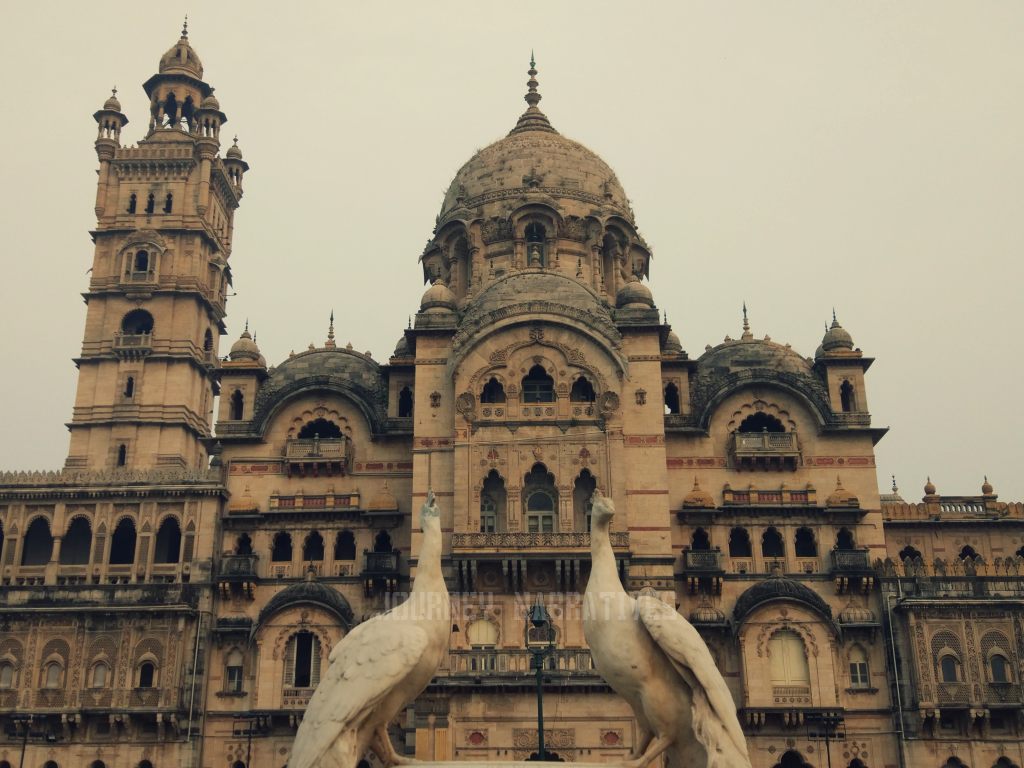
Is Lakshmi Vilas Palace, Vadodara Worth Visiting? 7 Things You Should Know First
Lakshmi Vilas Palace, Vadodara is one of those places that instantly sparks curiosity the moment you hear about it. Known for its sheer scale and royal legacy, Lakshmi Vilas Palace stands as a powerful reminder of India’s princely past. But beyond the grandeur, many travelers wonder—is Lakshmi Vilas Palace, Vadodara actually worth visiting? The answer isn’t just a simple yes or no—it depends on what you seek. Here are 7 important things you should know before visiting Lakshmi Vilas Palace, Vadodara to decide for yourself. 1. It’s Not Just a Palace—It’s a Living Royal Residence Unlike many historical sites, parts of Lakshmi Vilas Palace are still home to the royal family of Sayajirao Gaekwad III. This means access is limited to specific sections, giving your visit a sense of exclusivity—but also setting clear boundaries on what you can explore. 2. The Sheer Scale Is Surprisingly Massive One of the first things that strikes you is the scale. The palace grounds, sprawling lawns, and grand façade make most visitors pause in awe. It’s said to be several times larger than Buckingham Palace—something you can truly feel as you walk through its vast surroundings. 3. The Interiors Are Elegant—but Controlled Inside, you’ll find a curated glimpse of royal life—ornate halls, vintage decor, and artistic details. However, don’t expect full freedom to wander. The experience is structured, often guided, and certain areas remain off-limits to preserve heritage and privacy. 4. Photography Restrictions May Surprise You If you love capturing every moment, this is something to note. Photography is restricted in many interior sections. While this helps preserve the space, it can feel limiting if you were hoping to document everything. 5. The Museum Adds Depth to Your Visit The on-site museum enriches the experience with artifacts, artworks, and historical exhibits connected to the Gaekwad dynasty. It’s here that the palace transforms from a beautiful structure into a meaningful story. 6. Lakshmi Vilas Palace, Vadodara Is More About Appreciation Than Entertainment If you’re expecting an interactive or highly engaging tourist attraction, you might find it a bit quiet. But if you enjoy history, architecture, and subtle details, the experience becomes far more rewarding. 7. The Overall Experience Depends on Your Travel Style For some, Lakshmi Vilas Palace feels like a highlight—majestic, refined, and memorable. For others, the restrictions and structured format may feel limiting. It ultimately comes down to whether you enjoy reflective, heritage-focused travel. So, Is Lakshmi Vilas Palace Worth Visiting? Yes—if you appreciate history, architecture, and the quiet elegance of royal spaces. It may not be a fast-paced attraction, but it offers something deeper: a glimpse into a way of life that still exists, preserved with dignity and restraint. A Meaningful Stop in Your Gujarat Journey Experiences like Lakshmi Vilas Palace add depth to your travels, especially when paired with other culturally rich destinations. If you’re planning to explore more such places, our Vadodara Travel Guide helps you connect nearby experiences and heritage spots into a well-paced journey.For a broader route filled with diverse landscapes and cultural richness, explore our India Travel Guide.And if you’re looking to expand beyond borders into a wider mix of history and culture, our Asia Travel Guide offers plenty of inspiration. What Lakshmi Vilas Palace Leaves Behind A visit here doesn’t overwhelm you—it lingers quietly. Long after you leave, you may find yourself reflecting on its scale, its restraint, and the balance it holds between past and present. And sometimes, that quiet impression is what makes a place truly worth visiting. If you’re planning to explore more royal landmarks and cultural spots beyond the palace, don’t miss our guide on the 12 Best Places to Visit in Vadodara for a Royal Heritage Experience to make the most of your trip.