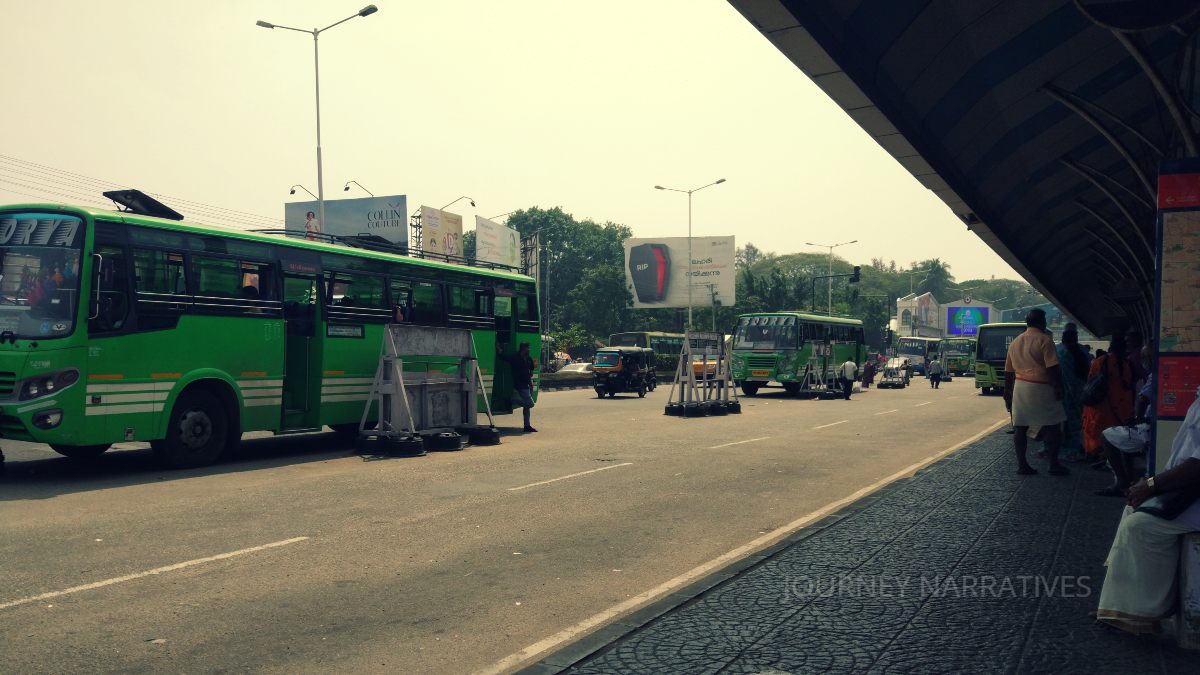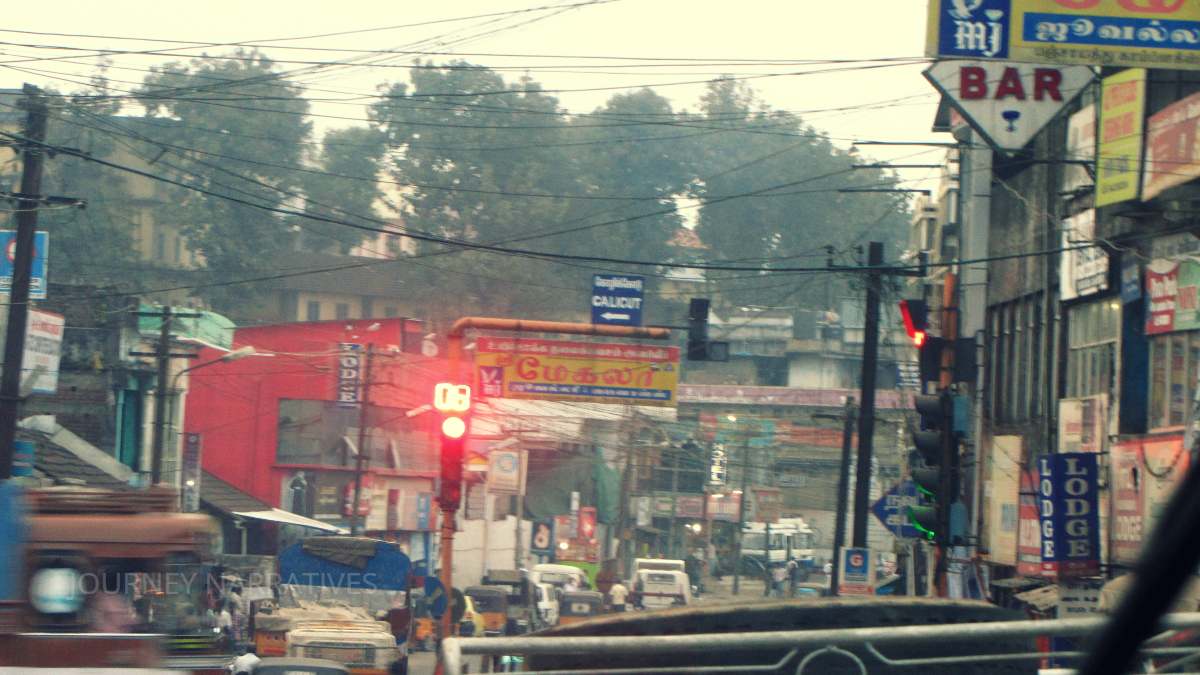
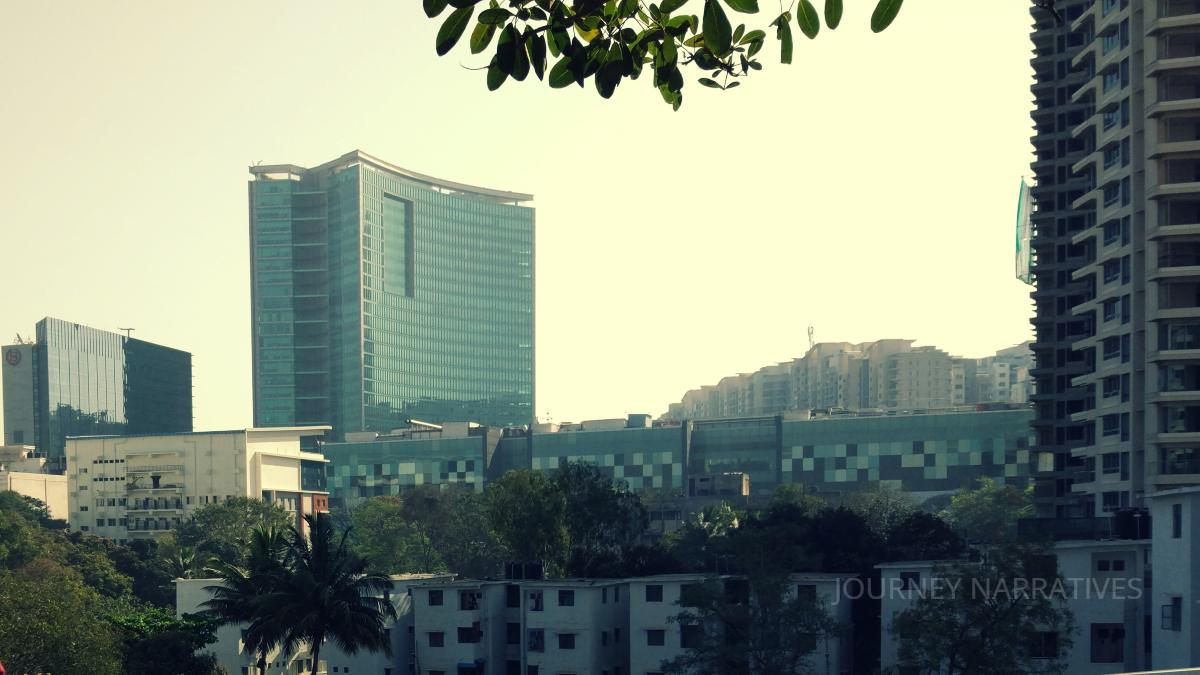
Planned Layouts of Bengaluru are one of the most defining yet understated features of the city. Beyond tech parks and cafés, Bengaluru’s identity is deeply shaped by its organized residential layouts, grid-like roads, green pockets, and systematically developed neighborhoods.
For travelers who look beyond tourist landmarks, understanding the Planned Layouts of Bengaluru reveals how the city balances rapid growth with structured urban planning.
To explore how these layouts connect with real experiences in the city, check out our Bengaluru Travel Guide for a complete overview of its top attractions and neighborhoods.
Table of Contents
1. The Grid System That Encourages Order
Many of Bengaluru’s prominent localities — such as Jayanagar, Indiranagar, and HSR Layout — were developed with a clear block and sector-based system. Roads are numbered or categorized logically, making navigation simpler compared to organically grown cities.
This structured approach contributes to a sense of predictability and ease, especially for visitors staying in residential zones.
2. Integrated Green Spaces Within Neighborhoods
One of the key features of the Planned Layouts of Bengaluru is the inclusion of parks within residential blocks. Small public gardens are often located within walking distance, creating accessible green relief across neighborhoods.
This consistent integration of greenery reinforces the city’s reputation as a relatively livable metropolitan hub.
3. Clear Zoning of Residential and Commercial Areas
Unlike older cities where markets and homes often blend together, many Bengaluru layouts were designed with designated commercial streets and residential interiors.
This separation reduces congestion within housing areas while keeping essential services nearby — a design choice that subtly enhances daily life.
4. Wide Roads and Tree-Lined Avenues
Several planned neighborhoods feature comparatively wider roads and footpaths, along with mature tree canopies that provide shade. This makes walking more comfortable and visually appealing.
For travelers exploring the city beyond major tourist attractions, these well-organized areas reveal a calmer, more livable side of Bengaluru.
5. A Model That Influenced Modern Expansion
The Planned Layouts of Bengaluru have influenced how newer extensions of the city are conceptualized. While rapid development brings challenges, the earlier planning models continue to shape infrastructure decisions.
This urban structure adds another layer to Bengaluru’s story — one that goes beyond IT growth and highlights thoughtful civic design.
For those planning a broader journey, browse our India Travel Guide to experience diverse urban and cultural landscapes across the country.
Why This Matters for Travelers
Understanding the Planned Layouts of Bengaluru adds context to your visit. It explains why certain neighborhoods feel spacious, why parks are easily accessible, and why some areas appear more organized than others.
For visitors staying in residential zones or exploring local cafés and markets, the city’s layout subtly shapes the overall travel experience.

How Bengaluru’s Planning Connects to Karnataka’s Broader Identity
Bengaluru’s structured development reflects a broader pattern seen across Karnataka — a balance between growth and preservation. While the state is home to rapidly expanding urban centers, it also sustains historic towns, coastal settlements, temple cities, and hill regions that retain strong cultural and spatial identity.
The organized layouts of Bengaluru mirror this larger approach: thoughtful planning, integration of green spaces, and an attempt to create order within expansion. Just as Bengaluru blends infrastructure with livability, other parts of Karnataka balance heritage with progress, nature with accessibility.
For travelers interested in exploring how these contrasts unfold across different regions, our detailed Karnataka Travel Guide connects urban hubs, scenic landscapes, and cultural destinations into one cohesive journey.
The Urban Story Behind the Skyline
Planned Layouts of Bengaluru may not appear in traditional sightseeing lists, yet they define how the city functions and feels. They influence daily life, travel convenience, and the overall urban atmosphere.
For travelers who enjoy understanding a destination beyond its surface attractions, Bengaluru’s layout offers an unexpected but meaningful perspective — one that reveals the city’s design intelligence as much as its cultural vibrancy.
For wider inspiration beyond India, explore our Asia Travel Guide and uncover unique cities and travel experiences across the continent.