
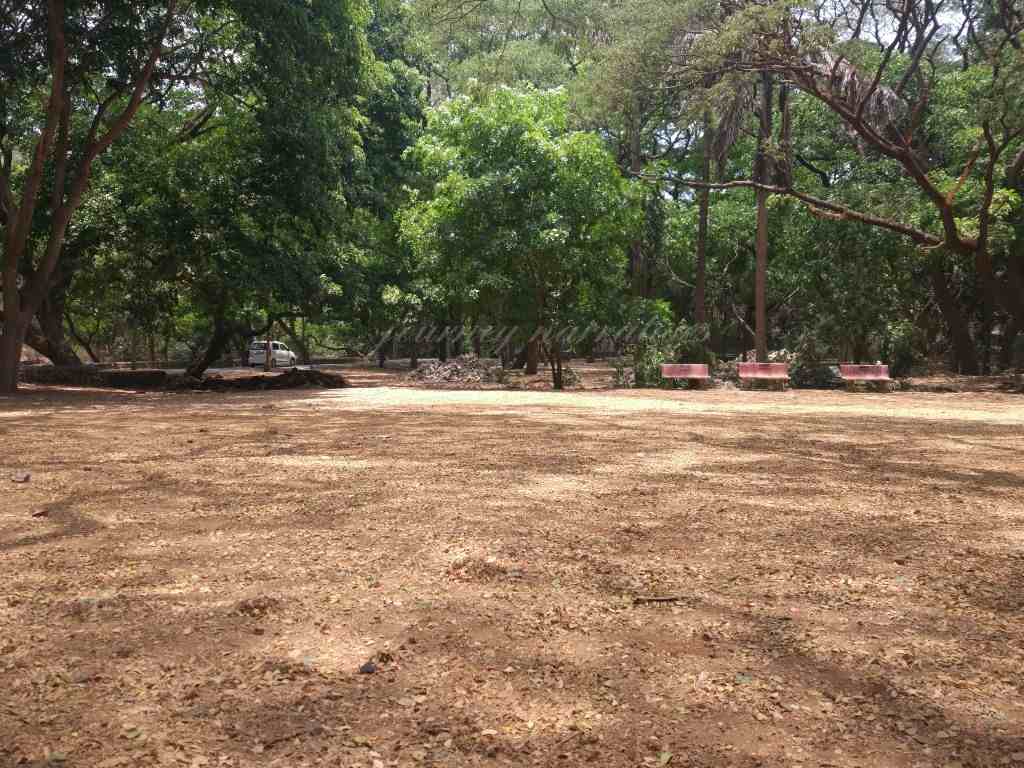
Sanjay Gandhi National Park, Mumbai is one of the rare places in the world where a thriving national park exists within a major city. Spread across lush green forests, scenic trails, and historic sites, this natural escape offers a refreshing break from Mumbai’s fast pace. Located in Borivali, Sanjay Gandhi National Park Mumbai is a paradise for nature lovers, walkers, wildlife enthusiasts, and anyone seeking peace. From ancient caves to quiet lakes, the park offers experiences that help you slow down and reconnect with nature. While exploring the lush landscapes of Sanjay Gandhi National Park, plan the rest of your trip with our detailed Mumbai Travel Guide. Here are 9 peaceful escapes inside Sanjay Gandhi National Park Mumbai that will refresh you. 1. Walking Through the Green Forest Trails One of the most calming experiences in the park is simply walking through its forest paths. Surrounded by tall trees, fresh air, and birdsong, these trails offer a quiet escape far from traffic and noise. Every step feels relaxing and grounding. 2. Visiting the Historic Kanheri Caves Hidden within the park are the ancient Kanheri Caves, which date back over 2,000 years. These rock-cut Buddhist caves reflect India’s rich spiritual and architectural history. The peaceful surroundings make the experience even more meaningful. It’s one of the most fascinating places inside the park. 3. Enjoying the Scenic Beauty of Tulsi Lake Tulsi Lake, located within the park, offers beautiful views and calm surroundings. The still water, greenery, and quiet environment make it a perfect place to pause and appreciate nature. It’s a refreshing visual treat. 4. Cycling Through Nature Cycling is one of the best ways to explore Sanjay Gandhi National Park Mumbai. As you ride through tree-lined roads, you experience both adventure and peace at the same time. It’s enjoyable for both beginners and regular cyclists. 5. Experiencing the Lion and Tiger Safari The park also offers a safari where visitors can safely observe lions and tigers. Seeing these majestic animals in a natural setting is both exciting and memorable. It adds a unique wildlife experience to your visit. 6. Relaxing by the Peaceful Vihar Lake Another beautiful spot inside the park is Vihar Lake. Surrounded by greenery, this area offers a calm atmosphere perfect for relaxation and quiet moments. It’s ideal for nature lovers. 7. Sanjay Gandhi National Park Mumbai Is Perfect for Birdwatching The park is home to many species of birds. Birdwatchers and photographers often visit to observe and capture these beautiful creatures in their natural habitat. Even casual visitors can enjoy the sights and sounds. 8. Enjoying a Quiet Picnic in Nature There are several open spaces where visitors can sit and relax. Having a simple picnic surrounded by trees and fresh air feels refreshing and peaceful. It’s perfect for families and friends. 9. Feeling Completely Away from the City Perhaps the most special experience is the emotional escape. Even though you are still in Mumbai, Sanjay Gandhi National Park Mumbai makes you feel far away from the busy city. The silence, greenery, and fresh air create a sense of calm that stays with you. Nearby urban attractions like Marine Drive offer iconic city views, but this park offers nature’s peace. For a complete city experience, don’t miss our guide on 15 Best Things to Do in Mumbai for an Unforgettable Experience. Best Time to Visit Sanjay Gandhi National Park, Mumbai Avoid hot afternoon hours in summer. How to Reach Sanjay Gandhi National Park Mumbai The park entrance is close to the station. Planning a broader trip? Explore our India Travel Guide for destinations across the country. Things to Keep in Mind Before Visiting To make the most of your visit: A little preparation makes the experience more enjoyable. The Experience You’ll Take Back A visit to Sanjay Gandhi National Park Mumbai is not just about sightseeing — it’s about how you feel while you’re there. The quiet trails, fresh air, and natural beauty create a sense of calm that stays with you even after you leave. It reminds you that nature is never too far away, even in a busy city. If you’re planning to explore more nature and heritage destinations like this, don’t miss our Maharashtra Travel Guide, where you’ll find forts, beaches, caves, and unforgettable experiences across the state. You can also browse the Asia Travel Guide for more nature and cultural experiences beyond India.
Akshardham Temple, Gandhinagar: 10 Serene Reasons This Spiritual Landmark Deserves Your Time
If you’re searching for a place that blends spirituality, architecture, culture, and calmness in one setting, Akshardham Temple Gandhinagar should be high on your Gujarat itinerary. Located in the peaceful capital city of Gandhinagar, the magnificent Swaminarayan Akshardham is not just a temple — it’s a cultural complex that leaves visitors inspired, reflective, and surprisingly informed. To experience nearby heritage and cultural attractions, explore our Ahmedabad travel guide, featuring iconic spots like Sabarmati Riverfront and Gandhi Ashram. Here’s why this landmark is far more than a quick sightseeing stop. 1. A Masterpiece of Pink Sandstone Architecture The first thing you notice is the intricate craftsmanship. Built from thousands of carved pink sandstone blocks, the temple stands without structural steel support. Every pillar, dome, and arch reflects traditional Indian temple architecture with astonishing detail. Even if you’re not deeply religious, the artistry alone is worth the visit. 2. A Tribute to Bhagwan Swaminarayan The temple is dedicated to Swaminarayan, a revered spiritual reformer and the central figure of the Swaminarayan tradition. Inside the main mandir, the beautifully adorned idol creates a serene atmosphere. Visitors often describe feeling an unexpected sense of calm the moment they step inside. 3. Operated by BAPS The complex is managed by BAPS Swaminarayan Sanstha, a globally respected spiritual organization known for building grand temples around the world. The management is disciplined, clean, and extremely well organized — something many first-time visitors appreciate. 4. Not Just a Temple — A Cultural Experience Beyond the mandir, Akshardham features exhibition halls that explore: These exhibitions make the visit educational, especially for families and young travelers. 5. The Sahajanand Darshan Exhibitions One of the highlights is the immersive exhibition experience using animatronics, light shows, and storytelling to narrate the life and teachings of Swaminarayan. It’s thoughtfully designed and engaging without feeling overwhelming. 6. Evening Light & Sound Show If you stay till sunset, don’t miss the water and light show. The musical fountain performance combines storytelling, lights, and spiritual messages in an open-air amphitheater. It adds a dramatic yet meaningful end to your visit. 7. Extremely Clean & Peaceful Premises Unlike many crowded temple complexes in India, Akshardham maintains: It feels structured yet welcoming. 8. Important Visitor Guidelines (Read Before You Go) Many travelers search: Here’s what you should know: Planning ahead avoids inconvenience. 9. Easily Accessible from Ahmedabad Akshardham Temple is about 25 km from Ahmedabad, making it an easy half-day trip. If you’re exploring: Adding Akshardham creates a balanced mix of culture, nature, and spirituality. 10. A Place for Reflection, Not Just Tourism What makes Akshardham special isn’t just its size or beauty. It’s the atmosphere. You’ll see families sitting quietly in gardens, elderly couples praying, children asking questions about history — and travelers simply absorbing the calm energy. It slows you down. If you’re planning to explore more destinations across the country, browse our India Travel Guide for diverse travel experiences. Practical Information for Visitors Location: Sector 20, Gandhinagar, GujaratBest Time to Visit: October to MarchRecommended Duration: 2–3 hoursEntry Fee: Temple entry is free; exhibitions and shows have separate ticket chargesClosed Day: Usually Monday Is Akshardham Temple Gandhinagar Worth Visiting? If you’re interested in: Then yes — it’s absolutely worth visiting. Akshardham Temple, Gandhinagar is not just about devotion. It’s about design, discipline, storytelling, and experiencing Indian culture in an immersive yet serene way. If you’re planning a wider itinerary, explore our complete Gujarat travel guide to discover more cultural, heritage, and nature experiences across the state. For wider inspiration beyond India, explore our Asia Travel Guide and discover unique cultures and landscapes across the continent.
Indroda Nature Park, Gujarat: 9 Wild Surprises Inside India’s Own Jurassic & Jungle Escape
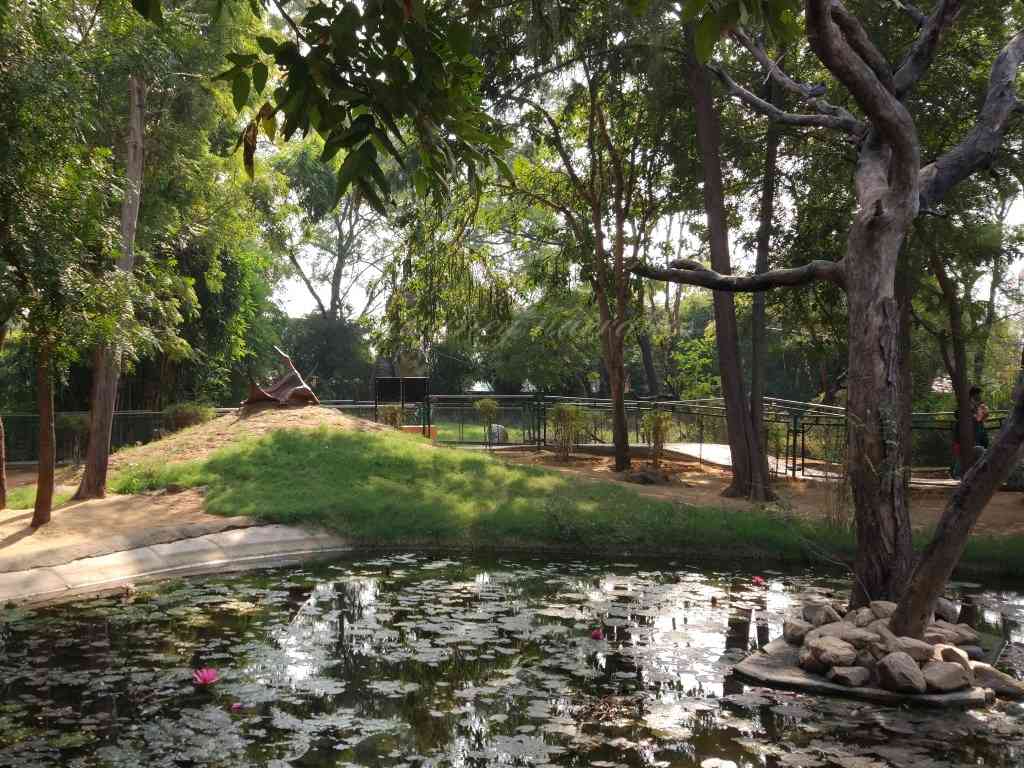
If you’re searching for a peaceful yet fascinating outdoor experience, Indroda Nature Park, Gujarat might surprise you. Tucked away in the capital city of Gandhinagar, this expansive green sanctuary blends prehistoric history, wildlife, and riverside serenity in one unique space. Often called India’s own “Jurassic Park,” Indroda Nature Park is far more than a zoo or picnic spot. It’s a 400-hectare nature escape where dinosaur fossils, deer trails, botanical gardens, and quiet forest paths coexist beautifully. Whether you’re planning a family outing, a short trip from Ahmedabad, or simply looking for nature places in Gujarat, Indroda offers something refreshingly different — educational, peaceful, and deeply rooted in the land’s ancient story. 1. It’s Known as India’s “Jurassic Park” Yes, dinosaurs once roamed Gujarat. Indroda is home to a Dinosaur & Fossil Park displaying real fossilized eggs and skeletal remains discovered across the state. The region near Balasinor is globally recognized for dinosaur fossils, and Indroda showcases that legacy in an accessible, educational format. It’s not just for kids — adults fascinated by prehistoric life will genuinely enjoy walking through the fossil section. 2. A Rare Blend of Zoo + Botanical Park + Fossil Exhibit Unlike typical zoos, Indroda feels spacious and natural. You’ll find: The layout is calm and walkable, making it ideal for families, photographers, and slow travelers. 3. A Riverside Forest Escape in the Capital City Built along the banks of the Sabarmati River, the park offers shaded walking trails, earthy pathways, and wide green stretches. The surprising part? It’s located in Gujarat’s capital. Yet inside, it feels quiet, almost meditative. Early mornings here are especially beautiful — birds calling, soft light filtering through trees, and very few crowds. 4. One of the Best Family Outings in Gandhinagar If readers are searching: The answer is yes — especially for a relaxed half-day visit. There’s open space for children to walk safely, educational exhibits for learning, and enough greenery to make it refreshing without being exhausting. 5. A Budget-Friendly Travel Spot Entry tickets are affordable compared to many tourist attractions in Gujarat. Parking is available, and the park is well-maintained. For travelers building Gujarat itineraries around: Indroda works beautifully as a peaceful stop between busier landmarks. 6. A Hidden Gem for Nature Photography If you enjoy photographing: Indroda gives you raw, earthy frames rather than polished tourist shots. Weekday mornings are the best time for photography. 7. Educational Yet Uncommercial Unlike heavily commercialized theme parks, Indroda keeps things simple. There are no flashy rides or loud music. Instead, you get: It’s subtle, thoughtful, and quietly impactful. 8. Ideal for Slow Travel in Gujarat Many travelers rush through Gujarat ticking off iconic landmarks. But Indroda invites you to slow down. Sit under a tree.Watch deer grazing.Read about fossils millions of years old. It’s not about “doing” more — it’s about experiencing stillness. 9. Easily Accessible from Ahmedabad Located about 25 km from Ahmedabad, Indroda Nature Park, Gujarat is a convenient day trip. If you’re exploring: Adding Indroda makes your itinerary more diverse — culture, architecture, and nature in one route. If you’re planning a broader itinerary, our India Travel Guide offers a curated collection of destinations across the country. Practical Information for Visitors Location: Near Sector 7, GandhinagarBest Time to Visit: October to FebruaryIdeal Duration: 2–3 hoursClosed Day: Usually Monday (confirm before visiting)Good For: Families, school trips, photographers, nature lovers Is Indroda Nature Park, Gujarat Worth Visiting? If you expect a large safari experience — maybe not. But if you appreciate: Then yes, it’s absolutely worth a visit. Indroda Nature Park, Gujarat doesn’t shout for attention. It doesn’t trend on social media. But it stays with you — especially if you enjoy discovering places that feel grounded, authentic, and refreshingly simple. Indroda is just one of many underrated gems — discover more in our detailed Gujarat travel guide covering destinations beyond the usual highlights. For wider travel inspiration, explore our Asia Travel Guide and uncover unique experiences across the continent.

Adalaj Stepwell: 7 Mesmerizing Layers of History Hidden Beneath Gujarat’s Surface
Adalaj Stepwell is not a monument you simply walk toward. It is a place you walk down into — slowly, deliberately, almost reverently. Located near Ahmedabad in Gujarat, this 15th-century architectural masterpiece feels less like a structure and more like a story carved into stone. With every descending step, the temperature cools, the light softens, and the outside world fades. This is not just sightseeing. This is immersion. For a broader exploration of ancient marvels and culturally rich destinations, discover our Asia Travel Guide filled with stories and insights. 1. The First Glimpse of Adalaj Stepwell Is Architectural Poetry From ground level, Adalaj Stepwell appears modest. But as you move closer, intricate carvings reveal themselves — floral motifs, mythological scenes, geometric precision. The sandstone glows warmly under Gujarat’s sun, but inside, shadows create a dramatic contrast. The structure is also known as Adalaj ni Vav — “vav” meaning stepwell in Gujarati. And it is far more than a water reservoir. 2. A Love Story Carved in Stone The history of Adalaj Stepwell carries both beauty and tragedy. It was commissioned in 1498 by Queen Rudabai (often referred to as Rani Roopba) in memory of her husband, Rana Veer Singh. Later completed under Sultan Mahmud Begada’s rule, the stepwell blends Hindu and Islamic architectural elements — a rare and symbolic fusion. The monument becomes more powerful when you know its story. It is architecture layered with emotion. 3. Designed as a Climate Refuge Adalaj Stepwell was not just ornamental — it was functional brilliance. Built five stories deep, the structure was designed to: Even today, temperatures inside remain noticeably lower than outside — a reminder of the ingenuity of medieval Indian engineering. 4. The Pillars Tell Silent Stories One of the most captivating aspects of Adalaj Stepwell is its carved pillars and platforms. Every column feels intentional. Every detail feels deliberate. You’ll notice: Standing in the central shaft and looking upward, the layered balconies create a striking vertical frame — a photographer’s dream and a historian’s treasure. 5. A Rare Blend of Architectural Styles Unlike many singular-style monuments, Adalaj Stepwell reflects a fusion of Hindu craftsmanship and Islamic design influence. This synthesis mirrors Gujarat’s layered history — cultural transitions carved directly into stone. It is not just beautiful; it is historically revealing. 6. A Quiet Escape Near Ahmedabad Located about 18 km from Ahmedabad, Adalaj Stepwell makes for an easy half-day heritage excursion. Despite its popularity, the underground design creates pockets of calm. Even when visitors are present, the space absorbs sound in a way that feels meditative. It’s a pause from urban pace. 7. It Changes How You See Monuments Many landmarks impress you from afar. Adalaj Stepwell impresses you by drawing you inward. You descend physically — and almost symbolically — into history. The play of light, shadow, stone, and silence creates an atmosphere that feels contemplative rather than overwhelming. It’s not grand in scale like the Statue of Unity.It’s intricate, intimate, and deeply atmospheric. And that difference makes it unforgettable. To uncover more hidden gems and timeless heritage sites across the country, journey through our India Travel Guide. Travel Tips for Visiting Adalaj Stepwell Wear comfortable footwear, as steps can be uneven and narrow. Is Adalaj Stepwell Worth Visiting? Absolutely — especially if you appreciate architecture, storytelling, and historical depth. Adalaj Stepwell is not loud. It doesn’t compete for scale. Instead, it captivates quietly — layer by layer. Some monuments stand tall to impress you.This one sinks deep to stay with you. If places like this fascinate you, explore more architectural wonders and cultural spots through our detailed Ahmedabad Travel Guide.
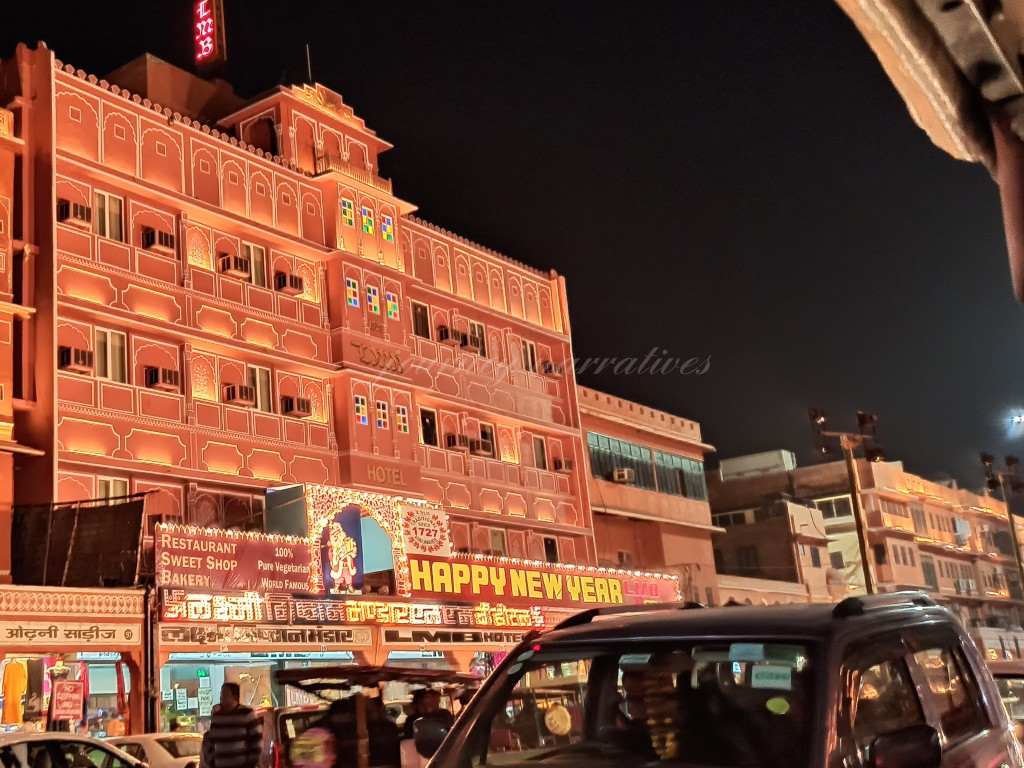
7 Must-Visit Spots for the Best Pink City Shopping Experience in Jaipur (Where Food, Craft & Local Life Meet)
The pink city shopping experience in Jaipur goes far beyond ordinary retail. In this historic city, shopping is woven into everyday life, shaping food habits, festive preparations, family traditions, and local livelihoods. Markets function as open kitchens, social gathering spaces, and cultural archives where ingredients, utensils, textiles, and traditional sweets circulate through generations, preserving the rhythms of local life. To understand food and local life in India, one must look beyond dining tables and step into markets like those in Jaipur — where culture is bought, sold, shared, and sustained every single day. Markets as the Backbone of Food and Local Life In Indian cities, especially historic ones like Jaipur, food traditions do not exist in isolation. They are supported by: These markets ensure that food rituals continue, even as lifestyles change. This is why local bazaars matter as much as recipes or festivals when discussing India’s eating traditions. 1. Johari Bazaar – Where Festive Food Traditions Begin Known for jewelry, Johari Bazaar also plays a quiet role in food rituals. During festivals and weddings, families walk these lanes to buy: Food rituals in India often begin with preparation and presentation, and Johari Bazaar supplies the material culture behind those moments. 2. Bapu Bazaar – Everyday Shopping for Everyday Kitchens Bapu Bazaar reflects daily local life, not occasional tourism. Alongside textiles and footwear, you’ll find: This bazaar shows how food traditions survive not through grandeur, but through daily repetition and affordability. 3. Tripolia Bazaar – The World of Utensils and Cooking Tools Tripolia Bazaar is one of the strongest examples of how markets support food culture. It is famous for: Cooking vessels here are not decorative — they are functional tools passed down across generations, ensuring continuity in how food is prepared and served. 4. Kishanpole Bazaar – Where Craft Meets Community Life Textiles from Kishanpole Bazaar often enter kitchens and dining spaces as: Food in India is rarely eaten in isolation; it is tied to how people sit, serve, and share, all of which are shaped by local craft traditions. 5. Chandpole Bazaar – Raw Materials of Tradition Chandpole Bazaar is known for raw materials: Many food rituals described in Indian culture rely on manual preparation methods, and Chandpole supplies the tools that keep those practices alive. 6. Sireh Deori Bazaar – Street Food as Social Life Located near the City Palace, Sireh Deori is where food becomes: Street snacks here are not just meals; they are social pauses — moments where locals, vendors, and travelers intersect. This everyday eating culture mirrors the idea that food rituals survive best when they remain accessible. 7. Local Sweet Shops & Seasonal Vendors – Rituals You Can Taste Jaipur’s markets change with seasons and festivals. Temporary stalls appear selling: These seasonal rhythms reflect the same patterns discussed in broader conversations about India’s timeless food rituals, where tradition adapts but does not disappear. How This Connects to India’s Food Rituals Many of the ingredients, utensils, sweets, and customs seen in Jaipur’s markets are directly linked to India’s enduring food rituals and eating traditions, which continue to survive despite urbanization and economic pressure. Markets like these quietly preserve culture by: This is how food traditions remain alive — not in museums, but in marketplaces. Why Jaipur’s Markets Matter Beyond Shopping Jaipur’s bazaars reveal a larger truth about India: Food culture survives not only through recipes, but through spaces that support everyday life. When you walk these markets, you’re witnessing: They are living examples of how food and local life remain inseparable in India. Food Traditions in the Flow of Everyday Life To understand India’s food traditions, you don’t always need a dining table or a festival invitation. Sometimes, all you need is a walk through a local market — where food, craft, and life quietly meet, day after day. Markets like these show how deeply food and daily traditions are connected to city life—something we explore further in 12 Indian Cities That Reveal the Best of Food and Local Life in India.
5 Lesser-Known Facts About Mehrangarh Fort, Jodhpur You Should Know Before Visiting
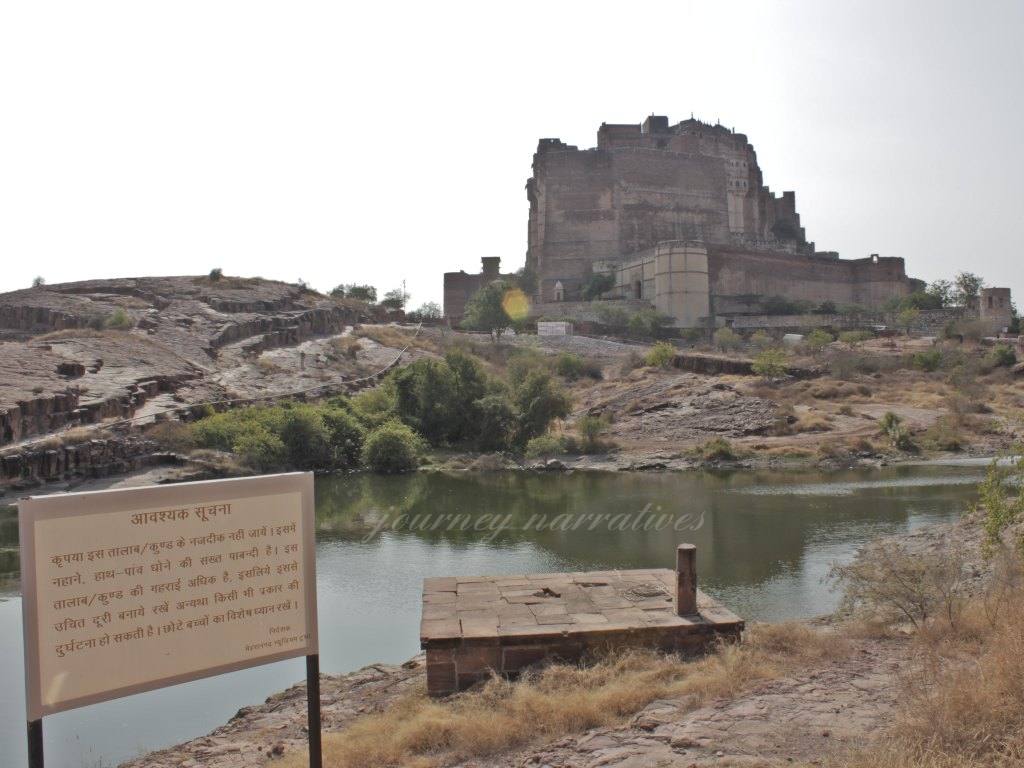
Perched dramatically above the Blue City, Mehrangarh Fort is often admired for its scale and sweeping views. But beyond its imposing walls lies a quieter, more intriguing side—stories and details that many visitors overlook. If you’re planning a visit, these lesser-known facts will help you experience the fort with deeper appreciation. To make the most of your time here, explore nearby attractions and routes in our Jodhpur Travel Guide. 1. The Fort Still Bears the Marks of Cannonball Attacks As you walk through the massive gates of Mehrangarh Fort, look closely—you’ll notice dents and scars left by cannonballs. These are not decorative features but real reminders of battles fought centuries ago. They quietly tell stories of sieges, resistance, and the fort’s strategic importance in Rajasthan’s history. 2. A Human Sacrifice Is Linked to Its Foundation One of the most intriguing legends surrounding the fort is about a man named Rajaram Meghwal, who is believed to have voluntarily sacrificed himself to ensure the fort’s stability and prosperity. While historical records are debated, locals still speak of this story, adding a layer of mystery to the fort’s origins. 3. The “Curse” of the Sage Still Echoes in Folklore Before the fort was built, the land was said to be home to a hermit named Cheeria Nathji. When he was displaced, he supposedly cursed the site with drought. To counter this, rituals and offerings were performed. Whether you believe the tale or not, it reflects how deeply spirituality and folklore are woven into Rajasthan’s heritage. Mehrangarh Fort is just one of many architectural wonders across the state—explore more in our Rajasthan Travel Guide. 4. Hidden Palaces Reveal a Softer Side of Royal Life While the exterior of Mehrangarh Fort feels rugged and defensive, step inside and you’ll discover intricately decorated palaces with delicate carvings, stained glass, and ornate courtyards. These interiors reveal a refined, artistic lifestyle that contrasts beautifully with the fort’s strong outer walls. 5. It Houses One of India’s Finest Museums Inside the fort lies a well-curated museum showcasing royal artifacts—ranging from palanquins and costumes to weapons and paintings. It’s not just a collection of objects; it’s a journey into the lifestyle, culture, and craftsmanship of the Marwar kingdom. Historic forts like this play a key role in India’s diverse heritage—explore more in our India Travel Guide. Travel Tips for Visiting Mehrangarh Fort Why Knowing These Details Changes Your Visit Mehrangarh Fort isn’t just about grandeur—it’s about layers of history, belief, and everyday life that unfolded within its walls. When you notice the battle scars, hear the legends, and walk through its ornate interiors, the experience becomes far more meaningful. Instead of simply “seeing” the fort, you begin to understand it—and that’s what transforms a visit into a lasting memory. Architectural wonders like Mehrangarh Fort reflect the richness of the region—discover more in our Asia Travel Guide.

Osian Desert Drive from Jodhpur: 6 Climate-Smart Tips for Planning the Ideal Route
The Osian Desert Drive from Jodhpur offers a striking shift from city forts to open desert landscapes, but the experience is deeply influenced by climate and timing. Heat, wind conditions, and seasonal crowd patterns can either elevate the drive or make it unnecessarily uncomfortable. Planning this desert route with climate in mind allows travelers to enjoy Osian’s temples, dunes, and open roads without physical strain. Below are six climate-smart tips that help shape a smoother, more comfortable desert drive. 1. Choose the Right Season for Comfortable Desert Conditions The Osian Desert Drive from Jodhpur is best experienced during cooler months when daytime temperatures remain manageable. Desert heat can intensify quickly, making long drives tiring and limiting time spent outdoors. Planning travel during milder seasons allows for relaxed exploration and better overall energy levels. Climate takeaway:Comfortable temperatures matter more than distance in desert travel. 2. Plan Departures Around Morning Light and Cooler Air Early departures take advantage of cooler desert air and softer sunlight. Morning drives reduce exposure to peak heat and improve visibility across open stretches. This timing also creates flexibility for unhurried exploration upon reaching Osian. Climate takeaway:Desert journeys feel lighter when driven early. 3. Account for Wind and Sand Conditions Certain times of the year bring stronger desert winds, which can reduce visibility and affect driving comfort. Being aware of seasonal wind patterns helps travelers prepare for slower speeds and occasional sand movement on roads. Allowing buffer time prevents the drive from feeling rushed under changing conditions. Climate takeaway:Wind patterns shape desert driving just as much as temperature. 4. Adjust Outdoor Exploration to Midday Conditions Midday heat in desert regions can quickly drain energy. Planning temple visits, walks, or photography either earlier in the day or closer to evening helps maintain comfort. Using midday hours for rest or shaded activities keeps the journey enjoyable rather than exhausting. Climate takeaway:Desert pacing should follow the sun, not the clock. 5. Keep Flexibility for Sudden Weather Shifts Desert climates can change quickly, especially during transitional seasons. Occasional cloud cover, temperature drops, or wind shifts may alter driving conditions. Building flexibility into the plan ensures these changes don’t disrupt the experience. Climate takeaway:Flexible itineraries handle desert unpredictability better. 6. Plan the Return Drive With Evening Cooling in Mind Evening temperatures in desert regions drop noticeably, making the return journey more comfortable. Sunset drives often offer calmer conditions and softer light across the landscape. Timing the return thoughtfully helps end the day on a relaxed note. Climate takeaway:Evenings restore balance after desert heat. To ensure peace of mind while traveling or living abroad, we recommend getting health insurance. SafetyWing’s Essential plan covers travel and medical emergencies with options for adventure sports and electronics theft. Their Complete plan offers comprehensive health coverage with routine healthcare, mental health support, and maternity, anywhere in the world, including in your home country, on top of all Essential benefits. Why the Osian Desert Drive from Jodhpur Works as a Season-Based Itinerary The Osian Desert Drive from Jodhpur highlights how climate-aware planning transforms short distances into rewarding journeys. When temperature, wind, and daylight are considered together, the drive feels intentional rather than demanding. This approach reflects the principles behind season-based itineraries—where climate, crowds, and comfort shape travel decisions as much as geography. For more journeys planned around weather, timing, and comfort, explore our pillar guide:4 Smart Season-Based India Travel Itineraries Designed for Ideal Climate, Fewer Crowds, and Better Costs

Gokarna Beach Resorts: 10 Beautiful Stays for a Relaxing Coastal Escape
Gokarna Beach Resorts offer the perfect blend of coastal serenity, scenic views, and laid-back luxury. Unlike Goa’s party-driven vibe, Gokarna is quieter, more spiritual, and deeply connected to nature — making beachside stays here especially meaningful. Whether you’re planning a romantic getaway, a solo retreat, or a relaxed family vacation, choosing the right resort can completely shape your Gokarna experience. If you’re planning a broader journey across the country, browse our India Travel Guide for diverse destinations and travel ideas. Here are 10 beautiful Gokarna beach resorts worth considering for your next coastal escape. 1. Kahani Paradise Located on a cliff overlooking a secluded beach, Kahani Paradise is known for privacy and breathtaking sea views. This is perfect if you want exclusivity and uninterrupted sunsets. 2. SwaSwara by CGH Earth One of the most premium Gokarna beach resorts, SwaSwara focuses on wellness and sustainability. It’s ideal for those seeking relaxation beyond just sightseeing. 3. Om Beach Resort Situated directly near Om Beach, this resort offers comfort with easy beach access. Its location makes it convenient for beach hopping. 4. Sanskruti Resort A mid-range option close to Kudle Beach, Sanskruti Resort balances comfort and affordability. It’s a practical choice without compromising too much on comfort. 5. Arthigamya Spa & Resort Known for calm surroundings and scenic views, this resort works well for travelers seeking peace. It’s slightly away from crowded areas, making it quieter. 6. Namaste Café Beach Resort Located on Om Beach, this is popular among younger travelers. It offers a casual and lively atmosphere. 7. Gokarna International Beach Resort A more classic-style stay with larger rooms and family-friendly facilities. Works well for travelers who prefer traditional resort comfort. 8. Kudle Beach View Resort Perched near Kudle Beach, this stay provides scenic viewpoints and simple comfort. Best suited for budget-conscious travelers. 9. Stone Wood Nature Resort A good option for travelers who want modern amenities close to nature. It blends convenience with coastal charm. 10. Vibes & Tides Beach Resorts A relaxed beachside stay offering comfort with a peaceful coastal vibe. It’s ideal for travelers who want a simple, soothing stay near the sea without an overly commercial feel. Which Area is Best to Stay in Gokarna? When choosing among Gokarna beach resorts, your preferred beach matters: Each offers a slightly different atmosphere. Best Time to Book Gokarna Beach Resorts Prices increase significantly during holidays. Planning Your Gokarna Trip Gokarna pairs beautifully with other Karnataka destinations. You could combine your beach stay with: If you’re mapping a broader route, explore our detailed Karnataka Travel Guide to plan a balanced itinerary across coast, culture, and countryside. Is Staying in a Gokarna Beach Resort Worth It? Yes — especially if you want to truly experience the slow, meditative charm of coastal Karnataka. Staying close to the beach allows you to wake up to ocean views, enjoy quieter sunsets, and avoid daily travel between town and shoreline. Gokarna isn’t about fast tourism. It’s about slowing down. And the right beach resort enhances that experience beautifully. For wider inspiration beyond India, explore our Asia Travel Guide and discover unique coastal escapes across the continent.
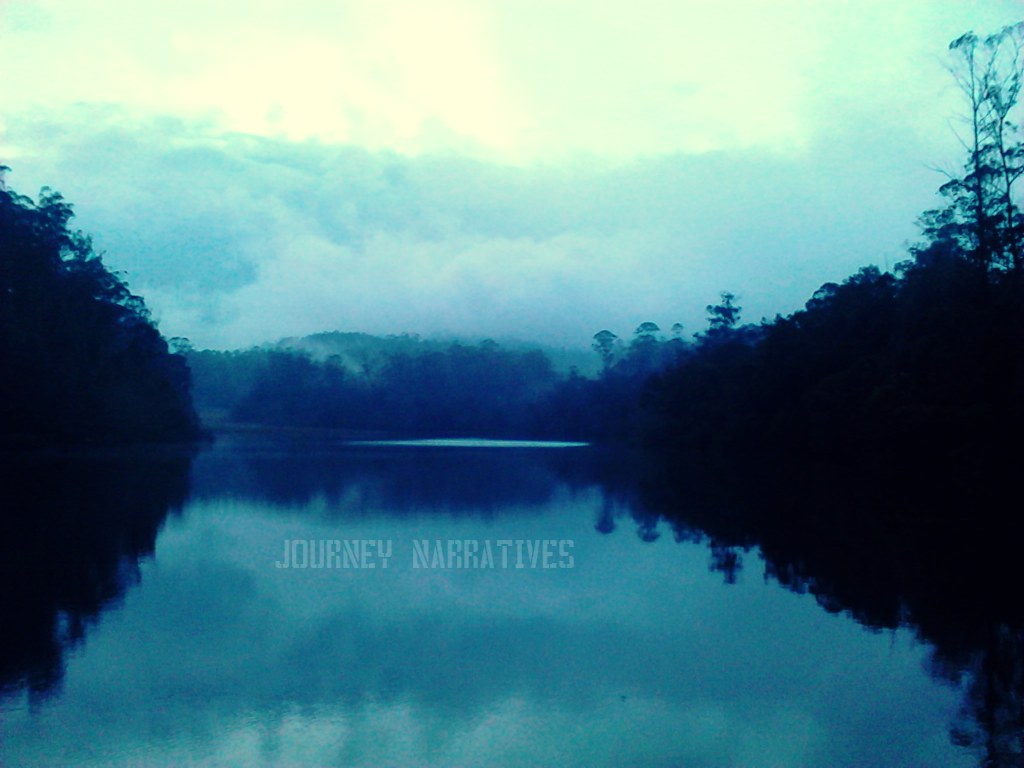
Ooty Hills: 7 Breathtaking High-Altitude Views That Still Feel Wonderfully Untouched
High in the Nilgiris, where mist drapes the land like a living veil, the Ooty Hills unfold at a gentler pace. Unlike dramatic mountain ranges that overwhelm instantly, Ooty reveals itself gradually — through quiet curves of tea gardens, winding roads disappearing into clouds, and viewpoints where time seems to pause. These hills may be well-known, yet many of their most evocative views remain refreshingly untouched, rewarding those who linger rather than rush. 1. Doddabetta Peak: The Stillness Above the Clouds Standing as the highest point in the Nilgiris, Doddabetta Peak offers more than altitude — it offers perspective. On clear mornings, layers of blue-green hills stretch endlessly, softened by drifting clouds. Despite its accessibility, moments of silence here feel profound, especially when mist rolls in, briefly erasing the world below. 2. Emerald Lake Viewpoints: Reflections of Quiet Away from Ooty’s busier circuits, Emerald Lake mirrors the surrounding hills with remarkable calm. The viewpoints overlooking the lake feel almost suspended in time, where water, sky, and hills blend seamlessly. Early mornings here are particularly untouched, broken only by birdsong and the occasional ripple on the surface. 3. Tea Garden Slopes of Glenmorgan: Geometry of Nature The rolling tea estates near Glenmorgan form a rhythmic landscape of curves and contours. From higher vantage points, the manicured green slopes contrast beautifully with wild forest patches, reminding visitors that cultivation and wilderness coexist delicately in these hills. 4. Needle Rock View: A Raw Edge of the Nilgiris Needle Rock offers a sharper, more dramatic face of the Ooty Hills. From its rocky outcrop, valleys plunge steeply, revealing the untamed side of the landscape. Wind and silence dominate here, making it one of the most emotionally powerful viewpoints in the region. 5. Wenlock Downs: Open Grasslands in the Clouds Stretching across vast open spaces, Wenlock Downs feels less like a hill station and more like a forgotten highland plateau. Low clouds skim the grasslands, and distant hills emerge and vanish in cycles. The openness here gives a rare sense of freedom and isolation. 6. Avalanche Hills: Where Wilderness Reclaims the Land Beyond Avalanche Lake, the hills grow quieter and more rugged. Dense forests, steep ridges, and mist-heavy air define this region. Views from higher trails feel untouched because access itself demands effort — and effort filters crowds. 7. Sunset Points Beyond Ooty Town: Soft Endings to the Day Several lesser-known sunset viewpoints along forest roads outside Ooty town offer intimate encounters with fading light. As the sun sinks behind layered hills, colors shift gently rather than dramatically — a fitting end to landscapes that value subtlety over spectacle. The Ooty Hills are one of many high-altitude landscapes where elevation shapes emotion — a recurring theme explored across diverse terrains in our broader exploration of mountain and hill formations. What the Ooty Hills Leave Behind The Ooty Hills leave behind more than photographs or checklists of viewpoints. They leave a softened pace of thought — shaped by winding roads, drifting mist, and hills that reveal themselves without urgency. Long after the journey ends, memories return in fragments: the hush of early mornings, the muted greens of tea slopes, and the way clouds briefly claimed entire valleys. These are not dramatic imprints, but gentle ones, settling quietly into the mind. What lingers most is a sense of balance — between cultivation and wilderness, familiarity and solitude. The Ooty Hills remind us that not all high-altitude landscapes demand awe through scale alone; some earn it through restraint. In leaving, we carry an unspoken understanding that untouched beauty often survives not because it hides, but because it waits patiently for those willing to slow down and notice.
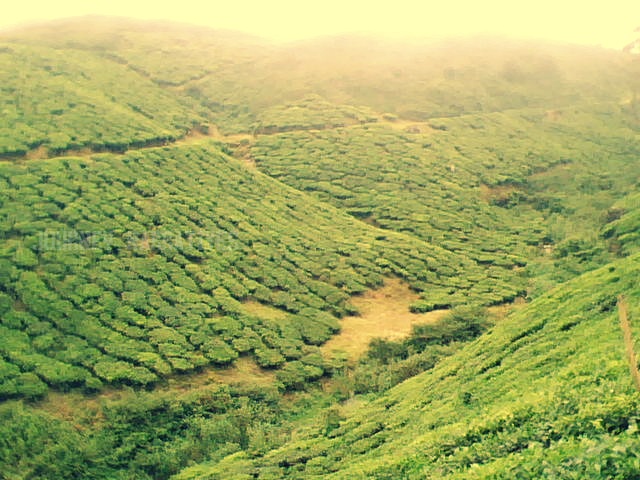
10 Most Famous Tea Plantations in India: Where Flavor Meets Nature
Famous tea plantations in India are more than just scenic landscapes—they are living stories of tradition, flavor, and culture. From the misty hills of Darjeeling to the lush estates of Assam and the serene gardens of Munnar, each plantation offers a unique blend of nature’s beauty and the art of tea-making. Visiting these plantations is not just about tasting tea—it’s about experiencing the heritage and charm that make India one of the world’s top tea producers. These famous tea estates are part of a larger story of plantation landscapes and rural livelihoods explored in Authentic Tea and Coffee Plantations in India That Reveal Local Life and Beverage Culture. Exploring the Famous Tea Plantations in India Exploring the famous tea plantations in India is like stepping into a world where nature and tradition work in harmony. Spread across scenic destinations like Darjeeling, Assam, Munnar, and Nilgiris, these estates offer breathtaking views along with a deep connection to India’s tea heritage. Visitors can walk through emerald-green tea gardens, learn about the intricate plucking and processing methods, and enjoy freshly brewed cups that capture the essence of each region. 1. Darjeeling Tea Estates, West Bengal Often referred to as the “Champagne of Teas”, Darjeeling tea is globally renowned for its light, floral aroma and flavor. Highlights: 2. Assam Tea Gardens, Assam Assam is the largest tea-producing region in the world and is known for its bold, malty black tea. Highlights: 3. Munnar Tea Estates, Kerala Located in the Western Ghats, Munnar is famous for its scenic beauty and aromatic tea plantations. Highlights: 4. Nilgiri Tea Plantations, Tamil Nadu Known for producing fragrant and flavorful tea, the Nilgiri Hills are often overshadowed by Darjeeling and Assam, but are equally stunning. Highlights: 5. Kangra Tea Valleys, Himachal Pradesh A lesser-known gem, Kangra produces green and black teas with a unique character thanks to its altitude and climate. Highlights: 6. Dooars Tea Gardens, West Bengal Located near the Bhutan border, Dooars is known for producing strong-flavored teas. Highlights: 7. Wayanad Tea Plantations, Kerala This region offers a fusion of coffee and tea estates amidst forests and waterfalls. Highlights: 8. Anamalai Hills, Tamil Nadu and Kerala Border Known for organic and shade-grown teas, often grown alongside cardamom and pepper. Highlights: 9. Sikkim Tea Gardens Although smaller in scale, Sikkim’s Temi Tea Garden is one of the finest organic estates in India. Highlights: 10. Araku Valley, Andhra Pradesh Emerging as a sustainable and organic tea-growing region, Araku is more famous for its coffee but also offers limited tea production. Highlights: Tips for Visiting Indian Tea Estates A Final Sip from India’s Most Iconic Tea Regions Exploring the tea plantations of India is a soulful journey through rolling hills, fresh mountain air, and warm hospitality. From the Himalayan slopes of Darjeeling to the misty hills of Munnar and Ooty, each region has a unique flavor and story to tell. Whether you’re planning a tea trail holiday or a peaceful retreat in nature, these plantations offer unforgettable experiences. These plantation landscapes are just one example of how food traditions shape community life, something explored further in Food and Local Life Pack your bags, sip on the local brew, and let the lush greenery refresh your mind and soul.