
The Bengaluru to Panaji road trip is a journey defined as much by pacing and preparation as by distance. While the drive connects two vibrant cities, its comfort and enjoyment depend heavily on thoughtful planning choices that balance time on the road with natural breaks and recovery. Rather than rushing through long stretches, this itinerary focuses on comfort-driven decisions—route consistency, departure timing, and rest planning—to ensure the journey feels steady and rewarding. When approached with destination-optimized thinking, the drive becomes an integral part of the travel experience rather than a challenge to overcome. 1. Choosing a Route That Prioritizes Consistency Over Speed Multiple routes connect Bengaluru and Panaji, each differing in road quality, traffic density, and fatigue levels. While some options promise shorter distances, they often come with unpredictable road conditions or congestion. A more comfortable approach favors: Choosing a route that feels steady throughout the journey helps maintain energy levels and reduces cumulative fatigue. 2. Structuring the Drive Around Natural Break Points Long-distance road trips benefit from intentional segmentation. Instead of driving continuously until exhaustion sets in, planning natural breaks—such as food stops, scenic pauses, or overnight halts—keeps the journey balanced. Well-placed breaks: This approach aligns with destination-optimized itineraries, where pacing is treated as a core planning element. 3. Timing the Departure to Avoid Traffic Fatigue Departure timing plays a significant role in how the day unfolds. Leaving too late can mean battling city traffic, while poorly timed arrivals may add unnecessary stress. Thoughtful timing allows travelers to: When time is managed well, the journey feels controlled rather than rushed. 4. Planning Overnight Stops That Add Value For many travelers, breaking the journey with an overnight stay improves comfort and safety. The key is choosing halts that feel restorative rather than inconvenient. A well-chosen stop: Overnight planning transforms a long route into a well-paced, two-part journey. 5. Preparing for Terrain and Weather Variations The Bengaluru–Panaji route passes through changing landscapes, including forested areas and coastal approaches. Weather conditions and terrain shifts can affect driving comfort and travel time. Planning with these factors in mind helps: Preparation ensures that distance enhances the experience rather than becoming a challenge. To ensure peace of mind while traveling or living abroad, we recommend getting health insurance. SafetyWing’s Essential plan covers travel and medical emergencies with options for adventure sports and electronics theft. Their Complete plan offers comprehensive health coverage with routine healthcare, mental health support, and maternity, anywhere in the world, including in your home country, on top of all Essential benefits. Why This Bengaluru to Panaji Road Trip Works as a Balanced Itinerary This road trip works particularly well because it balances driving effort with recovery, scenery, and timing. Route consistency, sensible departure planning, and well-spaced breaks ensure that distance never overwhelms the experience. Instead of rushing toward the destination, the journey unfolds at a comfortable pace, allowing travelers to arrive in Panaji relaxed and ready to explore rather than fatigued. This balance of time, distance, and experience reflects the core idea behind well-structured itineraries, where thoughtful planning enhances enjoyment without adding unnecessary complexity. For a broader framework on planning routes that balance time, distance, and experience, explore:4 Proven Well-Planned India Travel Itineraries That Balance Time, Distance, and Meaningful Experiences.
4 Smart Season-Based India Travel Itineraries Designed for Ideal Climate, Fewer Crowds, and Better Costs
Season-Based India Travel Itineraries focus on when to travel rather than simply where to go. Climate conditions, crowd density, and seasonal pricing have a direct impact on comfort, accessibility, and overall trip satisfaction—often more than the destination itself. Instead of treating seasonality as an afterthought, season-based itinerary planning places timing at the center of the travel decision. The result is travel that feels more comfortable, less congested, and better aligned with realistic costs. If you’re looking for more structured routes and ideas, explore our complete collection of travel itineraries designed to help you plan every journey with clarity and purpose. This blog brings together four carefully selected itineraries that demonstrate how seasonal awareness improves travel outcomes across different landscapes and travel styles. 1. Osian Desert from Jodhpur: Planning Around Climate Extremes Desert travel is highly sensitive to seasonal conditions. Temperature fluctuations, daylight hours, and road comfort can significantly alter the experience if timing is overlooked. A season-smart approach to the Osian Desert drive from Jodhpur focuses on: This itinerary highlights how climate-aware planning transforms desert travel from physically demanding to genuinely enjoyable. Read the detailed climate-focused guide:Osian Desert Drive from Jodhpur: 6 Climate-Smart Tips for Planning the Ideal Route 2. Rabindranath Tagore Beach, Karwar: Coastal Travel at the Right Time Coastal destinations change dramatically across seasons due to sea conditions, rainfall, and visitor volume. Karwar’s Rabindranath Tagore Beach is a clear example of how timing determines whether a coastal visit feels serene or overcrowded. A season-based itinerary for this region considers: By planning around these seasonal shifts, travelers experience the coast at its most relaxed and visually appealing. Explore the season-aware coastal perspective:Karwar’s Rabindranath Tagore Beach: 5 Best Season-Savvy Reasons It Shines at the Right Time 3. Thiruvannamalai: Aligning Travel with Climate and Footfall Thiruvannamalai attracts visitors year-round, but the quality of the experience varies significantly depending on season, weather, and spiritual calendar events. A season-conscious itinerary for Thiruvannamalai focuses on: This approach allows travelers to engage more meaningfully with the destination while avoiding unnecessary discomfort. See how timing shapes the experience:Thiruvannamalai: 7 Thoughtful Timing Decisions for a Comfortable Visit 4. Hogenakkal via Salem: Understanding Seasonal River Conditions River-based destinations are especially influenced by seasonal water flow, safety conditions, and accessibility. Hogenakkal’s experience varies widely between dry months and peak monsoon periods. A season-based itinerary for Hogenakkal accounts for: Understanding these factors ensures the visit aligns with both safety and scenic value. Read the complete seasonal analysis:4 Seasonal Factors That Shape the Best Hogenakkal Experience via Salem To ensure peace of mind while traveling or living abroad, we recommend getting health insurance. SafetyWing’s Essential plan covers travel and medical emergencies with options for adventure sports and electronics theft. Their Complete plan offers comprehensive health coverage with routine healthcare, mental health support, and maternity, anywhere in the world, including in your home country, on top of all Essential benefits. Why Season-Based India Travel Itineraries Matter Across all four examples, a consistent pattern emerges: Season-based itineraries enable travelers to make informed timing decisions, resulting in trips that are calmer, more comfortable, and often more cost-effective.
4 Proven Well-Planned India Travel Itineraries That Balance Time, Distance, and Meaningful Experiences
Well-planned India travel itineraries are no longer about covering the maximum number of places in the shortest possible time. Today’s travel rewards journeys that respect distance, energy levels, and natural pacing—especially when time on the road directly affects how much you enjoy each destination. Rather than focusing only on where places are located, well-planned travel itineraries prioritize how locations connect. They consider road conditions, logical stopovers, rest points, and experiential value, ensuring that travel feels intentional, comfortable, and unrushed instead of exhausting. This guide brings together four carefully structured itineraries that show how balancing time, distance, and experience can lead to smoother journeys and more satisfying travel outcomes. Each itinerary below links to a detailed supporting guide that explores the route in depth. 1. Erode – Masinagudi – Ooty: A Scenic Hill Route with Purposeful Stops Hill journeys work best when elevation, driving effort, and scenic payoff are carefully balanced. The Erode–Masinagudi–Ooty route exemplifies how strategic stop selection can transform a long drive into a layered travel experience. Rather than treating Masinagudi as a pass-through, this itinerary highlights how intermediate landscapes, forest zones, and altitude transitions create a natural rhythm to the journey. Time spent on the road feels justified because each segment adds experiential value. Read the detailed route breakdown:Erode to Masinagudi to Ooty Route: 3 Scenic Stops That Make the Journey Truly Rewarding 2. Bengaluru – Ooty: Structuring a Popular Route for a Smoother Experience The Bengaluru–Ooty corridor is one of South India’s most traveled hill routes, yet it is often rushed or poorly sequenced. A destination-optimized approach focuses on departure timing, road selection, and stop efficiency to reduce fatigue and improve overall enjoyment. This itinerary demonstrates how small planning choices—such as when to leave, where to pause, and how to pace the ascent—can significantly improve a well-known journey without adding extra days. Explore the optimized planning approach:Bengaluru to Ooty Journey: 5 Smart Ways to Plan a Smooth and Scenic Drive To ensure peace of mind while traveling or living abroad, we recommend getting health insurance. SafetyWing’s Essential plan covers travel and medical emergencies with options for adventure sports and electronics theft. Their Complete plan offers comprehensive health coverage with routine healthcare, mental health support, and maternity, anywhere in the world, including in your home country, on top of all Essential benefits. 3. Bengaluru – Panaji: Managing Distance Without Sacrificing Experience Long-distance road trips demand a different optimization strategy. The Bengaluru–Panaji route spans varied terrain, traffic conditions, and travel fatigue zones, making pacing and segmentation critical. Instead of treating this as a single stretch, this itinerary shows how breaking the journey into logical segments improves comfort and preserves the excitement of reaching the destination. Strategic overnight halts and route decisions ensure that distance enhances the experience rather than exhausting it. See the full planning logic here:Bengaluru to Panaji Road Trip: 5 Thoughtful Planning Choices for a Comfortable Drive 4. Chennai – Pondicherry: Short Distance, High Experience Payoff Not all destination-optimized itineraries are long or complex. The Chennai–Pondicherry route proves that even short journeys benefit from thoughtful planning. By focusing on timing, entry routes, and experiential sequencing, this itinerary maximizes coastal charm without unnecessary detours or crowd fatigue. It’s a strong example of how short-haul travel can still feel deliberate and well-structured. Read the complete planning guide:Chennai to Pondicherry Getaway: 4 Effortless Planning Choices for a Perfect Escape Why well-planned India travel Itineraries Matter Across all four examples, a common principle emerges: This approach results in itineraries that are not only efficient but also emotionally satisfying—a balance that generic route planning tools often fail to achieve. For more detailed route breakdowns and destination-wise plans, check out our curated travel itineraries that simplify your entire trip planning process.
5 Smart Travel Advice for India: Best Ways to Travel Safely, Save Money, and Avoid Costly Mistakes
Travel advice for India is not about fear, restriction, or over-planning—it is about awareness, smart decision-making, and understanding how travel truly works in a country as vast and layered as India. From bustling cities and remote villages to tourist hotspots and spiritual centers, India rewards travelers who are prepared and punishes those who assume everything will “just work.” Traveling across India is an unforgettable experience—rich in culture, landscapes, food, and human connection. But it’s also a destination where small decisions can have big consequences. Choosing the wrong transport, mishandling payments, ignoring safety basics, or booking poorly can quietly increase costs and stress. This guide brings together five smart travel advice tips for India that help travelers stay safe, protect their money, and avoid mistakes that often ruin otherwise great trips. These tips focus on decision-making, not fear—so you can travel confidently and enjoy India the right way. 1. Understand Travel Risks Without Becoming Fearful India is not unsafe, but it requires awareness. Many travel problems don’t come from danger itself, but from misunderstanding how things work—especially in tourist-heavy areas. Scams, overcharging, misleading offers, and pressure tactics usually target travelers who appear rushed or uninformed. Learning how common scams operate helps you recognize warning signs early and avoid unnecessary confrontations or losses. If you want a detailed breakdown of how these situations actually unfold and what to watch out for, this guide on travel scams in India explains the most common patterns travelers encounter and how to spot them early. Smart takeaway: Awareness builds confidence, not anxiety. 2. Handle Cash, Cards, and UPI With a Balanced Approach India’s payment ecosystem is unique. Digital payments are widespread, yet cash still plays an important role—especially for local transport, small shops, and remote destinations. Relying on only one payment method often creates problems. Network issues, machine failures, or simple availability can leave travelers stuck. The safest approach is to balance cash for daily needs, UPI for convenience, and cards for major expenses. Using each payment method in the right situation reduces risk, prevents overspending, and makes travel smoother. A detailed breakdown of how to manage money safely while traveling is covered in this guide on cash, cards, and UPI in India. Smart takeaway: Payment flexibility equals travel security. 3. Treat Travel Insurance as Protection, Not an Extra Cost Many travelers skip insurance, assuming it’s unnecessary for domestic trips or short journeys. In reality, travel insurance often protects against the most disruptive travel problems—medical emergencies, cancellations, delays, or lost belongings. The goal isn’t buying the most expensive policy, but choosing coverage that matches your trip length, destinations, and travel style. A simple, well-matched policy can prevent sudden expenses from turning into major setbacks. If you’re unsure when insurance actually helps and what options travelers commonly consider, this guide to travel insurance in India explains how to approach coverage thoughtfully. Smart takeaway: Insurance protects your trip, not just your wallet. 4. Book Accommodation With Total Cost in Mind Accommodation decisions affect far more than sleep. Location, safety, accessibility, and policies all influence daily spending and comfort. A cheaper stay far from transport hubs can increase travel costs and fatigue. Poor cancellation policies can cause financial loss. And ignoring reviews often leads to regret. Smart booking is about balancing price with location, flexibility, and reliability. If you want to avoid common stay-related mistakes, this guide on booking accommodation in India breaks down the choices that truly save money and prevent regret. Smart takeaway: The right stay simplifies your entire trip. 5. Choose Transport Based on Distance, Timing, and Safety India offers incredible transport variety—trains, buses, flights, taxis, and local options. But choosing transport purely on price or convenience often backfires. Long distances may justify flights or premium trains. Road travel works best when routes and timing are chosen carefully. Night travel should prioritize safety and rest, not just time savings. Understanding when to use which mode of transport helps travelers avoid exhaustion, delays, and unnecessary risk. This guide on choosing the right transport in India explains how to balance cost, comfort, and safety. Smart takeaway: The right transport choice protects both time and energy. Putting This Travel Advice for India Into Action India is vibrant, intense, and deeply rewarding. When travelers understand how to navigate safety, money, transport, and planning choices, the experience becomes far more enjoyable and far less stressful. This guide is designed to help you make smart travel decisions—so you can focus on what truly matters: discovering places, meeting people, and enjoying the journey. Use this blog as your starting point, and explore the detailed guides linked above whenever you want deeper clarity on a specific travel decision. Before planning your journey in detail, you may also find our Travel Guides helpful for understanding destinations, local culture, and practical travel tips.
8 Stunning Diverse Landscapes of India That Reveal Nature’s Masterpiece
The diverse landscapes of India reveal an extraordinary spectrum of natural beauty, stretching from majestic mountains and dense forests to vast deserts and vibrant coastlines. Across the country, snow-covered peaks, sun-kissed beaches, lush green valleys, and golden sand dunes create a remarkable variety of scenery that fascinates nature lovers and adventure seekers alike. This remarkable geographical diversity not only shapes India’s natural charm but also supports its rich biodiversity, vibrant cultural traditions, and countless unforgettable travel experiences. If you love exploring the natural beauty beyond India, visit our Nature & Outdoors page for more landscapes, outdoor destinations, and nature-based travel ideas. 1. The Majestic Himalayas: The Crown of India The northern frontier of India is guarded by the mighty Himalayas, the tallest mountain range in the world. Spanning states like Jammu & Kashmir, Himachal Pradesh, Uttarakhand, Sikkim, and Arunachal Pradesh, the Himalayas are a sanctuary of peace, adventure, and spirituality. 2. The Thar Desert: A Golden Ocean of Sand Stretching across Rajasthan, the Thar Desert paints a mesmerizing picture of rolling sand dunes, camel caravans, and vibrant Rajasthani culture. 3. The Indo-Gangetic Plains: India’s Fertile Heart The expansive Indo-Gangetic plains, fed by the rivers Ganga, Yamuna, and Brahmaputra, are among the most fertile regions in the world. 4. The Western and Eastern Ghats: Green Guardians of the Peninsula Running parallel to the coasts of the Indian peninsula, the Western Ghats and Eastern Ghats are lush mountain ranges known for their ecological richness. 5. The Coastal Regions: Where Land Meets Sea India’s vast coastline stretches over 7,500 kilometers, hugging the Arabian Sea, the Bay of Bengal, and the Indian Ocean. 6. The Deccan Plateau: The Ancient Heartland Centrally located, the Deccan Plateau is a rugged, elevated region spreading across Karnataka, Maharashtra, Telangana, and Andhra Pradesh. 7. The Northeast: The Seven Sisters’ Secrets The Northeast of India, often referred to as the “Seven Sisters,” offers some of the most unexplored and pristine landscapes in the country. 8. The Islands: Paradise in the Sea India’s landscape diversity extends into the ocean with the Andaman and Nicobar Islands in the Bay of Bengal and the Lakshadweep Islands in the Arabian Sea. For practical tips on visiting natural destinations, check out our Travel Guides page filled with useful travel insights. Why India’s Landscape Diversity Matters India’s varied topography supports a wide range of ecosystems, making it one of the most biodiverse countries in the world. This diversity influences: To explore more destinations, travel tips, and insights across the country, visit our India Travel Guide, where we cover remarkable places and practical advice for planning journeys across India. Key Takeaways – Diverse Landscapes of India The diverse landscapes of India are not just a geographical feature – they are a testament to the country’s natural wealth, cultural depth, and spiritual vibrancy. Whether you’re scaling the Himalayan peaks, walking through desert sands, strolling along serene beaches, or trekking through lush forests, every journey in India offers a unique and unforgettable experience. Embrace the diversity, and let India’s landscapes tell you their timeless story. You can also discover more incredible places around the world on our Destinations page featuring inspiring locations for future travels.
10 Vibrant Food and Festival Traditions in India That Bring Celebrations to Life
Food and festival traditions in India are deeply intertwined with the rhythms of everyday life. Across the country, celebrations are rarely complete without dishes prepared according to regional customs, seasonal ingredients, and community rituals. From sweet offerings made during religious ceremonies to elaborate festive meals shared among families, food remains one of the most powerful ways Indians celebrate their cultural identity. Exploring food and festival traditions in India reveals how celebrations bring people together across regions, religions, and generations. Each festival carries its own culinary heritage, shaped by geography, agricultural cycles, and historical influences. Whether prepared in home kitchens, temple courtyards, or bustling neighborhood markets, festive foods often reflect traditions that have been passed down through centuries. These vibrant celebrations show how food becomes a bridge between cultural memory and modern life, preserving flavors and rituals that continue to unite communities across the country. Diwali – Sweets, Savories, and Festive Feasts Diwali, the festival of lights, is also one of India’s most important culinary celebrations. Families prepare trays of sweets such as laddus, barfis, and halwas alongside savory snacks like namak pare and chakli. These treats are shared with neighbors and relatives as symbols of prosperity and goodwill. Markets come alive in the weeks leading up to Diwali, filled with shops selling traditional sweets, ingredients, and decorative items. The festival highlights how festive cooking often becomes a community activity that strengthens family and social bonds. Holi – Colors and Seasonal Festive Treats Holi celebrates the arrival of spring with color, music, and festive food. Traditional dishes such as gujiya, malpua, and thandai are closely associated with the celebration, reflecting seasonal ingredients and regional culinary styles. Street celebrations often feature stalls offering sweets and refreshing drinks, turning neighborhoods into lively gathering spaces where food becomes part of the joyful atmosphere. Eid – Shared Meals and Community Feasting During Eid celebrations, food plays a central role in bringing families and communities together. Festive dishes such as biryani, kebabs, and sweet desserts like sheer khurma are prepared and shared with guests and neighbors. The tradition of hospitality during Eid demonstrates how food traditions extend beyond households to strengthen social connections within communities. Pongal – Harvest Celebrations and Traditional Cooking Pongal, widely celebrated in Tamil Nadu, honors the harvest season with rituals centered around freshly harvested rice. The dish known as pongal—made with rice, lentils, and jaggery or spices—is cooked outdoors in clay pots as part of the celebration. The festival reflects how agricultural cycles shape food and festival traditions in India, linking seasonal harvests to cultural rituals and community gatherings. Onam – Grand Festive Meals in Kerala Onam is famous for the elaborate vegetarian feast known as the Onam Sadya. Served on banana leaves, this meal includes a variety of dishes prepared with local vegetables, coconut, and spices. The Sadya represents Kerala’s agricultural abundance and culinary diversity, bringing families together to share a meal that symbolizes unity and prosperity. Durga Puja – Street Food and Festive Offerings Durga Puja in West Bengal transforms cities into vibrant cultural spaces filled with food stalls, sweet shops, and community feasts. Traditional sweets like sandesh and rasgulla are especially popular during the festival. Street food vendors also become part of the celebration, serving local snacks that add to the festive atmosphere across neighborhoods. Navratri – Fasting Foods and Sacred Offerings Navratri celebrations highlight a different dimension of Indian festive cuisine: fasting foods. Many households prepare dishes using ingredients permitted during fasting, such as buckwheat flour, potatoes, and milk-based sweets. These meals demonstrate how religious traditions influence food practices while maintaining strong cultural continuity. To see how sacred food practices continue beyond festivals in a deeply spiritual setting, explore my detailed post on sacred food rituals in Murudeshwar, where daily offerings and simplicity reflect unwavering devotion. Baisakhi – Harvest Food and Community Gatherings Baisakhi marks the harvest season in Punjab and is celebrated with festive meals that include dishes like makki di roti, sarson da saag, and rich Punjabi sweets. Community gatherings, fairs, and shared meals highlight the strong connection between agriculture, food traditions, and social celebrations. Ganesh Chaturthi – Devotional Sweets and Offerings During Ganesh Chaturthi, devotees prepare modaks—sweet dumplings filled with coconut and jaggery—as offerings to Lord Ganesha. These treats are considered the deity’s favorite and are central to the festival’s culinary traditions. Families often prepare modaks at home, making the cooking process itself an important part of the celebration. If you want to see how these traditions come alive at one of India’s most iconic celebrations, explore my detailed post on 5 Food Traditions at Lalbaug Cha Raja During Ganesh Chaturthi That Celebrate Faith and Devotion, where devotion, sweets like modaks, and community spirit come together beautifully. Christmas in India – Regional Festive Flavors Christmas celebrations in India blend global influences with local culinary traditions. Cakes, cookies, and festive sweets are prepared alongside regional specialties that vary across states. In many communities, neighbors exchange homemade treats, reflecting the spirit of generosity and celebration that defines the season. When Food Traditions Bring Celebrations to Life Across the country, festivals reveal how food preserves cultural memory and strengthens social bonds. Recipes passed down through generations continue to shape celebrations, connecting families to their heritage while adapting to modern lifestyles. These vibrant traditions show that food and festival traditions in India are not only about special dishes but also about the communities that gather to prepare, share, and celebrate them. Through festive meals, rituals, and seasonal ingredients, India’s diverse cultures continue to bring celebrations to life in ways that are both deeply rooted and joyfully evolving. For more insights into how cuisine reflects everyday culture and community traditions, explore our broader guide to Food and Local Life.
12 Indian Cities That Reveal the Best of Food and Local Life in India
Food and local life in India are closely connected to culture, traditions, and everyday routines. Across the country, each city offers its own flavors, street food traditions, neighborhood markets, and dining customs that shape daily life. Exploring food and local life in India allows travelers to experience authentic cuisine, lively food streets, and the social culture that surrounds meals. From coastal seafood kitchens to historic street food lanes and traditional home-style cooking, these culinary experiences reveal how people truly live across the country. If you want to discover India through its flavors and local culture, these cities offer some of the most vibrant food scenes in the nation. 1. Delhi – A Capital of Diverse Street Food Delhi’s culinary landscape reflects centuries of cultural influence. From Mughlai cuisine to Punjabi street food and regional dishes from across the country, the capital offers an incredible variety of flavors. Historic neighborhoods like Chandni Chowk remain famous for traditional snacks, sweets, and family-run eateries that have served locals for generations. Local highlights 2. Mumbai – Fast-Paced City, Iconic Street Food Mumbai’s food culture mirrors the city’s energetic lifestyle. Quick and flavorful street snacks dominate daily life, making them a key part of the local food identity. From roadside vada pav stalls to seafood restaurants along the coast, Mumbai blends Maharashtrian flavors with culinary influences from across India. Local highlights To experience this energy at the heart of the city’s markets, explore Crawford Market Mumbai: 6 Authentic Market Scenes of Food and Local Life in India, where everyday trade, street food stalls, and bustling vendors reveal the city’s vibrant food culture. 3. Kolkata – Rich Culinary Heritage and Famous Sweets Kolkata’s food culture is deeply tied to Bengali traditions. The city is known for its classic sweets, street snacks, and comforting home-style cooking. Local sweet shops and small eateries remain an essential part of neighborhood life. Local highlights 4. Amritsar – Punjabi Hospitality Through Food Amritsar is known for its hearty Punjabi cuisine and welcoming food culture. Rich flavors, generous portions, and traditional cooking methods define the city’s culinary identity. The city’s famous dhabas serve dishes that reflect Punjab’s agricultural traditions and vibrant local life. Local highlights 5. Hyderabad – Royal Flavors and Iconic Biryani Hyderabad’s cuisine blends royal traditions with regional Telangana and Andhra flavors. The city is famous for dishes that combine aromatic spices, slow cooking techniques, and rich textures. Food markets and historic cafés remain central to the city’s culinary culture. Local highlights To explore how royal culinary traditions continue to influence everyday dining in the city, see our guide to Hyderabad’s Food and Local Life: Traditional Flavors and Culinary Streets of the City, where historic eateries, local markets, and iconic dishes reflect the city’s rich food culture. 6. Chennai – Authentic South Indian Culinary Traditions Chennai offers one of the most authentic introductions to South Indian cuisine. Simple yet flavorful dishes form the backbone of everyday meals in the city. Breakfast spots, vegetarian restaurants, and coffee houses are central to Chennai’s food culture. Local highlights 7. Lucknow – The Elegance of Awadhi Cuisine Lucknow’s culinary identity comes from the royal kitchens of the Nawabs. The city is known for refined cooking techniques and delicately balanced flavors. Many recipes here are slow-cooked using traditional methods that have been preserved for generations. Local highlights 8. Jaipur – Rajasthani Flavors and Royal Heritage Jaipur showcases the bold flavors of Rajasthan’s desert cuisine. Local dishes are often rich in spices and ghee, reflecting traditional cooking techniques adapted to the region’s climate. Markets and local eateries offer a glimpse into everyday Rajasthani food culture. Local highlights To experience how food, traditional crafts, and everyday markets come together in the city, explore 7 Must-Visit Spots for the Best Pink City Shopping Experience in Jaipur (Where Food, Craft & Local Life Meet). 9. Ahmedabad – Vibrant Vegetarian Cuisine Ahmedabad is known for its rich vegetarian food traditions. Gujarati cuisine balances sweet, spicy, and tangy flavors in ways that make it unique within India. Street food markets and traditional eateries showcase the city’s culinary diversity. Local highlights 10. Kochi – Coastal Cuisine and Spice Traditions Kochi’s food culture reflects centuries of global trade and cultural exchange. Kerala’s cuisine combines spices, coconut, and fresh seafood to create distinctive dishes. Local markets and seaside restaurants highlight the region’s culinary heritage. Local highlights To see how coastal traditions influence everyday meals and family cooking, explore Eating Practices at Kochi Chinese Fishing Nets: 5 Everyday Food Traditions That Sustain Local Life, where waterfront food culture and local markets shape daily life. 11. Indore – India’s Night Street Food Capital Indore has earned a reputation for its lively street food culture. Food streets stay open late into the night, offering a wide variety of snacks and local specialties. The city’s cuisine reflects central India’s everyday flavors and social dining culture. Local highlights 12. Varanasi – Timeless Street Food Traditions Varanasi blends spiritual traditions with vibrant street food culture. Narrow lanes are filled with tea stalls, sweet shops, and small eateries serving classic local dishes. Food here reflects the city’s slow rhythm of life along the Ganges. Local highlights Experiencing Food and Local Life in India Through Its Cities Traveling through these destinations reveals how deeply food and local life in India are connected to history, culture, and daily routines. From the bustling food streets of Delhi to the coastal kitchens of Kochi and the royal culinary heritage of Lucknow, each city offers a unique way to experience the country’s diverse food culture. Exploring these cities allows travelers to move beyond sightseeing and truly connect with India’s everyday traditions, flavors, and communities. To dive deeper into how food and everyday life shape travel experiences across India, explore the Food & Local Life page, featuring stories from different cities, local traditions, and authentic culinary moments.
Agumbe Hills: 5 Mesmerizing Misty Views That Feel Straight Out of a Dream
Agumbe Hills, nestled in the Western Ghats of Karnataka, are often called the “Cherrapunji of South India” for their dense forests, heavy rainfall, and mist-laden landscapes. The hills offer travelers a serene escape into nature, where every glance feels like stepping into a dream. For anyone exploring mountain and hill landscapes, Agumbe Hills showcase a unique blend of misty charm and untamed wilderness. For more breathtaking high-altitude landscapes, see our pillar post, “Mountain & Hill Landscapes: 8 Breathtaking High-Altitude Views You’ll Never Forget”, where Agumbe joins other iconic mountain destinations. Here are five misty views in Agumbe that capture its ethereal beauty: 1. Sunset Viewpoint: Where the Sky Meets the Hills The Sunset Viewpoint in Agumbe offers a breathtaking panorama of mist-covered valleys, undulating hills, and dense forests that stretch as far as the eye can see. As the sun slowly dips behind the Western Ghats, golden and amber hues spill across the landscape, illuminating the layers of clouds and fog that weave through the peaks. The interplay of light and shadow transforms the hills into a living painting, where each ridge seems to float above the next. Birds glide silently across the sky, and the gentle rustle of leaves in the evening breeze adds a serene soundtrack to the view. It is a scene that feels almost otherworldly, where time slows and the beauty of Agumbe’s high-altitude magic becomes fully tangible—a perfect introduction to the dreamlike charm of this mystical hill station. 2. Kundadri Hills: Forested Peaks and Ancient Temples Kundadri Hills are a captivating blend of lush green forests, rolling mist-covered hills, and rich historical significance. Winding paths through dense foliage lead to viewpoints where the valleys stretch endlessly, softened by layers of early morning fog. Perched atop the hill, the ancient Jain temple adds a spiritual and serene dimension to the experience, inviting visitors to pause, reflect, and soak in the tranquility of their surroundings. The gentle scent of wet earth and the distant murmur of birdsong enhance the sense of timelessness, making every glance across the misty hills feel contemplative and profoundly memorable. Whether it’s the quiet solitude of the forest trails or the panoramic vistas from the temple, Kundadri Hills leave an indelible impression on the heart and mind. 3. Barkana Falls: Nature’s Misty Curtain Barkana Falls, one of the highest waterfalls in Karnataka, is a spectacular sight that truly comes alive when viewed from the nearby hill vantage points. From above, the cascading water plunges into a lush, forested gorge, sending up sprays that mingle with the ever-present mist of Agumbe Hills. Sunlight filtering through the clouds often catches droplets mid-air, creating fleeting rainbows that dance across the falls. The surrounding greenery—towering trees, moss-covered rocks, and winding streams—adds depth and texture to the scene, making it feel both vibrant and serene. The sound of water thundering below, softened by distance and mist, creates a meditative rhythm, while the visual spectacle evokes a sense of wonder. Standing here, one feels suspended between motion and stillness, as if witnessing nature’s dreamlike choreography unfold in perfect harmony. 4. Agumbe Rainforest Trails: Immersed in Green Walking along the rainforest trails of Agumbe is like stepping into another world. Travelers are immediately enveloped by swirling mists, dense green foliage, and the rich, earthy aroma of wet soil and decaying leaves. Sunlight filters through the thick canopy in scattered beams, illuminating ferns, moss-covered rocks, and delicate wildflowers along the path. The occasional clearing opens up to reveal breathtaking vistas of rolling hills and distant valleys shrouded in mist, where the landscape seems to stretch endlessly into the horizon. Birds call from hidden perches, and the gentle rustle of leaves adds a soft, natural soundtrack to the journey. Each step becomes a sensory experience, blending movement, sight, sound, and smell, making every moment along Agumbe’s rainforest trails a scenic and immersive adventure that lingers long after the walk is over. 5. Sunset at Kavaledurga: Peaks Above the Cloud The fort at Kavaledurga stands proudly atop a hill, offering panoramic views of Agumbe’s rolling hills, dense forests, and distant peaks that seem to dissolve into the horizon. From this vantage point, the landscape unfolds in layers of mist and greenery, with valleys weaving between hills like nature’s own tapestry. As the sun begins its descent, golden and pink hues spill across the sky, reflecting off the clouds and casting a warm glow over the lush surroundings. The gentle rustle of leaves, distant bird calls, and the cool evening breeze enhance the sense of calm, making the sunset feel almost otherworldly. Each moment spent here invites quiet reflection, allowing travelers to fully absorb the dreamlike charm and timeless serenity of Agumbe Hills. Standing atop Kavaledurga, one truly experiences the magic that makes this hill station a hidden gem of the Western Ghats. Agumbe Hills: Mist, Magic, and Timeless Charm Agumbe Hills remind us that high-altitude landscapes are not just about elevation—they are about mood, atmosphere, and the profound sense of being immersed in nature. Here, the hills are cloaked in mist that drifts lazily through dense rainforests, the air carries the earthy scent of wet soil and foliage, and the soft gurgle of streams blends with distant bird calls. From cascading waterfalls that carve their paths through deep valleys to peaks that peek through shifting clouds, and winding forest trails that seem to stretch into eternity, every view in Agumbe encourages travelers to slow down, breathe deeply, and experience the landscape with all their senses. It is a place where the ordinary passage of time feels suspended, allowing one to reflect, reconnect, and absorb the dreamlike charm and timeless serenity of the Western Ghats.
Munnar Mountains: 8 Spectacular High-Altitude Views That Feel Timeless
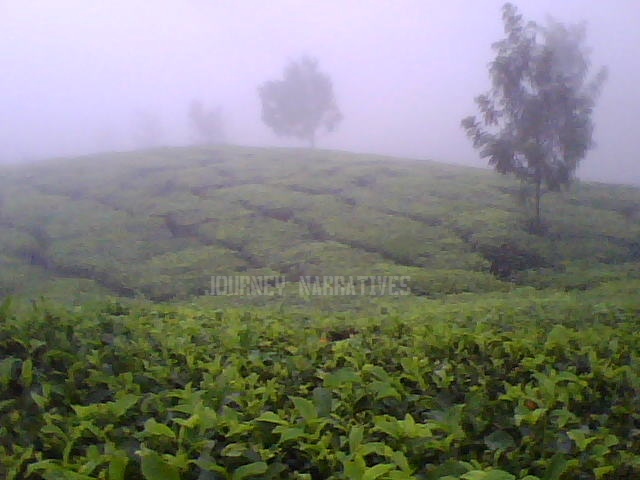
Munnar Mountains, nestled in the Western Ghats of Kerala, offer travelers a serene escape into rolling hills, misty valleys, and tea-scented breezes. These high-altitude landscapes are more than just scenic—they evoke a sense of timelessness, where every glance reveals nature’s artistry in its purest form. For anyone exploring mountain and hill landscapes, Munnar Mountains showcase the unique charm of southern India’s highlands. Here are eight spectacular views in Munnar that reveal the magic of its high-altitude terrain: 1. Anamudi Peak: The Roof of South India Standing tall at 2,695 meters, Anamudi Peak is South India’s highest point. From its base, travelers can admire sweeping views of the surrounding Western Ghats, lush forests, and tea plantations. On clear days, the sunlight on distant valleys creates a mosaic of greens and golds, making it a truly unforgettable high-altitude sight. 2. Top Station: Where the Mist Meets the Hills Top Station offers panoramic vistas of rolling hills and the neighboring Tamil Nadu plains. The mist that often lingers in the early morning adds a mystical layer, making the scenery feel almost otherworldly. The journey to this viewpoint, lined with wildflowers and eucalyptus trees, is as rewarding as the view itself. 3. Mattupetty Dam and Hills: A Blend of Water and Mountains The serene reservoir at Mattupetty Dam is framed by undulating hills that rise dramatically on all sides. From the dam, the combination of calm water reflecting the mountains and distant tea estates creates a harmonious view, perfect for photographers and nature lovers alike. 4. Echo Point: Nature’s Natural Amplifier Echo Point is famous not just for its sweeping valley views but also for the playful acoustics that make voices bounce across the mountains. Surrounded by tall trees and rolling hills, this spot blends visual beauty with interactive fun, making it a favorite for families and travelers seeking a memorable experience. 5. Attukal Waterfalls and Surrounding Peaks The cascading waters of Attukal Waterfalls provide a dynamic contrast to Munnar’s serene hills. Viewed from nearby high points, the falls carve their way through green valleys, offering a glimpse of nature’s raw energy amidst the timeless beauty of the mountains. 6. Chinnakanal: Tea Gardens Amidst Hills Chinnakanal is a haven of lush tea plantations, misty hills, and gentle streams. Walking or driving through its undulating roads gives travelers multiple vantage points where the tea gardens stretch endlessly, highlighting the serene rhythm of Munnar Mountains. 7. Marayoor Sandalwood Forests and Hills The Marayoor region is not just about sandalwood—it also offers elevated views of hills dotted with ancient dolmens and rocky outcrops. The juxtaposition of forested slopes and open valleys gives travelers a sense of timelessness and discovery. 8. Lockhart Gap: Sunset Over Rolling Hills Lockhart Gap offers one of the most romantic and cinematic views in Munnar. As the sun dips behind distant hills, valleys and tea estates are bathed in golden light. This viewpoint captures the essence of high-altitude beauty and the enduring allure of the Munnar Mountains. Embracing the Timeless Charm of Munnar Mountains Munnar Mountains prove that high-altitude landscapes are not just about elevation—they are about perspective, tranquility, and the stories that unfold in mist and sunlight. Each view—from peaks to waterfalls, tea gardens to forests—offers travelers a moment of reflection and awe. For those exploring mountain and hill landscapes, Munnar is a testament to the timeless charm of India’s highlands. For more breathtaking high-altitude landscapes, explore our pillar post, “Mountain & Hill Landscapes: 8 Breathtaking High-Altitude Views You’ll Never Forget”, where Munnar joins other iconic mountain destinations.
Shimla Mountain: 7 Iconic High-Altitude Views That Will Captivate Every Traveler
Shimla Mountain offers more than just charming colonial streets and bustling markets—it is a gateway to some of the most breathtaking high-altitude views in the Himalayas. Nestled amidst pine forests and rolling hills, Shimla Mountain captivates travelers with its serene landscapes and panoramic vistas. For those exploring mountain and hill landscapes, the vistas here perfectly blend natural beauty with a sense of timeless charm. Here are seven iconic views in Shimla that showcase the charm and majesty of these mountains: 1. The Ridge: Shimla’s Heartbeat Above the Hills The Ridge is more than a viewpoint—it’s the cultural and social heartbeat of Shimla. Stretching across the town, it offers sweeping panoramas of surrounding pine-clad mountains. From sunrise to sunset, the Ridge paints a perfect picture of Shimla’s charm. On clear days, the Dhauladhar ranges appear like a distant silver horizon, making it a must-visit for anyone wanting a taste of high-altitude grandeur. 2. Jakhoo Hill: Where the Sky Feels Close Jakhoo Hill, the highest point in Shimla, rewards visitors with 360-degree views of the city and valleys below. A short trek up through shaded pine forests leads to the famous Hanuman temple and a vista that seems almost suspended in clouds. The early morning mist curling around the hilltops gives the place an ethereal, almost mystical quality. 3. Kufri: Alpine Beauty Just Beyond Shimla Kufri’s slopes are a perfect blend of adventure and scenic delight. From the central hill, one can see rolling meadows, dense forests, and the distant peaks of the Himalayas. The winter months transform Kufri into a snowy wonderland, offering views that feel untouched and raw—a reminder of nature’s power and tranquility. 4. Prospect Hill: Sunrise in Solitude For travelers seeking peace and a quiet moment above the town, Prospect Hill offers an unmatched vantage point. The soft morning light spreads across the ridges and valleys, creating a tapestry of colors that feels intimate and personal. Unlike more crowded areas, Prospect Hill allows for a meditative connection with Shimla’s mountains. 5. Chadwick Falls: Nature’s Tranquil Canvas Though slightly off the main town, Chadwick Falls provides a unique mountain view framed by cascading water. The fall itself is modest but mesmerizing, with surrounding cliffs and pine trees creating a scene that blends motion and stillness—a perfect metaphor for the rhythm of mountain life. 6. Summer Hill: A Glimpse of Serenity Summer Hill is a serene vantage point that combines colonial charm with natural beauty. Trekking through narrow paths lined with rhododendrons leads to panoramic views of surrounding valleys. The view of Shimla from Summer Hill, especially at sunset, captures both the town’s character and the vastness of the Himalayas. 7. Tara Devi Temple: Spiritual Heights, Scenic Sights Perched on a hilltop, Tara Devi Temple offers both spiritual solace and a sweeping mountain panorama. The surrounding vistas stretch across verdant forests and distant peaks, making it a place where reflection meets breathtaking scenery. Early mornings here are magical, with sunlight glinting off layers of misty hills. The Lasting Allure of Shimla Mountain Landscapes Shimla mountain landscapes remind us why hill stations continue to capture the imagination of travelers worldwide. Each viewpoint offers a different perspective—some serene, some exhilarating—but all connect visitors with the raw beauty and timeless appeal of the Himalayas. When exploring mountain and hill landscapes, Shimla is a place where every glance upward becomes a story worth telling.