
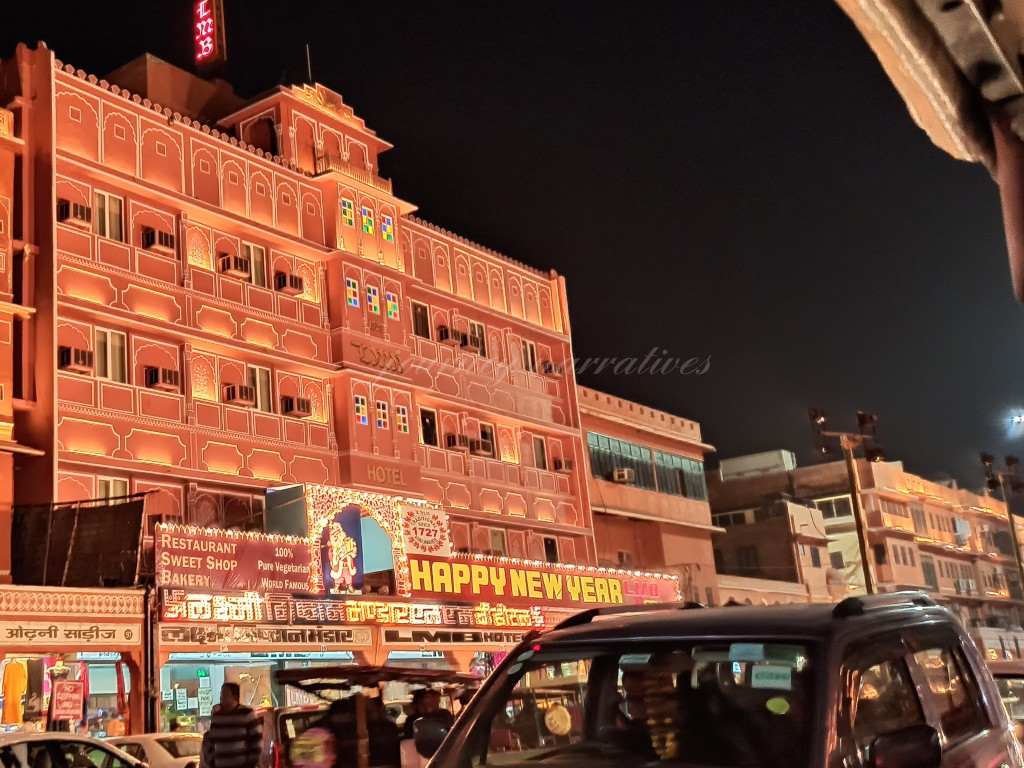
In Jaipur, shopping is not just a commercial activity — it is a daily ritual woven into food habits, festive preparation, family traditions, and local survival. Markets here function as open kitchens, social spaces, and cultural archives, where ingredients, utensils, textiles, and sweets circulate through generations.
To understand food and local life in India, one must look beyond dining tables and step into markets like those in Jaipur — where culture is bought, sold, shared, and sustained every single day.
Many of the food ingredients, utensils, and sweets found in Jaipur’s local markets are closely tied to India’s timeless food rituals and eating traditions, which continue to preserve culture even as everyday life becomes faster and more commercial.
Table of Contents
Markets as the Backbone of Food and Local Life
In Indian cities, especially historic ones like Jaipur, food traditions do not exist in isolation. They are supported by:
- Spice sellers
- Sweet makers
- Utensil shops
- Grain traders
- Seasonal vendors
These markets ensure that food rituals continue, even as lifestyles change. This is why local bazaars matter as much as recipes or festivals when discussing India’s eating traditions.
1. Johari Bazaar – Where Festive Food Traditions Begin
Known for jewelry, Johari Bazaar also plays a quiet role in food rituals. During festivals and weddings, families walk these lanes to buy:
- Silver utensils used in ceremonial cooking
- Containers for sweets and prasad
- Decorative items for festive kitchens
Food rituals in India often begin with preparation and presentation, and Johari Bazaar supplies the material culture behind those moments.
2. Bapu Bazaar – Everyday Shopping for Everyday Kitchens
Bapu Bazaar reflects daily local life, not occasional tourism. Alongside textiles and footwear, you’ll find:
- Spice blends used in Rajasthani homes
- Snack sellers offering kachori, ghewar, and sweets
- Household items essential for daily cooking
This bazaar shows how food traditions survive not through grandeur, but through daily repetition and affordability.
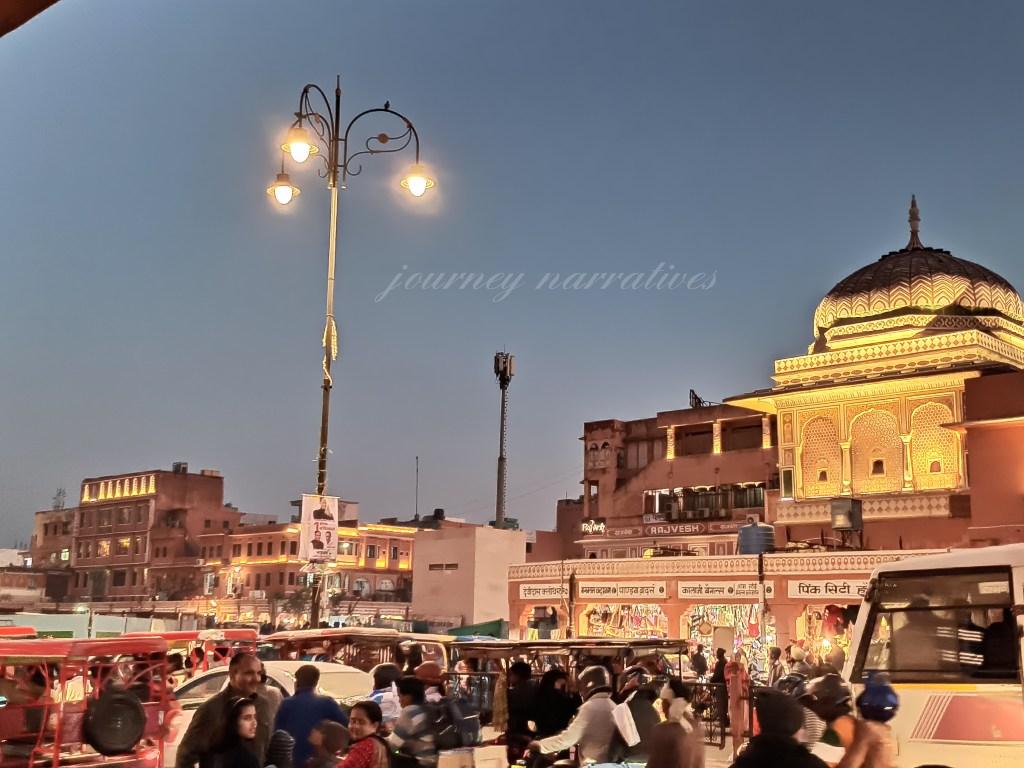
3. Tripolia Bazaar – The World of Utensils and Cooking Tools
Tripolia Bazaar is one of the strongest examples of how markets support food culture. It is famous for:
- Brass, copper, and steel utensils
- Traditional cookware still used in homes and temples
- Items required for community feasts and rituals
Cooking vessels here are not decorative — they are functional tools passed down across generations, ensuring continuity in how food is prepared and served.
4. Kishanpole Bazaar – Where Craft Meets Community Life
Textiles from Kishanpole Bazaar often enter kitchens and dining spaces as:
- Table coverings
- Floor mats for traditional seating
- Cloth used during rituals and fasting days
Food in India is rarely eaten in isolation; it is tied to how people sit, serve, and share, all of which are shaped by local craft traditions.
5. Chandpole Bazaar – Raw Materials of Tradition
Chandpole Bazaar is known for raw materials:
- Marble and stone items used in temples and homes
- Mortars, grinders, and traditional kitchen tools
Many food rituals described in Indian culture rely on manual preparation methods, and Chandpole supplies the tools that keep those practices alive.
6. Sireh Deori Bazaar – Street Food as Social Life
Located near the City Palace, Sireh Deori is where food becomes:
- Affordable
- Communal
- Immediate
Street snacks here are not just meals; they are social pauses — moments where locals, vendors, and travelers intersect. This everyday eating culture mirrors the idea that food rituals survive best when they remain accessible.
7. Local Sweet Shops & Seasonal Vendors – Rituals You Can Taste
Jaipur’s markets change with seasons and festivals. Temporary stalls appear selling:
- Ghewar during monsoons
- Sweets for Teej, Diwali, and weddings
- Fasting foods during religious periods
These seasonal rhythms reflect the same patterns discussed in broader conversations about India’s timeless food rituals, where tradition adapts but does not disappear.
How This Connects to India’s Food Rituals
Many of the ingredients, utensils, sweets, and customs seen in Jaipur’s markets are directly linked to India’s enduring food rituals and eating traditions, which continue to survive despite urbanization and economic pressure.
Markets like these quietly preserve culture by:
- Supporting local livelihoods
- Keeping traditional food practices affordable
- Allowing rituals to evolve without breaking
This is how food traditions remain alive — not in museums, but in marketplaces.

Why Jaipur’s Markets Matter Beyond Shopping
Jaipur’s bazaars reveal a larger truth about India:
Food culture survives not only through recipes, but through spaces that support everyday life.
When you walk these markets, you’re witnessing:
- Supply chains of tradition
- Cultural resilience
- The economics of preservation
They are living examples of how food and local life remain inseparable in India.
Food Traditions in the Flow of Everyday Life
To understand India’s food traditions, you don’t always need a dining table or a festival invitation. Sometimes, all you need is a walk through a local market — where food, craft, and life quietly meet, day after day.
