
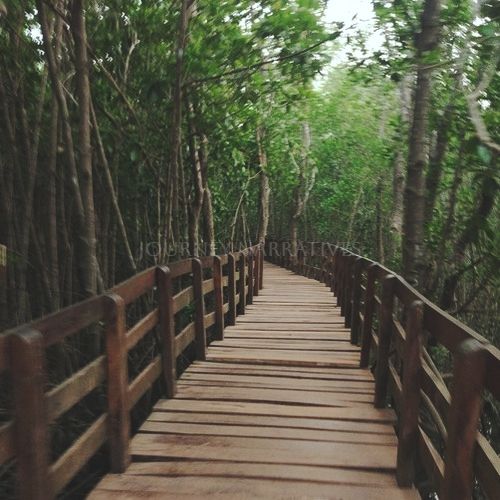
The Mangrove shores of Honnavar feel nothing like open beaches.
Here, the sea doesn’t arrive suddenly. It slows down, filtered through river mouths, tidal creeks, and dense mangrove growth before merging with the land.
Along this stretch of Karnataka’s coastline, the Sharavathi River meets the Arabian Sea, creating an estuarine shoreline shaped less by waves and more by tides, sediment, and living ecosystems. The result is a coastal landscape that feels quiet, enclosed, and deeply restorative.
Table of Contents
1. Where the River Softens the Sea
Honnavar sits at the meeting point of freshwater and saltwater.
As the Sharavathi River approaches the sea, its flow slows, spreads, and deposits sediment along the coast.
This interaction creates:
- Mudflats and shallow inlets
- Calm, brackish waters
- Gradual transitions instead of sharp shorelines
Unlike wave-dominated coasts, estuarine shores evolve through balance rather than impact.
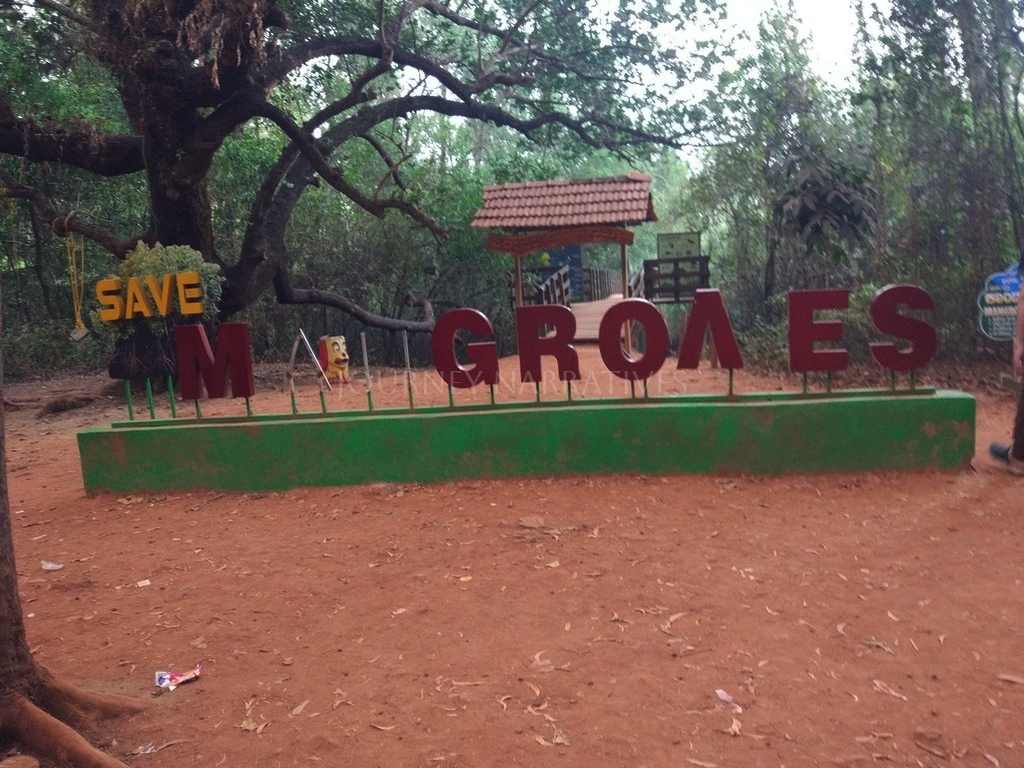
2. Mangroves as the Architects of the Coast
Mangroves are not just vegetation here — they actively shape the shoreline.
Their tangled root systems:
- Trap sediment
- Reduce erosion
- Stabilize the coast during tides and storms
Over time, these living barriers transform loose coastal edges into resilient, self-sustaining landscapes.

3. A Shoreline Defined by Tides, Not Waves
At Honnavar, daily changes are subtle but constant.
Instead of crashing waves:
- Water levels rise and fall quietly
- Channels expand and contract with the tide
- Shorelines appear and disappear slowly
This rhythm gives the coast a meditative quality, where movement is continuous but never aggressive.
4. The Silence That Defines Estuarine Landscapes
At Honnavar, these landscapes:
Mangrove shores carry a different soundscape.
Here, you notice:
- Stillness between tidal movements
- Occasional bird calls
- Water moving through roots instead of striking rock
The absence of wave noise makes these shores feel intimate and introspective, ideal for slow observation.
5. A Naturally Protected Coastal System
Mangrove and estuarine shores play a critical role in coastal health.
- Act as buffers against storms
- Reduce coastal flooding
- Support marine and bird life
They are among the most ecologically valuable coastal systems, despite appearing understated.
6. Why Honnavar Represents Mangrove and Estuarine Shores
Honnavar offers a clear, accessible example of how mangroves and estuaries reshape coastlines.
It represents:
- The meeting of river and sea
- Living coastal defenses
- A shoreline governed by tides and biology
This makes it a natural reference point for understanding mangrove and estuarine coastal landscapes.
Where Water Learns to Move Slowly
The mangrove shores of Honnavar remind us that not all coastlines announce themselves.
Some reveal their beauty through quiet processes, subtle changes, and long-term balance between land and water.
In a world drawn to dramatic shorelines, estuarine coasts like Honnavar offer a different kind of refreshment — one rooted in calm, patience, and resilience.
This shoreline reflects the Mangrove and Estuarine Shores described in our broader exploration of natural coastal landscapes.
