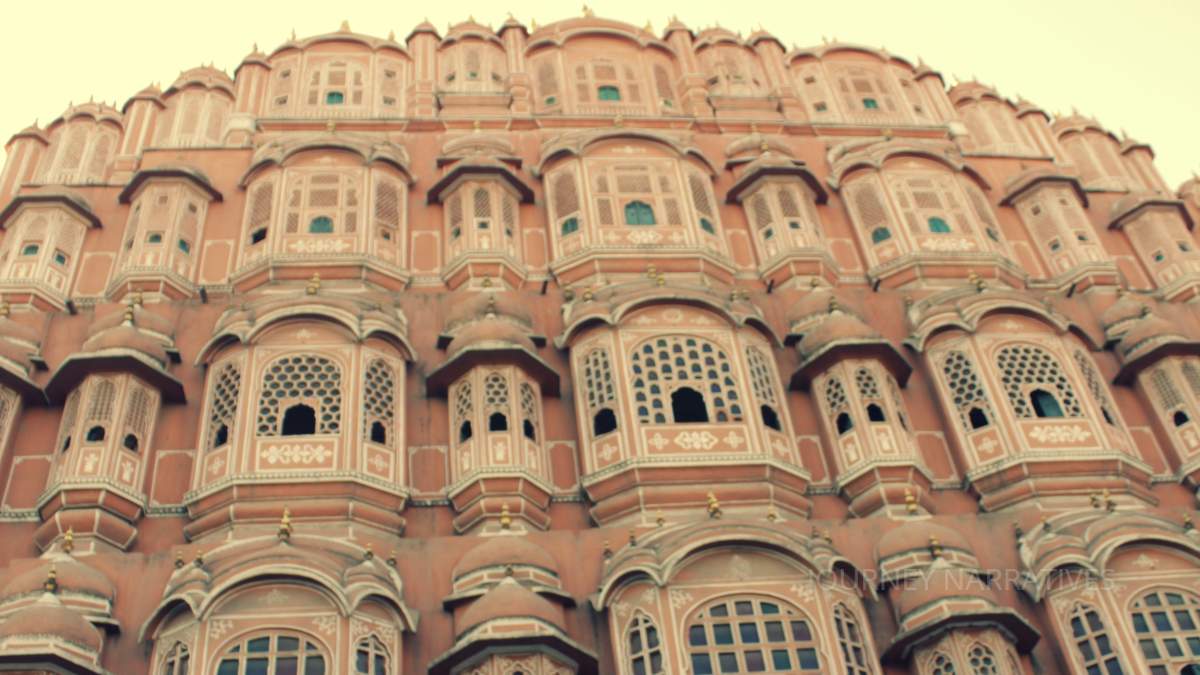
Hawa Mahal Jaipur is more than a postcard image—it is a symbol of Jaipur’s identity and Rajasthan’s architectural finesse. Rising gracefully along the old city streets, this honeycomb-shaped palace reflects a time when design, climate, and culture worked in harmony.
To plan your visit around nearby attractions, check out our detailed Jaipur Travel Guide.
Table of Contents
The History Behind Hawa Mahal Jaipur
Built in 1799 by Maharaja Sawai Pratap Singh, Hawa Mahal was designed to allow royal women to observe everyday life and grand processions without being seen. Its façade, dotted with hundreds of small windows, ensured privacy while allowing cool air to circulate through the structure.
This iconic façade reflects the larger cultural richness of the region—discover more in our Rajasthan Travel Guide.
Why Hawa Mahal Jaipur Is Architecturally Unique
What sets Hawa Mahal Jaipur apart is its façade—an intricate lattice of red and pink sandstone that feels both decorative and functional.
Visitors often notice:
- 900+ small jharokhas designed for airflow
- A façade that resembles the crown of Lord Krishna
- Natural cooling without the use of courtyards
- A structure built more for experience than occupation
For those interested in architecture-driven travel in Rajasthan, Hawa Mahal offers insight into climate-responsive design long before modern engineering.
Hawa Mahal Jaipur and the Old City Experience
Hawa Mahal Jaipur sits at the edge of Jaipur’s bustling old city, making it an ideal gateway to local life. The surrounding streets are filled with bazaars, artisans, and heritage buildings that reveal Jaipur beyond royal complexes.
This experience connects naturally with nearby landmarks such as City Palace Jaipur and Jantar Mantar, making the palace a key stop within broader Jaipur sightseeing plans.
Best Time to Visit Hawa Mahal Jaipur
The experience of Hawa Mahal Jaipur changes with light and timing.
- Early mornings: Best views from the street façade
- Late afternoons: Softer light for photography
- October to March: Most comfortable weather
Landmarks like Hawa Mahal are an essential part of India’s heritage—explore more in our India Travel Guide.
To ensure peace of mind while traveling or living abroad, we recommend getting health insurance. SafetyWing’s Essential plan covers travel and medical emergencies with options for adventure sports and electronics theft. Their Complete plan offers comprehensive health coverage with routine healthcare, mental health support, and maternity, anywhere in the world, including in your home country, on top of all Essential benefits.

How Hawa Mahal Fits Into a Jaipur Itinerary
Due to its central location, Hawa Mahal Jaipur integrates seamlessly with other attractions:
- Start at Hawa Mahal Jaipur for old city views
- Walk to City Palace and nearby museums
- Continue to Jantar Mantar for historical context
- Explore local markets around Badi Chaupar
Practical Tips for Visiting Hawa Mahal Jaipur
- View the façade from the street for the best perspective
- Enter from the rear side of the building
- Carry water, especially during warmer months
- Allocate 45–60 minutes for the visit
These small details help ensure a smoother experience at Hawa Mahal Jaipur.
Why Hawa Mahal Jaipur Deserves a Place on Your Travel List
Hawa Mahal Jaipur isn’t about grand interiors—it’s about thoughtful design and cultural insight. It reflects how architecture once responded to climate, society, and tradition with elegance and restraint.
For travelers exploring Rajasthan beyond forts and palaces, Hawa Mahal offers a quiet lesson in ingenuity that continues to define Jaipur’s character.
Architectural gems like this showcase the cultural depth of the region—discover more in our Asia Travel Guide.