
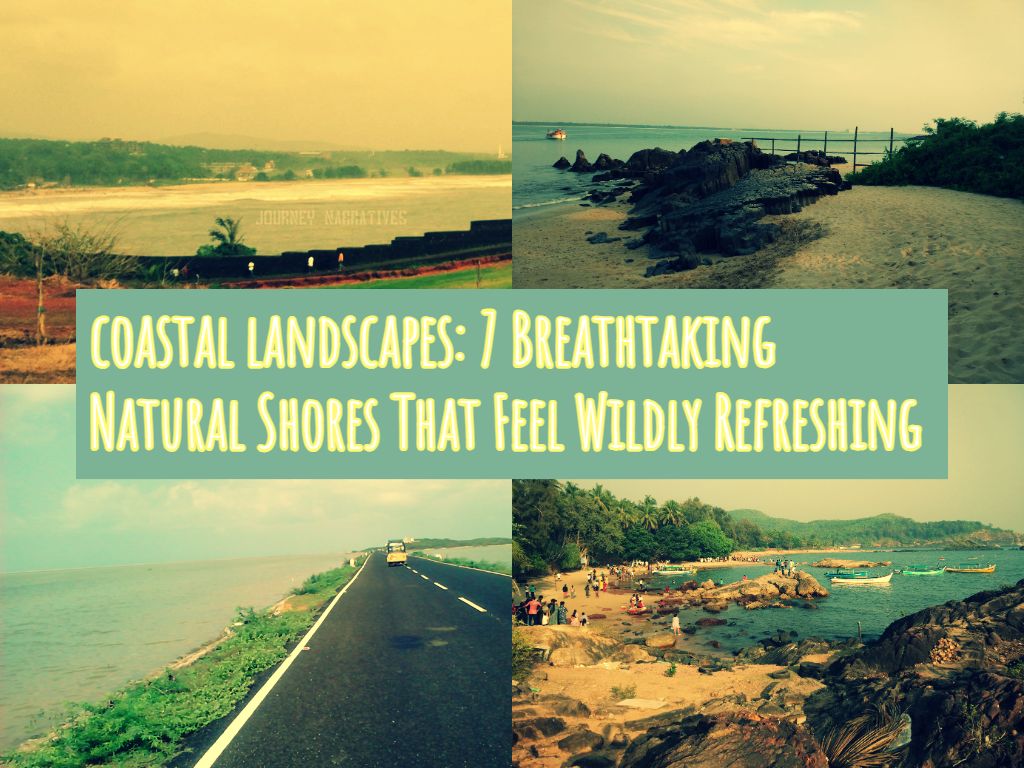
Coastal landscapes are among the most captivating natural environments on Earth. Where land meets sea, powerful forces—waves, wind, tides, and tectonic movement—work continuously to shape shorelines into diverse and breathtaking forms. These landscapes are not only visually striking but also ecologically vital, supporting complex ecosystems and offering a sense of openness and refreshment that few other environments can match.
Across continents and climates, coastal regions present an extraordinary range of natural features: volcanic islands rising from the ocean floor, coral-fringed beaches glowing under tropical sun, dramatic cliffs carved by centuries of erosion, and calm estuaries where rivers blend into the sea. Together, they form a living record of Earth’s natural processes.
Coastal landscapes exist across every continent. This guide currently explores India’s most remarkable coastal environments and will gradually expand to include global coastal regions.
Table of Contents
Why Coastal Landscapes Feel Wildly Refreshing
Coastal environments engage the senses in a unique way. The constant movement of water, the sound of waves, the salty air, and the vast open horizons combine to create a deeply calming yet energizing experience.
Scientifically, coastal regions are known for:
- High air quality, enriched with negative ions
- Dynamic visual patterns, created by tides and waves
- Biodiversity richness, both on land and underwater
- Natural temperature regulation, especially in tropical and subtropical zones
Beyond physical refreshment, coastal landscapes also play a psychological role, offering mental clarity and a strong sense of connection to nature.
1. Volcanic Island Shores
Volcanic island coasts are formed when lava from beneath the Earth’s crust cools rapidly upon contact with seawater. Over time, this process creates distinctive rock formations, often with geometric precision.
Defining features:
- Columnar or hexagonal basalt formations
- Dark volcanic rock contrasting with light sand
- Clear waters shaped by rocky seabeds
These shores are not only visually unique but also geologically rare. They serve as natural laboratories for understanding plate tectonics and Earth’s volcanic history. Because of their scientific importance, many volcanic island shores are designated protected zones.
A notable example of this landscape type is St. Mary’s Island, where rare basalt column formations clearly illustrate how volcanic activity has shaped India’s coastal geography.
2. Coral and White-Sand Beaches
Unlike conventional sandy beaches, coral beaches are formed from broken coral fragments, shells, and marine organisms. This gives them a bright white appearance and shallow, clear waters that reflect sunlight beautifully.
Why they stand out:
- Fine, powdery sand texture
- Calm lagoons and gentle wave action
- Strong dependence on healthy coral ecosystems
These beaches are highly sensitive to environmental change. Rising sea temperatures and pollution can significantly impact coral health, making conservation efforts essential to preserving these stunning coastal environments.
Along India’s western coastline, Kovalam Beaches in Kerala illustrate how coral-influenced seabeds and fine white sand work together to naturally regulate waves, creating calm, segmented shorelines shaped by long-term interaction between marine ecosystems and the coast.
To ensure peace of mind while traveling or living abroad, we recommend getting health insurance. SafetyWing’s Essential plan covers travel and medical emergencies with options for adventure sports and electronics theft. Their Complete plan offers comprehensive health coverage with routine healthcare, mental health support, and maternity, anywhere in the world, including in your home country, on top of all Essential benefits.

3. Rocky Cliffs and Wave-Cut Coastlines
Rocky coastal cliffs represent some of the most dramatic interactions between land and sea. Constant wave impact erodes the base of cliffs, gradually shaping caves, arches, stacks, and blowholes.
Natural characteristics:
- Steep vertical or sloping rock faces
- Intense wave activity
- Exposed geological layers
These coastlines demonstrate the raw power of the ocean and are often found along tectonically active regions. While less accessible than sandy beaches, cliff coasts offer expansive views and a strong sense of natural scale.
A clear example of this coastal form can be seen along the rocky cliffs of Varkala, where wave erosion has shaped elevated shorelines that feel raw, exposed, and naturally refreshing.
4. Mangrove and Estuarine Shores
Mangrove coasts occur where freshwater rivers meet saltwater seas, creating estuaries rich in nutrients. Though visually quieter, these landscapes are among the most ecologically important coastal systems in the world.
Why mangrove shores matter:
- Act as natural barriers against erosion and storms
- Serve as breeding grounds for fish and crustaceans
- Support birdlife and coastal biodiversity
- Capture and store large amounts of carbon
Mangrove landscapes provide a different kind of refreshment—calm, shaded, and deeply connected to ecological balance.
The mangrove-lined estuarine shores of Honnavar illustrate how coastal landscapes adapt where rivers meet the sea, allowing tidal flow, sediment movement, and root systems to shape a naturally balanced shoreline.
5. Sandy Dunes and Coastal Plains
Coastal dune systems form where wind and sand interact over long periods, shaped and stabilized by native vegetation. These landscapes are constantly changing yet delicately balanced.
Key elements:
- Rolling sand dunes
- Coastal grasses and shrubs
- Wide, open horizons
Though they may appear simple, dune systems protect inland areas from sea intrusion and storms. Walking through these landscapes reveals the subtle beauty of wind-shaped terrain and minimalistic coastal design.
The shifting sands of Dhanushkodi offer a clear example of sandy dunes and coastal plains, where wind, waves, and deposition continuously reshape the shoreline without fixed boundaries.
6. Tidal Flats and Natural Rock Pools
Some of the most fascinating coastal landscapes reveal themselves only during low tide. Tidal flats and rock pools expose textures, patterns, and marine life hidden beneath the sea’s surface.
What makes them special:
- Temporary pools hosting small fish, crabs, and algae
- Natural patterns shaped by daily tidal cycles
- Educational value for understanding coastal ecosystems
These zones highlight the rhythmic nature of coastal environments and show how even small-scale landscapes play a role in ecological health.
At Om Beach in Gokarna, tidal flats and natural rock pools emerge with changing sea levels, revealing an intertidal landscape shaped by daily exposure and retreat.
7. Untouched and Protected Coastal Zones
The most refreshing coastal landscapes are often those least altered by human activity. Protected islands, marine parks, and restricted shorelines allow natural processes to continue undisturbed.
Benefits of protected coasts:
- Higher biodiversity
- Cleaner shorelines
- Long-term sustainability
- Authentic nature experiences
Responsible tourism ensures that these landscapes remain intact while still allowing people to appreciate their natural beauty.
The Bekal Coast represents an untouched and protected coastal zone, where limited intervention allows natural shoreline processes to endure without forced stabilization.
The Geological Story Behind Coastal Landscapes
Coastal landforms are shaped by a combination of:
- Plate tectonics
- Volcanic activity
- Erosion and sedimentation
- Sea-level changes
Some coastlines are millions of years old, while others continue to evolve rapidly. Understanding these processes adds depth to the experience of exploring natural shores.
Ecological Importance of Coastal Environments
Coastal landscapes play a critical role in:
- Supporting marine and terrestrial life
- Regulating climate and weather patterns
- Protecting inland areas from storms
- Sustaining fishing and coastal communities
Their health directly affects global ecological balance, making conservation a shared responsibility.
Best Time to Explore Coastal Landscapes
The ideal time to explore coastal regions varies by geography, but generally depends on:
- Calm sea conditions
- Dry or post-monsoon seasons
- Local safety regulations
Weather awareness and respect for seasonal closures are essential for safe and responsible coastal exploration.
Responsible Nature Travel Along the Coast
To preserve these fragile landscapes:
- Avoid disturbing rock formations and coral
- Do not collect natural materials
- Follow designated paths and guidelines
- Carry all waste back
Sustainable travel ensures that coastal environments remain vibrant and accessible for future generations.
Nature’s Edges, Shaped by Time
Coastal landscapes represent the ever-changing boundary between land and sea. From volcanic island shores to mangrove-lined estuaries, these environments showcase nature’s ability to create beauty through movement, pressure, and time.
Exploring coastal landscapes deepens our appreciation for Earth’s natural systems and reminds us why protecting wild shores is essential—not just for ecological balance, but for the sense of refreshment and wonder they offer to humanity.
You can also browse our full Nature and Outdoors collection to discover more landscape-focused travel guides across India.
