CST Mumbai, officially known as Chhatrapati Shivaji Maharaj Terminus, is one of India’s most extraordinary architectural landmarks. Declared a UNESCO World Heritage Site in 2004, this iconic railway terminus is not merely a transport hub — it is a living monument that blends art, engineering, and history.
Constructed in 1887 to commemorate Queen Victoria’s Golden Jubilee, the building was originally named Victoria Terminus. Today, it stands as a symbol of Mumbai’s evolution — from colonial port city to India’s financial capital.
Unlike many heritage sites preserved as silent relics, CST Mumbai continues to pulse with life, serving millions of passengers every day while retaining its 19th-century grandeur.
Let’s explore the 10 remarkable features that make this monument unforgettable.
Table of Contents
1. A Grand Victorian Gothic Revival Design
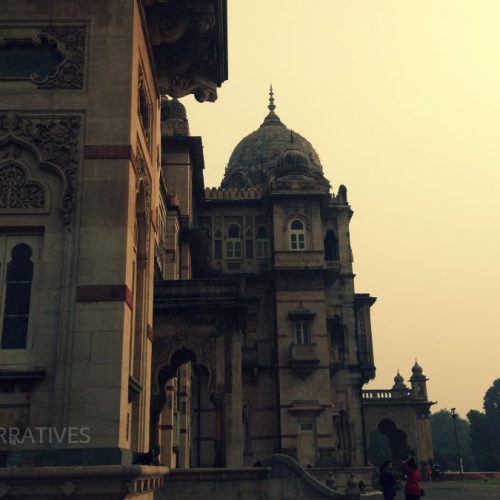
Designed by British architect Frederick William Stevens, CST Mumbai represents High Victorian Gothic Revival architecture. The design draws inspiration from medieval Italian cathedrals while incorporating Indian decorative elements.
Pointed arches, steep roofs, flying buttresses, and ornamental turrets give the building a cathedral-like presence — unusual yet magnificent for a railway station.
2. The Central Octagonal Dome
The imposing ribbed dome forms the visual crown of the structure. Atop the dome stands a statue symbolizing “Progress,” holding a torch in one hand and a wheel in the other — representing enlightenment and industrial advancement.
This symbolic sculpture reinforces the importance of railways in shaping colonial India’s infrastructure.
3. A Fusion of European and Indian Craftsmanship
What makes CST Mumbai especially fascinating is its Indo-Saracenic influence. While the structural planning follows British Gothic traditions, Indian artisans executed intricate carvings featuring peacocks, lions, monkeys, and floral motifs.
This fusion gives the monument a distinct identity — neither purely British nor entirely Indian.
4. Intricate Stone Carvings and Gargoyles
The exterior façade is adorned with grotesques, gargoyles, and mythical figures — typical of Gothic structures. Yet here, they are interwoven with Indian symbolism.
The detailed carvings reflect extraordinary craftsmanship and reveal how local artisans adapted European forms into regional artistry.
5. Stained Glass and Decorative Interiors
Inside CST Mumbai, stained glass windows filter sunlight into vibrant colors. The grand staircase, ornamental railings, tiled floors, and high vaulted ceilings give the interiors a palace-like elegance.
Even today, stepping inside feels like entering a historic cathedral rather than a railway station.

6. Symmetry and Structural Balance
The building’s symmetrical façade and central axis create visual harmony. The balance between horizontal wings and vertical towers demonstrates advanced engineering precision for its time.
This architectural discipline contributes significantly to its UNESCO recognition.
7. Use of Local and Imported Materials
CST Mumbai was constructed using a combination of Italian marble, Indian sandstone, and limestone. The use of local materials alongside imported elements reflects both practicality and prestige.
The durable construction has allowed the structure to withstand more than a century of heavy use.
8. A Functional Heritage Landmark
Unlike monuments preserved solely for tourism, CST Mumbai remains the headquarters of Central Railway and one of India’s busiest railway stations.
This dual identity — operational infrastructure and protected heritage — makes it uniquely dynamic.
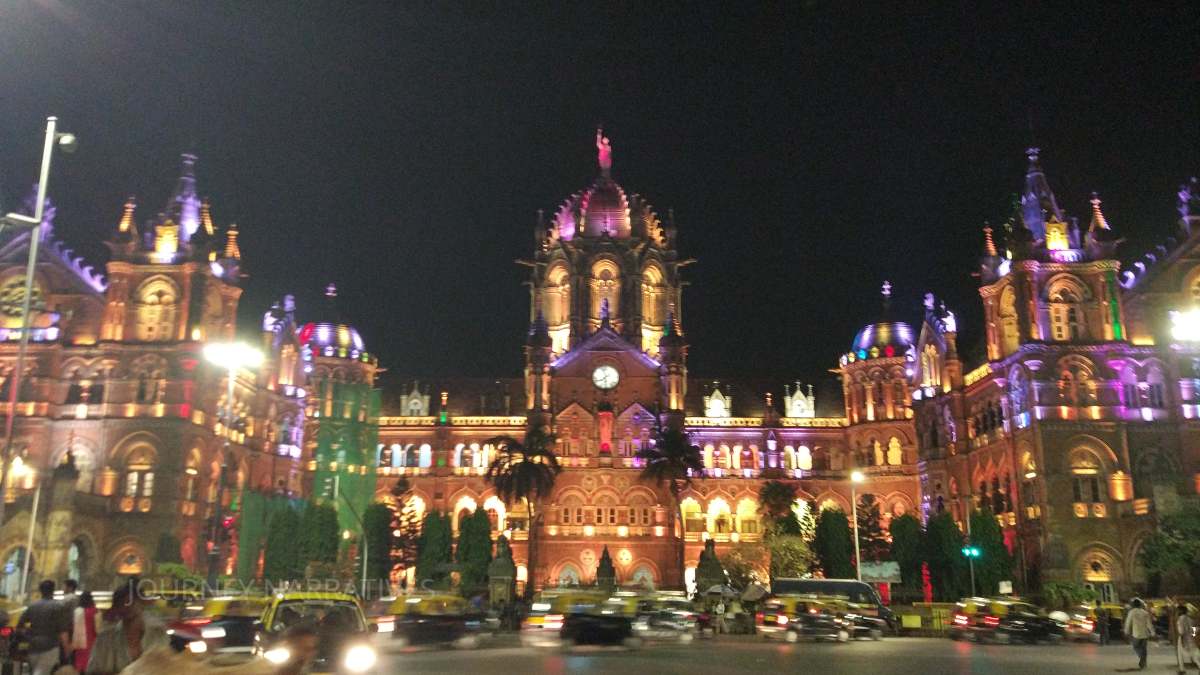
9. Illumination That Transforms the Structure
During evenings and national celebrations, the monument is beautifully illuminated. The lighting highlights its arches, dome, and sculptures, creating a dramatic skyline silhouette.
For photographers, this is one of Mumbai’s most striking night landmarks.
10. Symbol of Mumbai’s Identity
CST Mumbai is more than architecture — it is woven into the city’s emotional and cultural fabric. For millions, it represents daily journeys, ambition, resilience, and the unstoppable rhythm of Mumbai life.
Few monuments in India combine artistic grandeur and everyday significance so seamlessly.
Historical Context and Colonial Legacy
Built during British rule, CST Mumbai symbolized the expansion of railway networks across the subcontinent. Railways connected ports, trade centers, and inland territories, accelerating economic growth.
While the building reflects colonial influence, it also represents Indian craftsmanship and adaptation. Today, its renaming honors Chhatrapati Shivaji Maharaj, reflecting post-independence identity reclamation.
Best Time to Visit CST Mumbai
- Early morning for photography with fewer crowds
- Evening for illuminated views
- October to March for pleasant weather
As it is an active railway station, interior access may be limited in certain sections.
Why CST Mumbai Deserves Global Recognition
CST Mumbai is not just architecturally impressive — it represents a moment in global industrial history when railways reshaped societies.
It stands among India’s most celebrated UNESCO landmarks and forms part of our carefully curated guide to the 42 Most Beautiful World Heritage Sites in India, where you can explore other extraordinary heritage destinations across the country.
A Legacy That Continues to Inspire
CST Mumbai proves that heritage does not have to be frozen in time. It can evolve, function, and remain deeply relevant while preserving its artistic soul.
In the constant movement of trains and commuters, this grand monument continues to tell a story — one of design brilliance, cultural fusion, and enduring legacy.