
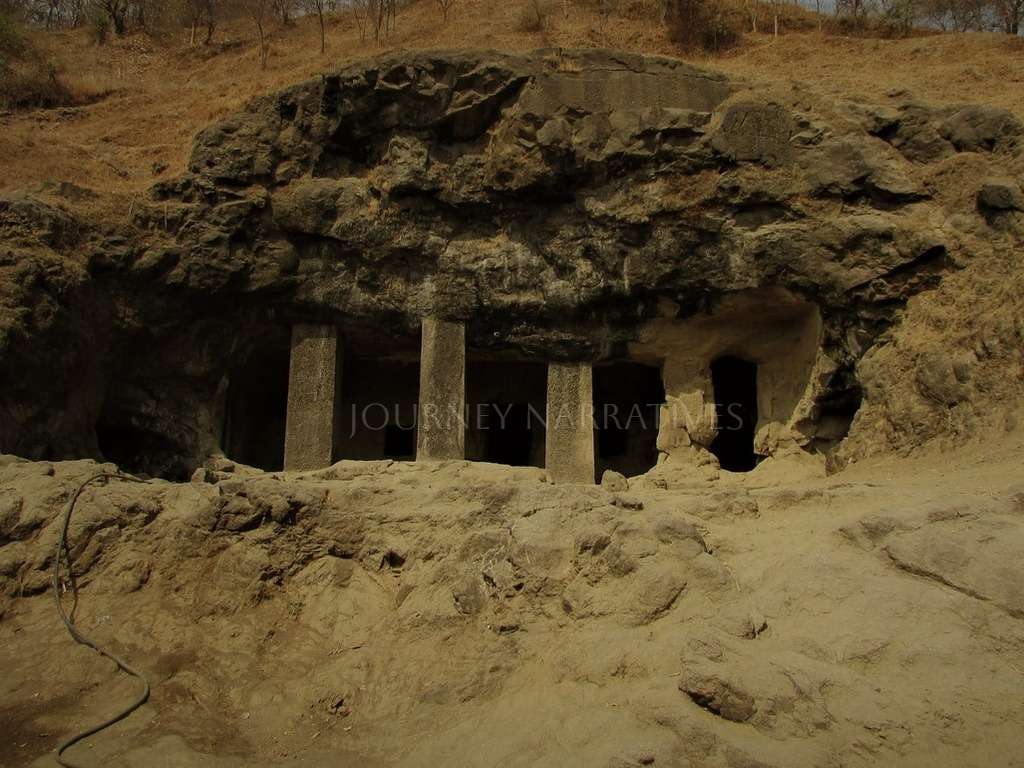
Some of the links on this blog are affiliate links. This means I may earn a small commission if you make a purchase through these links, at no extra cost to you. This helps support the blog and allows me to create more valuable content. Thank you for your support! India, with its deep-rooted history, diverse landscapes, and vibrant cultures, is home to an impressive collection of UNESCO World Heritage Sites. These sites are recognized for their cultural, natural, and mixed significance, preserving the incredible stories of ancient civilizations, architectural marvels, and natural wonders. As of 2025, India has 42 UNESCO World Heritage Sites, making it one of the countries with the most heritage sites in the world. Let’s explore the list of these extraordinary sites, categorized into Cultural, Natural, and Mixed heritage sites. Cultural World Heritage Sites in India These sites showcase India’s architectural brilliance, historical significance, and cultural heritage. Agra Fort (Uttar Pradesh) Agra Fort, located in Uttar Pradesh, is a grand 16th-century red sandstone fortress built by the Mughal emperor Akbar. This UNESCO World Heritage Site, known for its stunning architecture and historical significance, served as the main residence of the Mughal emperors for several generations. With its majestic gates, towering walls, and intricate carvings, Agra Fort offers a glimpse into the opulence of the Mughal era. It also houses several important structures, including the Jahangir Palace, Diwan-i-Aam, and the exquisite Shah Jahan’s marble mosque. A must-visit for history and architecture enthusiasts, Agra Fort stands as a testament to India’s rich cultural heritage. Ajanta Caves (Maharashtra) The Ajanta Caves are ancient rock-cut Buddhist monuments dating back to the 2nd century BCE. These caves, known for their intricate paintings and sculptures, depict the life of Buddha and various Buddhist teachings. The stunning murals and carvings in these caves are masterpieces of ancient Indian art and a significant part of India’s cultural heritage. Ellora Caves (Maharashtra) The Ellora Caves represent a unique blend of Hinduism, Buddhism, and Jainism, with 34 rock-cut temples carved into volcanic rock. These awe-inspiring structures, built between the 5th and 10th centuries, showcase elaborate sculptures and intricate architecture, including the renowned Kailasa Temple, the world’s largest monolithic structure. Taj Mahal (Uttar Pradesh) The Taj Mahal, a symbol of eternal love, is a breathtaking white marble mausoleum built by Mughal Emperor Shah Jahan in memory of his wife Mumtaz Mahal. This one of the UNESCO World Heritage Sites, with its stunning architecture, lush gardens, and reflecting pools, is a masterpiece of Mughal art and one of the world’s most iconic landmarks. Sun Temple, Konark (Odisha) The Sun Temple at Konark, built in the 13th century, is a monumental chariot-shaped temple dedicated to the Sun God. The intricate carvings on its walls and the massive wheels of the chariot reflect the temple’s astronomical significance and the grandeur of ancient Indian architecture. Group of Monuments at Mahabalipuram (Tamil Nadu) The Group of Monuments at Mahabalipuram, dating from the 7th and 8th centuries, includes rock-cut temples, rathas (chariots), and bas-reliefs. These masterpieces of Dravidian architecture, carved from granite, are a testament to the artistic and architectural brilliance of the Pallava dynasty. Kaziranga National Park (Assam) Kaziranga National Park is a natural paradise, known for its rich biodiversity and a major conservation site for the endangered one-horned rhinoceros. Located in Assam, this UNESCO site is celebrated for its unique combination of natural beauty and cultural preservation, attracting wildlife enthusiasts from around the world. Fatehpur Sikri (Uttar Pradesh) Fatehpur Sikri, the former capital of Mughal Emperor Akbar, is a Mughal architectural wonder. This fortified city, built in the late 16th century, is a beautiful blend of Indo-Islamic architecture, featuring grand palaces, mosques, and gateways that reflect the empire’s cultural diversity and grandeur. Churches and Convents of Goa The Churches and Convents of Goa, including the famous Basilica of Bom Jesus, represent the rich Portuguese colonial legacy. These beautiful churches and convents, built in the 16th and 17th centuries, are a remarkable example of Portuguese architecture and religious art in India. Khajuraho Group of Monuments (Madhya Pradesh) The Khajuraho Group of Monuments is one of the UNESCO World Heritage Sites famous for its exquisite sculptures that depict human life, including erotic art. Built between 950 and 1050 CE, these temples, with their detailed carvings and intricate architecture, showcase the creative genius of the Chandela dynasty. Group of Monuments at Hampi (Karnataka) The Group of Monuments at Hampi is a remarkable archaeological site showcasing the grandeur of the Vijayanagara Empire. The ruins of temples, palaces, and other structures, built in the 14th to 16th centuries, reflect the Dravidian architectural style and provide a glimpse into India’s medieval history. Group of Monuments at Pattadakal (Karnataka) The Group of Monuments at Pattadakal features a blend of North and South Indian architectural styles. Built between the 7th and 8th centuries, the temples here represent the peak of Chalukya architecture and are known for their intricate carvings and striking structural designs. Elephanta Caves (Maharashtra) The Elephanta Caves, located on an island near Mumbai, feature rock-cut sculptures and temples dedicated to Hindu deities, primarily Lord Shiva. The cave complex, dating back to the 5th to 8th centuries, is renowned for its massive sculptures, including the Trimurti, a 20-foot depiction of Shiva. Great Living Chola Temples (Tamil Nadu) The Great Living Chola Temples, including the Brihadeeswarar Temple (Thanjavur), Gangaikonda Cholapuram, and Airavatesvara Temple at Thanjavur, are magnificent examples of Dravidian architecture. Built by the Chola dynasty, these temples are a testament to the artistic and architectural prowess of medieval South India and continue to serve as active places of worship. Buddhist Monuments at Sanchi (Madhya Pradesh) The Buddhist Monuments at Sanchi are some of the oldest stone structures in India, dating back to the 3rd century BCE. Known for their stupas, monasteries, and exquisite carvings, these monuments represent the early stages of Buddhist art and architecture in India. Humayun’s Tomb (Delhi) Humayun’s Tomb in Delhi is an architectural masterpiece that served as the inspiration for the Taj Mahal.