Food rituals and eating traditions in India are not confined to recipes, restaurants, or moments of celebration. They live in temples and homes, in festivals and fasts, across village kitchens and crowded cities. Food in India is both a celebration of life and a mirror to its hardest realities. Across regions, religions, and communities, these traditions are shaped by faith, climate, caste, gender roles, economic access, and survival. A meal can be an offering to the divine, a symbol of unity, a daily act of care — or a quiet reminder of inequality and loss. This blog explores four timeless food rituals and eating traditions in India that reveal how deeply food is woven into local life. Each tradition celebrates nourishment, belonging, and continuity — while also confronting harsh truths about scarcity, hierarchy, and change. 1. Sacred Food Rituals That Preserve Faith — and Demand Sacrifice In India, food often begins not on the plate, but at the altar. From temple prasadam and mosque iftar meals to gurudwara langars and household offerings, sacred food rituals transform eating into an act of devotion. Food becomes a bridge between humans and the divine, prepared with rules of purity, timing, and intention. How it celebrates life These practices reinforce humility and community. Eating is not consumption alone — it is participation in something larger than oneself. The harsh truth beneath Faith-based food rituals preserve spiritual identity, but they also reveal how belief systems can quietly reinforce inequality. To see how devotion translates into daily practice, check out our detailed guide on 5 Sacred Food Rituals in Murudeshwar That Sustain Faith — Even as Simplicity Demands Daily Sacrifice 2. Festival Food Traditions That Unite Communities — and Expose Social Gaps Indian festivals are unimaginable without food. From Pongal and Onam to Eid, Diwali, Durga Puja, and Baisakhi, festive dishes mark seasons, harvests, and shared joy. Food during festivals is abundant, symbolic, and collective. How it celebrates life Festival food transforms ordinary ingredients into memory and meaning. It reminds people where they come from — and who they belong to. The harsh truth beneath Festive food exposes a painful contrast: moments of excess exist alongside everyday hunger. Celebration, for many, is temporary relief rather than lasting security. Festivals bring people together in celebration, as highlighted in our post on 5 Powerful Festival Food Traditions at Lalbaug Cha Raja That Unite Devotees in Faith and Celebration. 3. Everyday Eating Traditions That Nourish Families — and Reflect Silent Struggles The most revealing food traditions in India are not ceremonial. They are daily meals — rice and dal, roti and sabzi, leftovers repurposed, portions adjusted. These everyday eating habits quietly sustain millions. How it celebrates life The Indian home kitchen is a place of resilience. It adapts constantly — to income, availability, and time. The harsh truth beneath Daily meals reveal how survival shapes culture. Food here is not indulgence — it is strategy. Simple meals often carry profound meaning, like the practices documented in 5 Essential Everyday Eating Practices Near Kochi’s Chinese Fishing Nets That Nourish Families and Tradition. 4. Forgotten Food Traditions That Sustained Local Life — and Now Face Decline Many Indian food traditions were born from necessity — fermented foods, millet-based diets, seasonal preservation, foraged greens, and slow cooking methods. These practices once ensured nutrition and sustainability. How it celebrates life These traditions tell stories of coexistence with land and climate. The harsh truth beneath Even food-related spaces reflect culture, as seen in the 7 Must-Visit Spots for the Best Pink City Shopping Experience in Jaipur (Where Food, Craft & Local Life Meet) post, showcasing the blend of cuisine, craft, and local heritage. Why Food Rituals and Eating Traditions in India Still Matter Today Food rituals and eating traditions in India continue to shape daily life far beyond the kitchen. They influence how communities gather, how faith is practiced, how families are structured, and how resources are shared. From sacred offerings and festive feasts to modest home-cooked meals, these traditions reflect values of care, continuity, and belonging. At the same time, they reveal deeper realities — including unequal access to food, gendered labor, and the pressure of modern lifestyles on age-old practices. Understanding these traditions is essential to understanding how food both sustains life and exposes the social fabric of India.
7 Must-Visit Spots for the Best Pink City Shopping Experience in Jaipur (Where Food, Craft & Local Life Meet)
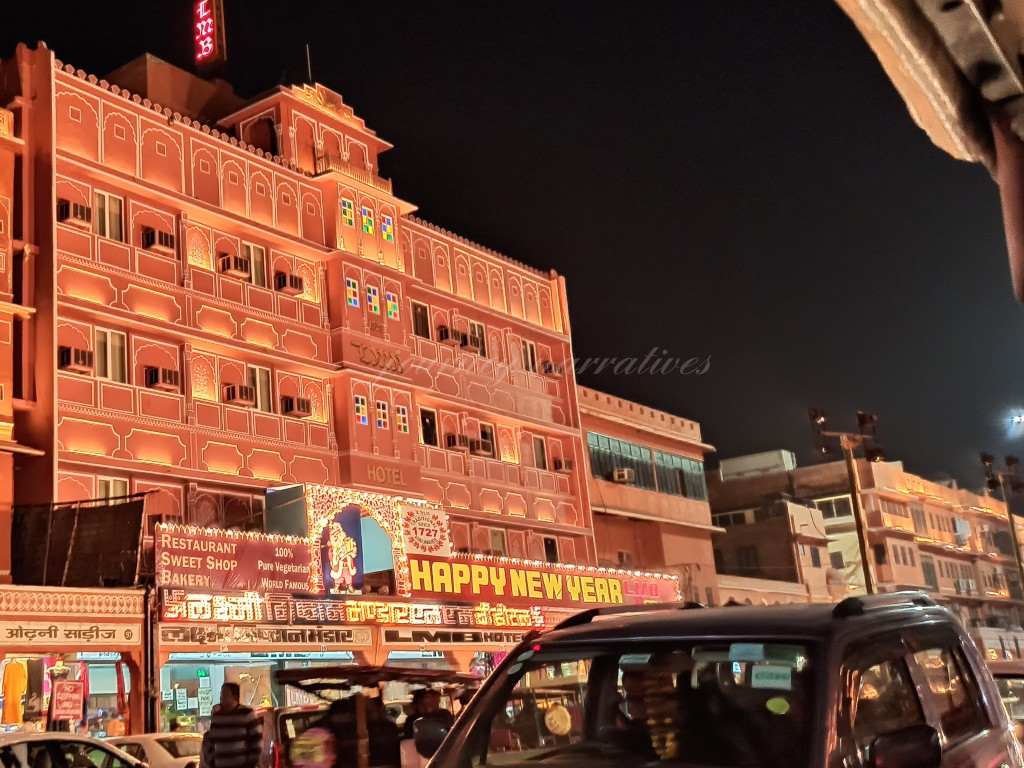
In Jaipur, shopping is not just a commercial activity — it is a daily ritual woven into food habits, festive preparation, family traditions, and local survival. Markets here function as open kitchens, social spaces, and cultural archives, where ingredients, utensils, textiles, and sweets circulate through generations. To understand food and local life in India, one must look beyond dining tables and step into markets like those in Jaipur — where culture is bought, sold, shared, and sustained every single day. Many of the food ingredients, utensils, and sweets found in Jaipur’s local markets are closely tied to India’s timeless food rituals and eating traditions, which continue to preserve culture even as everyday life becomes faster and more commercial. Markets as the Backbone of Food and Local Life In Indian cities, especially historic ones like Jaipur, food traditions do not exist in isolation. They are supported by: These markets ensure that food rituals continue, even as lifestyles change. This is why local bazaars matter as much as recipes or festivals when discussing India’s eating traditions. 1. Johari Bazaar – Where Festive Food Traditions Begin Known for jewelry, Johari Bazaar also plays a quiet role in food rituals. During festivals and weddings, families walk these lanes to buy: Food rituals in India often begin with preparation and presentation, and Johari Bazaar supplies the material culture behind those moments. 2. Bapu Bazaar – Everyday Shopping for Everyday Kitchens Bapu Bazaar reflects daily local life, not occasional tourism. Alongside textiles and footwear, you’ll find: This bazaar shows how food traditions survive not through grandeur, but through daily repetition and affordability. 3. Tripolia Bazaar – The World of Utensils and Cooking Tools Tripolia Bazaar is one of the strongest examples of how markets support food culture. It is famous for: Cooking vessels here are not decorative — they are functional tools passed down across generations, ensuring continuity in how food is prepared and served. 4. Kishanpole Bazaar – Where Craft Meets Community Life Textiles from Kishanpole Bazaar often enter kitchens and dining spaces as: Food in India is rarely eaten in isolation; it is tied to how people sit, serve, and share, all of which are shaped by local craft traditions. 5. Chandpole Bazaar – Raw Materials of Tradition Chandpole Bazaar is known for raw materials: Many food rituals described in Indian culture rely on manual preparation methods, and Chandpole supplies the tools that keep those practices alive. 6. Sireh Deori Bazaar – Street Food as Social Life Located near the City Palace, Sireh Deori is where food becomes: Street snacks here are not just meals; they are social pauses — moments where locals, vendors, and travelers intersect. This everyday eating culture mirrors the idea that food rituals survive best when they remain accessible. 7. Local Sweet Shops & Seasonal Vendors – Rituals You Can Taste Jaipur’s markets change with seasons and festivals. Temporary stalls appear selling: These seasonal rhythms reflect the same patterns discussed in broader conversations about India’s timeless food rituals, where tradition adapts but does not disappear. How This Connects to India’s Food Rituals Many of the ingredients, utensils, sweets, and customs seen in Jaipur’s markets are directly linked to India’s enduring food rituals and eating traditions, which continue to survive despite urbanization and economic pressure. Markets like these quietly preserve culture by: This is how food traditions remain alive — not in museums, but in marketplaces. Why Jaipur’s Markets Matter Beyond Shopping Jaipur’s bazaars reveal a larger truth about India: Food culture survives not only through recipes, but through spaces that support everyday life. When you walk these markets, you’re witnessing: They are living examples of how food and local life remain inseparable in India. Food Traditions in the Flow of Everyday Life To understand India’s food traditions, you don’t always need a dining table or a festival invitation. Sometimes, all you need is a walk through a local market — where food, craft, and life quietly meet, day after day.