
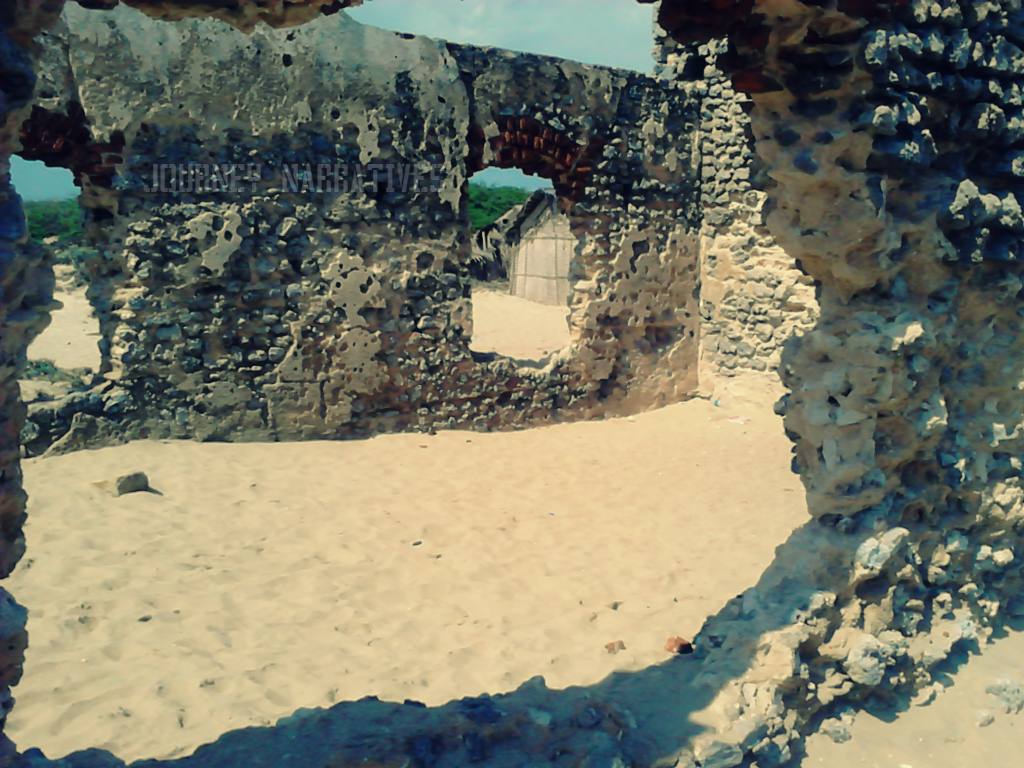
The sandy dunes of Dhanushkodi don’t soften the coastline — they expose it.
This is a place where land thins out, vegetation fades, and the shore stretches flat and open under constant wind and salt. Here, the coast feels less like a destination and more like a geographical boundary.
At the far edge of Tamil Nadu, Dhanushkodi exists as a narrow strip of sand shaped by opposing seas, strong currents, and uninterrupted exposure. It is one of India’s clearest examples of sandy dunes and coastal plains formed through accumulation rather than resistance.
The sandy dunes of Dhanushkodi form one of the coastal landscape types explored in our guide to Coastal Landscapes: 7 Breathtaking Natural Shores That Feel Wildly Refreshing.
Table of Contents
1. A Coastline Built by Deposition, Not Elevation
Unlike rocky or cliff-backed shores, Dhanushkodi is defined by what settles here.
Wind and waves continuously deposit:
- Fine sand
- Shell fragments
- Marine sediments
Over time, this process creates low-lying coastal plains where the land remains flat, fragile, and constantly reshaped.
2. Wind-Shaped Dunes That Never Stay Still
The dunes of Dhanushkodi are subtle but persistent.
Rather than towering formations, they appear as:
- Long, shallow ridges
- Rippled sand patterns
- Gradual rises shaped by prevailing winds
These dunes shift seasonally, reminding visitors that the landscape here is temporary by nature.
3. Two Seas, One Narrow Plain
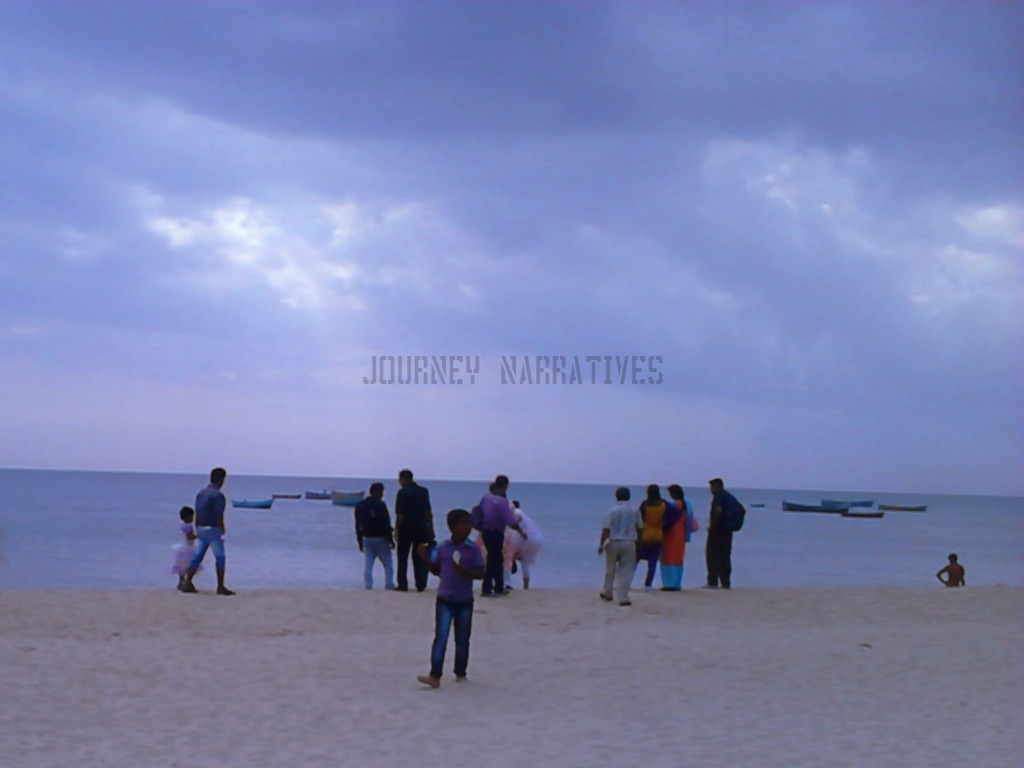
Dhanushkodi sits between the Bay of Bengal and the Indian Ocean, creating a rare coastal configuration.
This positioning results in:
- Cross-currents from opposing directions
- Constant sand redistribution
- Minimal natural shelter
The coastal plain remains exposed, open, and uncompromisingly raw.
4. A Landscape Without Visual Anchors
One of the defining traits of sandy coastal plains is the absence of vertical elements.
At Dhanushkodi:
- Trees are scarce
- Rock formations are minimal
- The horizon dominates the view
This creates a sense of vastness that feels both isolating and mentally refreshing.
5. The Sound and Feel of an Open Sand Coast
Without cliffs or rocks to interrupt wave movement, sound behaves differently here.
Waves roll in continuously, wind moves freely, and the shoreline feels constantly in motion, even when nothing dramatic is happening.
It’s a coast that engages through exposure rather than spectacle.
6. Fragility as a Defining Feature
Sandy dunes and coastal plains are among the most vulnerable shoreline types.
At Dhanushkodi:
- Erosion happens quickly
- Storm impact is immediate
- Recovery is slow and uncertain
This fragility is not a weakness — it’s a defining ecological reality.

7. Why Dhanushkodi Feels Intensely Isolated
The openness of the land offers little protection from elements.
Sun, wind, and salt dominate the experience, making the coast feel stripped of comfort but rich in clarity. It’s a reminder of how minimal a coastline can become and still remain powerful.
8. Why Dhanushkodi Represents Sandy Dunes and Coastal Plains
Dhanushkodi stands as a clear reference point for understanding sandy coastal landscapes.
It represents:
- Accumulation-driven coast formation
- Wind-shaped dunes
- Flat, exposed coastal plains
Few places demonstrate this coastal type as clearly or as honestly.
Where the Land Gradually Disappears
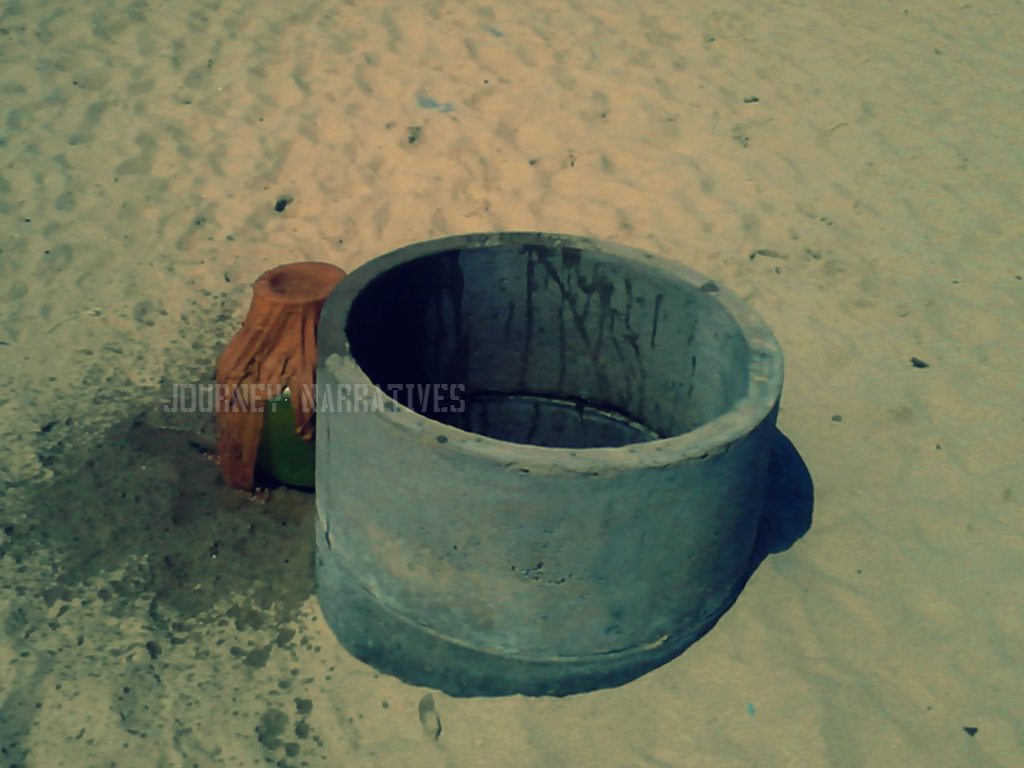
The sandy dunes of Dhanushkodi show how coastlines don’t always rise to meet the sea.
Sometimes, they thin, flatten, and slowly dissolve under the weight of wind and water.
This is not a gentle shore — but it is an unforgettable one, shaped by exposure, impermanence, and quiet intensity.
