
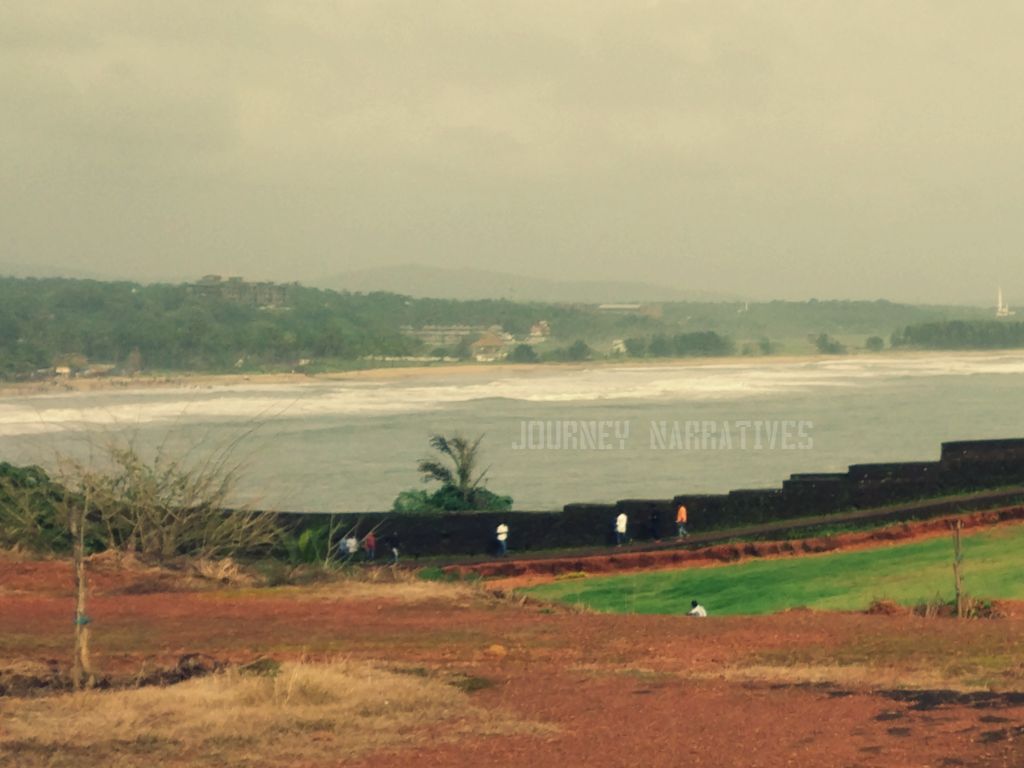
The Bekal Coast, defined by its character as one of India’s untouched and protected coastal zones, does not announce itself through crowds or constant activity. Its strength lies in restraint—where the shoreline remains powerful precisely because it has been left largely undisturbed.
In northern Kerala, the Bekal Coast represents a rare coastal landscape where natural processes dominate and human intervention remains minimal. The shore feels steady and unforced, shaped more by time and patience than by development.
Table of Contents
1. Natural Coastal Processes Remain Undisturbed
One of the primary reasons the Bekal Coast still endures is the limited interruption of natural coastal processes. Waves interact directly with the shoreline without being redirected by artificial barriers such as seawalls, groynes, or breakwaters. This allows erosion and deposition to occur gradually rather than abruptly.
Seasonal changes—monsoon-driven wave energy, sediment movement, and tidal variation—are absorbed by the coast in a natural cycle. Instead of forcing the shoreline into a fixed shape, Bekal allows continuous adjustment, which reduces long-term instability. This dynamic balance is a defining trait of untouched coastal zones.
2. Minimal Built Intervention Preserves Shoreline Form
Unlike heavily developed coastal regions, the Bekal Coast has avoided dense beachfront construction. The absence of large resorts, reclaimed land, or reinforced embankments means that the shoreline remains largely true to its original contours.
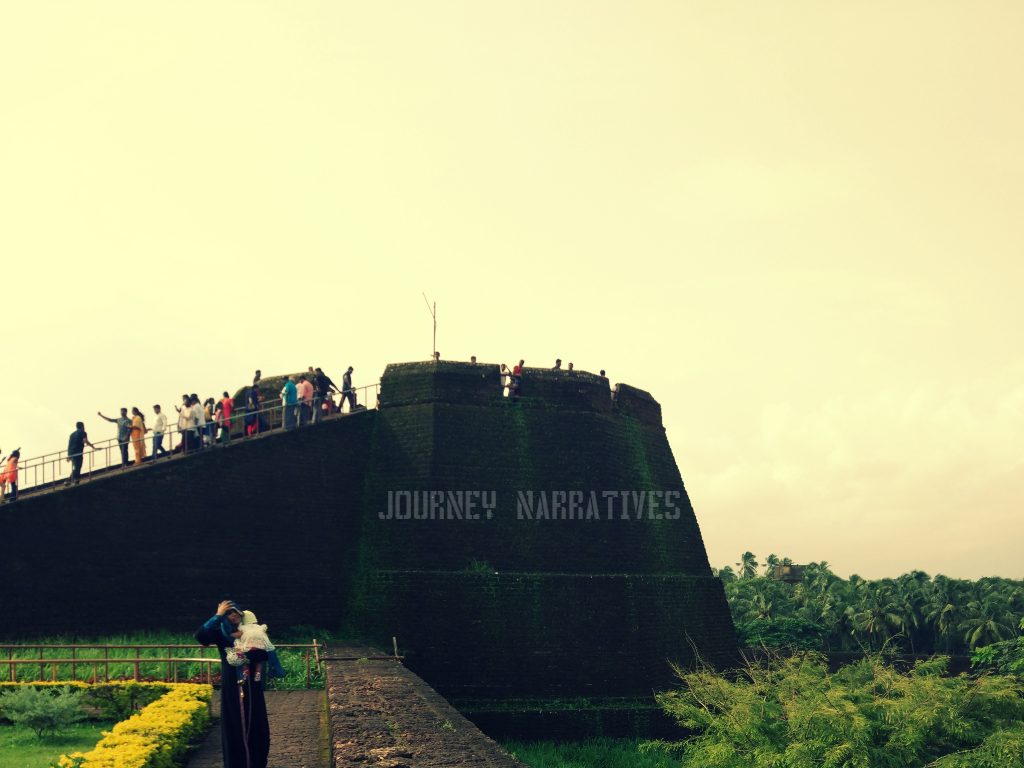
The presence of Bekal Fort, set back from the immediate wave zone, highlights an important distinction: historical human presence without coastal domination. The fort overlooks the sea without reshaping it. This separation between built heritage and natural shoreline plays a key role in preserving the coast’s integrity.
By not forcing infrastructure into the active coastal zone, Bekal avoids many of the erosion problems seen elsewhere.
3. Rocky and Sandy Elements Work Together
The Bekal Coast is not defined by a single shoreline type. Instead, it is shaped by a combination of rocky edges and sandy stretches, each contributing to coastal resilience. Rocky outcrops absorb wave energy and reduce the speed of erosion, while sandy areas redistribute sediment naturally along the shore.
This mixed coastal structure helps prevent extreme shoreline retreat. When one section absorbs energy, another replenishes. Such diversity in coastal form is often lost in engineered coastlines, where uniform structures replace natural variation.
Bekal’s ability to endure comes from this layered coastal makeup rather than from artificial reinforcement.

4. Low Human Pressure Supports Long-Term Stability
Human pressure—constant foot traffic, vehicle access, sand extraction, and shoreline modification—often accelerates coastal degradation. The Bekal Coast experiences relatively low levels of such pressure, allowing the landscape to function without chronic disturbance.
Vegetation along the coast remains largely intact, helping stabilize surface sediments. Natural drainage patterns are preserved, preventing waterlogging or forced erosion during heavy rains. These subtle factors collectively support long-term shoreline health.
Endurance, in this context, is not about resisting change but about allowing slow, manageable change rather than rapid disruption.
5. Protection Through Restraint, Not Control
Perhaps the most powerful reason the Bekal Coast still endures is that protection here is largely passive. Instead of controlling the shoreline through heavy engineering, the coast is allowed to evolve naturally within its environmental limits.
This approach recognizes that coastlines are not static boundaries. By avoiding over-intervention, Bekal maintains its ability to respond to rising seas, shifting wave patterns, and seasonal extremes without sudden failure.
Such restraint offers an important lesson: sometimes the most effective form of coastal protection is knowing when not to interfere.
Why This Coast Matters
The Bekal Coast matters because it demonstrates how shorelines can remain stable without aggressive modification. In a time when many coasts are reshaped to meet immediate needs, Bekal stands as an example of long-term thinking—where endurance is achieved through balance rather than force.
Beyond its physical form, the Bekal Coast provides a reference point for understanding untouched and protected coastal zones. It shows that allowing natural systems to function freely can preserve not only the coastline’s shape but also its resilience. In doing so, Bekal reminds us that endurance is often the result of patience, not intervention.
The protected coastline of Bekal reflects one of the untouched shore types highlighted in Coastal Landscapes: 7 Breathtaking Natural Shores That Feel Wildly Refreshing, where natural form is preserved over development.
