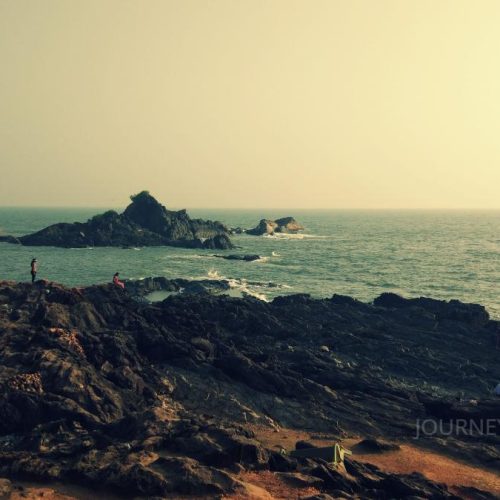
Off the coast of Karnataka, just a short ferry ride from Malpe near Udupi, lies St. Mary’s Island, a rare geological marvel and one of the standout destinations featured in Coastal Landscapes: 7 Breathtaking Natural Shores That Feel Wildly Refreshing. Known for its striking basalt columns, crystal-clear waters, and untouched coastal beauty, the island is a protected natural heritage site and a must-visit destination for nature lovers, geologists, photographers, and eco-tourists.
What makes St. Mary’s Island truly exceptional is not just its scenic appeal, but the unique volcanic formations that are millions of years old. Here are seven stunning natural formations that make this island an outdoor wonder worth exploring.
Table of Contents
1. Hexagonal Basalt Columns
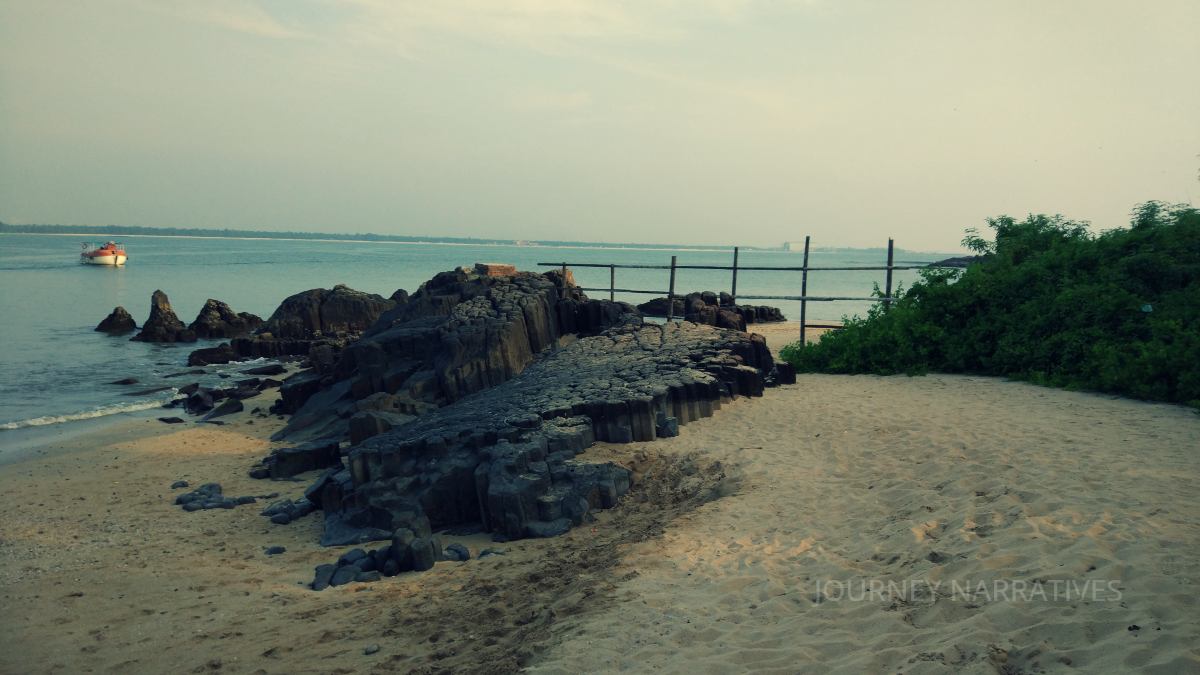
The most iconic feature of St. Mary’s Island is its hexagonal basalt rock formations. These geometric columns were formed by volcanic lava flows that cooled and contracted over time, creating near-perfect hexagonal shapes. Such formations are extremely rare and are comparable to the famous Giant’s Causeway in Northern Ireland.
These columns stand as a testament to ancient volcanic activity and are a key reason the island is protected by the Geological Survey of India.
2. Columnar Lava Structures
Beyond hexagons, the island features tall columnar basalt formations arranged vertically and diagonally along the shore. These structures look sculpted, almost architectural, yet they are entirely natural. The repetitive symmetry of the columns creates dramatic visual patterns, making them a favorite subject for landscape photography.
3. Volcanic Rock Beds
Large stretches of the island are covered with flat volcanic rock beds, formed by solidified lava that spread evenly before cooling. These rock platforms offer a clear view of the island’s geological layers and allow visitors to observe textures shaped by time, wind, and sea erosion.
4. Coral-Sand Beaches
Unlike typical golden beaches, St. Mary’s Island features white coral sand, formed from centuries of broken coral fragments. This gives the shoreline a bright, clean appearance and enhances the turquoise color of the surrounding sea. The contrast between white sand and dark basalt rocks makes the island visually striking.
5. Natural Rock Pools
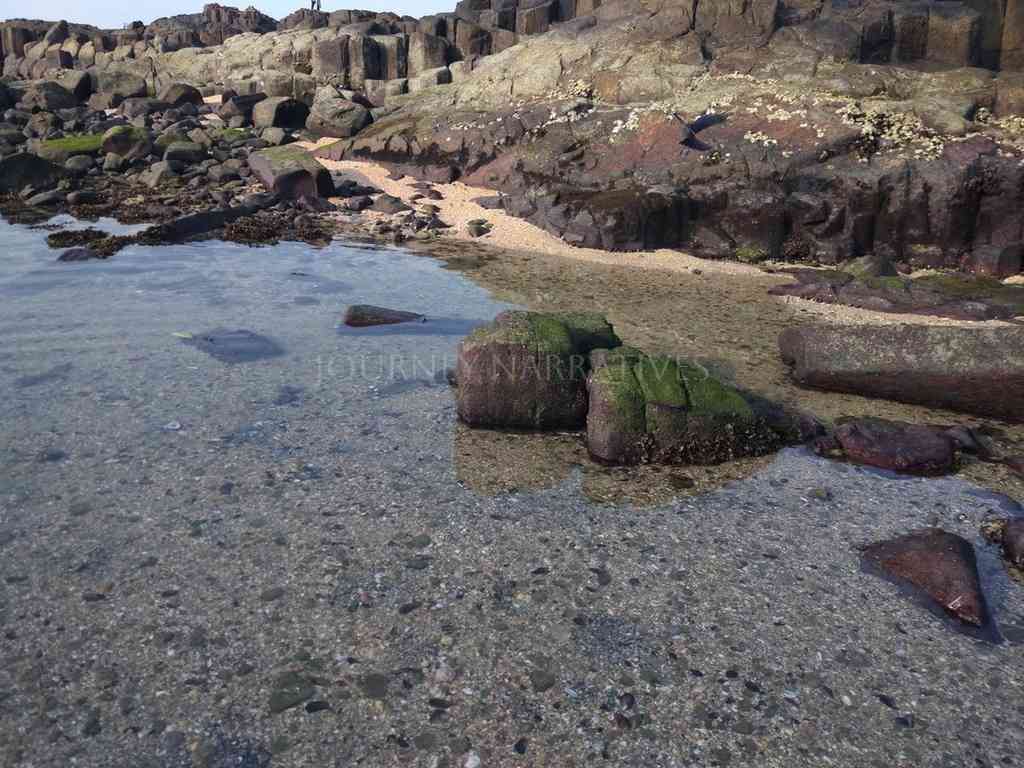
Scattered across the rocky shoreline are natural tidal pools created by uneven rock surfaces and wave action. These pools collect seawater during high tide and often host small marine life, offering a glimpse into the island’s coastal ecosystem without disturbing it.
6. Erosion-Shaped Rock Patterns
Constant exposure to wind, waves, and salt has carved the rocks into organic, abstract shapes over thousands of years. These erosion patterns add character to the island’s landscape and highlight the ongoing interaction between land and sea.
7. Undisturbed Coastal Ecosystem
One of the island’s most valuable natural features is its largely untouched environment. With no permanent human settlement, limited infrastructure, and regulated tourism, St. Mary’s Island supports native coastal vegetation and seabird activity, making it an important ecological zone.
Why St. Mary’s Island Is Geologically Significant
St. Mary’s Island dates back to around 88 million years ago, linked to volcanic activity that occurred when the Indian subcontinent separated from Madagascar. This makes the island not just a tourist destination, but a living geological record of Earth’s tectonic history.
Because of its scientific importance, collecting rocks or damaging formations is strictly prohibited.
This unique volcanic history places St. Mary’s Island among India’s most remarkable coastal formations, alongside other shores where geology and ocean forces shape dramatically refreshing coastal landscapes.
Conservation Status and Visitor Guidelines
St. Mary’s Island is designated as a protected geological heritage site, with conservation measures in place to preserve its rare rock formations and fragile coastal ecosystem. Visitor access is regulated, and activities such as collecting stones, damaging rock structures, or disturbing marine life are strictly prohibited. These guidelines are essential to maintaining the island’s scientific and ecological value, ensuring that natural erosion processes and biodiversity remain undisturbed. Responsible tourism plays a key role in protecting the island so it can continue to serve as both a natural landmark and an educational site for future generations.
Best Time to Visit
- October to March is ideal, with pleasant weather and calm seas
- Ferry services operate from Malpe, subject to weather conditions
- The island is usually closed during the monsoon season for safety
Responsible Travel Tips
- Avoid stepping on fragile rock edges
- Do not litter or disturb marine life
- Follow instructions from local authorities and guides
- Photography is allowed, but removal of natural materials is illegal
To ensure peace of mind while traveling or living abroad, we recommend getting health insurance. SafetyWing’s Essential plan covers travel and medical emergencies with options for adventure sports and electronics theft. Their Complete plan offers comprehensive health coverage with routine healthcare, mental health support, and maternity, anywhere in the world, including in your home country, on top of all Essential benefits.

A Living Record of Earth’s History
St. Mary’s Island is more than a scenic getaway—it is a natural open-air museum of volcanic geology. Its rare basalt formations, pristine beaches, and protected ecosystem make it one of India’s most remarkable nature destinations. For travelers interested in landscapes shaped by time, science, and nature, this island offers an experience that is both visually stunning and intellectually enriching.