Crawford Market reveals how visible and demanding India’s food systems truly are. In India, food systems are rarely hidden; they unfold in public, shaped by movement, labor, weather, and time. The food and local life of Mumbai are expressed most clearly through markets—spaces where nourishment, commerce, and survival intersect every day. Among them, Crawford Market stands as one of the city’s most intense food landscapes, feeding millions through a rhythm that never truly pauses.
Within the larger story of food and local life in India, Crawford Market represents an essential urban market landscape. It is not curated for storytelling or softened for leisure. It functions because it must—moving food from hands to homes in a city that depends on speed, volume, and endurance.
Table of Contents
1. The Wholesale Core: Feeding a City at Scale
At its heart, Crawford Market operates as a wholesale engine. Long before most of Mumbai wakes, trucks arrive loaded with fruits, vegetables, dry goods, and spices sourced from across Maharashtra and beyond. Transactions happen quickly, voices rise, hands move, and food changes ownership at a pace that reflects the city’s appetite.
This core landscape preserves a traditional supply chain built on trust, repetition, and relationships. Yet it is under constant pressure from rising transport costs, competition from large distributors, and infrastructure limits that struggle to support the volume required to feed millions daily.
2. Retail Corridors: Food for Everyday Homes
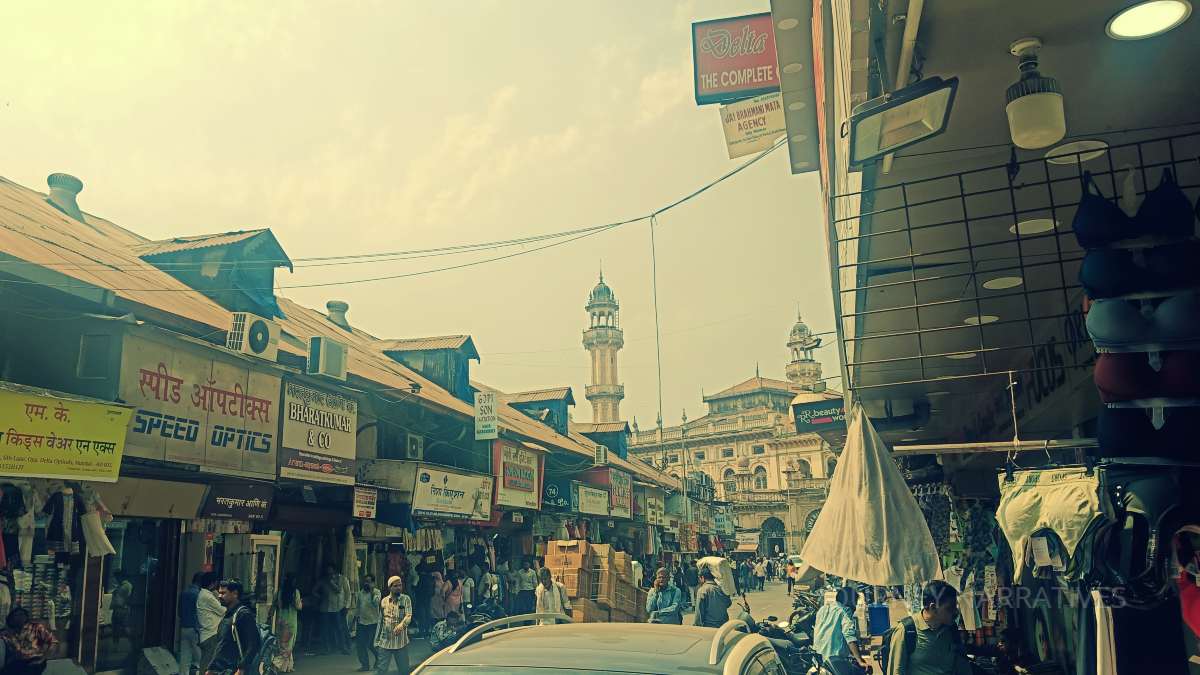
Surrounding the wholesale center are retail corridors where households shop for daily needs. Shoppers weave through narrow passages selecting produce, grains, and spices—ingredients that sustain home cooking across neighborhoods.
These corridors preserve everyday food traditions by keeping ingredients accessible and affordable. Unlike supermarkets, the market allows negotiation, familiarity, and choice. However, changing consumer preferences, packaged alternatives, and shrinking family cooking time place pressure on this slower, human-centered food exchange.
3. Fruit and Spice Zones: Sensory Landscapes of Labor
Certain sections of Crawford Market are defined by sensory intensity—piles of fruits stacked high, sacks of spices releasing sharp aromas, voices competing with the sounds of weighing scales and vehicles outside.
These zones reveal food as physical labor. Sorting, carrying, and stacking are continuous, often invisible efforts that sustain the city’s meals. While these landscapes preserve traditional trade skills, they are increasingly challenged by safety concerns, modernization efforts, and the physical toll on workers who keep the system running.

4. Surrounding Street Vendors: Extending the Market’s Reach
Beyond the market’s walls, street vendors form an informal extension of the food landscape. Selling snacks, fruits, drinks, and quick meals, they serve workers, shoppers, and passersby who rely on affordable, immediate nourishment.
These vendors preserve accessibility, ensuring food is available beyond formal stalls. Yet their presence is constantly contested—caught between regulation, eviction drives, and the need for urban order. Their survival reflects the tension between planning and practicality in Indian food systems.
5. Time-Based Food Cycles: A Market That Never Sleeps
Crawford Market functions on shifting time cycles. Early mornings belong to wholesalers and transporters. Late mornings and afternoons cater to households and small retailers. Evenings bring a different crowd—those shopping after work or seeking last-minute supplies.
This constant rotation preserves a food system that adapts to the city’s unpredictable rhythms. However, exhaustion, staffing challenges, and infrastructure strain highlight the cost of sustaining a market that rarely rests.
6. Cultural Crossroads: Food, Migration, and Memory
Mumbai’s identity as a migrant city is reflected in Crawford Market’s food life. Traders, porters, and sellers come from different regions, bringing culinary preferences and working styles shaped by distant homelands.
This diversity preserves a layered food culture, where regional ingredients coexist within a single market. At the same time, economic pressure and rising living costs push many workers to the margins, threatening the continuity of these human networks.
Food and Local Life of Mumbai in India’s Market Landscape Story
Within the pillar Food and Local Life in India, Crawford Market represents the urban market landscape—a space where food sustains not just tradition, but survival. Unlike plantations or rural food systems, this landscape operates under relentless demand, constant movement, and limited space.
The food and local life of Mumbai are defined by intensity rather than ceremony. Markets like Crawford preserve food traditions not through nostalgia, but through daily repetition under pressure. They nourish communities while absorbing the weight of a city that never slows down.
Understanding Crawford Market is essential to understanding how Indian cities eat. It shows that food landscapes are not only about taste or heritage, but about systems—fragile, human, and indispensable—that keep millions fed, day after day.