
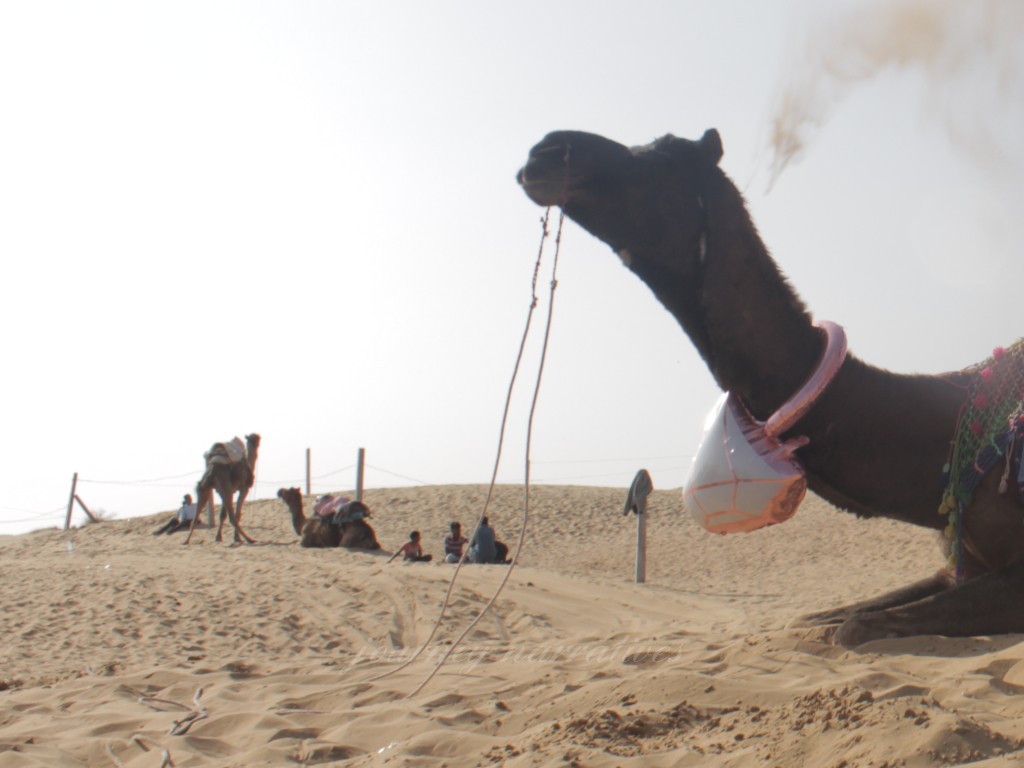
The Osian Desert Drive from Jodhpur offers a striking shift from city forts to open desert landscapes, but the experience is deeply influenced by climate and timing. Heat, wind conditions, and seasonal crowd patterns can either elevate the drive or make it unnecessarily uncomfortable.
Planning this desert route with climate in mind allows travelers to enjoy Osian’s temples, dunes, and open roads without physical strain. Below are six climate-smart tips that help shape a smoother, more comfortable desert drive.
Table of Contents
1. Choose the Right Season for Comfortable Desert Conditions
The Osian Desert Drive from Jodhpur is best experienced during cooler months when daytime temperatures remain manageable. Desert heat can intensify quickly, making long drives tiring and limiting time spent outdoors.
Planning travel during milder seasons allows for relaxed exploration and better overall energy levels.
Climate takeaway:
Comfortable temperatures matter more than distance in desert travel.
2. Plan Departures Around Morning Light and Cooler Air
Early departures take advantage of cooler desert air and softer sunlight. Morning drives reduce exposure to peak heat and improve visibility across open stretches.
This timing also creates flexibility for unhurried exploration upon reaching Osian.
Climate takeaway:
Desert journeys feel lighter when driven early.

3. Account for Wind and Sand Conditions
Certain times of the year bring stronger desert winds, which can reduce visibility and affect driving comfort. Being aware of seasonal wind patterns helps travelers prepare for slower speeds and occasional sand movement on roads.
Allowing buffer time prevents the drive from feeling rushed under changing conditions.
Climate takeaway:
Wind patterns shape desert driving just as much as temperature.
4. Adjust Outdoor Exploration to Midday Conditions
Midday heat in desert regions can quickly drain energy. Planning temple visits, walks, or photography either earlier in the day or closer to evening helps maintain comfort.
Using midday hours for rest or shaded activities keeps the journey enjoyable rather than exhausting.
Climate takeaway:
Desert pacing should follow the sun, not the clock.
5. Keep Flexibility for Sudden Weather Shifts
Desert climates can change quickly, especially during transitional seasons. Occasional cloud cover, temperature drops, or wind shifts may alter driving conditions.
Building flexibility into the plan ensures these changes don’t disrupt the experience.
Climate takeaway:
Flexible itineraries handle desert unpredictability better.
6. Plan the Return Drive With Evening Cooling in Mind
Evening temperatures in desert regions drop noticeably, making the return journey more comfortable. Sunset drives often offer calmer conditions and softer light across the landscape.
Timing the return thoughtfully helps end the day on a relaxed note.
Climate takeaway:
Evenings restore balance after desert heat.
To ensure peace of mind while traveling or living abroad, we recommend getting health insurance. SafetyWing’s Essential plan covers travel and medical emergencies with options for adventure sports and electronics theft. Their Complete plan offers comprehensive health coverage with routine healthcare, mental health support, and maternity, anywhere in the world, including in your home country, on top of all Essential benefits.

Why the Osian Desert Drive from Jodhpur Works as a Season-Based Itinerary
The Osian Desert Drive from Jodhpur highlights how climate-aware planning transforms short distances into rewarding journeys. When temperature, wind, and daylight are considered together, the drive feels intentional rather than demanding.
This approach reflects the principles behind season-based itineraries—where climate, crowds, and comfort shape travel decisions as much as geography.
For more journeys planned around weather, timing, and comfort, explore our pillar guide:
4 Smart Season-Based Itineraries Designed for Ideal Climate, Fewer Crowds, and Better Costs
